Like
Share
멍실장
강아지 비만과 인슐린 저항성 증상과 원인, 진단·치료와 관리 포인트 총정리

It’s Not Just Fat — Causes and Management of Insulin Resistance in Dogs

EndocrineDiseasesMeongsiljang Veterinary Advisory Board

Canine obesity and insulin resistance are metabolic disorders characterized by weight gain and declining hormonal function, which can lead to diabetes. Early detection and systematic management are essential.

What Are Canine Obesity and Insulin Resistance?

A side-view photo of an overweight puppy
Canine obesity and insulin resistance is a metabolic disorder characterized by reduced insulin effectiveness alongside weight gain. Excessive accumulation of fat cells impairs the response of insulin receptors, making blood sugar regulation difficult. Because this condition can lead to diabetes over the long term, early detection and management are crucial. In particular, continuous weight gain and decreased activity levels can serve as warning signs. Insulin resistance signifies more than just simple obesity; it indicates impaired endocrine function, necessitating systematic management in collaboration with a veterinarian. Accurate diagnosis and early intervention are key to maintaining a healthy life.

What Are the Main Causes?

The main causes of obesity and insulin resistance in dogs are overeating and lack of exercise. Persistent overconsumption of high-calorie foods or treats, along with insufficient daily walks or play, leads to increased body fat and reduced insulin sensitivity. Obesity itself is a well-known primary cause of insulin resistance. Genetic predispositions (such as POMC gene mutations in certain Labrador Retrievers and Flat-Coated Retrievers), hormonal imbalances (such as excessive cortisol production due to hyperadrenocorticism or acromegaly), and post-neutering status can also contribute. In particular, endocrine disorders such as hyperadrenocorticism or insulinomas can underlie obesity and metabolic abnormalities in middle-aged and older dogs. Medications like corticosteroids can also cause weight gain. Therefore, comprehensive management of lifestyle habits is essential.
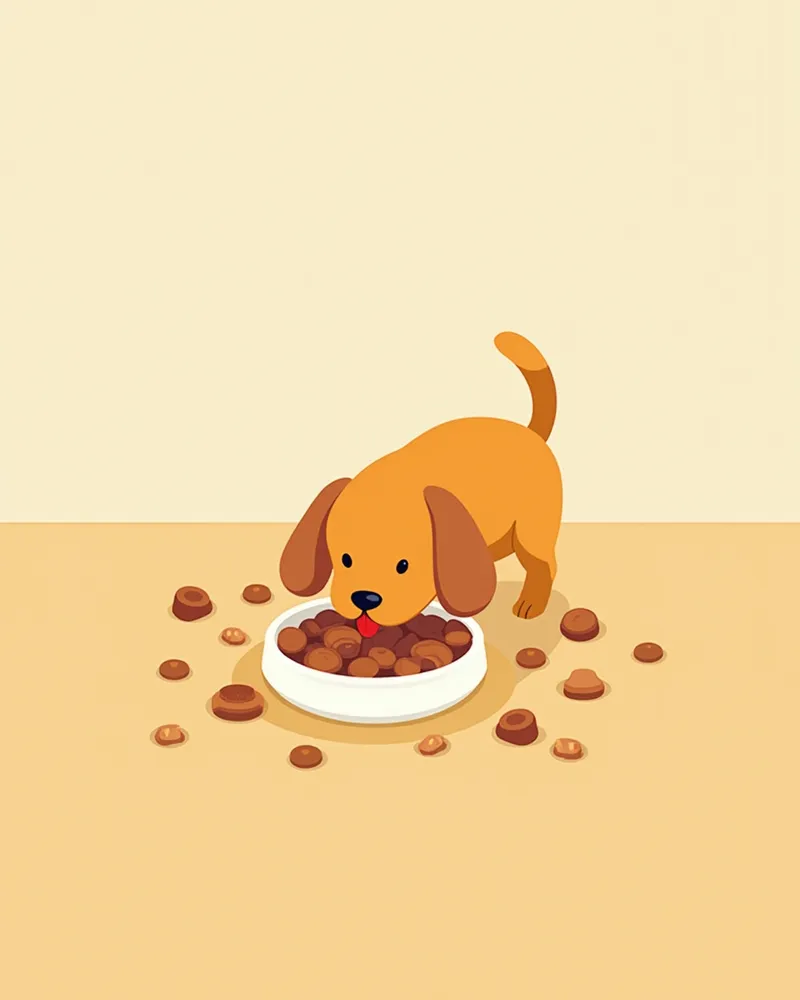
A scene of a dog eating too many treats

Key Symptoms and Signs

Canine obesity and insulin resistance manifest through several telltale signs. Weight gain, fat accumulation, shortness of breath, exercise intolerance, lethargy, and fatigue are among the most common indicators. When impaired insulin function progresses to diabetes mellitus, symptoms such as polydipsia (excessive thirst) and polyuria (increased urine volume and frequency) become apparent. Although appetite often increases (polyphagia), some dogs may paradoxically lose weight. Affected dogs tend to become less active and spend more time resting, and skin conditions may also develop. If these symptoms persist, they could indicate diabetes, making it essential to consult your veterinarian.
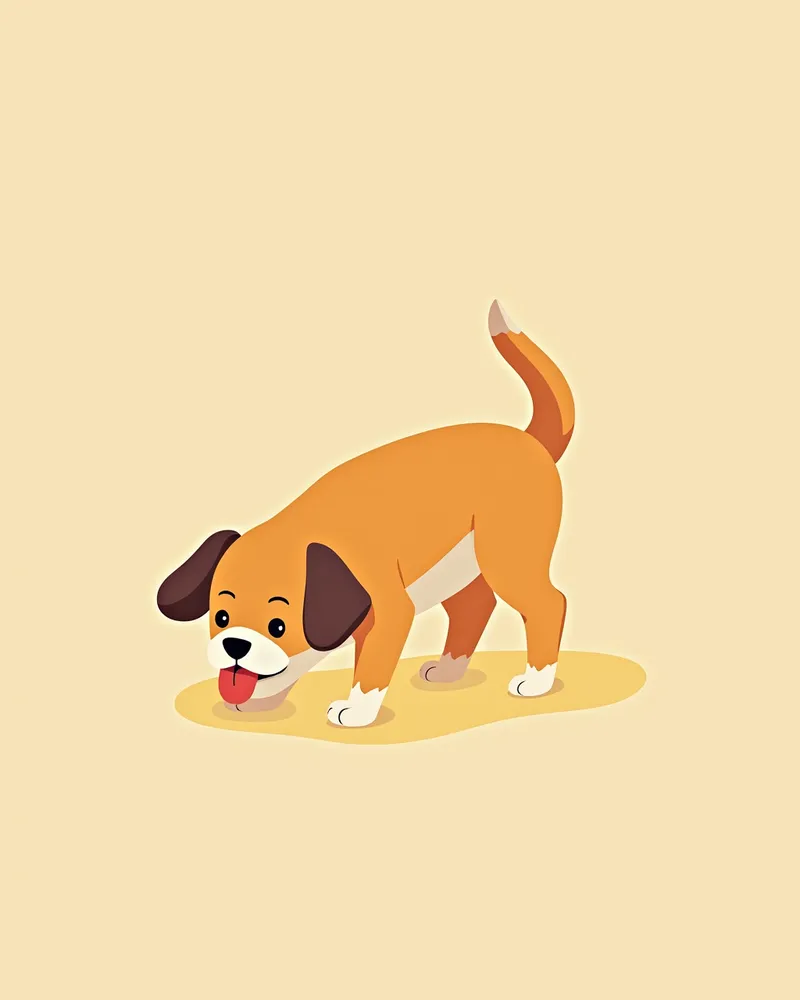
A dog that gets out of breath after a short walk

When to Visit the Vet Immediately

If your dog suddenly loses its appetite, vomits, has diarrhea, or appears lethargic, take it to the vet immediately. These symptoms may indicate complications of diabetes or metabolic acidosis. Because this is an emergency, prompt action is essential.

How Is an Accurate Diagnosis Made?

Veterinarians assess body weight, body condition, and body condition score (BCS), and perform blood tests to check blood glucose and liver function, among other parameters. To screen for diabetes, urine tests (to detect glucosuria) are conducted alongside blood glucose measurements, and fructosamine testing may be performed when necessary to evaluate blood glucose levels over a specific period. Serum insulin concentrations may also be measured. Additional tests may be conducted to rule out underlying endocrine disorders such as hyperadrenocorticism, which can contribute to obesity and insulin resistance. Accurate diagnosis requires a combination of these tests and the veterinarian’s professional judgment. Early diagnosis is key to improving treatment success rates.
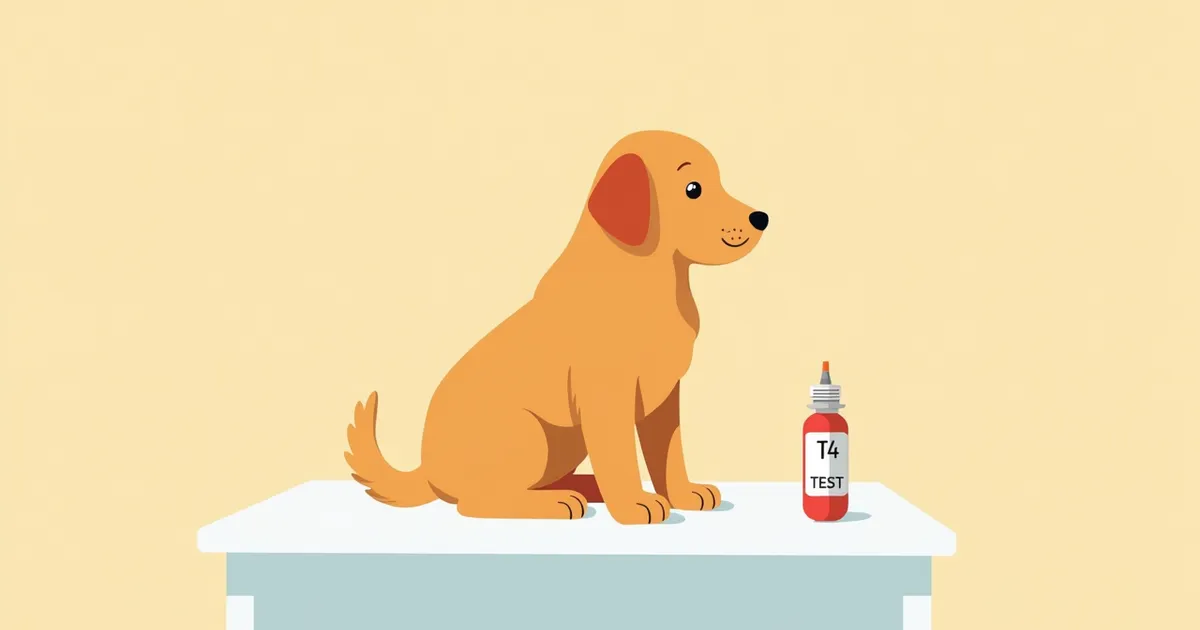
A veterinarian drawing blood from a puppy

Treatment Methods and Step-by-Step Approach

Treatment centers on dietary management and increased physical activity. Your veterinarian will recommend a low-calorie, high-protein diet tailored to your dog’s weight, while regular walks and playtime help boost daily activity levels. Insulin injections or other medications may be prescribed as needed. We’ll set target weights for each stage of treatment and monitor progress with weekly weigh-ins. Both diet and exercise plans must be customized based on your dog’s age, activity level, and overall health. Without consistent management, the risk of recurrence is high. Regular check-ins with your veterinarian are essential for successful treatment.
A pet owner walking their dog

Management Tips at Home

Managing your dog’s obesity and insulin resistance starts with daily habits. Provide measured portions of food at set times, and keep treats to a minimum. Maintain consistent activity levels with regular walks of 15–20 minutes, two to three times a day. Track weight changes and consult your veterinarian regularly. Choose low-calorie, high-protein foods recommended by your vet, and limit treat portions. Increasing playtime is also an effective way to boost activity. Regular exercise and dietary control help reduce body fat and improve insulin sensitivity. Sustainable change requires the whole family to participate in management efforts.
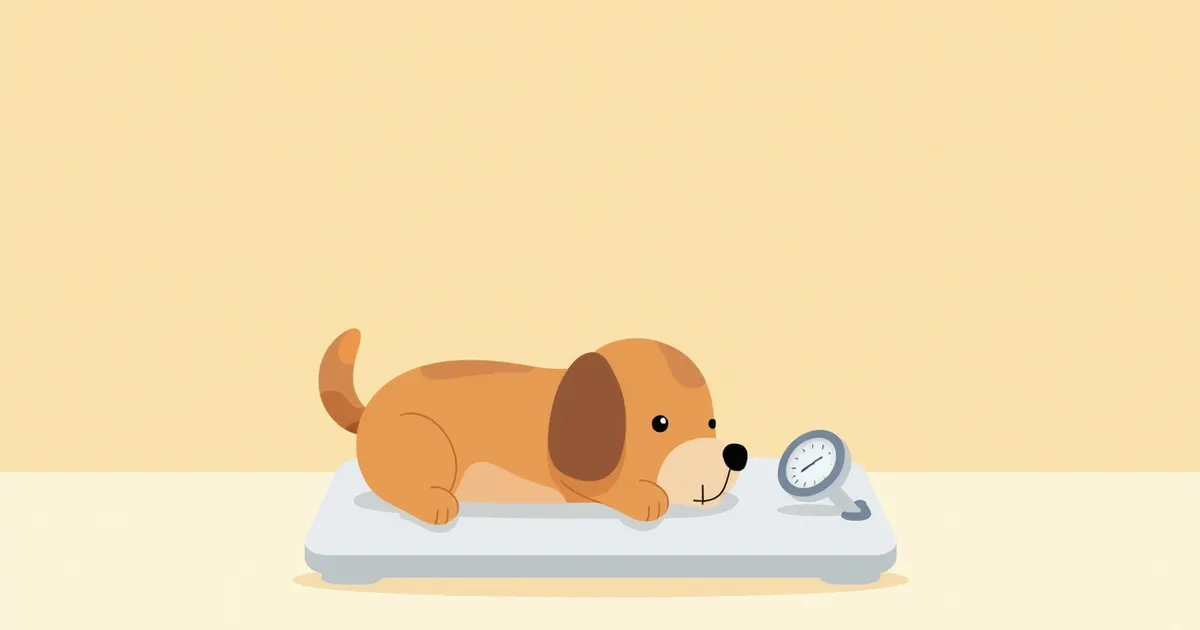
Your puppy’s weight records and food intake log

Breed-Specific Precautions and Preventing Recurrence

Certain breeds, such as Labrador Retrievers and Flat-Coated Retrievers (which carry a POMC gene mutation), have a reported genetic predisposition to obesity. For these breeds, weight management is especially important. Because weight gain can recur even with proper care, ongoing monitoring and consistent healthy habits are essential.

Reviewed by a veterinarian

Dr. Tony — Punnawat Phongkittirak

Dr. Tony — Punnawat Phongkittirak

Veterinarian

A veterinarian who majored in veterinary medicine at Khon Kaen University, Thailand, and completed the IVSA program at North Carolina State University in the United States. Drawing on clinical experience at animal hospitals, he works in the pet healthcare field and is dedicated to building a digital care environment that connects pet parents with veterinarians.

Frequently Asked Questions

Can obesity in dogs lead to diabetes?
Yes, obesity and insulin resistance can progress to diabetes. When insulin function declines, blood sugar regulation becomes difficult, so early management is important.
Can dietary management alone be effective?
Dietary management is the cornerstone of treatment. By using a low-calorie diet recommended by your veterinarian, you can help your pet lose weight and improve insulin sensitivity.
Should I completely stop giving treats?
Since it’s difficult to completely eliminate treats, offer them in limited amounts as low-calorie options recommended by your veterinarian. Keep the portion to about 1–2 treats per day.
Will increasing exercise help my pet lose weight faster?
Exercise can help with weight loss, but it’s most effective when combined with dietary management. A consistent 20-minute daily walk is recommended.
How fast should the weight loss be?
Weight loss should be gradual and follow the safe pace set by your veterinarian. Rapid weight loss can be harmful to your pet’s health, so regularly monitor their weight and consult with your vet throughout the process.

Share

Related Guides

References

[1] Burkholder WJ. Use of body condition scores in clinical assessment of the provision of optimal nutrition. J Am Vet Med Assoc 2000;217(5):650-4.

[2] Robertson ID. The association of exercise, diet and other factors with owner-perceived obesity in privately owned dogs from metropolitan Perth, WA. Preventive Veterinary Medicine 2003;58(1—2):75-83.

[3] Anderson RS. Obesity and insulin resistance in dogs: a review of pathophysiology and management. Veterinary Clinics of North America: Small Animal Practice 2015;45(2):277-293.

This information is based on veterinary literature and does not replace diagnosis or treatment. Please consult a veterinarian for specific health concerns.

Metapet Co., Ltd. | CEO: Park Sung-yong | Business Reg. No. 417-88-02562 | Seoul, South Korea | Customer Center

More Than Just Fat: Insulin Resistance in Dogs—Causes & Care | Meongsiljang