Like
Share
멍실장
고양이 신장 아밀로이드증 (아비시니안)

Abyssinian Cat Renal Amyloidosis: Complete Guide to Symptoms, Diagnosis, Prognosis, and Management

KidneyDiseasesMeongsiljang Veterinary Advisory Board

We’ve put together a clear, easy-to-understand guide for pet owners on the causes, symptoms, diagnosis, and management of hereditary renal amyloidosis, a condition that commonly affects Abyssinian cats.

What Is Feline Renal Amyloidosis?

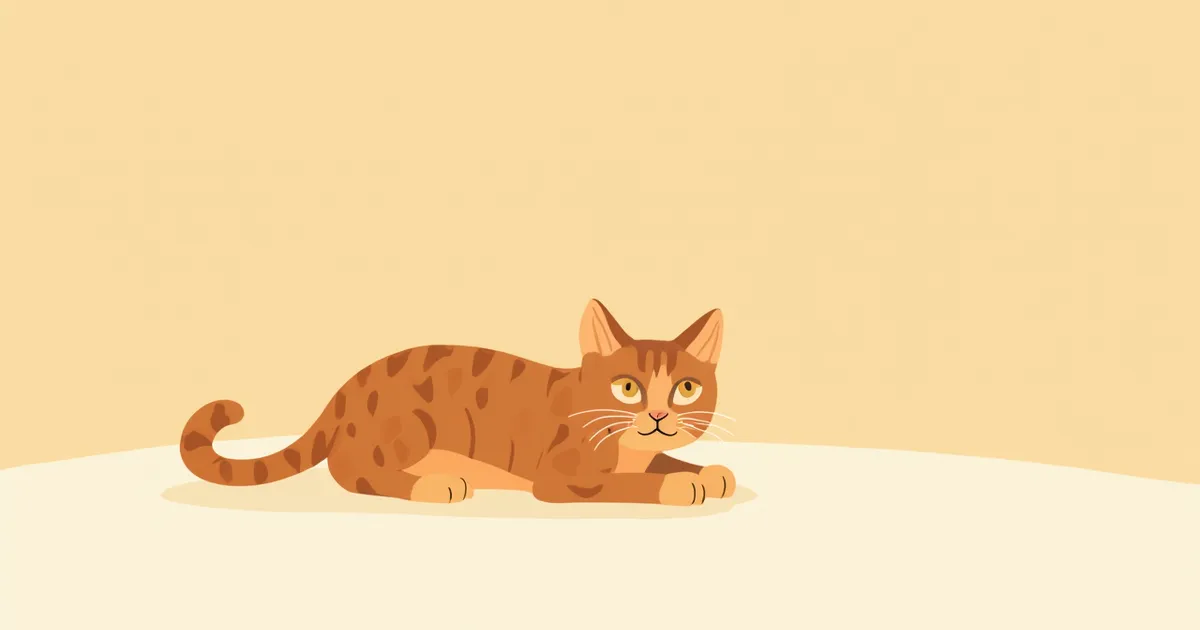
An Abyssinian cat receiving a veterinary check-up
Feline renal amyloidosis is a hereditary condition in which abnormal proteins called amyloid gradually accumulate in the glomeruli and interstitium of the kidneys, impairing their filtering function. Early detection is key. Abyssinian cats, in particular, may develop proteinuria and weight loss at a relatively young age compared to other breeds. Therefore, if you own an Abyssinian, it is advisable to have annual kidney function tests and urinalysis performed, even if your cat appears healthy. The earlier proteinuria is detected, the greater the opportunity to slow disease progression and manage it effectively.

Why Is It Particularly Common in Abyssinians?

Abyssinian renal amyloidosis is a hereditary condition. When inflammation occurs in the body, levels of an acute-phase protein called serum amyloid A (SAA) rise. The resulting amyloid deposits in the glomeruli and interstitial tissue of the kidneys without being broken down, impairing their filtering function. Veterinary textbooks report cases of familial glomerulonephritis among sibling cats, supporting the role of genetic predisposition. Although rare cases may occur in other related breeds, the Abyssinian is the primary breed clearly identified as being at high risk.

Checklist of Early Symptoms That Are Easy to Miss
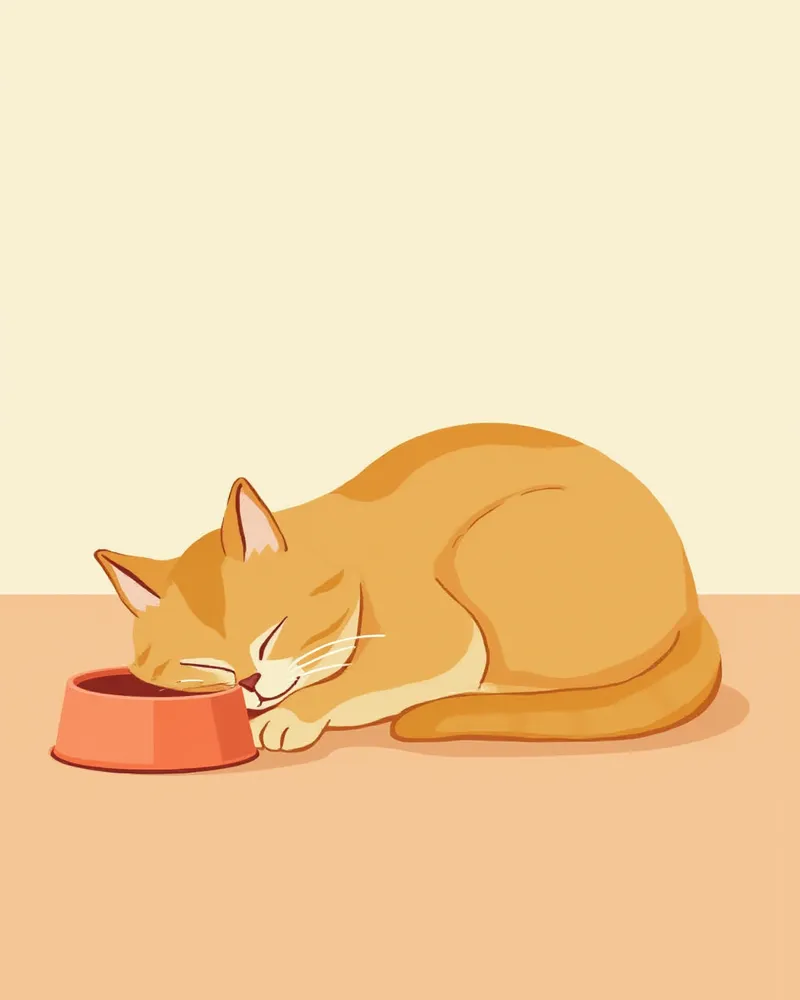
In the early stages, symptoms can be vague, but if you notice any of the following signs recurring, it may be cause for concern: - Polydipsia and polyuria: Drinking unusually large amounts of water and producing more urine than usual - Weight loss: Losing weight despite eating the same amount of food - Decreased appetite: Leaving food uneaten or stopping mid-meal - Vomiting and diarrhea: Gastrointestinal symptoms arising from the buildup of uremic toxins - Dull, coarse coat: Reduced grooming leading to a rougher hair texture - Lethargy: Decreased activity levels and spending more time hiding
An Abyssinian cat resting beside its water bowl

These Signs Require Immediate Veterinary Attention

If your cat hasn’t eaten at all for more than 24 hours, is vomiting repeatedly, isn’t urinating at all, or is urinating excessively, they may be developing acute kidney failure. Rapid or labored breathing and a distended abdomen are also emergency signs. If an Abyssinian shows any of these symptoms, don’t hesitate—seek veterinary care immediately.

How Is It Diagnosed?

Basic diagnostics include blood tests (BUN, creatinine, SDMA), urinalysis (UPC proteinuria levels), and abdominal ultrasound. However, a definitive diagnosis of amyloidosis requires histopathology with Congo red staining. When Congo red-stained tissue is viewed under polarized light, amyloid deposits exhibit characteristic apple-green birefringence. Additionally, veterinary textbooks note that in Abyssinian cats, urine serum amyloid A (SAA) levels may rise before clinical signs appear, regardless of whether proteinuria is present, making it a useful screening tool.

Differences From Other Feline Kidney Diseases

ItemRenal AmyloidosisChronic Kidney Disease (CKD)Polycystic Kidney Disease (PKD)
Predisposed BreedsAbyssinian/SomaliAll breeds (elderly)Persian/Himalayan
Age of OnsetRelatively young age7 years and older3–10 years
ProteinuriaVery severeMild to moderateMild
Confirmatory DiagnosisBiopsy + Congo redBlood, urine, ultrasoundUltrasound, genetic testing
HereditaryTrueFalseTrue

Some Abyssinians may have concurrent CKD and amyloidosis.

Treatment and Management

Unfortunately, there is currently no curative treatment that can completely reverse amyloid deposition. Veterinary textbooks also state that there is no specific therapy for amyloidosis. Therefore, treatment focuses on preserving kidney function for as long as possible. - Fluid therapy: Regular subcutaneous fluids (e.g., 75–150 mL every 1–3 days) may be recommended to alleviate dehydration and uremia. - Renal prescription diet: A low-protein, low-phosphorus diet helps reduce the burden on the kidneys and improves survival and quality of life. - Medications for proteinuria and blood pressure management: ACE inhibitors or ARBs may be used at the veterinarian’s discretion. - Adjunctive therapies such as phosphate binders and potassium supplementation: These focus on managing progressive factors like hyperphosphatemia to slow disease progression.
A cat receiving subcutaneous fluids at home

Home Care Tips

- Provide fresh water: Use a water fountain to encourage your pet to drink more. - Increase the proportion of wet food: This greatly helps with hydration. - Monitor weight and appetite daily: Even subtle changes can be signs of worsening condition. - Minimize stress: Carriers and unfamiliar environments can worsen symptoms. - Regular urine tests: Track the UPC (urine protein-to-creatinine ratio) every 3 to 6 months.

Important Reminders for Abyssinian Owners

If you’ve adopted an Abyssinian or Somali cat, we recommend having them undergo an annual kidney panel (BUN, creatinine, SDMA, and UPC) starting at age 1–2, even if they appear healthy. Early detection of proteinuria significantly increases the opportunity to slow disease progression.

Reviewed by a veterinarian

Dr. Tony — Punnawat Phongkittirak

Dr. Tony — Punnawat Phongkittirak

Veterinarian

A veterinarian who majored in veterinary medicine at Khon Kaen University, Thailand, and completed the IVSA program at North Carolina State University in the United States. Drawing on clinical experience at animal hospitals, he works in the pet healthcare field and is dedicated to building a digital care environment that connects pet parents with veterinarians.

Frequently Asked Questions

Do all Abyssinian cats develop renal amyloidosis?
Not at all. While Abyssinian cats with a genetic predisposition are more prone to developing the condition, not every Abyssinian will get it. However, since they are at higher risk than other breeds, regular check-ups are essential.
Can genetic testing help identify potential issues in advance?
Currently available commercial single-gene tests are limited. The most practical approach to early detection is combining a review of family history with regular blood and urine tests, along with monitoring urine SAA levels, which can rise before clinical symptoms appear in Abyssinian cats.
What is the expected lifespan?
Because there is significant variation between individual dogs, it is difficult to pinpoint an exact life expectancy. However, the prognosis tends to worsen as proteinuria and azotemia become more severe. With early detection and consistent management through dietary adjustments and fluid therapy, you can help maintain your dog's quality of life and support a longer, healthier life.
Can simply switching to a different food help?
Yes, a renal prescription diet can help reduce the burden on the kidneys and lower proteinuria. However, if your pet has a decreased appetite, please consult your veterinarian to transition to the new food gradually.
Can it spread to other cats?
It’s not a contagious disease. It’s a genetic condition, so it won’t spread to other cats of different breeds living in the same household.

Share

Related Guides

References

[1] Boyce JT, DiBartola SP, Chew DJ et al., Familial renal amyloidosis in Abyssinian cats, Vet. Pathol. 21: 33-38, 1984

[2] Chew DJ, DiBartola SP, Schenck PA, Canine and Feline Nephrology and Urology, 3rd Edition

[3] Little SE, The Cat: Clinical Medicine and Management, 2nd Edition

This information is based on veterinary literature and does not replace diagnosis or treatment. Please consult a veterinarian for specific health concerns.

Metapet Co., Ltd. | CEO: Park Sung-yong | Business Reg. No. 417-88-02562 | Seoul, South Korea | Customer Center

Abyssinian Cat Renal Amyloidosis: Symptoms & Prognosis | Meongsiljang