
Symptoms and Treatment of Onion and Garlic Poisoning
Onions, garlic, and other allium-family plants can destroy red blood cells in dogs and cats, leading to hemolytic anemia. We’ve summarized everything you need to know, including poisoning symptoms, emergency first aid, treatment processes, risky foods, and prevention tips.
What is Onion and Garlic Poisoning?
Why is it Dangerous? Causes and Mechanisms of Poisoning
Suspect Onion and Garlic Poisoning if You See These Symptoms

Go to the Vet Immediately if You See These Symptoms
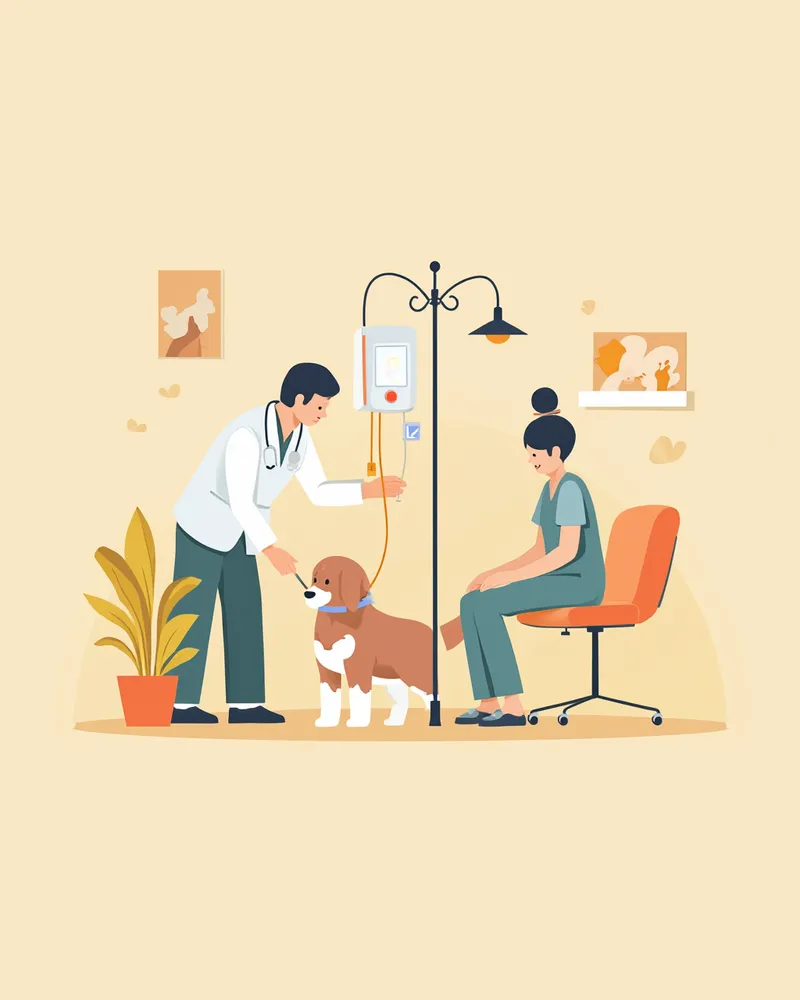
If your pet’s gums have turned pale, their urine is dark brown or reddish, or they are panting heavily, anemia has likely progressed significantly. If you know they have ingested onions or garlic, seek veterinary care immediately, regardless of how much time has passed. In the early stages after ingestion, a veterinarian can induce vomiting or administer activated charcoal to reduce the absorption of the toxins. Do not attempt to induce vomiting at home with salt water or other methods, as this can be dangerous; always follow your veterinarian’s guidance.
Diagnosis at the Veterinary Clinic
How is Treatment Conducted?
Foods That Hide Onions and Garlic

Prevention and Management Tips at Home
Cats and Certain Breeds Are at Higher Risk
Cats are far more susceptible to Allium plant toxicity than dogs. Because feline hemoglobin is about two to three times more sensitive to oxidative damage than that of other animals, even tiny amounts can trigger Heinz body formation and severe anemia, so please exercise extra caution. Among dogs, certain purebreds such as the Japanese Akita have been reported to be more vulnerable to Allium toxicity. If you own one of these breeds, be especially careful with foods containing Allium plants, and consult your veterinarian immediately if your dog ingests even a small amount.
Reviewed by a veterinarian

Dr. Tony — Punnawat Phongkittirak
VeterinarianA veterinarian who majored in veterinary medicine at Khon Kaen University, Thailand, and completed the IVSA program at North Carolina State University in the United States. Drawing on clinical experience at animal hospitals, he works in the pet healthcare field and is dedicated to building a digital care environment that connects pet parents with veterinarians.
Reviewed 2026-04-18
Frequently Asked Questions
Is it dangerous even if my pet only ate a small amount of onion?
Are cooked onions or garlic safe?
I’ve heard that garlic helps prevent parasites. Is that true?
It’s been a day since my pet ate onion, and they seem fine. Can I skip the vet visit?
Is it safe to induce vomiting at home?
Share
Related Guides
Primary vs. Secondary Veterinary Hospitals: A Comparison

5 Easy-to-Raise Cat Breeds for First-Time Owners — Grooming Difficulty Comparison
Top 7 Short-Legged Dog Breeds
Sudden Blood Pressure Abnormalities in Cats — Symptoms and Treatment of Feline Pheochromocytoma (Chromaffin Cell Tumor)

Is Your Cat’s Weight Gain a Path to Diabetes? — Causes and Management of Obesity and Insulin Resistance
When Your Cat Keeps Stumbling — Suspected Insulinoma Symptoms and When to Visit the Vet
If Your Cat Keeps Having Seizures — Warning Signs of Hypoparathyroidism and Hypocalcemia
If Your Cat Is Eating a Lot but Losing Weight — Causes and Treatment Timing for Hyperthyroidism
Cats with Decreased Appetite but Weight Loss — Causes and Treatment Timing for Hyperthyroidism
Cat Drinking Water and Urinating Frequently — Causes and Management of Hyperglycemia
References
[1] Lee KW, Yamato O, Tajima M, et al., Hematologic changes associated with the appearance of eccentrocytes after intragastric administration of garlic extract to dogs, American Journal of Veterinary Research, 2000
[2] Cope RB, Allium species poisoning in dogs and cats, Veterinary Medicine, 2005
[3] Yamato O, Maede Y, Susceptibility to onion-induced hemolysis in dogs with hereditary high erythrocyte reduced glutathione and potassium concentrations, American Journal of Veterinary Research, 1992
[4] Blackwell's Five-Minute Veterinary Consult Clinical Companion, Small Animal Toxicology, 3rd Edition
[5] Clinical Medicine of the Dog and Cat, 4th Edition
[6] Plumb's Veterinary Drug Handbook, 10th Edition