Like
Share
멍실장
고양이 호르몬 반응성 종양(프로게스테론) 증상과 원인, 진단·치료와 관리 포인트 총정리

My Cat’s Mammary Glands Are Swollen — Causes, Diagnosis, and Treatment Points for Hormone-Responsive Tumors

Oncology/CancerDiseasesMeongsiljang Veterinary Advisory Board

Feline hormone-responsive tumors (progesterone) are malignant growths stimulated by sex hormones, primarily arising in the ovaries or uterus and causing infertility, bleeding, and abdominal distension. Early diagnosis and hormonal management are essential.

What Are Feline Hormone-Responsive Tumors (Progesterone)?
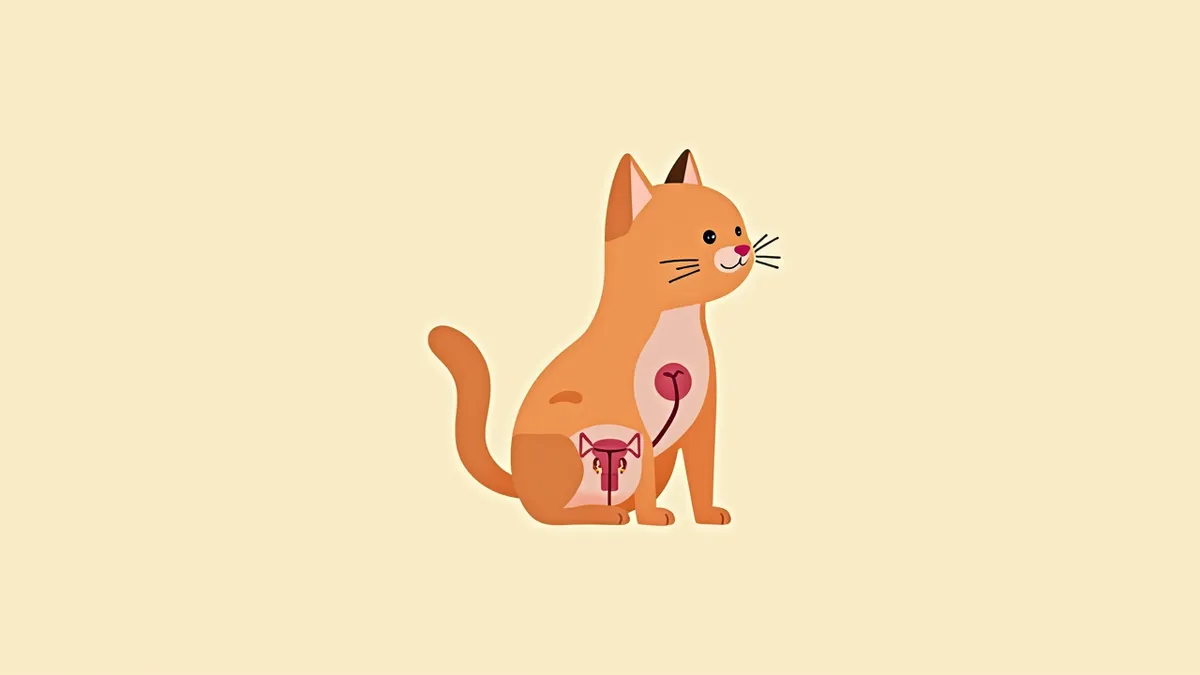
An anatomical illustration showing the structure of a cat's ovaries and uterus
In cats, the hallmark lesion triggered by progesterone (corpus luteum hormone) is mammary fibroadenomatous hyperplasia, which is typically benign. Endogenous or exogenous progestin stimulation causes the epithelial and stromal cells of the mammary glands to proliferate, leading to marked swelling of one or multiple mammary glands. - Excessive progesterone stimulation: This condition commonly occurs in intact females undergoing repeated estrus cycles, pregnant cats, or those treated with progesterone (progestin) medications. - Proliferation mechanism: Stimulation by progesterone or progestins induces proliferation of the epithelial and stromal cells within the mammary tissue, causing the lesions to gradually enlarge. - Clinical course: The condition generally follows a benign course, but significant mammary swelling can cause discomfort, necessitating management to remove the source of hormonal stimulation. Additionally, although rare, uterine adenocarcinoma can develop, so separate evaluation is recommended. Early detection and appropriate management are key to recovery.

Primary Causes and Pathogenesis

The primary cause of progesterone-responsive mammary lesions in cats is prolonged exposure to progesterone (the corpus luteum hormone). - Repeated Estrus Cycles: This condition commonly occurs in intact females undergoing repeated estrus cycles or in pregnant cats due to an excessive response to natural progesterone. It is particularly prevalent in young females (under 2 years of age). - Use of Progesterone Preparations: Administration of synthetic progestin preparations can induce mammary tissue hyperplasia. - Persistent Hormonal Stimulation: Continued endogenous or exogenous progestin stimulation leads to active proliferation of epithelial and stromal cells, causing lesions to enlarge more easily. - Rare Occurrence Patterns: Although rare, cases have been reported in spayed or neutered cats of both sexes; therefore, it is important to review the animal’s history of hormonal exposure. Early management is crucial.
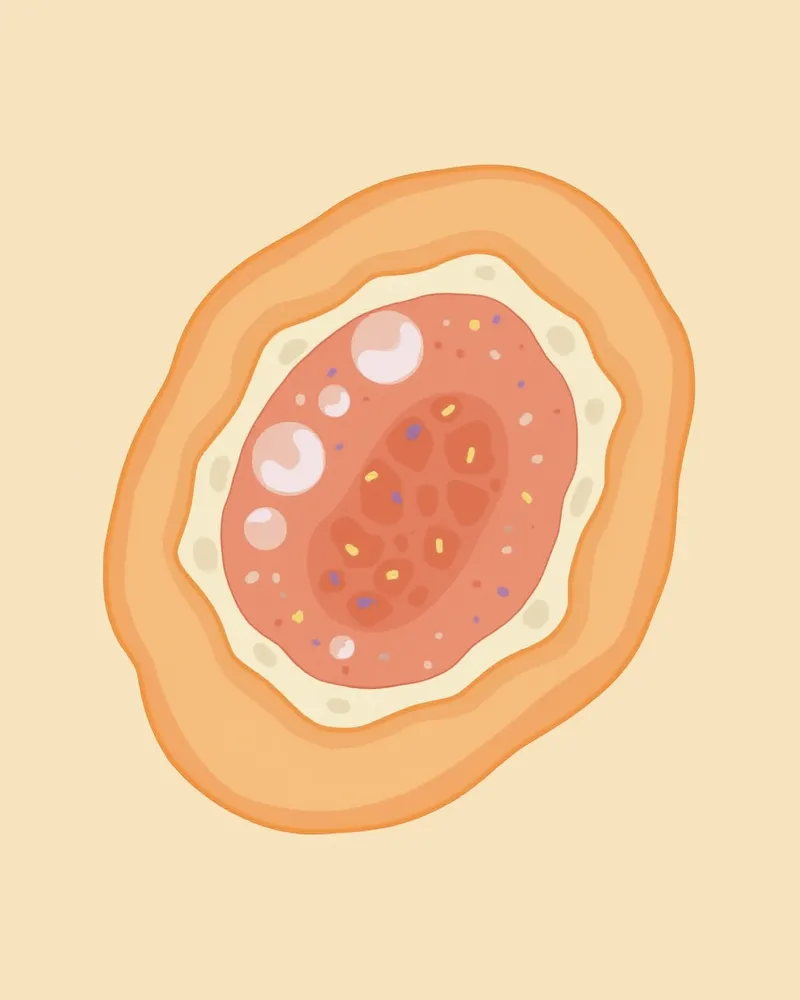
Microscopic image of abnormal feline ovarian tissue

Key Symptoms and Signs

The most noticeable sign of progesterone-responsive mammary hyperplasia is the significant swelling of one or multiple mammary glands. - Mammary enlargement: As mammary tissue proliferates, one or several glands may become distinctly, and sometimes markedly, enlarged. This is especially important to monitor in intact females or those with a history of pregnancy or progestin administration. - Local symptoms: The swollen areas may feel uncomfortable or show sensitivity when touched. - General condition assessment: Changes in appetite or activity levels may accompany the condition, so it’s important to evaluate the pet’s overall well-being. - Potential concurrent uterine disease: If uterine disease is present, symptoms such as vaginal discharge or loss of appetite may occur. Early veterinary evaluation is crucial if any abnormalities are observed.
A cat with a distended abdomen

Symptoms Requiring Immediate Veterinary Care

If your cat’s mammary glands suddenly swell significantly, feel hot and painful to the touch, or if you notice persistent vaginal bleeding or discharge, or if your cat has completely lost its appetite, immediate veterinary care is essential. These symptoms may indicate a concurrent uterine condition or a decline in overall health, requiring prompt diagnosis and treatment.

Diagnostic Methods
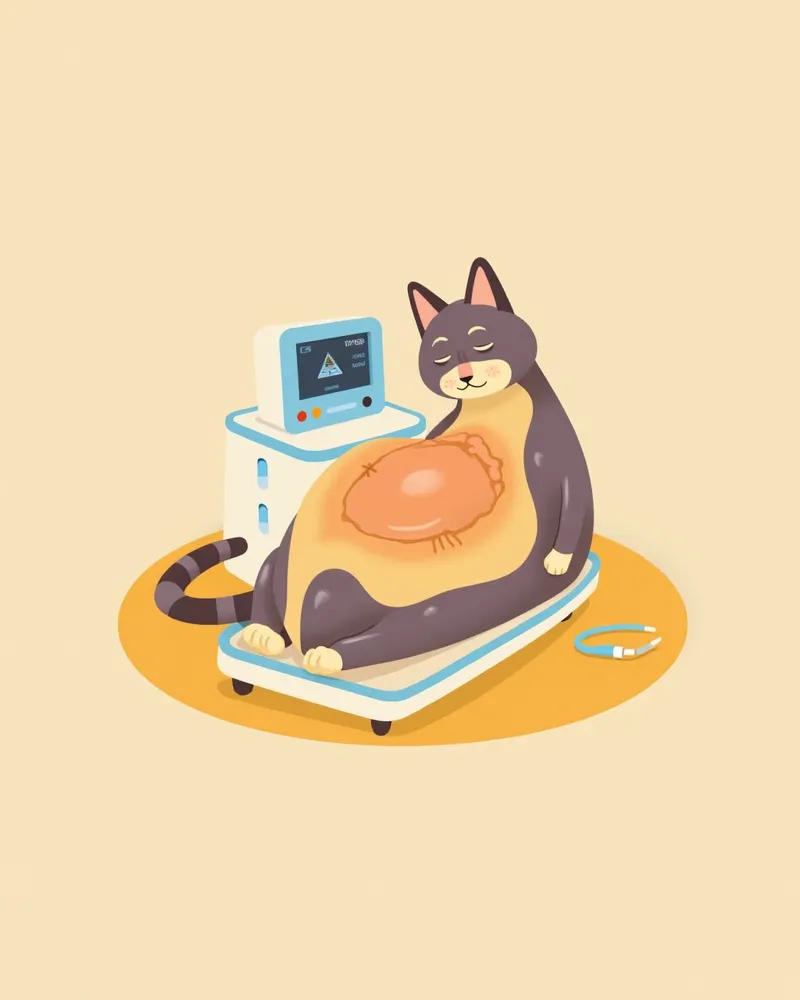
Diagnosing progesterone-responsive tumors and hyperplasia in cats requires a comprehensive approach, integrating multiple diagnostic tests. - Physical and Imaging Exams: We palpate swollen mammary glands and use imaging techniques, such as ultrasound, to assess the size and structural changes of lesions in the uterus, ovaries, or abdominal cavity. - Blood Tests: These help evaluate the cat’s overall health status and check for signs of inflammation. - Histopathology: A definitive diagnosis is made through histopathological examination. Mammary hyperplasia typically shows benign fibroadenomatous hyperplasia, while tumors such as uterine adenocarcinoma are confirmed via tissue biopsy. - Hormone Receptor Assessment: When necessary, we also evaluate progesterone receptor expression in the lesions. An accurate diagnosis is the foundation for developing an effective treatment plan.
Scene of an abdominal ultrasound examination in a cat

Treatment Methods and Step-by-Step Approach
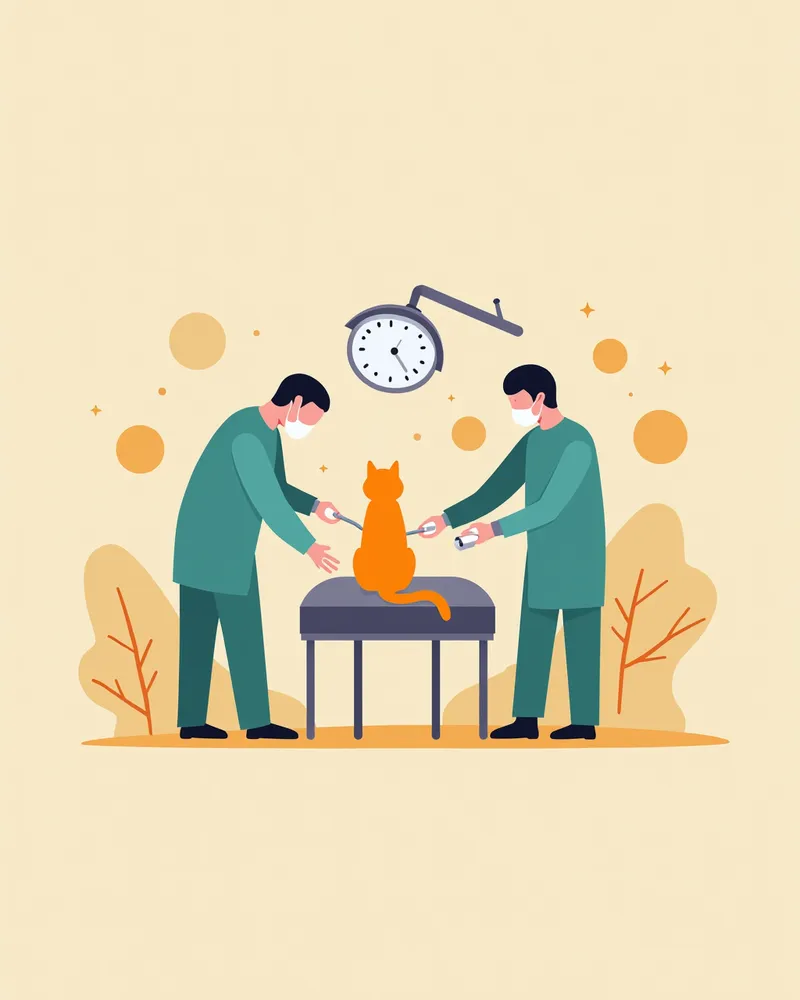
Treatment is determined by the type and size of the lesions, whether they are benign or malignant, and the cat’s overall health status. - Surgical treatment: Ovariohysterectomy to remove the source of progesterone is the standard approach, and surgical excision is considered for tumor-like lesions. - Hormonal (medical) treatment: Aglepristone, a progesterone receptor antagonist, may be used, and dopamine agonists (cabergoline, bromocriptine) that lower prolactin levels are sometimes used in combination. In some cases, multiple administrations may be necessary. - Regular monitoring: Lesions and systemic condition are continuously checked even after treatment. - Recurrence prevention strategy: Regular check-ups are essential because recurrence can occur if hormonal stimulation persists. Early intervention significantly improves prognosis.
A scene of a cat undergoing a spay surgery

Home Care and Follow-Up Management

After surgery, cats need plenty of rest and proper pain management to recover well. - Diet management: Offer small, frequent meals to reduce the burden on the digestive system. - Activity restriction: Limit normal activities and minimize exposure to external stimuli. - Infection prevention: Keep the incision site clean and closely monitor for signs of infection, such as fever, swelling, or discharge. - Regular veterinary check-ups: Schedule follow-up examinations at regular intervals, such as 1–2 weeks, 1 month, and 3 months post-surgery. - Medication compliance: Administer all medications exactly as prescribed by your veterinarian to prevent recurrence.
A cat recovering after surgery

Breed-Specific Precautions and Recurrence Prevention

Young female cats that are not spayed and go through repeated heat cycles, pregnant cats, or cats that have been given progesterone (progestin) medications are more prone to developing progesterone-responsive mammary gland hyperplasia. Additionally, since there is a risk of recurrence if hormonal stimulation persists even after surgery, regular check-ups are essential.

Reviewed by a veterinarian

Dr. Tony — Punnawat Phongkittirak

Dr. Tony — Punnawat Phongkittirak

Veterinarian

A veterinarian who majored in veterinary medicine at Khon Kaen University, Thailand, and completed the IVSA program at North Carolina State University in the United States. Drawing on clinical experience at animal hospitals, he works in the pet healthcare field and is dedicated to building a digital care environment that connects pet parents with veterinarians.

Frequently Asked Questions

Can hormone-responsive tumors in cats be treated?
Most of these lesions are benign and can be effectively managed through spaying (ovariohysterectomy) to remove the source of hormones or through hormonal treatments such as progesterone antagonists. Tumors like uterine adenocarcinoma are diagnosed and treated via surgical excision and histopathological examination, with regular post-treatment check-ups being essential.
Can the use of progesterone preparations cause tumors to develop?
Yes, prolonged stimulation of progesterone, including synthetic progestins, can increase the risk of mammary tissue proliferation. Caution is necessary when using these substances.
Can my cat get sick again after surgery?
There is a possibility of recurrence. Since hormonal triggers may still be present, it's best to detect any issues early through regular check-ups and monitoring.
Can a cat have a tumor without showing any symptoms?
Yes, in the early stages, there may be few noticeable symptoms. It’s important to monitor for any changes in the mammary glands and to have regular check-ups.
What are the ways to prevent it?
Spaying (ovariohysterectomy), which removes the source of progesterone, along with the careful use of progestin medications, can be helpful. Regular health check-ups are also important.

Share

Related Guides

References

[1] Wang P, Sorenson J, Strickland S, et al. Mucopolysaccharidosis VII in a cat caused by 2 adjacent missense mutations in the GUSB gene. J Vet Intern Med. 2015;29:1022–1028.

[2] Fontaine C. Long-term contraception in a small implant: a review of Suprelorin (deslorelin) studies in cats. J Feline Med Surg. 2015;17(9):766-771.

[3] Prochowska S, Niżański W. Infertility in toms: Clinical aspects. J Feline Med Surg. 2022;24(3):212-220.

This information is based on veterinary literature and does not replace diagnosis or treatment. Please consult a veterinarian for specific health concerns.

Metapet Co., Ltd. | CEO: Park Sung-yong | Business Reg. No. 417-88-02562 | Seoul, South Korea | Customer Center

My Cat's Mammary Glands Are Swollen: Hormone-Responsive Tumors | Meongsiljang