
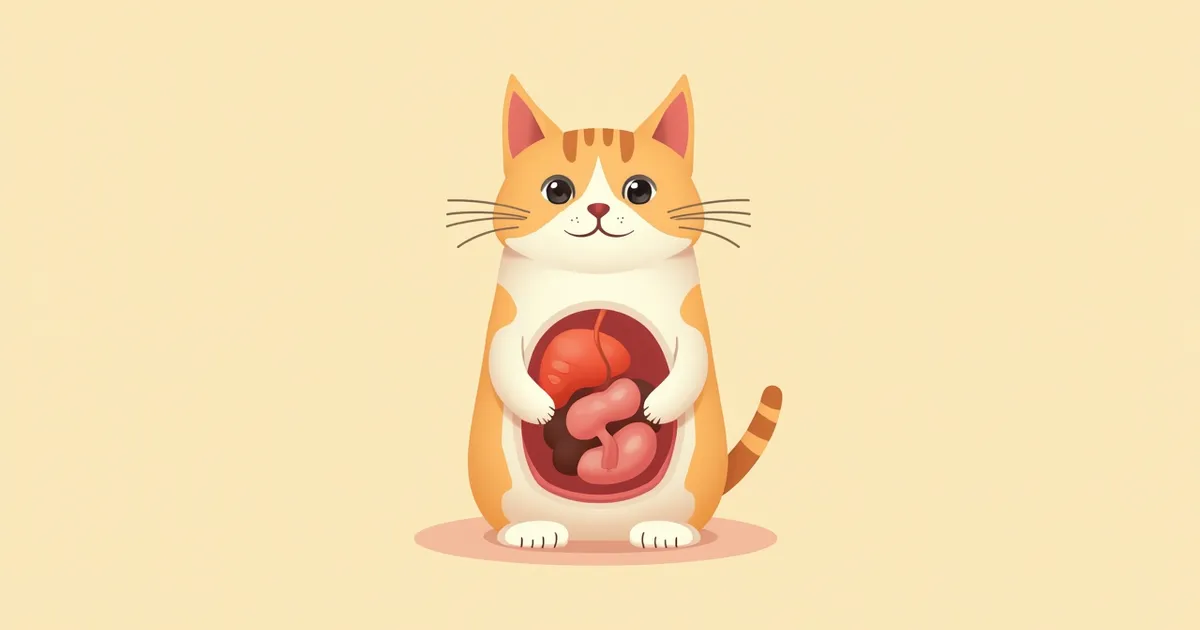
Cat Diaphragmatic Hernia: Symptoms, Causes, Diagnosis, Treatment, and Care Essentials
A diaphragmatic hernia in cats occurs when abdominal organs shift into the chest cavity due to damage to the diaphragm, potentially causing breathing difficulties and gastrointestinal symptoms. Early diagnosis and appropriate treatment are essential.
What is a Diaphragmatic Hernia in Cats?
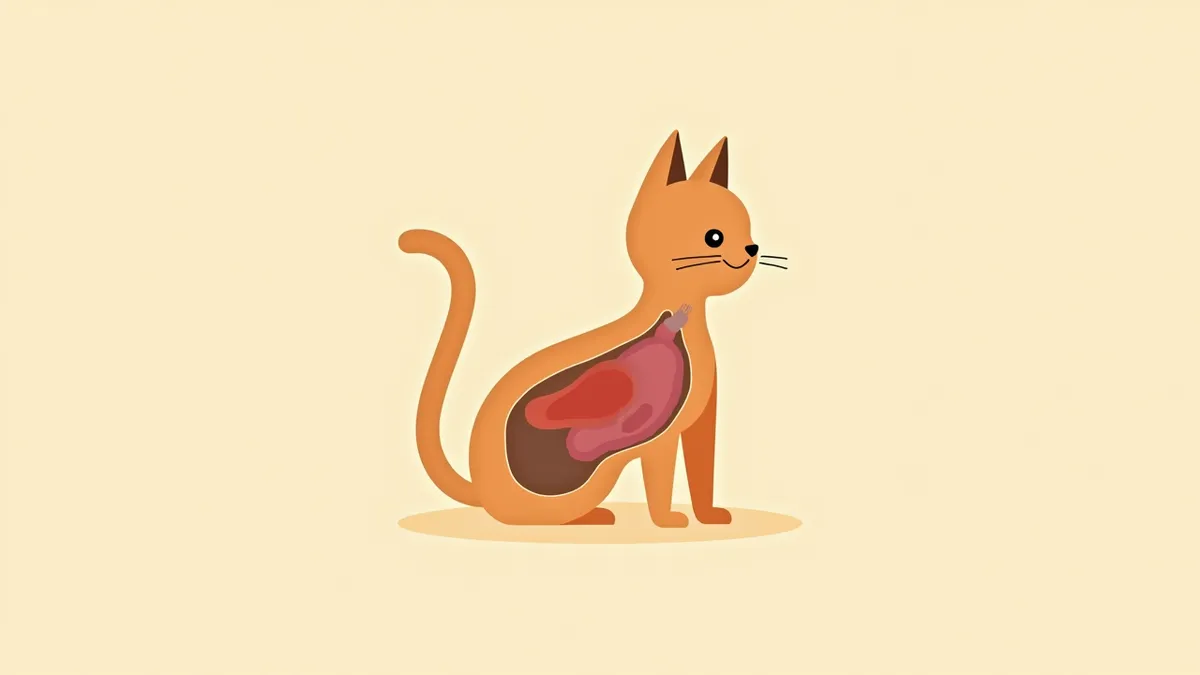
What are the Main Causes of Diaphragmatic Hernia?

Check for Key Symptoms and Signs

Emergency Signs Requiring Immediate Veterinary Visit
If your cat suddenly starts breathing rapidly or if its gums, tongue, or the area around its mouth turns bluish, take it to the vet immediately. This indicates severe oxygen deprivation and can be life-threatening. After an injury, symptoms such as pulmonary contusion or arrhythmia may not appear for several hours to 24–48 hours later, so even if your cat seems fine after an accident, do not let your guard down—seek a veterinary examination. Sudden, severe difficulty breathing is an emergency. Delaying treatment can increase the risk.
Diagnostic Methods for Accurate Diagnosis
Treatment: Surgery is Key

Home Care and Recovery Points

Prevention of Recurrence and Breed-Specific Precautions
Since acquired (traumatic) diaphragmatic hernias are the most common, preventing trauma is paramount. It’s especially important to provide a safe environment for cats who are at higher risk of falls or injuries, such as those with access to elevated surfaces where they could fall. After surgery, closely monitor your cat’s recovery and breathing, and contact your veterinarian immediately if you notice any abnormalities. Congenital diaphragmatic hernias result from abnormal development during gestation but are relatively rare. There is limited evidence linking specific breeds to a genetic predisposition, so definitive conclusions are difficult to draw. Ultimately, the key to prevention is avoiding trauma.
Reviewed by a veterinarian

Dr. Tony — Punnawat Phongkittirak
VeterinarianA veterinarian who majored in veterinary medicine at Khon Kaen University, Thailand, and completed the IVSA program at North Carolina State University in the United States. Drawing on clinical experience at animal hospitals, he works in the pet healthcare field and is dedicated to building a digital care environment that connects pet parents with veterinarians.
Reviewed 2026-06-29
Frequently Asked Questions
Is diaphragmatic hernia a common condition in cats?
How long is the recovery period after surgery?
Can a diaphragmatic hernia heal on its own?
What are the possible complications after surgery?
How is a congenital diaphragmatic hernia detected?
Comparison of Step-by-Step Management for Diaphragmatic Hernia Treatment
| Item | Main symptoms | Treatment method | Prognosis |
|---|---|---|---|
| Mild | Slight difficulty breathing | Surgical treatment | Fair |
| Moderate | Persistent difficulty breathing, decreased appetite | Surgical treatment | Fair |
| Severe | Hypoxia, blue mouth | Emergency surgery + oxygen therapy | Uncertain |
The success rate of treatment is closely related to early diagnosis and the timing of surgery.
Share
Related Guides

Top Recommended Feline Bronchodilators and Selection Criteria: A Complete Guide

Best Recommendations and Selection Criteria for Monitoring Your Cat’s Respiratory Rate (RR) During Sleep for Heart Care

Best Recommendations and Selection Criteria for Monitoring Your Dog’s Respiratory Rate (RR) During Sleep for Heart Care

Comprehensive Guide to Cat Flea Infestation: Symptoms, Causes, Diagnosis, Treatment, and Management
Cat Fecal Parasite Testing: Methods, Symptoms, Causes, Diagnosis, Treatment, and Management Essentials

Complete Guide to Symptoms, Causes, Diagnosis, Treatment, and Management of Flea Elimination in Indoor Cat Environments

Comprehensive Guide to Dog Tooth Brushing Training: Symptoms, Causes, Diagnosis, Treatment, and Management

Dog Temporomandibular Joint Dislocation: Symptoms, Causes, Diagnosis, Treatment, and Care Essentials

Dog Tooth Extraction Aftercare: Symptoms, Causes, Diagnosis, Treatment, and Care Points Summary

Retained Deciduous Teeth in Puppies: Symptoms, Causes, Diagnosis, Treatment, and Care Essentials
References
[1] Fossum, T.W. (2020). Small Animal Surgery, 5th ed. Elsevier.
[2] Hosgood, G. (2019). Veterinary Surgery: Small Animal, 2nd ed. Wiley-Blackwell.