Like
Share
멍실장
고양이 심부전 응급 처치 증상과 원인, 진단·치료와 관리 포인트 총정리

If Your Cat Suddenly Has Difficulty Breathing — Emergency Care for Heart Failure and When to Go to the Vet

HeartDiseasesMeongsiljang Veterinary Advisory Board

Early detection is key to saving a cat’s life when it comes to congestive heart failure. We’ve summarized the emergency symptoms, causes, diagnostic methods, treatment options, and care tips in one easy-to-read guide.

Feline Heart Failure Is a Life-Threatening Condition Caused by Declining Heart Function
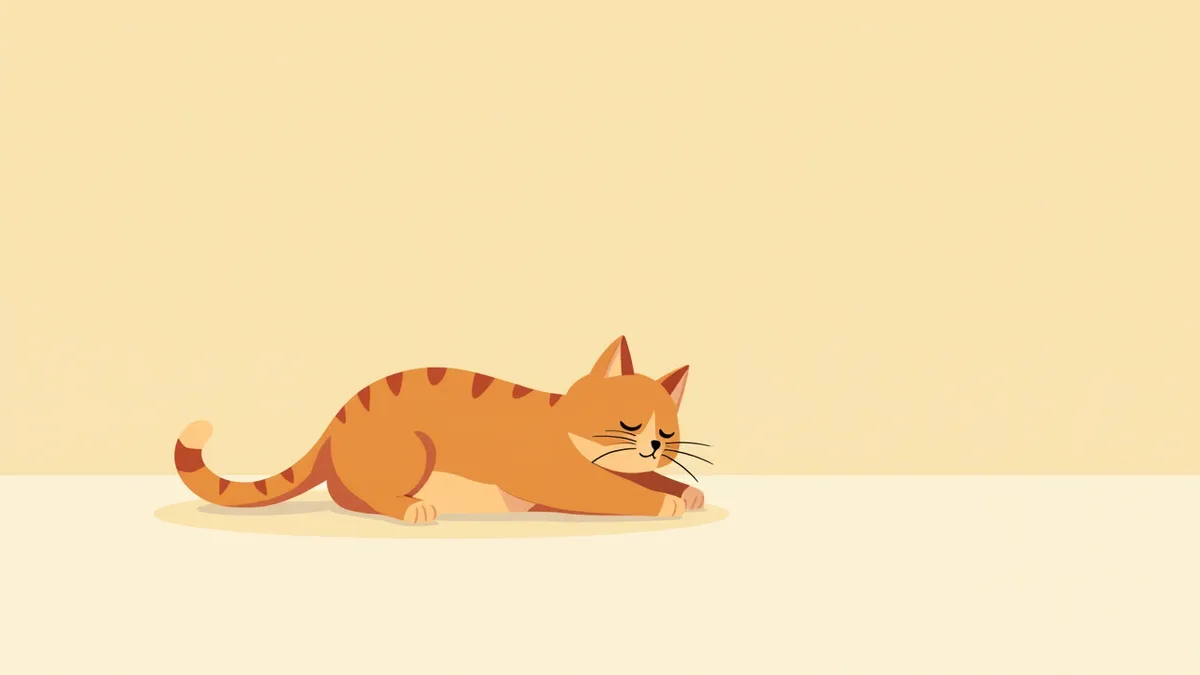
A cat sitting hunched over with labored breathing, panting heavily.
Feline heart failure occurs when the heart cannot pump blood effectively, causing fluid to accumulate in the lungs, chest cavity, or abdomen, which can lead to severe breathing difficulties or shock. Because this is a life-threatening emergency, immediate action is essential. The risk is particularly high in senior cats and in breeds genetically predisposed to hypertrophic cardiomyopathy (HCM), such as Maine Coons and Ragdolls. Cardiomyopathy, a disease of the heart muscle itself, is the most common cause, while systemic conditions like hypertension or hyperthyroidism can also strain the heart and contribute to the condition. Since most feline cardiomyopathies progress to diastolic heart failure, early detection and appropriate management are critical to treatment success, requiring careful attention from pet owners.

The Main Causes of Heart Failure Are Structural Abnormalities of the Heart and Chronic Diseases
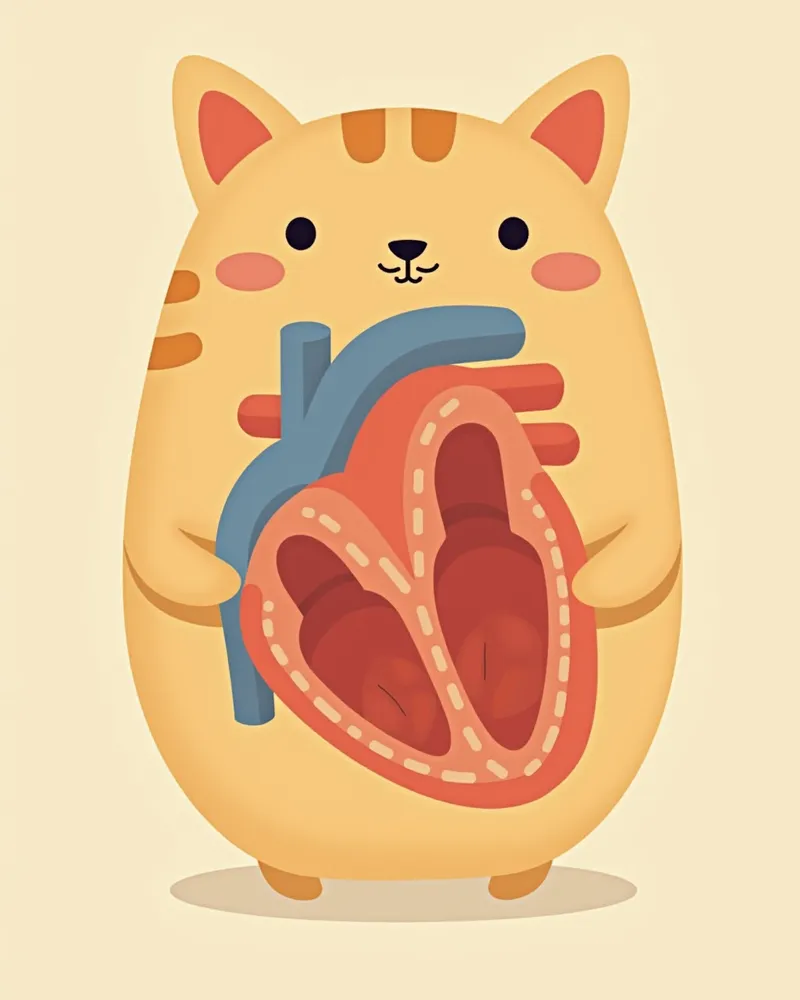
- Cardiomyopathy (heart muscle disease): This condition involves structural or functional abnormalities in the heart muscle, with hypertrophic and restrictive cardiomyopathies being the most common causes of heart failure in cats. - Hypertension: Prolonged high blood pressure places excessive strain on the heart, leading to myocardial hypertrophy and potentially triggering heart failure. - Hyperthyroidism: Excess thyroid hormones increase the workload on the heart, which can worsen cardiomyopathy and heart failure. - Other systemic diseases: Certain systemic conditions, such as acromegaly, can also cause changes in the heart muscle and negatively impact cardiac function. Over time, these underlying causes gradually damage the heart’s structure and function, most often progressing to diastolic heart failure. Therefore, early diagnosis and management of the underlying cause are key to effective treatment.
An anatomical illustration of a cat’s heart with weakened cardiac muscle, showing left ventricular dilation and valvular regurgitation.

The Main Symptoms of Heart Failure Are Difficulty Breathing and Reduced Activity
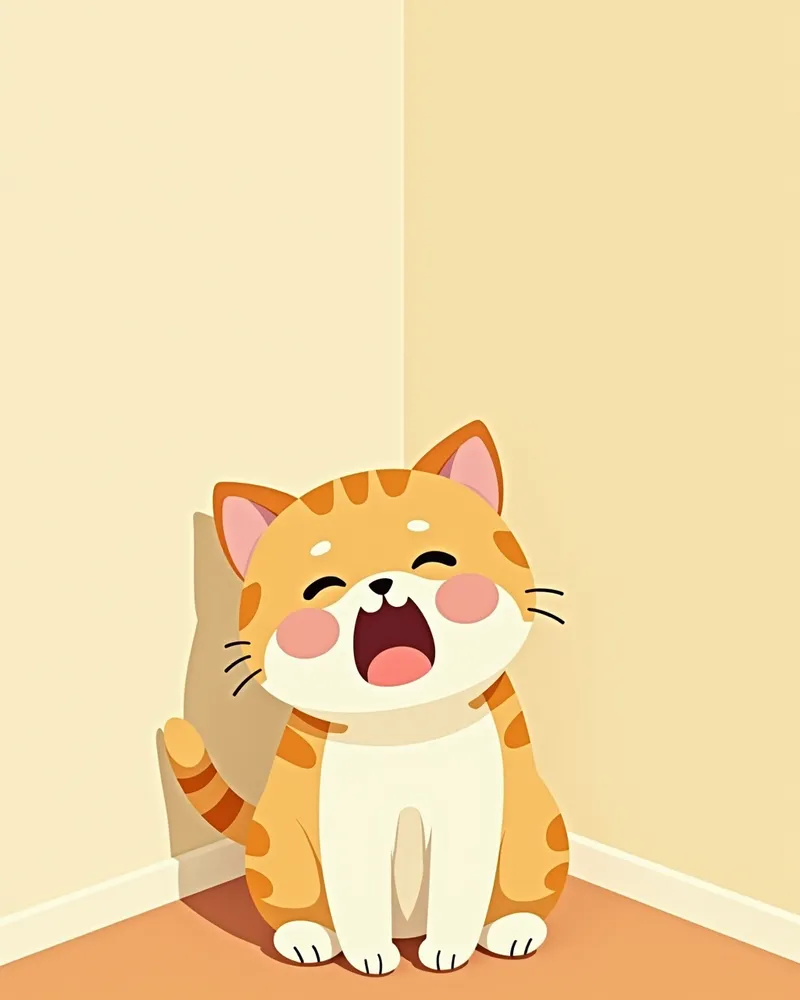
- Difficulty breathing: Your pet may pant with an open mouth or breathe more frequently than usual. - Reduced activity: They may struggle to run around, rest more often, or show little interest in moving. - Changes in posture: Sitting or lying down may become difficult, and they might adopt a posture with their chest extended to breathe more easily. - Decreased appetite: The frequency or amount of food eaten may drop significantly. - Increased fatigue: They may tire more easily than usual and lose interest in play. Ignoring these symptoms can lead to serious complications, so it’s essential to visit the vet immediately.
A cat panting with difficulty, sitting in a corner with its mouth open as it struggles to breathe.

Emergency Symptoms Requiring Immediate Veterinary Care

If your cat suddenly starts breathing rapidly, panting with its mouth open, or if its lips or paw pads turn blue, seek veterinary care immediately. These signs indicate that heart failure has worsened and can be life-threatening. Delaying treatment reduces the chances of successful intervention.

Diagnosis Is Accurately Confirmed Through Echocardiography and Thoracic Radiography
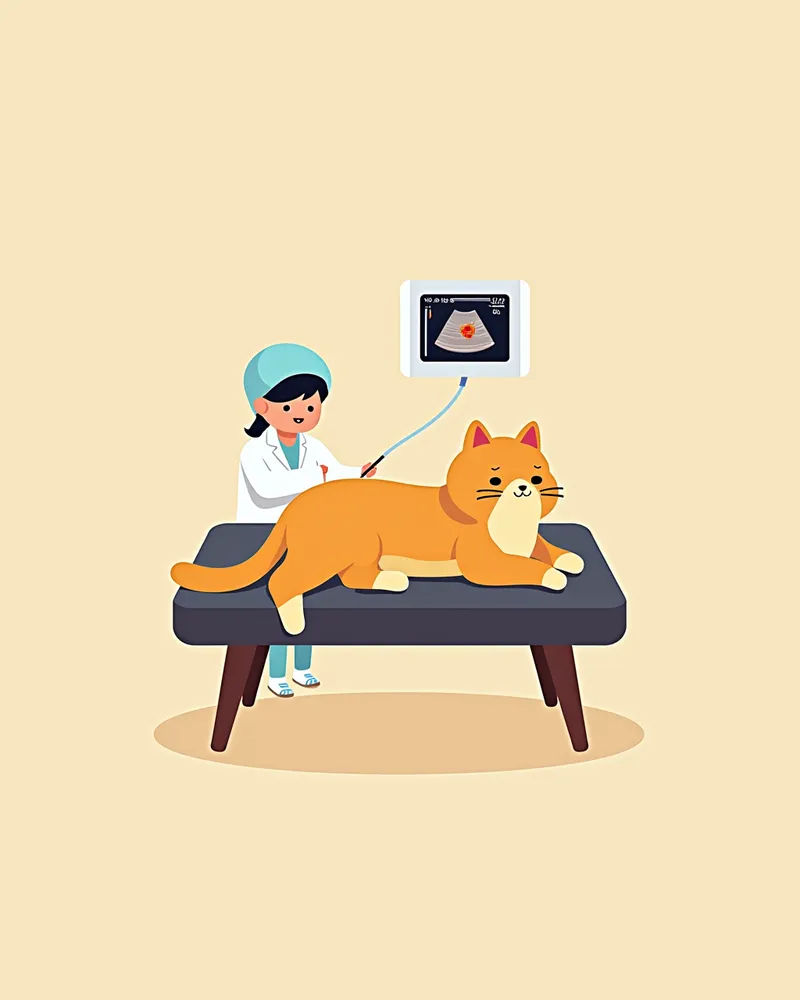
- Echocardiography (Cardiac Ultrasound): Precisely analyzes the heart’s structure, size, and motion to assess any decline in function. - Thoracic Radiography (Chest X-ray): Used to check for fluid accumulation in the lungs and enlargement of the heart. - Electrocardiogram (ECG/EKG): Evaluates heart rhythm to detect arrhythmias or other irregularities. - Blood Tests: Assesses kidney function, liver function, and hormone levels to help identify underlying causes. - Combined Use of Ultrasound and Imaging: Multiple diagnostic tests are often used together for an accurate diagnosis. All this information forms the foundation for developing a treatment plan, and early detection is key to successful outcomes.
A cat undergoing an ultrasound examination, with the heart image visible on the ultrasound screen.

Treatment Is Progressively Managed With Medication and Lifestyle Adjustments

- Diuretics (Furosemide): These are the cornerstone of treatment, removing excess fluid from the body to alleviate pulmonary edema and pleural effusion. - ACE Inhibitors: These help reduce the burden on the heart and decrease congestion. - Thrombosis Preventatives: Medications such as clopidogrel are used to prevent arterial thromboembolism, a common condition in cats. - Heart Rate and Arrhythmia Regulators: Depending on the case, beta-blockers or calcium channel blockers are used to manage heart rate and arrhythmias. - Salt-Restricted Diet and Exercise Management: Excessive salt intake and activity can increase cardiac strain, so adjustments should be made under veterinary guidance. - Regular Veterinary Visits: Ongoing monitoring is essential to track medication response, symptom changes, and kidney function values.
A veterinarian showing the prescribed medication and special diet for a cat.

Home Care Centers on Consistent Medication Administration and Symptom Monitoring

- Consistent medication administration: Skipping doses or administering medication irregularly can cause symptoms to worsen rapidly. - Weight tracking: Weigh your pet once or twice daily to monitor for any weight gain. - Monitoring respiratory status: Closely observe the frequency of labored breathing or panting. - Changes in activity level: Be alert if your pet rests more than usual or shows decreased interest in play. - Monitoring food intake: If the amount or frequency of eating decreases, consider visiting the clinic immediately. - Maintaining records: Keeping a daily log of symptom changes will greatly assist in consultations with your veterinarian.
A hand writing in a cat health journal, with the cat sitting nearby.

Feline Heart Failure Has a High Risk of Recurrence, So Ongoing Management Is Essential

Heart failure is a chronic condition that is difficult to cure completely, so even after symptoms improve, ongoing medication and regular check-ups are essential. If symptoms suddenly worsen, seek veterinary care immediately. Be mindful that the level of risk can vary depending on your pet’s breed.

Reviewed by a veterinarian

Dr. Tony — Punnawat Phongkittirak

Dr. Tony — Punnawat Phongkittirak

Veterinarian

A veterinarian who majored in veterinary medicine at Khon Kaen University, Thailand, and completed the IVSA program at North Carolina State University in the United States. Drawing on clinical experience at animal hospitals, he works in the pet healthcare field and is dedicated to building a digital care environment that connects pet parents with veterinarians.

Frequently Asked Questions

Can feline heart failure be cured?
Heart failure is a chronic condition that is difficult to cure completely. However, with proper treatment and care, symptoms can be stabilized and your pet’s quality of life can be maintained.
What tests are performed if congestive heart failure is suspected?
Echocardiography, chest X-rays, electrocardiography, and blood tests are commonly performed, with echocardiography being the most accurate diagnostic tool for confirming the diagnosis.
What happens if I miss a dose?
Missing a dose can increase the strain on your pet’s heart and worsen symptoms. It’s essential to administer the medication regularly, and if a dose is missed, please consult your veterinarian.
Which cat breeds are more prone to heart failure?
Maine Coons, Ragdolls, and similar breeds are genetically predisposed to hypertrophic cardiomyopathy (HCM), making them more susceptible to heart disease. The risk increases with age.
Why is dietary management important?
A low-sodium diet can help reduce the strain on your pet’s heart and prevent fluid buildup. We recommend using a special prescription diet formulated by veterinarians.

Comparison of Symptoms and Management Strategies by Stage of Heart Failure

ItemMain SymptomsMain Response
MildSlight difficulty breathing, decreased activityRegular checkups, dietary control, starting medication
ModerateFrequent panting, frequent resting, fluid accumulation in the lungsCombined diuretics and ACE inhibitors, increased veterinary visit frequency
SevereMouth turning blue or bluish, shock stateEmergency hospital visit, oxygen supply, intravenous therapy

Heart failure progresses in stages, so early detection increases the treatment success rate.

Share

Related Guides

References

[1] Handbook of Veterinary Pharmacology, 2023, Chapter 307: Drugs Used in Heart Failure Therapy

[2] Textbook of Cardiovascular Medicine in Dogs and Cats, 2022, Section 7.19: Management of Congestive Heart Failure

[3] Notes on Canine and Feline Internal Medicine, 4th Edition, 2021, Chapter 751: Diuretics and ACE Inhibitors in CHF

This information is based on veterinary literature and does not replace diagnosis or treatment. Please consult a veterinarian for specific health concerns.

Metapet Co., Ltd. | CEO: Park Sung-yong | Business Reg. No. 417-88-02562 | Seoul, South Korea | Customer Center

Sudden Breathing Trouble in Cats: Heart Failure Emergency Care | Meongsiljang