Like
Share
멍실장
강아지 망막 변성·노화성 망막 변화 증상과 원인, 진단·치료와 관리 포인트 총정리

If Your Senior Dog Keeps Bumping Into Things in the Dark — Causes and Management of Retinal Degeneration

Eye HealthDiseasesMeongsiljang Veterinary Advisory Board

Canine retinal degeneration and age-related retinal changes are conditions that lead to progressive vision loss due to aging or genetic factors. Early detection and proper management are crucial.

What Are Canine Retinal Degeneration and Age-Related Retinal Changes?
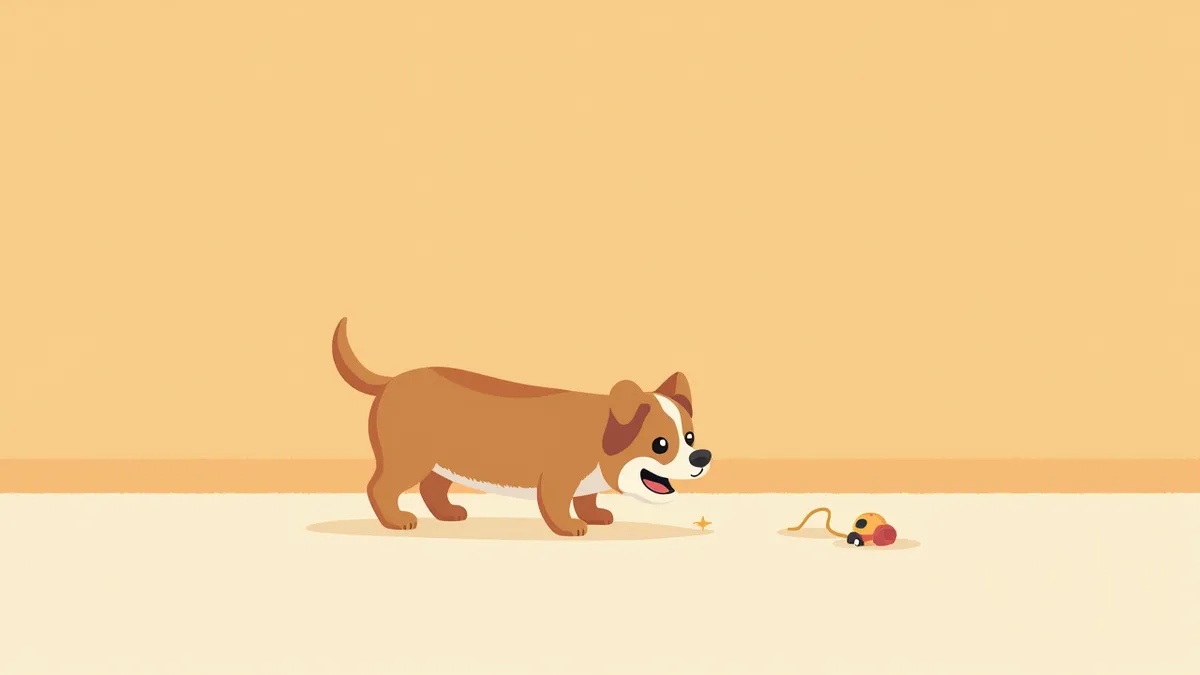
An elderly dog moving cautiously in a dark room
Canine retinal degeneration and age-related retinal changes are conditions in which vision gradually declines as photoreceptors and retinal pigment epithelial cells progressively lose function and die. Textbook descriptions highlight that hereditary (bilateral) retinal diseases, reported in various breeds, account for a significant proportion of cases, with progression becoming more apparent with age. Late-onset forms typically begin showing symptoms around 3 to 5 years of age, potentially leading to significant vision loss by 6 to 8 years. Early signs often include seemingly dilated pupils (relative mydriasis) or night blindness, where the dog struggles to see in dim light. - Vision loss: Damage to photoreceptors impairs the transmission of visual information. - Genetic factors: High risk of onset has been reported in many purebred dogs. - Progression pattern: The condition affects both eyes simultaneously and worsens over time. Early detection and consistent management are crucial for preserving vision.

What Are the Primary Causes?

The primary cause of retinal degeneration and age-related retinal changes in dogs is genetic predisposition. Veterinary textbooks describe this group of conditions as hereditary, bilateral retinal diseases reported in many purebred dogs, progressing gradually as photoreceptors lose function and die. The onset and progression vary by form, with late-onset types typically showing symptoms around 3 to 5 years of age. - Genetic susceptibility: This is the most important reason why certain breeds have a higher risk of developing the condition. - Progressive course: Retinal cell function gradually declines, affecting both eyes simultaneously. - Impact of concurrent eye diseases: Inflammation such as chorioretinitis or other conditions like retinal detachment can also cause retinal damage and vision loss. However, remember that the central cause of this group of diseases remains biological and genetic predisposition.
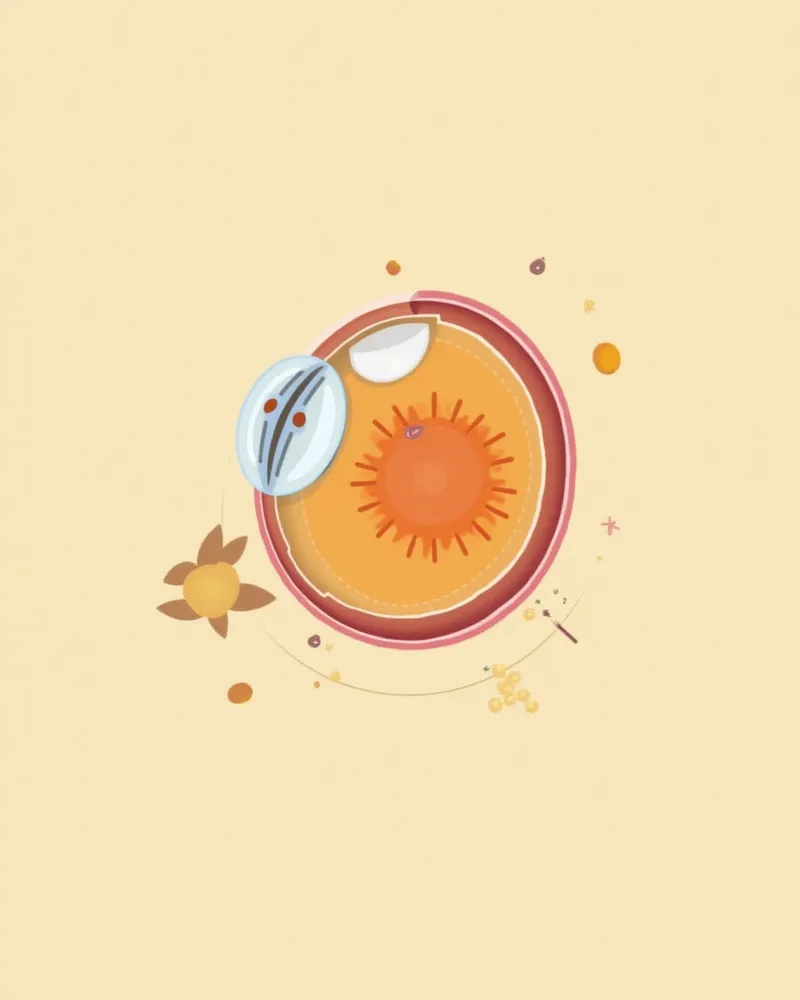
A scientific illustration highlighting retinal cells damaged by aging

What Are the Primary Signs and Symptoms?
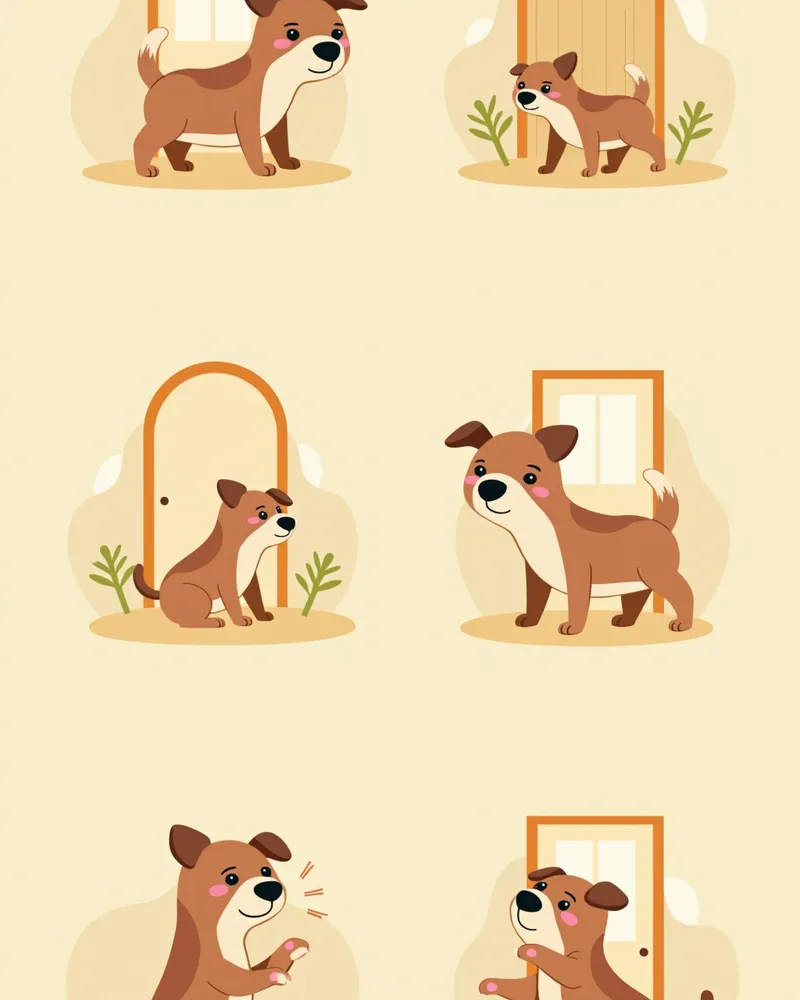
The primary signs of retinal degeneration and age-related retinal changes in dogs are behavioral changes associated with vision loss. - Night blindness: Difficulty seeing in the dark and wandering around are common early symptoms. - Decreased visual awareness: Dogs may look around less, wander even in familiar places, and frequently bump into doors or misstep on stairs. - Pupillary changes: The pupils may appear dilated (relative mydriasis) and react sluggishly to light. - Progressive vision loss: This condition typically progresses gradually in both eyes and can eventually lead to blindness. However, sudden symptoms such as bleeding, redness, or eye rubbing due to pain may indicate other conditions like retinal detachment or inflammation. If you notice any unusual signs, please visit a veterinarian promptly.
Four real-life photos showing behavioral changes caused by vision loss

Signs Requiring Immediate Veterinary Visit

If your pet suddenly experiences a rapid decline in vision, or if you notice bleeding in the eye, red spots, or a sensation of floating blurry objects, it is crucial to visit the vet immediately. These could be signs of retinal detachment or worsening of an underlying condition. Additionally, if your pet frequently rubs or scratches their eyes and has persistent excessive tearing, there may be an accompanying infection or inflammation. Early diagnosis and treatment are critical for preserving vision.

What Are the Accurate Diagnostic Methods?
Canine retinal degeneration and age-related retinal changes are diagnosed through ophthalmic examinations. Direct and indirect ophthalmoscopy allows us to observe the fundus (retina) for structural changes such as increased tapetal reflection, retinal vascular atrophy, and optic disc degeneration. Retinal function (photoreceptor activity) is evaluated using electroretinography (ERG); in cases of advanced retinal degeneration or acute retinal degeneration (SARD), the ERG may appear flat. When necessary, ocular ultrasound or MRI is used to rule out other conditions such as tumors or trauma, while blood tests help identify any systemic diseases. Additionally, breed-specific genetic testing can assess risk in certain breeds, making a visit to a specialized veterinary clinic essential for an accurate diagnosis.
A veterinarian using a retinal scanner to examine a dog’s eyes

Treatment and Step-by-Step Management
Retinal degeneration and age-related retinal changes in dogs are difficult to cure, and unfortunately, even antioxidants cannot halt the progression toward blindness. However, products containing antioxidants are recommended as they may help slow the rate of disease progression. Therefore, the focus of management is not on a cure, but on slowing progression and preserving remaining vision and quality of life. Regular ophthalmic examinations, such as those using an ophthalmoscope and electroretinography (ERG), are essential to monitor changes in condition and to check for secondary complications like cataracts. Since this is a hereditary condition, it is highly beneficial to develop a management plan based on genetic test results and to maintain a consistent indoor environment to ensure safety.
An elderly dog resting comfortably in a calm, stable environment.

Daily Management Points at Home

Managing retinal degeneration and age-related retinal changes in dogs at home is crucial. Keep the arrangement of indoor furniture consistent, and attach reflective strips to stairs and thresholds to ensure safety. Install glow-in-the-dark lights or small lamps at night to assist with navigation. Keep food and water bowls in fixed locations, and store play toys in the same spot. Strengthen communication with your dog using voice and touch. All these measures help maintain their quality of life.
Creating a Safe Indoor Environment for Dogs with Vision Loss

Certain Breeds Require More Attention

Certain breeds, such as Collies, Cocker Spaniels, and Terriers, have a higher risk of retinal diseases due to genetic factors. Textbooks report that Collies are prone to retinal pigment epithelial dysplasia (RPED) and X-linked progressive retinal atrophy (PRA), while American Cocker Spaniels are associated with progressive rod-cone degeneration (PRCD) and retinal dysplasia. Jack Russell Terriers and Yorkshire Terriers are linked to retinal detachment. For these breeds, it is advisable to begin regular ophthalmic examinations around 3 to 5 years of age, when late-onset forms commonly appear. The key to prevention is assessing risk through genetic testing and establishing an appropriate management plan.

Reviewed by a veterinarian

Dr. Tony — Punnawat Phongkittirak

Dr. Tony — Punnawat Phongkittirak

Veterinarian

A veterinarian who majored in veterinary medicine at Khon Kaen University, Thailand, and completed the IVSA program at North Carolina State University in the United States. Drawing on clinical experience at animal hospitals, he works in the pet healthcare field and is dedicated to building a digital care environment that connects pet parents with veterinarians.

Frequently Asked Questions

Can canine retinal degeneration be completely cured?
While a complete cure is currently not possible and antioxidants cannot prevent blindness itself, they can help slow the progression of the condition. Early detection and consistent management are key.
What kind of toys are good for senior dogs with poor vision?
They tend to prefer rubber toys with a strong scent or toys that make noise, as these help them explore their surroundings even if their vision is declining.
If retinal changes occur, how should I feed my pet?
Serve meals in the same spot each time, and use bowls that enhance aroma or make noise when your pet eats—this can help stimulate their appetite.
Can a dog with poor vision still go for walks?
Walks are possible, but it’s best to stick to familiar routes rather than exploring new places, and always keep a firm hold on the leash to ensure safety.
How often should retinal exams be performed?
For pets aged seven and older, we recommend annual eye exams, or every six months if symptoms are present.

Share

Related Guides

References

[1] Ettinger SJ, Feldman EC, Côté E. Textbook of veterinary internal medicine: diseases of the dog and the cat. 8th ed. St. Louis, MO: Elsevier; 2017.

[2] Clinical Atlas of Canine and Feline Ophthalmic Disease, 2nd Ed. Blackwell Publishing; 2007.

[3] Hendrix DVH. Canine conjunctiva and nictitating membrane. In: Gelatt KS, editor. Veterinary ophthalmology. Oxford: Blackwell Publishing; 2007.

This information is based on veterinary literature and does not replace diagnosis or treatment. Please consult a veterinarian for specific health concerns.

Metapet Co., Ltd. | CEO: Park Sung-yong | Business Reg. No. 417-88-02562 | Seoul, South Korea | Customer Center

Senior Dog Bumping Into Things in the Dark? Retinal Degeneration | Meongsiljang