

Canine Demodicosis (Demodex) Skin Infection
Demodicosis in dogs is a condition caused by an overpopulation of mites living within hair follicles, leading to hair loss and skin inflammation. Here’s a comprehensive overview covering the causes, symptoms, treatment, and prevention of recurrence.
What is Canine Demodicosis?

Causes and Pathogenesis
Symptoms to Watch For
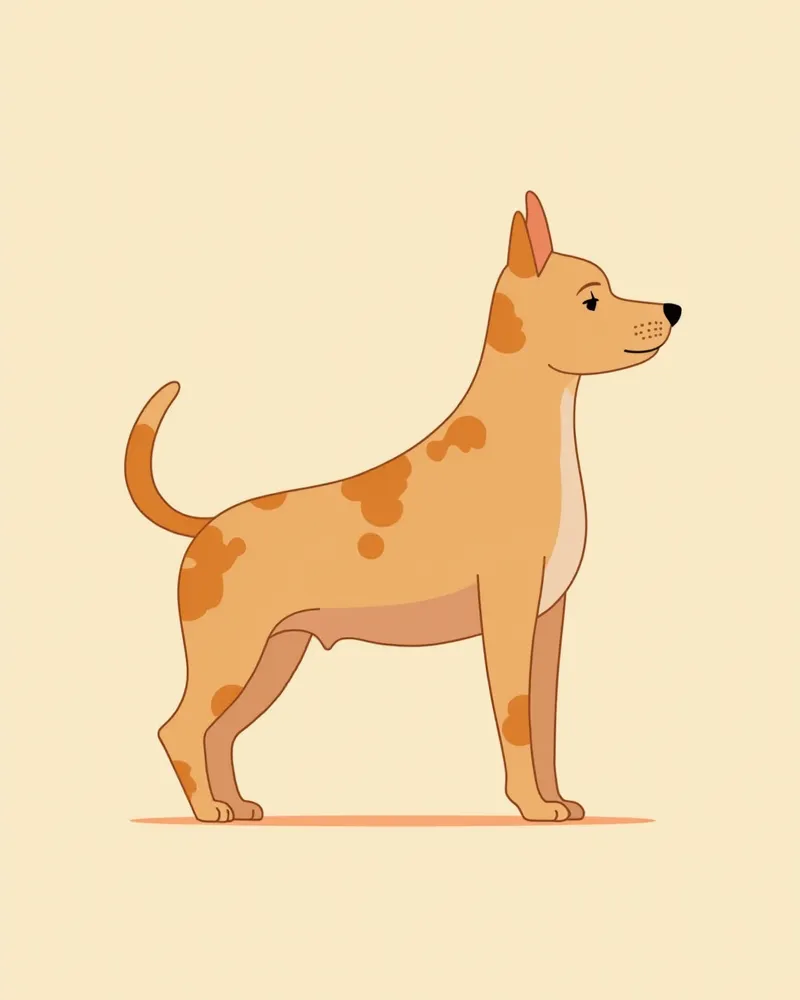
When to Visit the Vet Immediately
If any of the following apply, please visit a veterinary clinic within 24 hours. Left untreated, the condition can progress to a systemic bacterial infection (pyoderma) and even sepsis. • Pus, scabs, or a foul odor develop in the hairless areas • The paw pads are swollen, the dog is limping, and shows signs of pain • The hairless area rapidly expands to cover more than 30% of the body • Loss of appetite, fever, and lethargy are present • Sudden onset in an adult dog — likely indicating an underlying disease
How is it Diagnosed?
Treatment Methods - Medication and Duration
Comparison of Demodex Types
| Item | Localized | Generalized | Adult-onset |
|---|---|---|---|
| Age of onset | 3–18 months | 3–18 months or adult | 4 years or older |
| Extent of hair loss | 5 or fewer sites | 6 or more sites or generalized | Variable |
| Spontaneous resolution | True | False | False |
| Underlying disease workup | Not needed | Recommended | Essential |
| Average treatment duration | 6–8 weeks | 3–6 months | Depends on underlying disease |
Based on the veterinary dermatology textbook (Muller and Kirk's, 8th edition)
Home Care Instructions

Breeds Requiring Special Attention
Demodicosis is a condition with a strong genetic predisposition. For the following breeds, it is important to carefully monitor skin health from an early age. • Shar-Pei, Pug, Bulldog, Boston Terrier – Vulnerable due to skin folds and immune characteristics • Doberman, Boxer, Great Dane – Numerous reports of generalized onset in large short-haired breeds • West Highland White Terrier, Scottish Terrier – Weak skin barrier • Collie, Shetland Sheepdog – May carry the drug susceptibility gene (MDR1 mutation) – Genetic testing is recommended before administering ivermectin-based medications Dogs that have suffered from generalized demodicosis are advised to undergo neutering, as the condition can be passed on to offspring.
Reviewed by a veterinarian

Dr. Tony — Punnawat Phongkittirak
VeterinarianA veterinarian who majored in veterinary medicine at Khon Kaen University, Thailand, and completed the IVSA program at North Carolina State University in the United States. Drawing on clinical experience at animal hospitals, he works in the pet healthcare field and is dedicated to building a digital care environment that connects pet parents with veterinarians.
Reviewed 2026-04-28
Frequently Asked Questions
Can demodex mites be transmitted to humans?
Will it be cured with treatment, or will it recur?
Can my pet receive vaccinations while undergoing treatment?
Can it be prevented with over-the-counter dewormers?
If there’s almost no itching, is it okay to just leave it alone?
Share
Related Guides

Top 5 Medicated Dog Shampoos — For Pyoderma and Bacterial Infections

Veterinarian-Recommended Top 5 Medicated Shampoos for Canine Yeast Dermatitis — Relieves Itching and Greasiness

Top 5 Medicated Cat Shampoos Recommended by Veterinarians — Fungal Dermatitis and Fungal Care

Signs of Caffeine Poisoning in Dogs and Cats and Emergency First-Aid Steps

Chocolate Poisoning Symptoms and Emergency Response
Symptoms and Surgery for Pyometra in Dogs

Canine Bladder Transitional Cell Carcinoma: Symptoms, Causes, Diagnosis, Treatment, and Management Essentials

Feline Urine Specific Gravity Test: Symptoms, Causes, Diagnosis, Treatment, and Management Essentials
Feline Urethral Stricture: Symptoms, Causes, Diagnosis, Treatment, and Management Essentials

Feline Urethral Obstruction: A Complete Guide to Symptoms, Causes, Diagnosis, Treatment, and Management
References
[1] Muller and Kirk's Small Animal Dermatology, 8th Edition - Chapter on Parasitic Skin Diseases
[2] BSAVA Manual of Canine and Feline Dermatology, 4th Edition
[3] Mueller RS et al., Treatment of demodicosis in dogs: 2011 clinical practice guidelines, Veterinary Dermatology, 2012