Like
Share
멍실장
강아지 안검 종양 증상과 원인, 진단·치료와 관리 포인트 총정리

Canine Eyelid Tumors: Symptoms, Causes, Diagnosis, Treatment, and Management Essentials

Eye HealthDiseasesMeongsiljang Veterinary Advisory Board

Canine eyelid tumors are benign or malignant growths that develop around the eye, and early detection and appropriate treatment are essential to prevent vision loss. Here’s a summary of the main symptoms and how to manage them.

Eyelid tumors in dogs are growths that develop on the eyelids

A close-up photo of a small tumor on a dog's eyelid
Eyelid tumors in dogs are growths that develop on the eyelids and are relatively common in senior dogs. Fortunately, most canine eyelid tumors are benign, with common types including meibomian gland adenomas, papillomas, and melanomas. In the early stages, they are small and asymptomatic, but as they grow, they can irritate the eye or prevent the eyelid from closing properly. - Benign tumors: Most respond well to treatment with complete surgical excision, and small lesions can sometimes be removed using a CO2 laser. - Malignant tumors: Although rare, they can grow rapidly and carry risks of invasion and metastasis, making early diagnosis through biopsy crucial. - Early detection: Developing the habit of checking your dog’s eyes daily can greatly help protect their vision. - Accurate diagnosis: Distinguishing between benign and malignant tumors requires histopathological examination, so regular check-ups and careful observation are essential.

The main causes of eyelid tumors are age, genetics, and UV exposure

While the exact cause of eyelid tumors in dogs remains unclear, they are more common in older dogs and are known to be influenced by breed predisposition. Melanocytic tumors, in particular, are reported more frequently in certain breeds such as Vizslas and Doberman Pinschers. It’s also helpful to consider whether the dog has had prior exposure to trauma or chemical irritants. If tumors recur or there is a family history, breed- or genetic-related predispositions should be suspected. For prevention, minimize irritation around the eyes and seek early veterinary examination if any abnormalities are noticed.
A photo of an elderly dog's eyes exposed to sunlight.

Main symptoms include eyelid swelling, tearing, and vision loss

The main signs of eyelid tumors in dogs include a lump on the eyelid, swelling, persistent tearing, and increased rubbing or scratching of the eyes. As the tumor grows, it may become difficult for the dog to close its eyes properly, and light sensitivity may develop. Vision may become blurred, and the eye may turn red, bleed, or produce discharge. If any of these symptoms appear, immediate veterinary care is essential. Early detection and treatment are key to preventing vision loss. Older dogs and breeds with less facial hair are particularly at risk and require close monitoring.
A puppy with swollen eyelids scratching its eyes

Signs requiring immediate veterinary care

If your pet’s eyes become red, tear excessively, or struggle to stay open, or if a tumor grows rapidly, immediate veterinary care is essential. These symptoms may indicate a malignant tumor, making early surgical intervention critical. Older dogs and short-haired breeds are at higher risk, so extra vigilance is advised.

Diagnosis is performed via endoscopic examination, biopsy, and imaging

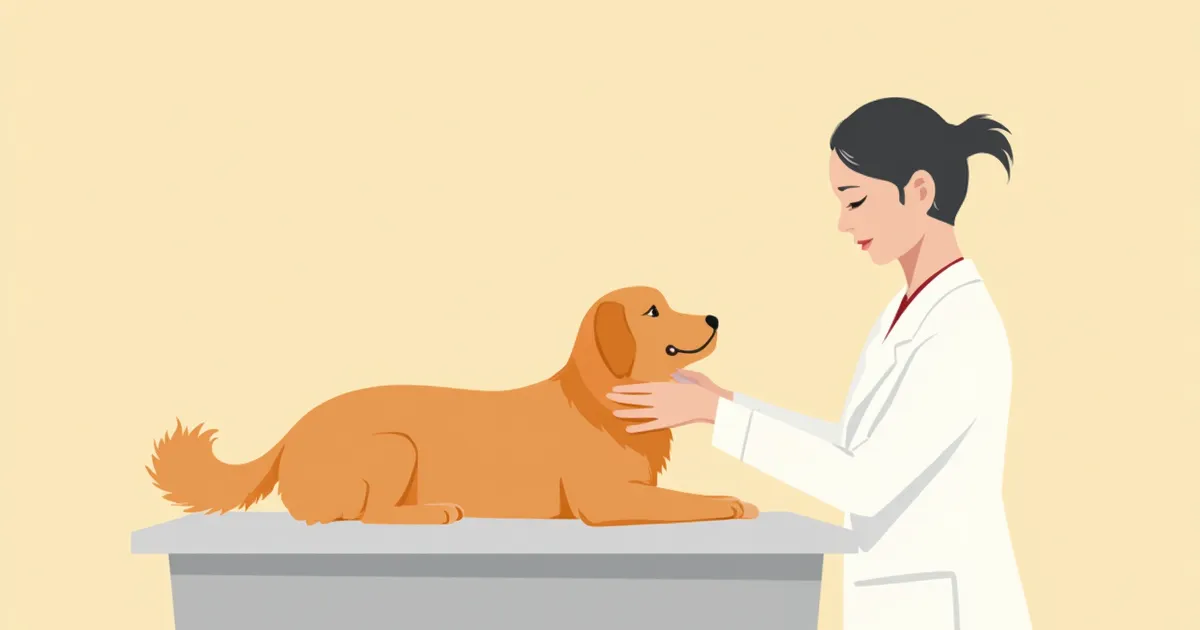
Diagnosing eyelid tumors in dogs begins with a thorough clinical examination of the eye and surrounding tissues. - Clinical Examination: We carefully observe the tumor’s location, size, and whether it involves the eyelid margin. - Biopsy and Histopathology: This essential procedure confirms whether the tumor is benign or malignant and helps determine the appropriate surgical margins, guiding the overall treatment plan. - Imaging and Metastasis Evaluation (CT/MRI, thoracic radiographs, lymph node aspiration, blood tests): If malignancy is suspected, these tests are performed to check for metastasis and to plan surgery. Biopsy results form the foundation of the treatment strategy, and regular eye check-ups are recommended for early detection.
A veterinarian examining a dog's eyes with a slit lamp

Treatment options include surgery, radiation therapy, and medication

Treatment for eyelid tumors in dogs varies depending on the tumor’s nature and location. - Surgical treatment: Most benign tumors can be completely removed, with a low recurrence rate. - Radiation therapy: For malignant tumors, radiation is often used alongside surgery to prevent metastasis and reduce recurrence. - Drug therapy: Some tumors can be managed with chemotherapy or topical medications to shrink their size. Regular follow-up exams are necessary after treatment. Be aware that post-surgery side effects may include light sensitivity or decreased tear production, so careful monitoring is important.
A photo of a puppy recovering after eyelid surgery

Home care focuses on post-operative management and prevention

After surgery, it’s important to keep the area around the eyes clean and to use prescribed eye drops exactly as directed. - Eye drop administration: Use the prescribed medication on time to help prevent infection. - Preventing eye rubbing: Use an Elizabethan collar (neck collar) to stop your pet from rubbing or scratching their eyes, which can cause self-injury. - Regular monitoring: Check the area around the eyes daily for any signs of recurrence. - Protecting the eye surface: Tear production may decrease after surgery, potentially leading to a dry cornea. If needed, protect the cornea with artificial tears or other recommended treatments. - Nutrition and overall care: Maintain your pet’s overall health with a balanced diet, and schedule regular veterinary check-ups to catch any issues early.
A dog wearing glasses recovering after surgery

Certain breeds are at higher risk for eyelid tumors

Malignant melanoma of the eyelid is more commonly reported in breeds such as Vizslas, Doberman Pinschers, and Toy Poodles. Since eyelid tumors generally occur more frequently in older dogs, regular eye examinations are especially beneficial for senior dogs. If there is a family history or suspected breed predisposition, we recommend checking your dog’s eyes more frequently and starting earlier.

Reviewed by a veterinarian

Dr. Tony — Punnawat Phongkittirak

Dr. Tony — Punnawat Phongkittirak

Veterinarian

A veterinarian who majored in veterinary medicine at Khon Kaen University, Thailand, and completed the IVSA program at North Carolina State University in the United States. Drawing on clinical experience at animal hospitals, he works in the pet healthcare field and is dedicated to building a digital care environment that connects pet parents with veterinarians.

Frequently Asked Questions

Are eyelid tumors malignant?
Most eyelid tumors in dogs are benign, but some, such as melanoma and squamous cell carcinoma, can be malignant. A definitive distinction between benign and malignant tumors requires a histopathological examination (tissue biopsy).
What is the likelihood of recurrence after surgery?
Benign tumors are often effectively treated with complete surgical removal, but malignant tumors carry a risk of recurrence or metastasis. Regular check-ups are essential.
Does an eyelid tumor require immediate surgery?
Early detection makes surgery the most effective treatment. However, your veterinarian will determine the best course of action based on the tumor’s size and location.
Can eyelid tumors be prevented?
The best way to manage this is through regular check-ups to catch any issues early. Since breed and genetic factors can be difficult to prevent, it’s important to keep a close eye on your pet in everyday life.
Can an eyelid tumor cause blindness?
If a tumor grows large enough to block the eye or invade surrounding tissues, it can affect vision. The earlier the diagnosis and treatment, the better the prognosis tends to be.

Share

Related Guides

References

[1] Clinical Atlas of Canine and Feline Ophthalmic Disease, 2nd Ed. Elsevier, 2020.

[2] Dubielzig RR et al. Ocular Tumors in Dogs: A Retrospective Study. Veterinary Ophthalmology, 2015.

[3] Gelatt KN. Histiocytoma of the Eyelid in Dogs. Veterinary Medicine: Small Animal Clinics, 1975.

This information is based on veterinary literature and does not replace diagnosis or treatment. Please consult a veterinarian for specific health concerns.

Metapet Co., Ltd. | CEO: Park Sung-yong | Business Reg. No. 417-88-02562 | Seoul, South Korea | Customer Center

Dog Eyelid Tumors: Symptoms, Causes, Treatment, and Care | Meongsiljang