
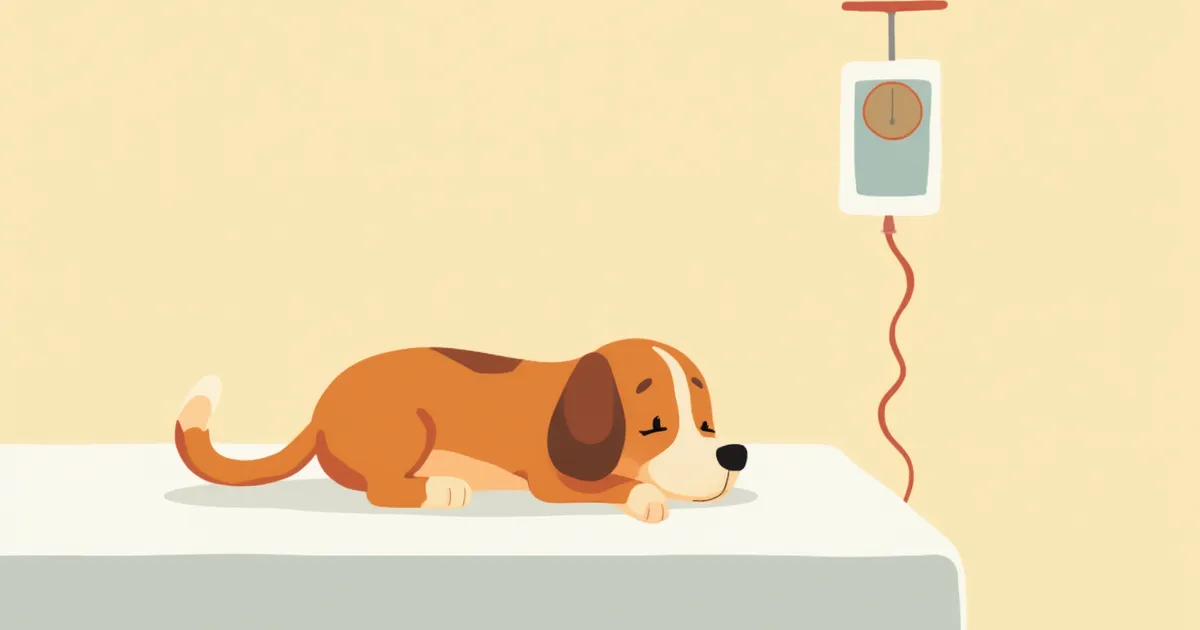
Acute Kidney Failure in Dogs — Emergency Signs by Cause and Recovery Potential
Acute kidney failure in dogs is an emergency condition characterized by a sudden decline in kidney function. We’ve summarized the key information every pet owner should know, including symptoms by cause, diagnostic and treatment steps, and the potential for recovery.
What Is Acute Kidney Failure in Dogs?
Main Causes of Acute Kidney Failure in Dogs
Symptom Checklist Pet Owners Must Not Miss

Signs You Need to Go to the Emergency Room Immediately
If any of the following apply, seek care at a 24-hour emergency veterinary clinic immediately: no urine output for 6–12 hours or more; suspected ingestion of toxic substances such as grapes, raisins, antifreeze, human pain relievers, or contaminated jerky treats; or repeated vomiting accompanied by pale gums or a body temperature below 38°C. Kidney damage can become irreversible if the underlying cause is not addressed promptly, so the sooner your pet arrives at the clinic, the greater the chance of a full recovery.
How Is It Diagnosed at the Veterinary Hospital?
Acute Kidney Failure vs. Chronic Kidney Disease — What’s the Difference?
| Item | Acute Kidney Injury (AKI) | Chronic Kidney Disease (CKD) |
|---|---|---|
| Onset speed | Hours to days | Months to years |
| Kidney size (ultrasound) | Normal or enlarged | Small and irregularly shaped |
| Anemia present | Rarely | Commonly present |
| Chance of recovery | Possible if cause is removed | Irreversible; managed as it progresses |
| Typical causes | Toxins, infection, dehydration | Age-related degeneration, genetics, chronic inflammation |
Based on veterinary internal medicine textbooks and IRIS guidelines
Treatment — How It Proceeds Step by Step
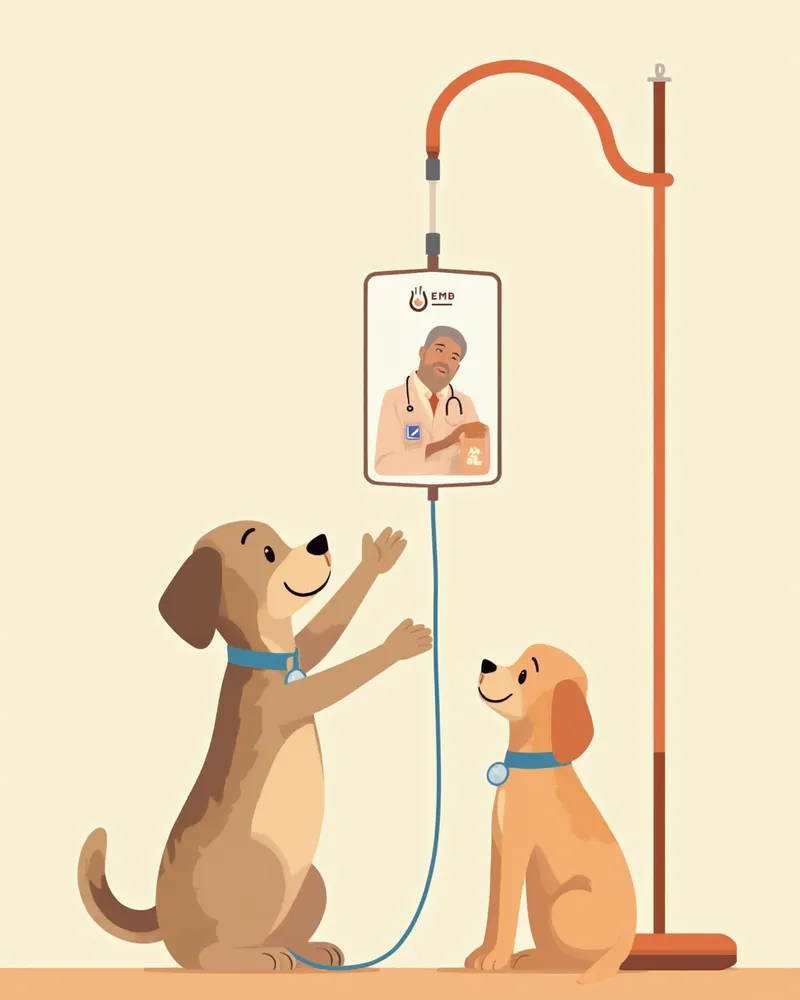
Home Care After Discharge
Recovery Potential — It Depends on the Cause
Unlike chronic kidney disease, acute kidney failure can often be almost fully reversed if the underlying cause is identified and removed quickly. However, if anuria (complete lack of urine output) persists for more than 24 hours, or if there has been widespread destruction of kidney cells due to causes such as antifreeze poisoning or severe infection, some kidney function may be permanently damaged, potentially leading to chronic kidney disease. This is why how quickly your pet reaches the hospital plays a crucial role in their chances of recovery.
Reviewed by a veterinarian

Dr. Tony — Punnawat Phongkittirak
VeterinarianA veterinarian who majored in veterinary medicine at Khon Kaen University, Thailand, and completed the IVSA program at North Carolina State University in the United States. Drawing on clinical experience at animal hospitals, he works in the pet healthcare field and is dedicated to building a digital care environment that connects pet parents with veterinarians.
Reviewed 2026-05-11
Frequently Asked Questions
My dog ate one grape. Should I take him to the vet right away?
Does a kidney value that went up and then came back down mean the condition is fully resolved?
How many days does fluid therapy typically last?
Are human pain relievers (ibuprofen and acetaminophen) really that dangerous?
What should I pay attention to in daily life to help prevent this?
Share
Related Guides
Top 5 Prescription Diets for Cats with Chronic Kidney Disease — Stage-Specific Protein Adjustment
7 Emergency Signs and Causes of Acute Kidney Failure in Dogs You Must Not Miss

Top 5 Cat Kidney Supplements Recommended for 2026

If Your Dog Suddenly Has Seizures or Abnormal Behavior — Brain Tumor Symptoms and Treatment Timing

Is That Lump on Your Cat’s Skin a Mast Cell Tumor? — A Complete Guide to Treatment and Prognosis by Grade

Found a Lump on Your Cat’s Mammary Glands? A Complete Guide to Mammary Tumor Symptoms and Early Detection Signs
If Your Cat’s Lymph Nodes Are Swollen — Evaluating Lymph Node Metastasis and When to Visit the Vet

Is the Lump Under Your Cat’s Skin Benign or Malignant? — Key Points for Distinguishing Lipomas from Liposarcomas
SAMe vs. Milk Thistle for Dog Liver Protectants — Which Is Right for Your Pet?

If Your Cat Keeps Getting Drowsy After Meals — Causes and Treatment Timing for Portosystemic Shunt (PSS)
References
[1] Notes on Canine Internal Medicine, 4th Edition — Acute Kidney Injury chapter
[2] Clinical Medicine of the Dog and Cat, 4th Edition — Azotemia and AKI differentials
[3] Urinalysis in the Dog and Cat — CKD vs AKI 감별 기준
[4] IRIS (International Renal Interest Society) AKI Grading Guidelines, 2023