
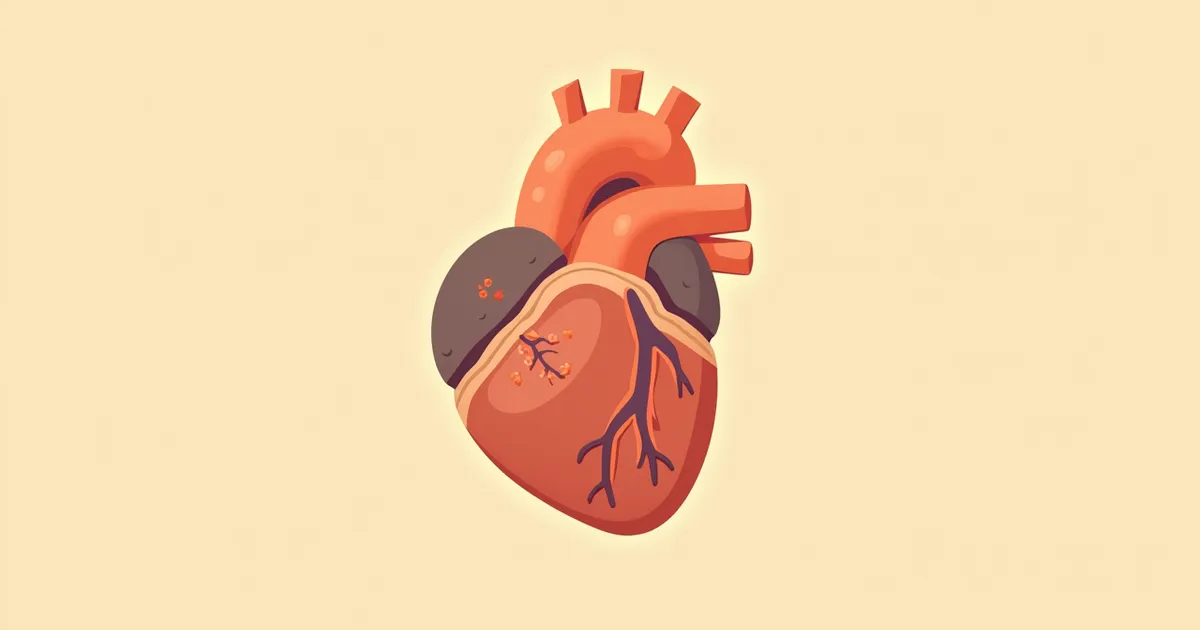
If Your Dog Has Persistent Fever and Lethargy — Endocarditis Symptoms and Treatment Timing
Canine endocarditis is a serious condition in which bacteria invade the heart’s inner lining and cause inflammation, making early detection and appropriate treatment essential for survival. It most commonly affects large-breed dogs, and missing early warning signs can lead to severe complications.
Canine endocarditis is a serious inflammatory condition caused by bacterial invasion of the heart’s inner lining.
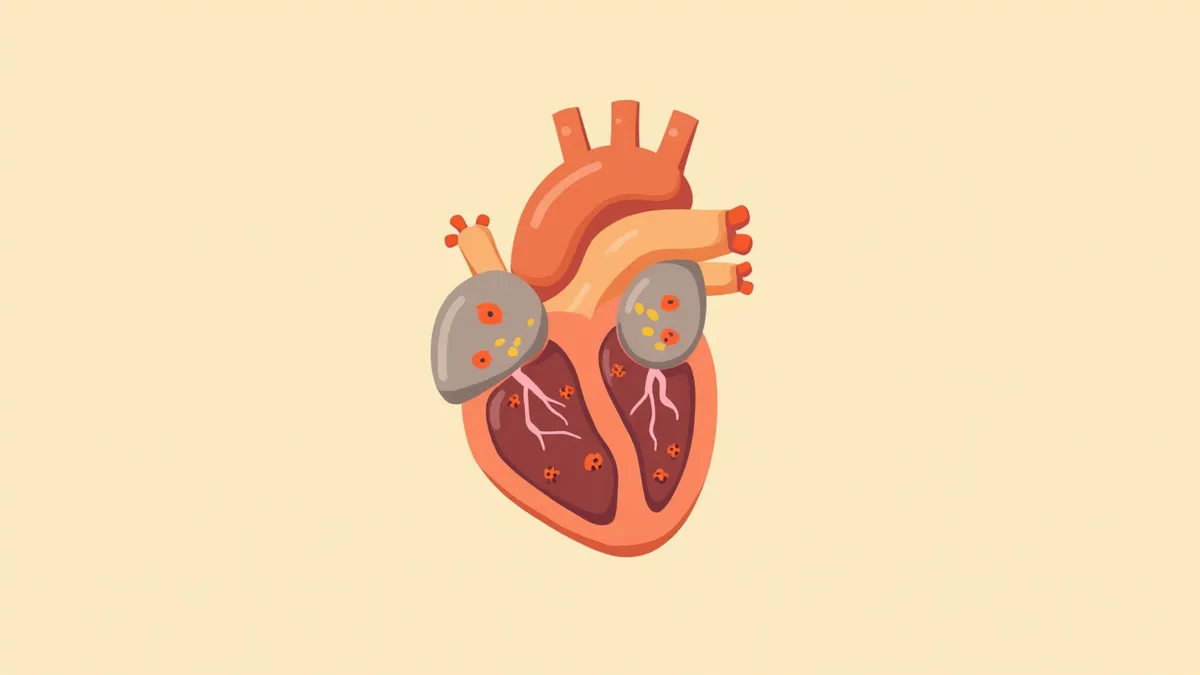
The main causes of endocarditis are bacterial infection and structural abnormalities of the heart.

The main symptoms of endocarditis are as follows

If you notice abnormal heart valve sounds or difficulty breathing, immediate veterinary care is required
Endocarditis is an emergency condition that can cause a rapid decline in heart function. If you notice abnormal heart valve sounds, difficulty breathing, coughing, or lethargy, seek veterinary care immediately. Delayed treatment can lead to heart failure or even death.
Diagnosis is accurately confirmed through blood tests and echocardiography.
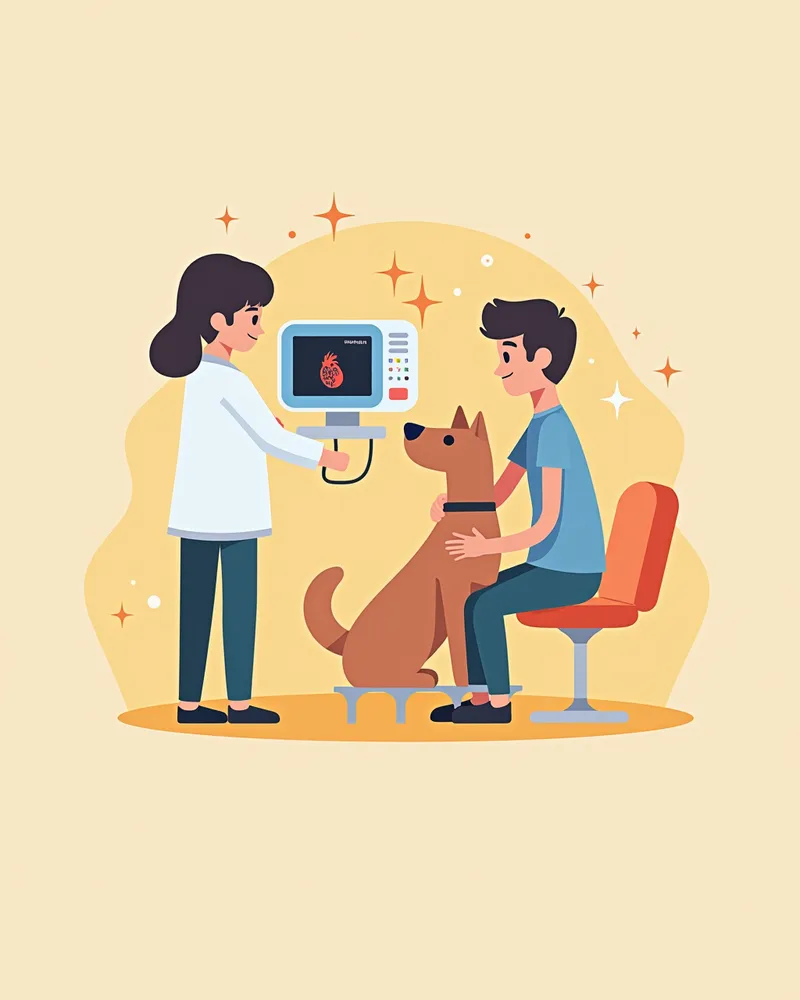
Treatment proceeds step-by-step with antibiotics and management of heart function.
Home care focuses on antibiotic administration, rest, and regular check-ups.

Large-breed dogs, particularly Dobermans and Great Danes, are more susceptible to endocarditis
Endocarditis is relatively more commonly reported in medium- to large-breed dogs, particularly intact males and middle-aged dogs. The risk is further elevated in dogs with congenital heart defects such as subaortic stenosis, as bacteria adhere more easily to abnormal heart structures. In these cases, regular cardiac screenings and diligent dental and oral hygiene are essential. For high-risk patients, prophylactic antibiotics may be considered before surgical or dental procedures. Prevention and early detection are paramount.
Reviewed by a veterinarian

Dr. Tony — Punnawat Phongkittirak
VeterinarianA veterinarian who majored in veterinary medicine at Khon Kaen University, Thailand, and completed the IVSA program at North Carolina State University in the United States. Drawing on clinical experience at animal hospitals, he works in the pet healthcare field and is dedicated to building a digital care environment that connects pet parents with veterinarians.
Reviewed 2026-06-03
Frequently Asked Questions
Is endocarditis treatable?
Is endocarditis contagious?
Is there a connection between dental problems and endocarditis?
Can endocarditis recur after treatment?
Is it okay to exercise while treating endocarditis?
Share
Related Guides

Coenzyme Q10 Benefits and Administration Guide

Dog Pulmonary Edema Warning — 7 Best Diuretics (Furosemide) for Heart Management

7 Best Prescription Diets for Feline Heart Disease Recommended by Veterinarians — Criteria for Choosing Low-Sodium Food

Dog Scabies (Sarcoptic Mange): Symptoms, Causes, Diagnosis, Treatment, and Care Essentials

Cat Tongue and Lip Lesions — Causes, Symptoms, Diagnosis, and Treatment
If Your Dog’s Cough Won’t Stop — Symptoms, Diagnosis, and Treatment Key Points for Lung Cancer and Lung Metastasis

Comprehensive Guide to Post-Splenectomy Care in Dogs: Symptoms, Causes, Diagnosis, Treatment, and Management Points

Feline Fibrosarcoma: A Comprehensive Guide to Oncology, Symptoms, Causes, Diagnosis, Treatment, and Management

Feline Hepatocellular Carcinoma: Symptoms, Causes, Diagnosis, Treatment, and Management Essentials

Comprehensive Guide to Feline Hepatic Failure: Symptoms, Causes, Diagnosis, Treatment, and Management
References
[1] Kaplan JL, Stern JA. Small Animal Critical Care Medicine, 3rd Ed. Elsevier, 2020.
[2] Freid KJ, et al. Retrospective study of dilated cardiomyopathy in dogs. J Vet Intern Med. 2020 Dec 21;35(1):58–67.
[3] Adler Y, et al. 2015 ESC Guidelines for the diagnosis and management of pericardial diseases. Eur Heart J. 2015;36:2921–2964.