Like
Share
멍실장
강아지 심부전 응급 처치 증상과 원인, 진단·치료와 관리 포인트 총정리

When Your Dog Suddenly Can’t Breathe — Emergency Golden Hour and Response for Heart Failure

HeartDiseasesMeongsiljang Veterinary Advisory Board

Canine heart failure is a condition in which impaired heart function leads to poor blood circulation, making early detection and proper management essential. In emergency situations, immediate action can save your dog’s life.

Canine Heart Failure Is a Life-Threatening Condition Caused by Impaired Heart Function

A dog experiencing difficulty breathing due to heart failure
Canine heart failure occurs when the heart cannot pump blood effectively, leading to inadequate blood supply to tissues and fluid accumulation in the lungs or abdomen, a condition known as congestion. This is primarily caused by structural or functional heart abnormalities, such as valve defects, weakened heart muscle, or irregular heartbeats and rhythms. The risk increases with age, and myxomatous mitral valve disease, common in small- to medium-sized breeds, accounts for approximately 75–80% of canine heart diseases. Certain breeds, such as Bull Terriers, Golden Retrievers, and Weimaraners, have also been reported to have a genetic predisposition to specific heart conditions. If symptoms such as difficulty breathing, coughing, or decreased activity levels appear, immediate veterinary care is essential. Since heart failure is a progressive disease, early intervention is crucial.

The Main Causes of Heart Failure Are Structural Heart Abnormalities and Chronic Diseases
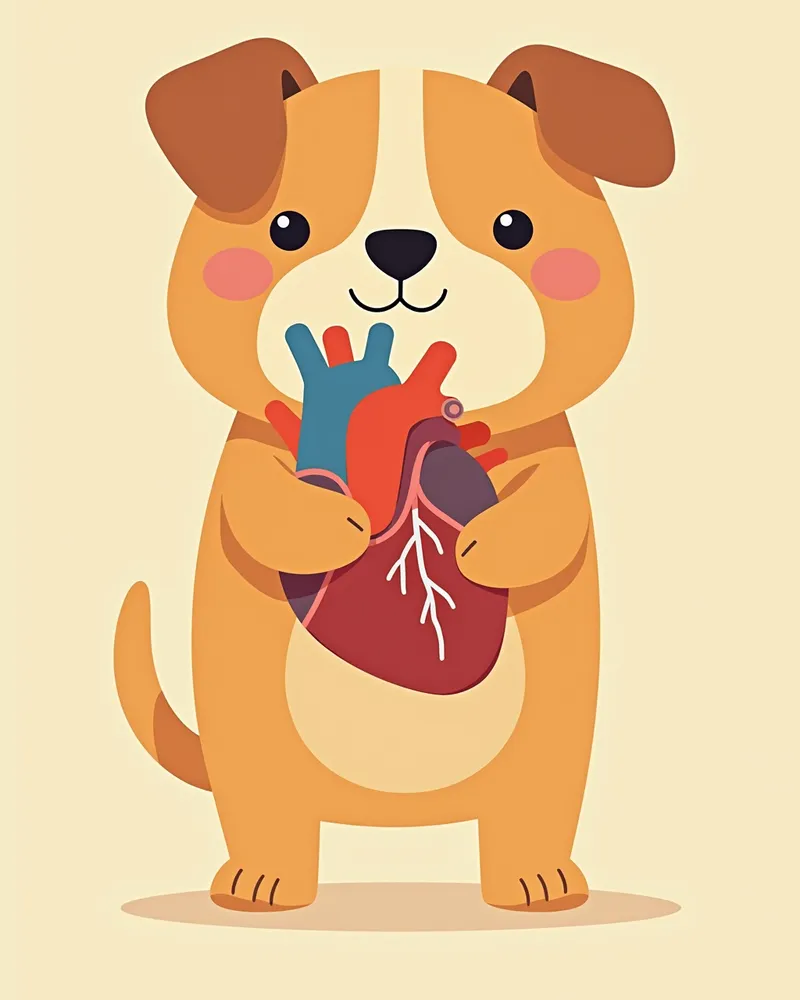
The main causes of heart failure include structural and functional heart abnormalities such as valvular dysfunction, weakening of the heart muscle, and irregular heartbeats or rhythms. Myxomatous mitral valve disease, common in small to medium-sized dogs, accounts for approximately 75–80% of canine heart diseases and becomes more prevalent with age, particularly in males. Certain breeds, such as Bull Terriers, Golden Retrievers, and Weimaraners, have been reported to have a genetic predisposition to specific heart conditions. Additionally, cardiotoxicity from certain medications can impair heart function and lead to heart failure. Since these changes can gradually worsen cardiac function, early diagnosis is essential. Regular health check-ups are important for identifying risk factors in advance, and early management can help slow the progression of the disease.
An anatomical diagram showing the main structures of a dog’s heart

The Main Symptoms of Heart Failure Are Shortness of Breath and Fatigue
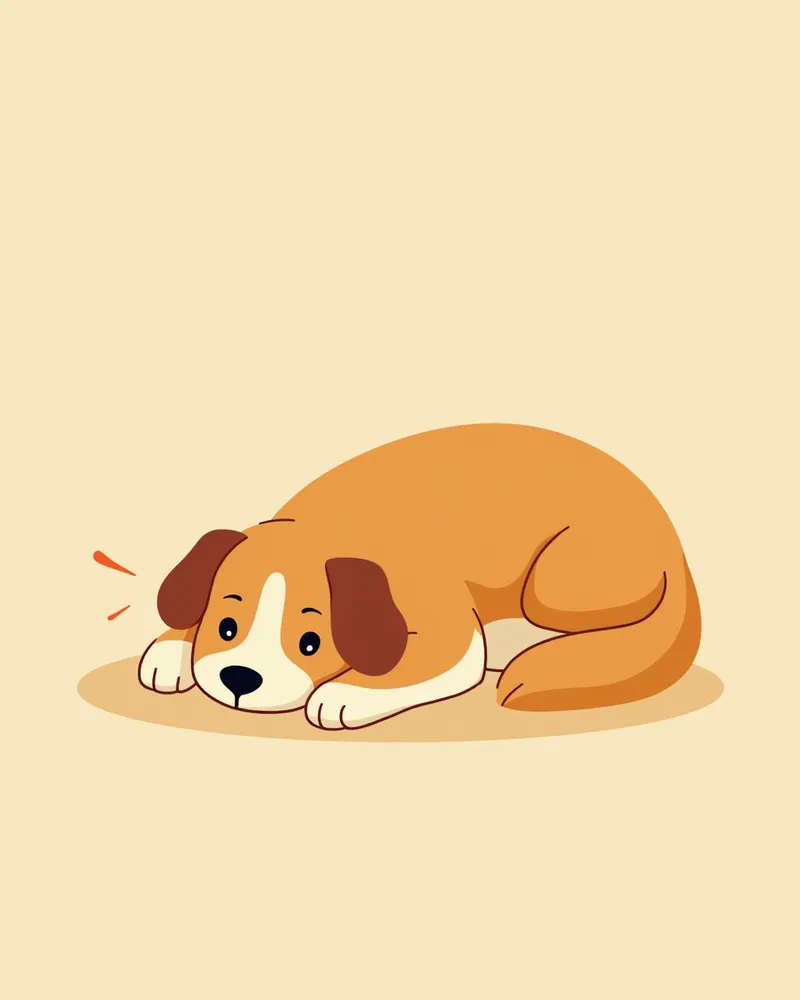
The most common signs of congestive heart failure in dogs include rapid breathing, shortness of breath, coughing, exercise intolerance (reduced activity levels), and fainting or collapsing. Dogs may struggle to breathe even while resting or become exhausted after just a short walk. You might also notice pale gums, a swollen belly due to fluid accumulation (ascites), or sudden collapse with signs of shock. All of these symptoms indicate declining heart function and require immediate veterinary attention. Early detection significantly improves treatment outcomes, so it’s crucial for pet owners to stay vigilant in their daily observations. If you notice any of these signs, consult your veterinarian right away.
A dog coughing due to heart failure

Heart Failure Emergency: Immediate Vet Visit Is Essential

If your dog suddenly starts breathing heavily, has blue lips, or collapses, it’s a life-threatening emergency. In such cases, you must take your dog to the vet immediately. Never attempt to provide oxygen or administer medication at home. Immediate evaluation and treatment by a veterinarian are crucial for improving survival rates.

Heart Failure Is Accurately Diagnosed with Echocardiogram and ECG
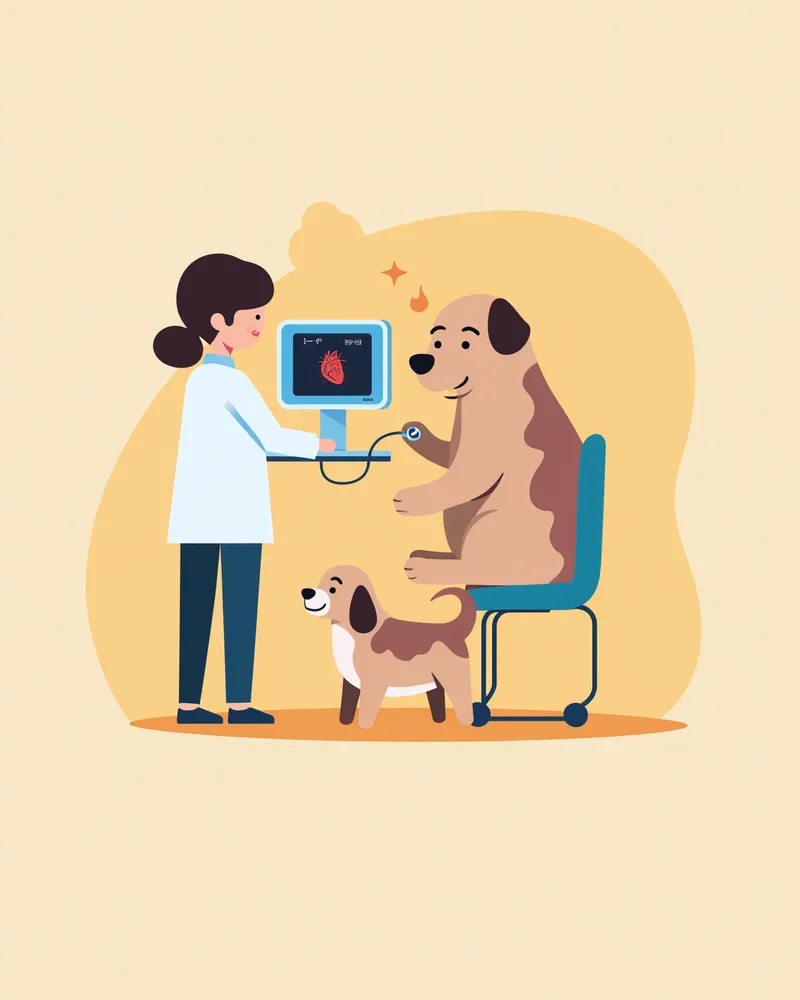
Diagnosing heart failure primarily involves using an echocardiogram (ultrasound) to assess the heart’s structure, size, and contraction and relaxation functions. A standard 6-lead electrocardiogram (ECG) or a 24-hour Holter monitor is essential for detecting irregular heartbeats and arrhythmias. Chest imaging helps evaluate signs of congestion, such as pulmonary edema. These tests aid in determining the severity and underlying cause of heart failure, allowing for a tailored treatment plan. However, since some conditions like paroxysmal tachycardia may not show abnormalities during a physical exam, professional evaluation is crucial. Early diagnosis is key to significantly improving treatment outcomes.
A veterinarian performing an echocardiogram on a puppy.

Heart Failure Treatment Is Progressively Managed with Medication and Lifestyle Changes
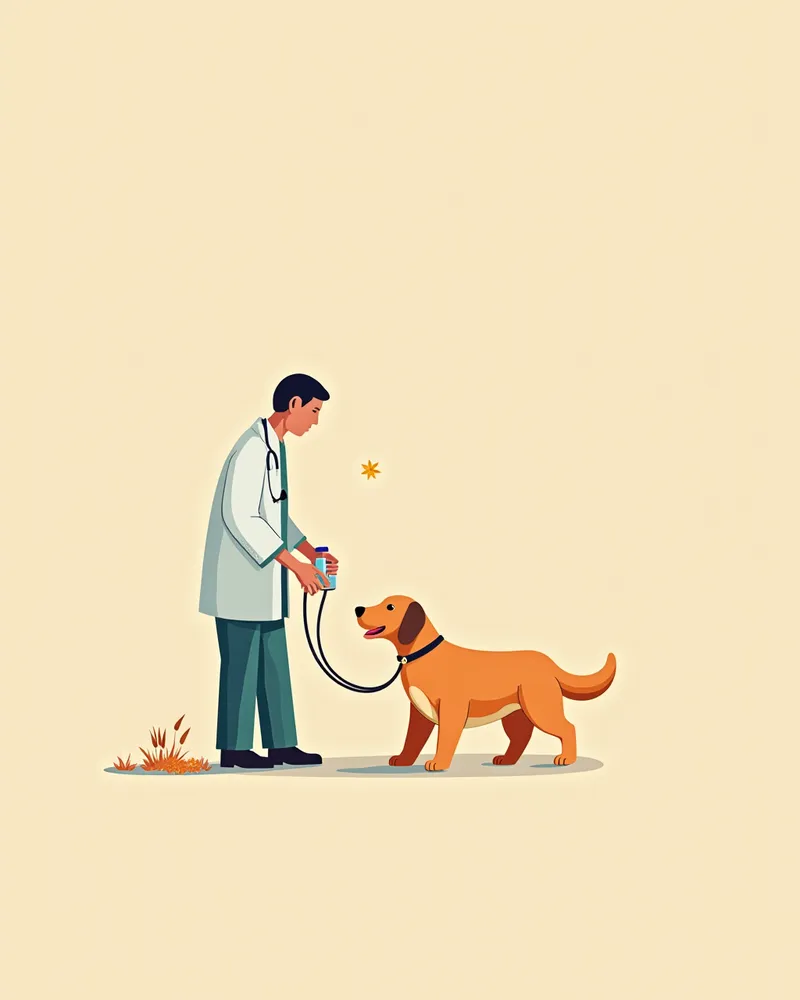
Heart failure treatment is carried out in stages, combining medication and lifestyle management. Key medications include diuretics (such as furosemide, a loop diuretic) to control congestion and edema, ACE inhibitors (such as enalapril) to suppress neurohormonal activation, and positive inotropes (such as pimobendan) to support heart contractility. These drugs reduce the heart’s workload (afterload) and improve blood circulation. However, diuretics should not be used as monotherapy in chronic heart failure; they must be combined with dietary management, exercise restriction, and weight control. Treatment must be continued for life, and regular veterinary visits are essential. Missing doses can worsen symptoms, so careful adherence is crucial.
A veterinarian administering medication to a puppy

Home Care for Heart Failure Focuses on Diet, Exercise, and Medication Adherence
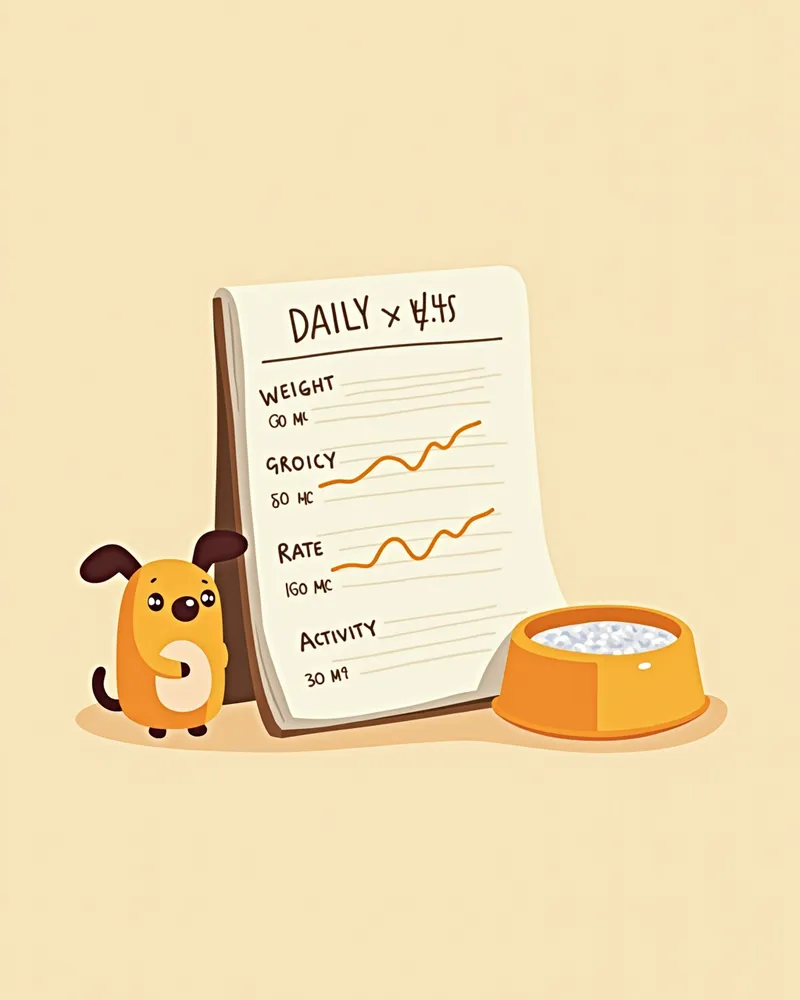
Home care for dogs with heart failure focuses on dietary management, exercise restriction, and medication adherence. A low-sodium diet is recommended, and exercise should be limited to one or two short walks per day. Medications must be administered exactly as prescribed. It is important to monitor and record daily changes in weight, breathing, and activity levels, then share this information with your veterinarian. This helps maximize treatment efficacy and prevent disease progression. Consistent observation and cooperation from pet owners are key to successful treatment.
Daily Care Log for Dogs with Heart Failure

Certain Breeds Have a Higher Risk of Heart Failure and Require Attention

Certain breeds, such as Bull Terriers, Golden Retrievers, and Weimaraners, have a reported genetic predisposition to specific heart conditions. Additionally, mitral valve disease, which is common in small- to medium-sized dogs, becomes increasingly risky with age, making regular cardiac check-ups recommended during the senior years. Since early detection significantly improves management outcomes, pet owners should stay vigilant according to their dog’s breed and age-related characteristics.

Reviewed by a veterinarian

Dr. Tony — Punnawat Phongkittirak

Dr. Tony — Punnawat Phongkittirak

Veterinarian

A veterinarian who majored in veterinary medicine at Khon Kaen University, Thailand, and completed the IVSA program at North Carolina State University in the United States. Drawing on clinical experience at animal hospitals, he works in the pet healthcare field and is dedicated to building a digital care environment that connects pet parents with veterinarians.

Frequently Asked Questions

Can congestive heart failure be cured?
While heart failure is difficult to cure completely, appropriate treatment and management can significantly improve your pet's quality of life. As a progressive, chronic condition, it typically requires lifelong care in most cases.
Is it safe for a dog with heart failure to go for walks?
Short walks are possible, but activity levels must be strictly limited. If signs of respiratory distress appear, allow your pet to rest immediately.
How long should my pet stay on heart failure medication?
Heart failure is a chronic, progressive condition, so medications must be taken continuously for the rest of your pet’s life. Stopping them abruptly can cause the condition to worsen.
What is the average life expectancy of a dog with congestive heart failure?
Heart failure is a chronic, progressive disease, so it's difficult to give a one-size-fits-all average life expectancy. However, the prognosis can vary significantly depending on the underlying cause, the stage of progression, and the quality of treatment and management. Early diagnosis and consistent care have a major impact on both quality of life and overall prognosis.
What should I do if my pet’s heart failure symptoms worsen?
If symptoms worsen, please visit the clinic immediately. Additional treatments such as adjusting the diuretic dosage, oxygen therapy, and emergency care may be necessary.

Share

Related Guides

References

[1] Handbook of Veterinary Pharmacology (2023) - Chapter 307: Drugs Used in Heart Failure Therapy

[2] Notes on Canine Internal Medicine, 4th Edition (2022) - Section 7.51: Management of Congestive Heart Failure

[3] Textbook of Cardiovascular Medicine in Dogs and Cats (2021) - Chapter 7.19: Therapeutic Approaches to CHF

This information is based on veterinary literature and does not replace diagnosis or treatment. Please consult a veterinarian for specific health concerns.

Metapet Co., Ltd. | CEO: Park Sung-yong | Business Reg. No. 417-88-02562 | Seoul, South Korea | Customer Center

When Your Dog Suddenly Can't Breathe: Heart Failure Golden Hour | Meongsiljang