Like
Share
멍실장
고양이 복합 구충제 선택 가이드 증상과 원인, 진단·치료와 관리 포인트 총정리

Guide to Choosing Feline Broad-Spectrum Dewormers: Symptoms, Causes, Diagnosis, Treatment, and Care Essentials

Infection/ParasitesDiseasesMeongsiljang Veterinary Advisory Board

Feline broad-spectrum dewormers are treatments that eliminate multiple parasites at once, including roundworms, hookworms, and whipworms. Choosing the right product and using it correctly is key to maintaining your cat’s health and well-being.

What Are Feline Broad-Spectrum Dewormers?
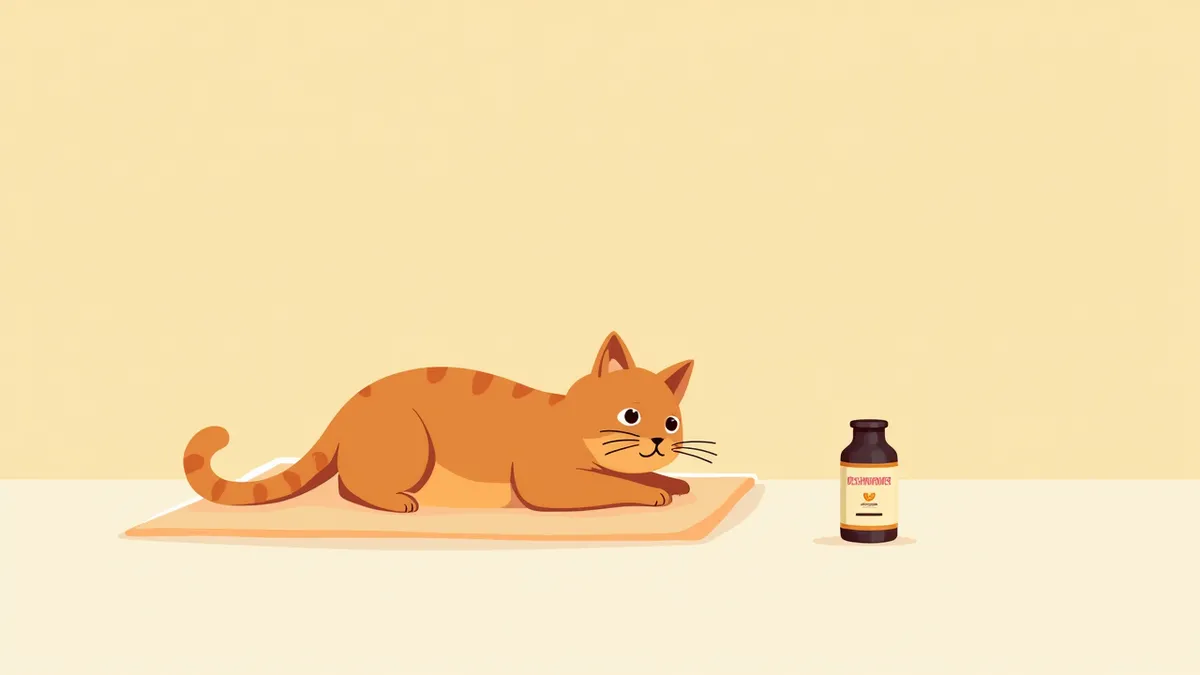
An image of a cat lying comfortably, with a bottle of broad-spectrum dewormer next to it.
Feline broad-spectrum dewormers are effective treatments for major intestinal parasites, including roundworms, hookworms, tapeworms, and whipworms. By effectively eliminating both adult worms and eggs, this product helps maintain your cat’s intestinal health, making regular administration essential. Depending on the product’s ingredients and dosage instructions, deworming should be administered at intervals of one or three months, and must always be given under veterinary guidance. Broad-spectrum dewormers serve not only to prevent parasitic infections but also to treat existing infestations. To keep your cat healthy for the long term, consistent care and regular preventive measures are indispensable.

What Are the Main Causes of Parasitic Infection?

The primary reason cats need combination dewormers is exposure to environments contaminated with parasites. Infection begins when parasite eggs present in soil or water enter the cat’s mouth. Even indoor cats can become infected through contaminants tracked in on shoes or paws. Kittens and immunocompromised individuals are particularly vulnerable. Because parasites can reproduce rapidly within their host, early prevention is crucial. Therefore, maintaining environmental cleanliness and administering preventive deworming are key.
An image showing a cat walking on a dirt path, with parasites visible in the soil.

Check for Key Symptoms and Signs

The main signs that your cat may need a broad-spectrum dewormer include the following. Be sure to check for these signals before visiting the clinic.
Recurring diarrhea: In cases of roundworm infection, you may see parasite eggs or a small number of adult worms in the stool. If eggs are detected during a fecal examination, the likelihood of infection is high.
Weight loss: Parasites can steal nutrients from your cat, leading to weight loss.
Appears full but has no appetite: Parasitic infections can impair nutrient absorption, resulting in a decreased appetite.
Dull, unkempt coat: As your cat’s health declines, their fur may become dull, dry, and lose its shine.
Coughing or difficulty breathing: If parasites migrate to the lungs, they can cause coughing or respiratory distress.
If you notice any of these symptoms, please consult your veterinarian immediately.
Image showing parasites in the stool

When to Seek Immediate Veterinary Care

If your cat experiences severe diarrhea, vomiting, coughing, lethargy, or rapid weight loss, seek veterinary care immediately. Severe parasitic infestations can lead to intestinal damage or anemia.

Methods for Accurate Diagnosis

To accurately determine whether a cat is infected with parasites, a veterinarian must perform a fecal examination. If parasite eggs or adult worms are found in the stool, the infection is confirmed. In some cases of multiple infections, blood tests or ultrasound examinations may also be conducted. Especially when symptoms are mild or atypical, more detailed testing is necessary. Diagnosis should be based on scientific testing rather than simply assessing symptoms. An accurate diagnosis allows for the development of an appropriate treatment plan.
An image of a veterinarian examining a cat's stool under a microscope.

Treatment Methods and Step-by-Step Approach

Broad-spectrum deworming treatment is carried out step by step under veterinary guidance. The first step is obtaining a prescription based on an accurate diagnosis. The second step is administering the medication regularly throughout the treatment period. The dosing interval varies by product, but it is typically given every one or three months. The third step is confirming the treatment’s effectiveness through a follow-up test one to two months after treatment. The fourth step is beginning preventive deworming, administered consistently every three to six months. During treatment, promptly dispose of feces and maintain good hand-washing hygiene.
A cat taking its medication

Home Care and Prevention Tips

To keep your cat healthy, be sure to follow these key care guidelines:
Clean the litter box more frequently: Clean it at least once or twice daily.
Limit outdoor exposure: Minimize time spent outside and wipe your cat’s paws when they return indoors.
Maintain a regular deworming schedule: Administer a broad-spectrum dewormer every 3 to 6 months.
Practice good food hygiene: Store open bags of cat food with the lid tightly closed.
Prevent contact with other animals: Reduce interactions with other cats.
Adopting these habits will significantly lower the risk of parasitic infections.
An image showing a clean cat litter box alongside a bottle of broad-spectrum dewormer.

Breed-Specific Precautions and Recurrence Prevention

Deworming medications vary by product in terms of active ingredients, the range of parasites they target, and administration methods (oral, topical, etc.). Since no single product currently exists that can prevent all types of parasitic infections at once, it is important to carefully select a dewormer in consultation with your veterinarian, based on your cat’s health status, living environment, and risk of infection. Additionally, regular preventive treatment is essential even after deworming to avoid reinfection.

Reviewed by a veterinarian

Dr. Tony — Punnawat Phongkittirak

Dr. Tony — Punnawat Phongkittirak

Veterinarian

A veterinarian who majored in veterinary medicine at Khon Kaen University, Thailand, and completed the IVSA program at North Carolina State University in the United States. Drawing on clinical experience at animal hospitals, he works in the pet healthcare field and is dedicated to building a digital care environment that connects pet parents with veterinarians.

Frequently Asked Questions

When should I administer a combination dewormer?
Generally, it is administered every 3 to 6 months. Since the interval may vary depending on the product’s ingredients and usage instructions, the safest approach is to follow your veterinarian’s guidance and administer it regularly.
My pet has diarrhea after taking dewormer. Is this normal?
The medication may cause temporary diarrhea as a side effect. However, if the diarrhea persists or becomes severe, please consult your veterinarian.
Do indoor cats need deworming medication?
Yes, even indoor cats can bring parasites inside from the outdoors, so regular prevention is necessary.
Can I buy deworming medication at a pharmacy?
While some combination dewormers are available over the counter at pharmacies, most require a prescription from a veterinarian. For your pet's safety, always consult with your vet before use.
What should I do if my pet accidentally takes the wrong dewormer?
In case of an overdose, symptoms such as vomiting, lethargy, and seizures may occur. Seek immediate veterinary care.

Comparison Table of Popular Broad-Spectrum Dewormers

ItemMain IngredientsUsage CycleTargeted Parasites
MilbemaxMilbemycin + praziquantel1 monthRoundworms, hookworms, whipworms, tapeworms
Bravecto PlusMoxidectin + fluralaner3 monthsRoundworms, hookworms
Advantage MultiMoxidectin + imidacloprid1 monthRoundworms, hookworms

Ingredients and usage cycle may differ by product, so choose after consulting a veterinarian. No single product can prevent all parasites.

Share

Related Guides

References

[1] Plumb's Veterinary Drug Handbook, 10th Edition, 2023

[2] Clinical Medicine of the Dog and Cat, 4th Edition, 2021

[3] Blackwell's Five-Minute Veterinary Consult Clinical Companion, Small Animal Toxicology, 3rd Edition, 2024

This information is based on veterinary literature and does not replace diagnosis or treatment. Please consult a veterinarian for specific health concerns.

Metapet Co., Ltd. | CEO: Park Sung-yong | Business Reg. No. 417-88-02562 | Seoul, South Korea | Customer Center

Feline Broad-Spectrum Dewormers: A Complete Guide | Meongsiljang