Like
Share
멍실장
강아지 요산 요석 증상과 원인, 진단·치료와 관리 포인트 총정리

Uric Acid Uroliths in Dogs: Symptoms, Causes, Diagnosis, Treatment, and Management Essentials

UrinaryDiseasesMeongsiljang Veterinary Advisory Board

Uric acid uroliths in dogs are a condition in which uric acid crystals form in the urinary tract, causing pain and urinary difficulties. Early detection and proper management are essential.

What Are Uric Acid Uroliths in Dogs?
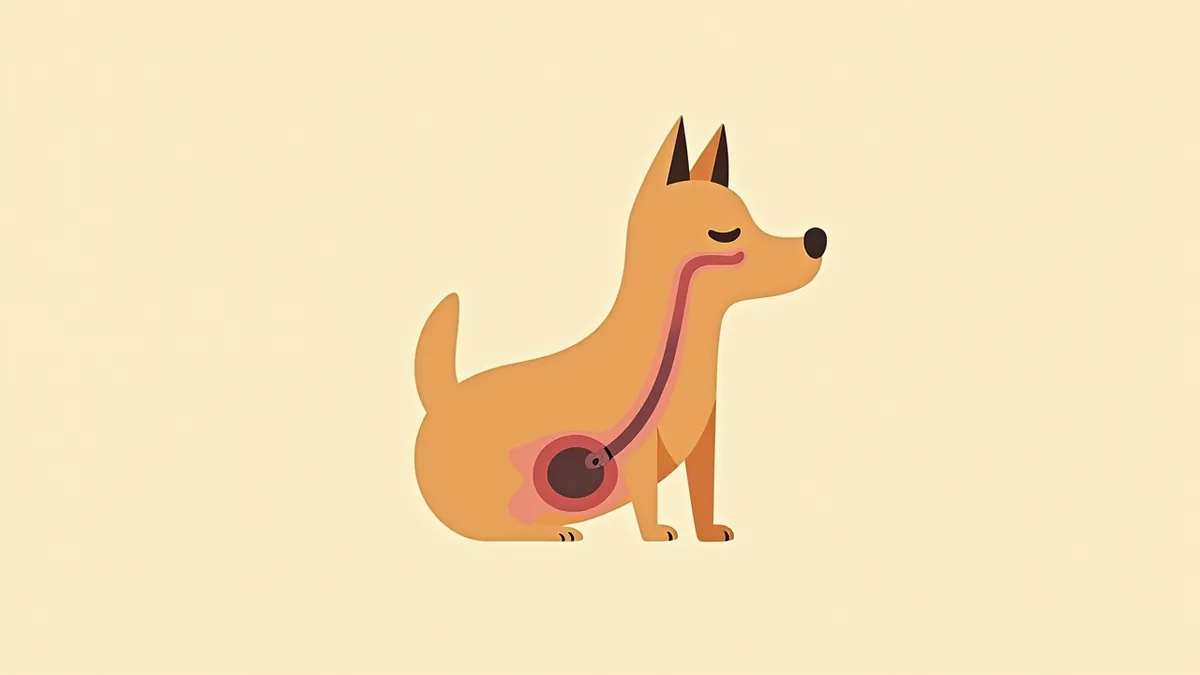
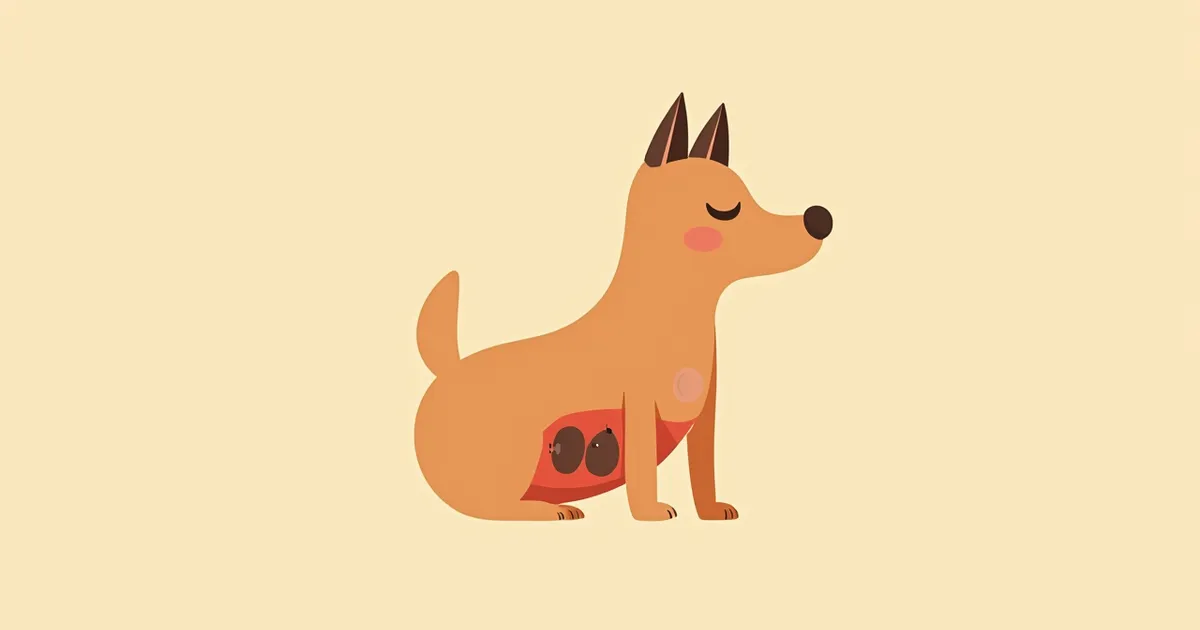
An anatomical image showing the location of the bladder and urethra, where uric acid stones can form in dogs.
Uric acid stones in dogs form when uric acid, a metabolic byproduct, crystallizes and deposits in the bladder or ureters. This condition is primarily caused by genetic predispositions and is especially common in Dalmatians and English Bulldogs. - Increased uric acid production: Genetic abnormalities that regulate uric acid metabolism can lead to elevated uric acid levels. - High urine concentration: Insufficient water intake concentrates the urine, increasing the risk of uric acid crystal deposition. - Stone formation: Uric acid crystals accumulate to form small stone-like structures, which can cause urinary obstruction. Early detection and consistent management are key to preventing recurrence.

What Are the Main Causes of Uric Acid Uroliths?
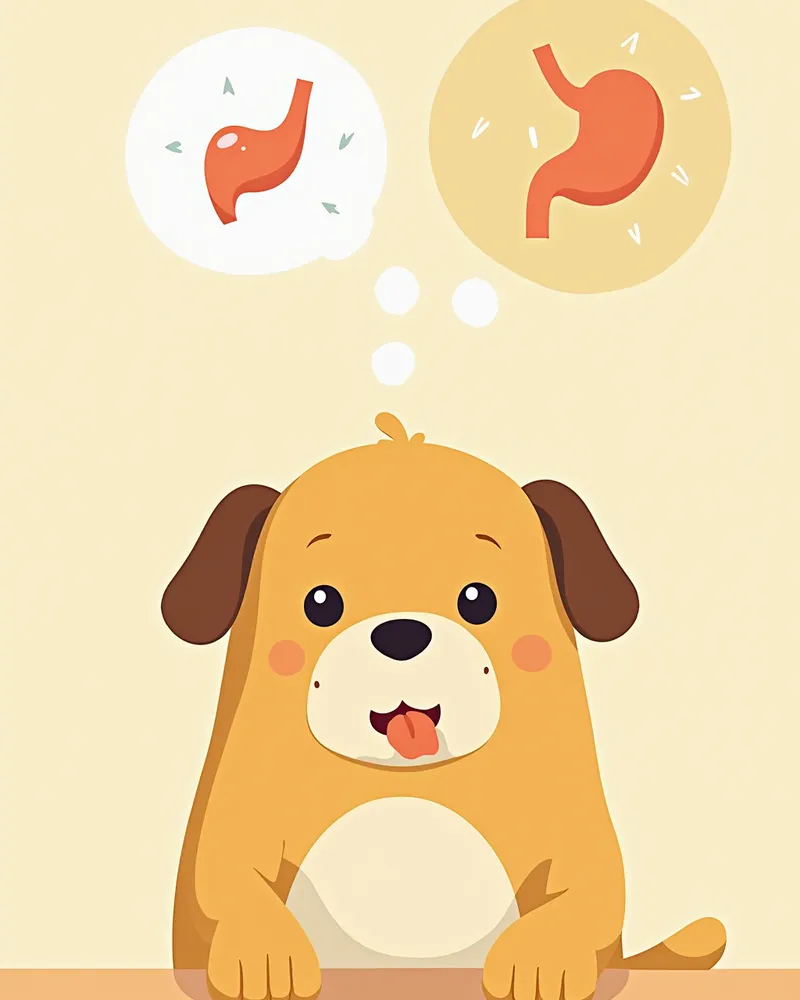
The primary cause of uric acid stones in dogs is genetic predisposition. Certain breeds, such as Dalmatians and English Bulldogs, have a higher genetic susceptibility, and the condition is more common in males. - Genetic factors: Dogs with abnormalities in uric acid metabolism may naturally produce increased amounts of uric acid. - Liver-related issues: Impaired liver function or portosystemic shunts (abnormalities in blood vessels leading to the liver) can disrupt uric acid metabolism, increasing the risk of uric acid stones alongside low blood urea nitrogen and low albumin levels. - Dehydration: Insufficient water intake leads to concentrated urine, making it easier for uric acid crystals to form. Identifying the underlying cause is important for early prevention.
A visual explanation of how high-protein meals influence uric acid stone formation

Check for Key Symptoms and Signs

If your dog develops uric acid stones, you may notice the following symptoms. These behaviors are signs that immediate veterinary care is needed.
Difficulty urinating: Frequently sitting up and trying to urinate, straining while urinating, and showing signs of discomfort
Hematuria: A reddish tint in the urine, or in severe cases, visibly red urine
Abdominal tension: Tensing the abdomen or licking the perineal or genital area more frequently than usual
Changes in energy and appetite: Due to pain, your dog may move less or eat less than usual
Signs of pain: Panting due to pain or showing defensive reactions when the abdomen is touched
If you notice any of these symptoms, it is essential to visit the vet immediately.
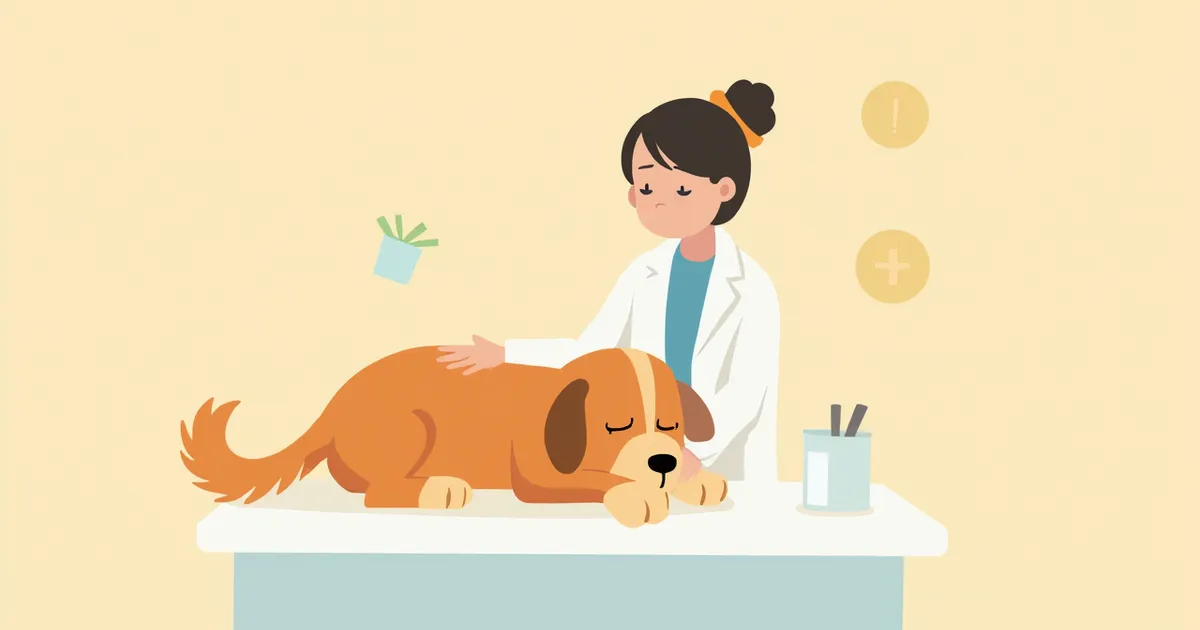
A puppy showing signs of difficulty urinating

Emergency Situations Requiring Immediate Veterinary Visit

If your dog is unable to urinate at all, or shows severe pain and trembling while trying to urinate, it may indicate a urinary tract obstruction. This is a life-threatening emergency. Contact your veterinarian immediately and seek urgent veterinary care.

Diagnostic Tests for Accurate Diagnosis
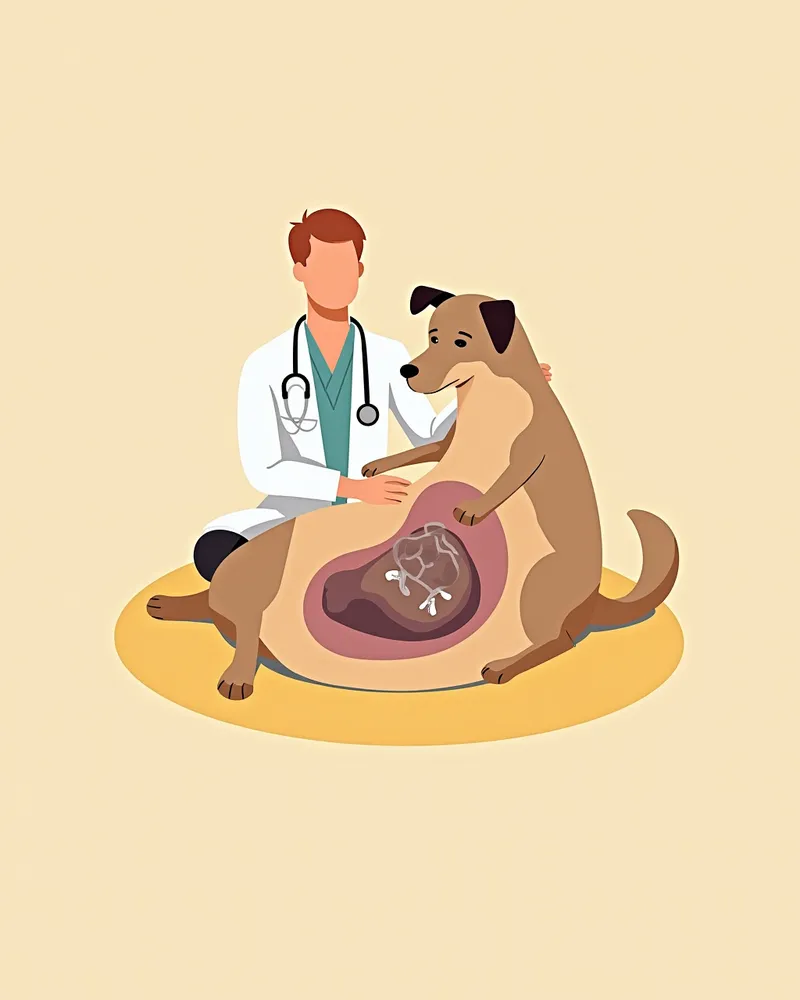
Uric acid uroliths are accurately diagnosed using a combination of several tests. - Ultrasound: This allows for precise detection of small stones that may not be visible on X-rays. - X-ray: Uric acid stones appear radiolucent (transparent) on X-rays, helping to determine their size and location. - Urinalysis: Measures uric acid concentration and urine pH to assess the risk of stone formation. - Blood tests: Provides a comprehensive evaluation of liver function, anemia status, and uric acid levels. - Combined imaging: A multifaceted diagnostic approach also checks for urinary tract obstruction. Accurate diagnosis is the first step toward effective treatment.
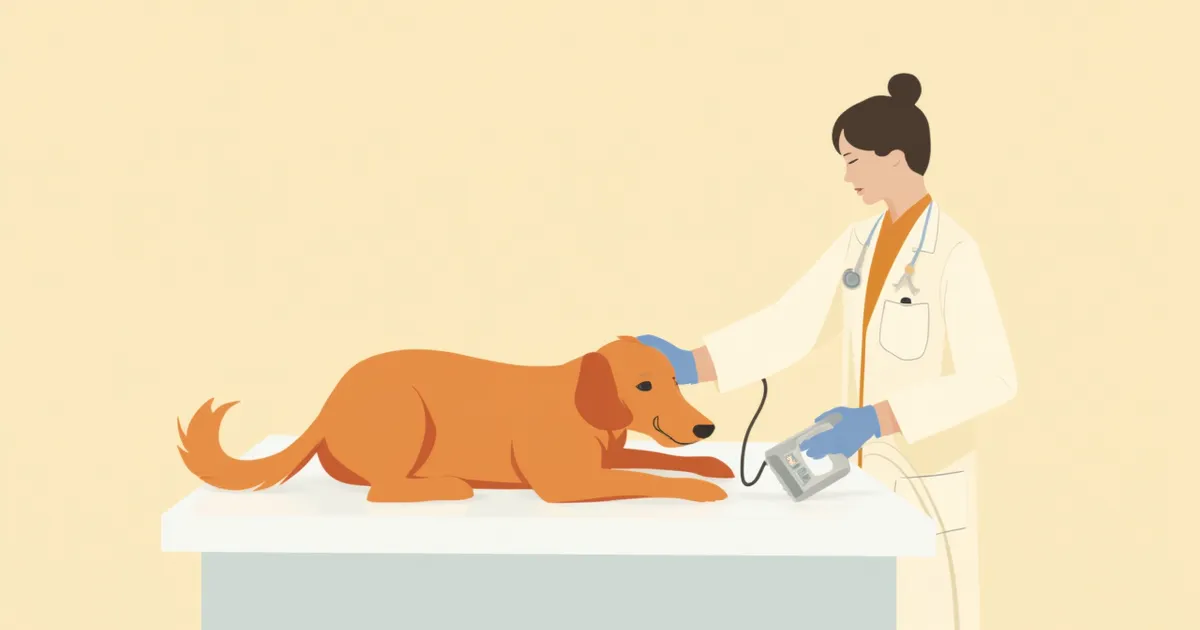
A veterinarian performing an ultrasound of a dog's bladder

Treatment Methods and Step-by-Step Management

Treatment for uric acid uroliths involves pain management, hydration support, medication, and dietary adjustments. - Pain Management: Analgesics are prescribed to reduce discomfort during urination. - Hydration Support: Encourage water intake by frequently refreshing the water and placing multiple water bowls around the home. - Medication: Allopurinol is used to inhibit uric acid production, while urine alkalinizers help lower urinary acidity. - Dietary Adjustments: Consistently feed a low-protein, low-uric acid diet to reduce uric acid formation. - Surgery if Necessary: If the stones are large or obstructing the urinary tract, surgical removal is required. Ongoing management remains essential even after treatment.
A puppy eating a low-purine diet.

Home Care and Prevention Tips

To help prevent uric acid stones from coming back, it’s important to follow these care steps:
Ensure adequate hydration: Change the water frequently and place multiple water bowls around your home.
Maintain a low-uric acid diet: Consistently feed the special diet recommended by your veterinarian.
Regular check-ups: Have urine tests and ultrasounds done every 3 to 6 months.
Monitor uric acid levels: Check uric acid levels periodically through blood tests.
Manage stress: Avoid environmental changes and excessive exercise.
Following these guidelines can significantly reduce the risk of recurrence.
A puppy drinking water

Certain Breeds Are More Susceptible to Uric Acid Uroliths

Dalmatians and English Bulldogs are at a higher risk of developing uric acid stones. Due to a strong genetic predisposition, these stones are much more common in males, so dogs of these breeds require regular check-ups during the high-risk period of 1 to 4 years of age. Early detection significantly improves treatment success rates.

Reviewed by a veterinarian

Dr. Tony — Punnawat Phongkittirak

Dr. Tony — Punnawat Phongkittirak

Veterinarian

A veterinarian who majored in veterinary medicine at Khon Kaen University, Thailand, and completed the IVSA program at North Carolina State University in the United States. Drawing on clinical experience at animal hospitals, he works in the pet healthcare field and is dedicated to building a digital care environment that connects pet parents with veterinarians.

Frequently Asked Questions

Can uric acid stones be completely cured?
Uric acid stones can be dissolved and symptoms resolved with appropriate treatment and management. However, because the risk of recurrence is high, lifelong care is necessary.
Can dietary management alone dissolve urinary stones?
Dietary management is highly effective in preventing the formation of urinary stones, and even existing uric acid stones can be medically dissolved through a combination of diet and medication. However, if the stones are large or pose a risk of urinary tract obstruction, surgical removal is necessary.
Can humans also develop uric acid stones?
Yes, humans can also develop uric acid stones, and the risk is particularly high for those who consume a high-purine diet. However, dogs have different genetic predispositions compared to humans.
What special diets do veterinarians recommend?
A veterinarian-prescribed therapeutic diet low in purines and protein is recommended. Please consult your veterinarian before selecting a specific product.
Is surgery always necessary when uric acid stones form?
If the bladder stones are small and can be dissolved with medication, they can be treated without surgery. However, if there is a risk of urinary obstruction or if the stones are large, surgery will be necessary.

Comparison of Uric Acid Urolith Treatment Methods

ItemTreatment methodEffectCostLikelihood of recurrence
Drug treatmentSuppresses uric acid production, relieves painMediumLowHigh
Dietary managementSuppresses uric acid productionHighLowLow
Surgical removalImmediate removalVery highHighMedium

The treatment method is determined by the veterinarian based on the dog's condition and the size of the urolith.

Share

Related Guides

References

[1] Plumb's Veterinary Drug Handbook, 9th Edition. Wiley-Blackwell, 2021.

[2] Ettinger, S.J. & Feldman, E.C. (2020). Textbook of Veterinary Internal Medicine, 9th Edition. Elsevier.

[3] AAFP/ISFM Feline and Canine Urinary Health Guidelines, 2023. American Association of Feline Practitioners.

This information is based on veterinary literature and does not replace diagnosis or treatment. Please consult a veterinarian for specific health concerns.

Metapet Co., Ltd. | CEO: Park Sung-yong | Business Reg. No. 417-88-02562 | Seoul, South Korea | Customer Center

Uric Acid Uroliths in Dogs: Symptoms, Causes & Treatment | Meongsiljang