Like
Share
멍실장
고양이 갑상선기능항진증 약물 치료 증상과 원인, 진단·치료와 관리 포인트 총정리

Cats with Decreased Appetite but Weight Loss — Causes and Treatment Timing for Hyperthyroidism

EndocrineDiseasesMeongsiljang Veterinary Advisory Board

Hyperthyroidism is a common endocrine disorder in senior cats, and its symptoms can be managed with medication. Accurate diagnosis and consistent care are essential.

Feline Hyperthyroidism is a Common Endocrine Disorder in Senior Cats
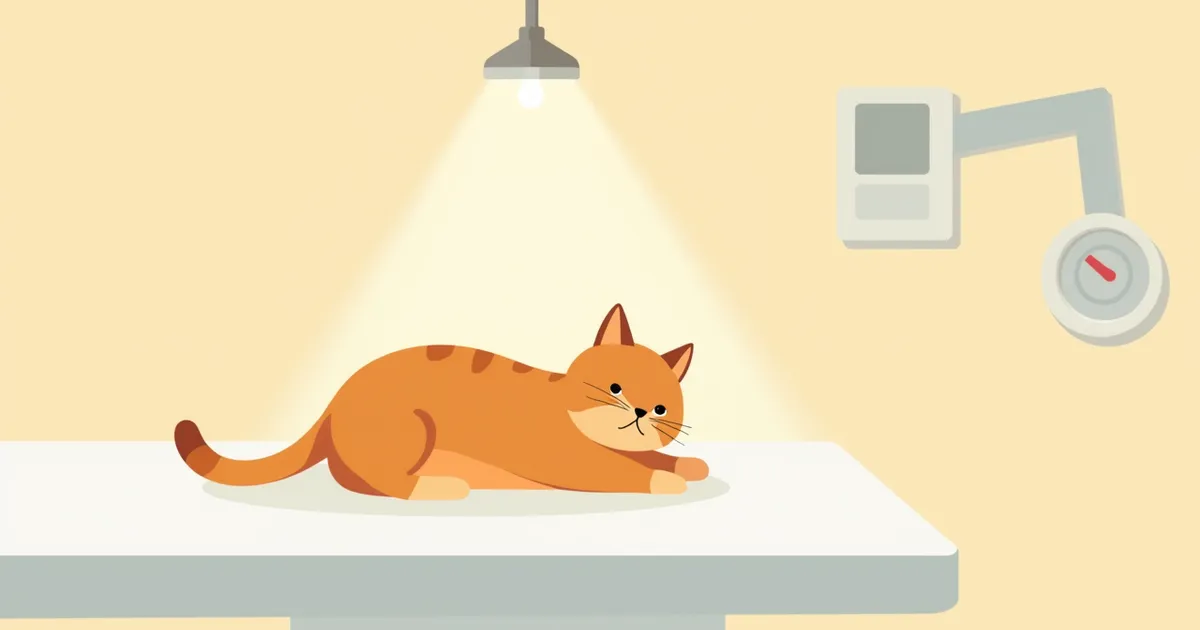
An elderly cat lying on the examination table, with a veterinarian examining its neck area.
Feline hyperthyroidism is an endocrine disorder commonly seen in senior cats aged 10 years and older, affecting approximately 10% of cats in this age group. - Excess thyroid hormone production: Autonomously active thyroid glands overproduce T4 and T3 hormones, which sharply accelerates the metabolic rate. - Diverse symptoms: Signs may include weight loss, increased appetite, irritability, and excessive activity. - Increased cardiac strain: Elevated heart rate and high blood pressure often accompany the condition, placing long-term stress on the heart. - Importance of early diagnosis: If symptoms appear, consult your veterinarian promptly for blood testing. - Timing of treatment initiation: Starting medication early helps prevent complications and significantly improves quality of life.

The Main Cause of Hyperthyroidism is Thyroid Tumors or Abnormal Activation
The primary cause of feline hyperthyroidism is an autonomous increase in hormone secretion due to benign nodular hyperplasia (adenoma) of the thyroid gland. - Mostly benign changes: Approximately 98% of cases involve benign nodular hyperplasia, while thyroid cancer (malignancy) accounts for only 1–3%. However, the thyroid gland may enlarge over time. - Excessive T4 and T3 production: Autonomously activated thyroid tissue produces T4 and T3 on its own, leading to elevated blood levels. - Association with age: The average age of onset is around 13 years, with most cases occurring in middle-aged to senior cats. - Exact cause unknown: The underlying cause of the disease has not yet been clearly identified. - Regular monitoring required: During medication treatment, regular check-ups are essential to prevent liver dysfunction or blood-related issues.
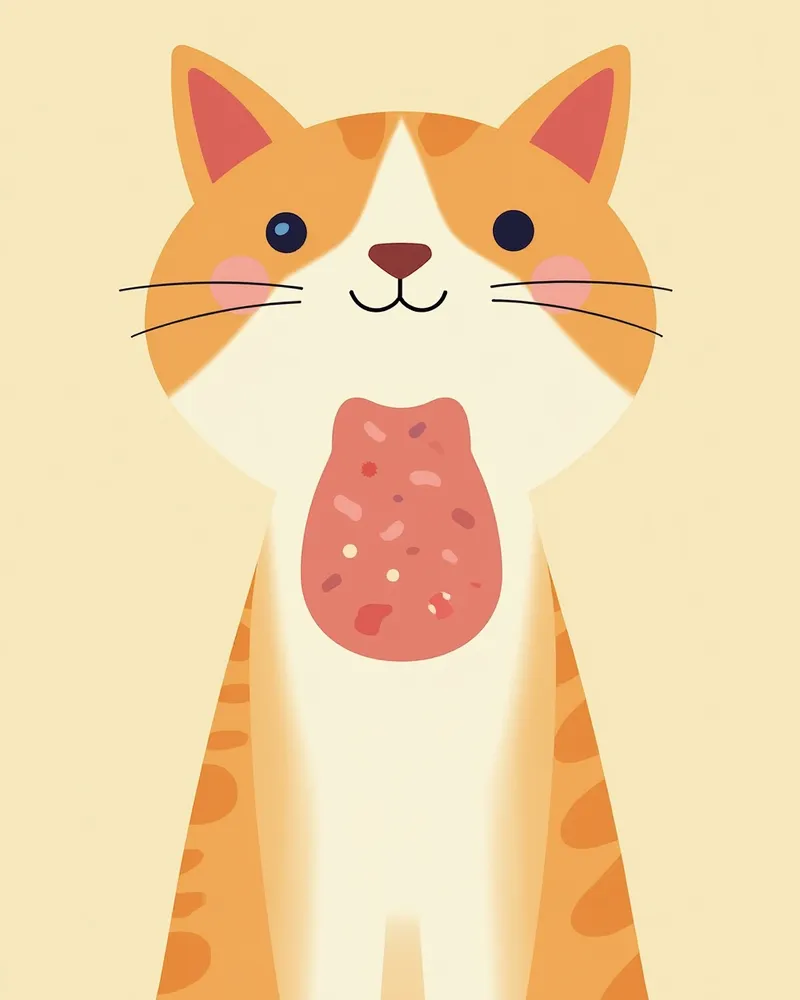
An image showing abnormal cell growth in an enlarged feline thyroid gland

Understand the Main Symptoms and Signs

The main symptoms of hyperthyroidism in cats are as follows. If you notice any of these signs, be sure to consult your veterinarian.
Weight loss: Despite a strong appetite, your cat may experience rapid weight loss.
Increased appetite: Your cat may eat more treats or dry food than usual.
Increased heart rate: The heart rate may remain elevated even at rest.
Hyperactivity: Your cat may display restless or agitated behavior.
Vomiting or diarrhea: Gastrointestinal symptoms may also occur.
Deteriorating coat condition: The fur may become coarse or prone to shedding.
A cat sitting with an anxious expression, its neck area slightly swollen.

Immediate Veterinary Visit is Necessary if Severe Heart Problems or High Blood Pressure Occur

When hyperthyroidism becomes severe, the heart rate can increase significantly, and high blood pressure may develop. This condition can lead to heart failure, so if symptoms such as palpitations, difficulty breathing, or fainting occur, immediate veterinary care is necessary.

Blood Tests and Thyroid Hormone Measurement are Needed for Accurate Diagnosis
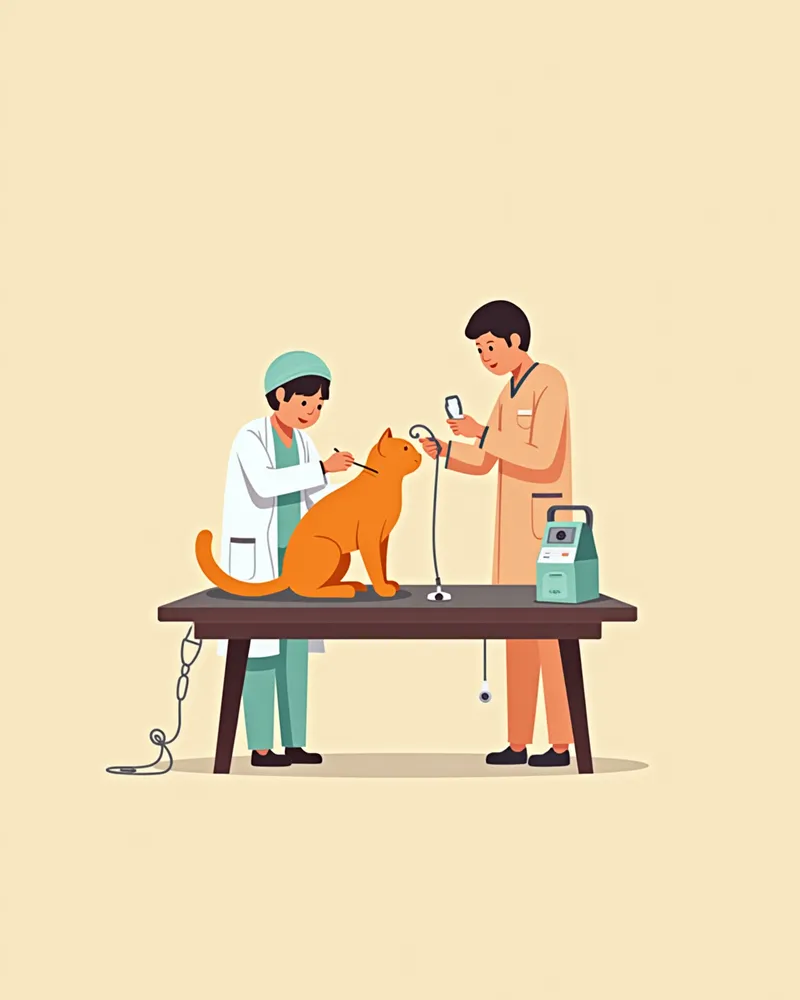
Blood tests are essential for an accurate diagnosis of feline hyperthyroidism. - Total T4 (TT4) measurement: Since total T4 levels are elevated in over 90% of affected cats, this test alone is often sufficient for diagnosis. - Supplementary free T4 testing: When total T4 levels are near the upper limit of normal or borderline, we check free T4 (via equilibrium dialysis) and TSH together. - Pre-test preparation: Minimize stress before the test and be sure to inform your veterinarian about any medications your cat is taking. - Need for retesting: Rather than relying on a single test result, we recommend a follow-up test in about four weeks or a comprehensive evaluation alongside clinical symptoms. - Immediate testing if symptoms are suspected: If your cat shows persistent signs such as increased appetite, weight loss, or excessive thirst and urination, testing is urgent. - Regular screening recommended: Cats aged 10 years and older should undergo routine blood tests.
A veterinarian drawing blood from a cat’s leg, inside the examination room

Medication Treatment Primarily Uses Methimazole and Carbimazole
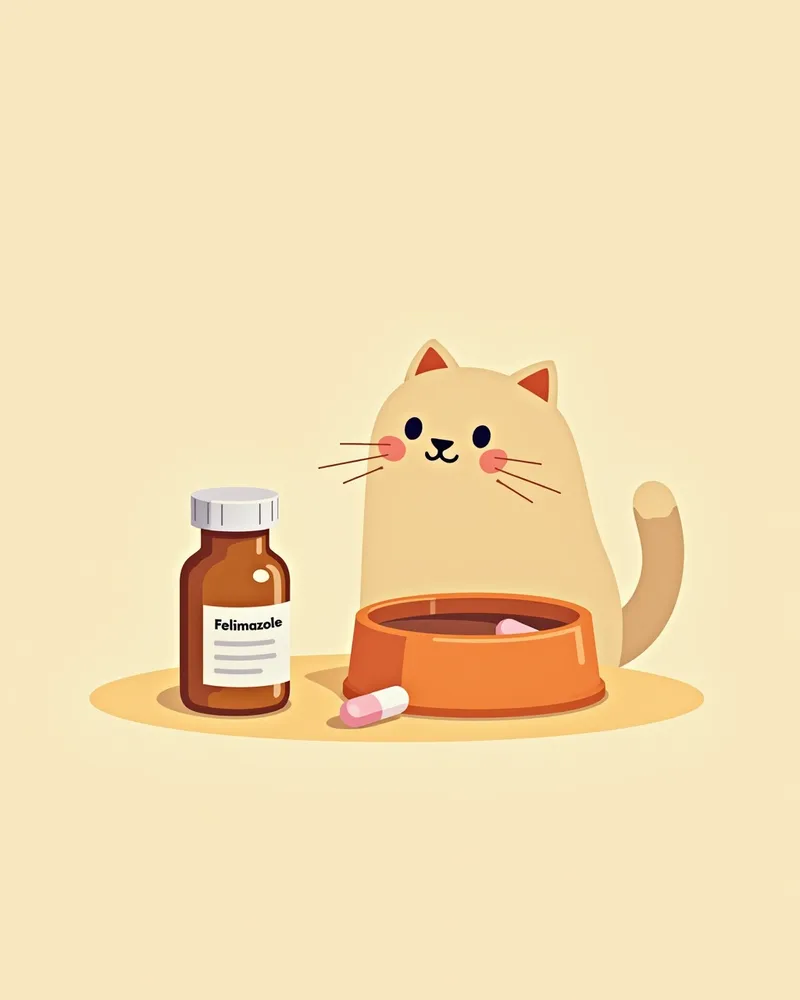
Medication for feline hyperthyroidism primarily involves methimazole and carbimazole. - Methimazole: Typically prescribed as Felimazole, it suppresses the production of thyroid hormones. - Carbimazole: Available under brand names such as Vidalta, it is rapidly metabolized into methimazole in the body, producing a similar effect. - Administration: To minimize side effects, treatment usually begins with a low dose, administered once or twice daily. - Dosage Adjustment: Your veterinarian will adjust the dosage based on your cat’s weight, clinical condition, and blood test results. - Regular Monitoring Is Essential: T4 levels should be measured 2–4 weeks after starting treatment, and approximately every six months once stable, to monitor efficacy and detect any side effects. - Watch for Side Effects: About one in four cats may experience nausea, decreased appetite, or blood-related issues. Contact your veterinarian immediately if you notice any abnormalities.
An image of a methimazole bottle placed next to a cat's food bowl.

Be Sure to Follow Home Care Points

During medication, the following care is essential. Consistent medication adherence and regular check-ups are key.
Regular Check-ups: Blood tests every 3 to 6 months are needed to monitor the effectiveness of the medication.
Consistent Medication Timing: Administer the medication at the same time every day.
Dietary Management: Adjust the cat's food based on its weight and condition.
Heart Condition Monitoring: Closely observe any changes in heart rate or abnormal breathing.
Monitoring for Side Effects: If symptoms such as vomiting, decreased appetite, or skin reactions occur, inform us immediately.
A cat with a calendar marking medication days and a pill bottle

Caution is Needed Due to Risks of Blood Problems or Liver Damage with Long-Term Use

Methimazole can cause blood-related side effects such as leukopenia (a decrease in white blood cells) or liver dysfunction, particularly within the first three months of treatment, making blood tests essential during this period. Additionally, long-term use for more than four years may increase the risk of thyroid cancer, so regular blood tests and ongoing monitoring are necessary. If any abnormal symptoms appear, seek veterinary care immediately.

Reviewed by a veterinarian

Dr. Tony — Punnawat Phongkittirak

Dr. Tony — Punnawat Phongkittirak

Veterinarian

A veterinarian who majored in veterinary medicine at Khon Kaen University, Thailand, and completed the IVSA program at North Carolina State University in the United States. Drawing on clinical experience at animal hospitals, he works in the pet healthcare field and is dedicated to building a digital care environment that connects pet parents with veterinarians.

Frequently Asked Questions

Can feline hyperthyroidism be cured?
Medication can help manage symptoms, but a complete cure is difficult. Radioactive iodine therapy or surgery offers a higher chance of a full cure.
Can my pet take other medications while undergoing drug treatment?
Because this medication may interact with other drugs, be sure to inform your veterinarian. This is especially important if your pet is taking antibiotics or pain relievers.
Will the symptoms return if I stop the medication?
Yes, stopping the medication can cause thyroid hormone levels to rise again and symptoms to recur. Consistent adherence to the prescribed regimen is essential.
Which is better, medication or radioactive iodine therapy?
Radioactive iodine therapy offers a high chance of cure with minimal short-term side effects, but it requires hospitalization and can be costly. Medication is convenient, but it requires long-term use and regular check-ups.
My cat hates taking medication. What should I do?
You can try mixing the medication with food or using a pill-giving aid. If oral administration is difficult, there are other options such as topical transdermal formulations, so please consult your veterinarian to find the most suitable method for your pet.

Comparison of Feline Hyperthyroidism Treatments

ItemChance of cureRisk of side effectsCost and convenience
Methimazole drug therapyLowModerate (blood problems, liver damage)Low (easy to administer)
Radioiodine therapyHighLowHigh (hospitalization required, high cost)
Surgical treatmentHighHigh (risk of nerve damage)Moderate (postoperative recovery needed)
Iodine-deficient dietLowLowLow (dietary management required)

The choice of treatment should be made according to the cat's health condition, the family's circumstances, and the veterinarian's advice.

Share

Related Guides

References

[1] Peterson ME, Kintzer PP, Hurvitz AI. Methimazole treatment of 262 cats with hyperthyroidism. J Vet Intern Med. 1988;2:150.

[2] Fox P, Peterson M, Broussard J. Electrocardiographic and radiographic changes in cats with hyperthyroidism: comparison of populations evaluated during 1992-1993 vs. 1979-1982. J Am Anim Hosp Assoc. 1998;35:27.

[3] Textbook of Cardiovascular Medicine in Dogs and Cats. Feline Hyperthyroidism section. 2020.

This information is based on veterinary literature and does not replace diagnosis or treatment. Please consult a veterinarian for specific health concerns.

Metapet Co., Ltd. | CEO: Park Sung-yong | Business Reg. No. 417-88-02562 | Seoul, South Korea | Customer Center

Cat Eating More but Losing Weight? Hyperthyroidism Timing | Meongsiljang