Like
Share
멍실장
고양이 회충 증상과 원인, 진단·치료와 관리 포인트 총정리

Feline Roundworms: Symptoms, Causes, Diagnosis, Treatment, and Management Essentials

Infection/ParasitesDiseasesMeongsiljang Veterinary Advisory Board

Feline roundworms are parasitic worms that primarily grow as larvae in the intestines, causing digestive issues. Early diagnosis and proper treatment are essential.

What Are Feline Roundworms?
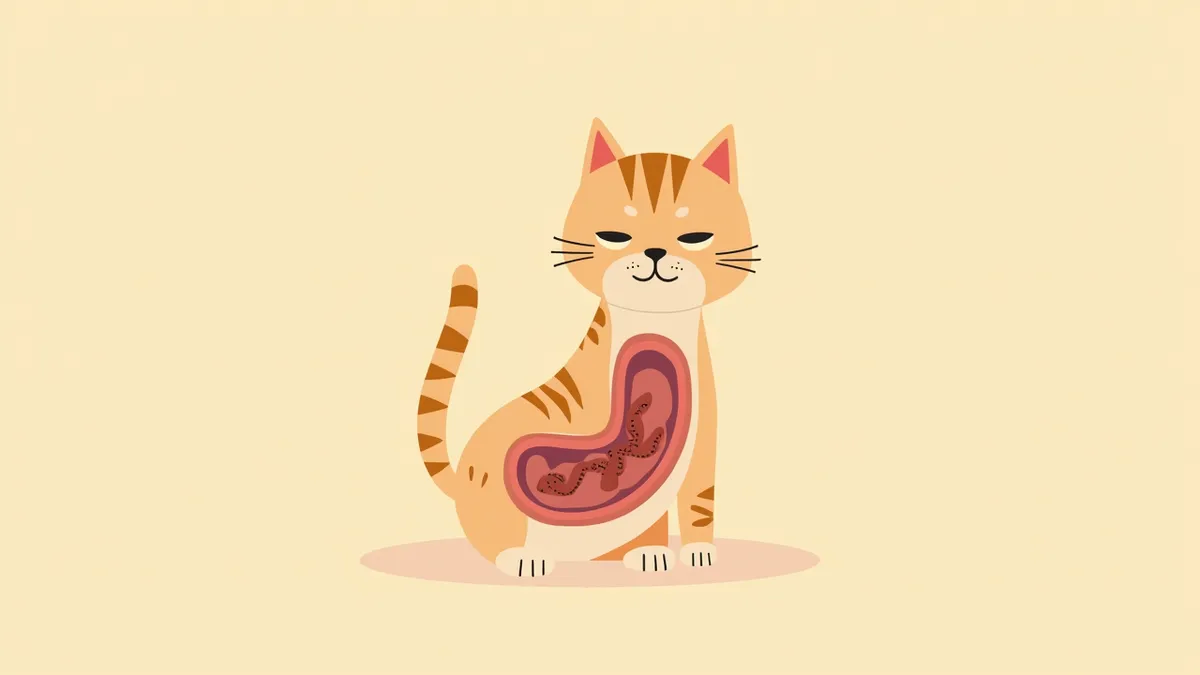
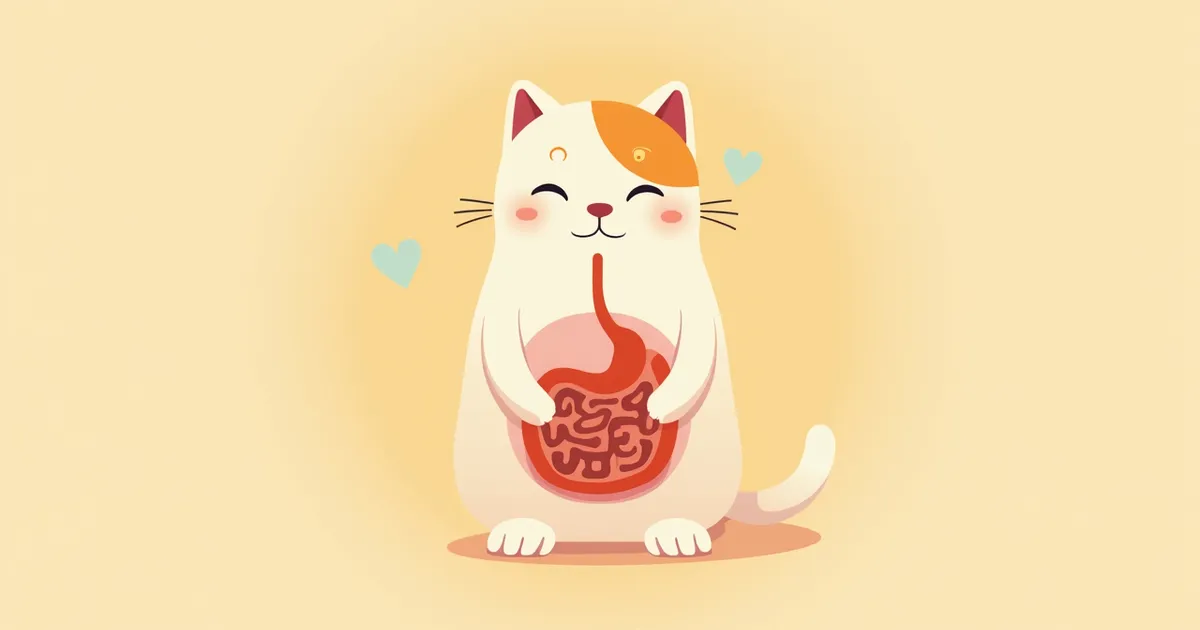
The anatomical location of roundworms in a cat's intestines
Feline roundworm infection is primarily caused by the parasite Toxocara cati, which resides in the intestines. T. cati is the most commonly identified nematode (roundworm) in cats and can impact gastrointestinal health by living within the intestines. Symptoms tend to be more pronounced in kittens. - Roundworms: These are linear nematode parasites that inhabit a cat’s intestines. By absorbing nutrients, they can be associated with weight loss and poor growth. - Transmission: Infection occurs when eggs or larvae from contaminated environments, such as soil or feces, enter the body. - At-risk group: Kittens are considered particularly vulnerable. - Gastrointestinal impact: Living in the intestines, roundworms can be associated with digestive symptoms like diarrhea. Whether other organs, such as the lungs or liver, are involved depends on the situation and requires consultation with a veterinarian.

Main Causes and Transmission Routes of Roundworms

Cat roundworms are primarily transmitted through contaminated soil, feces, or maternal milk. Kittens can ingest larvae through their mother’s milk, and playing in soil or ingesting foreign objects also poses a risk. - Contaminated environments: If feces remain in soil or play areas, larvae can survive for extended periods, increasing the risk of infection. - Maternal transmission: Larvae may be present in the mother cat’s mammary glands, leading to transmission to offspring during nursing. - Behavioral risks: Habits such as eating soil or foreign objects while playing increase the likelihood of infection. - Risk of reinfection: Even after treatment, exposure to remaining larvae in the environment can easily lead to reinfection.
A situation in which a cat can become infected with roundworms through contact with contaminated soil.

Key Symptoms and Signs

If you suspect your cat has roundworms, watch for these key symptoms:
Vomiting and diarrhea: Intestinal inflammation can cause repeated vomiting and watery diarrhea.
Weight loss: Poor nutrient absorption leads to a drop in body weight.
Distended abdomen: A buildup of parasites in the intestines can cause the belly to appear bloated or pot-bellied.
Dull coat and lethargy: Nutritional deficiencies result in decreased activity levels and a rough, unkempt coat.
Loss of appetite: Discomfort in the gut can cause a sudden decline in appetite.
Image showing the main symptoms of roundworm infection in cats

When to Visit the Vet Immediately

If your cat is experiencing severe vomiting, persistent diarrhea, abdominal distension, or decreased consciousness, you should take them to the vet immediately. These symptoms could indicate a risk of intestinal obstruction or damage to the gastrointestinal tract.

Accurate Diagnostic Methods
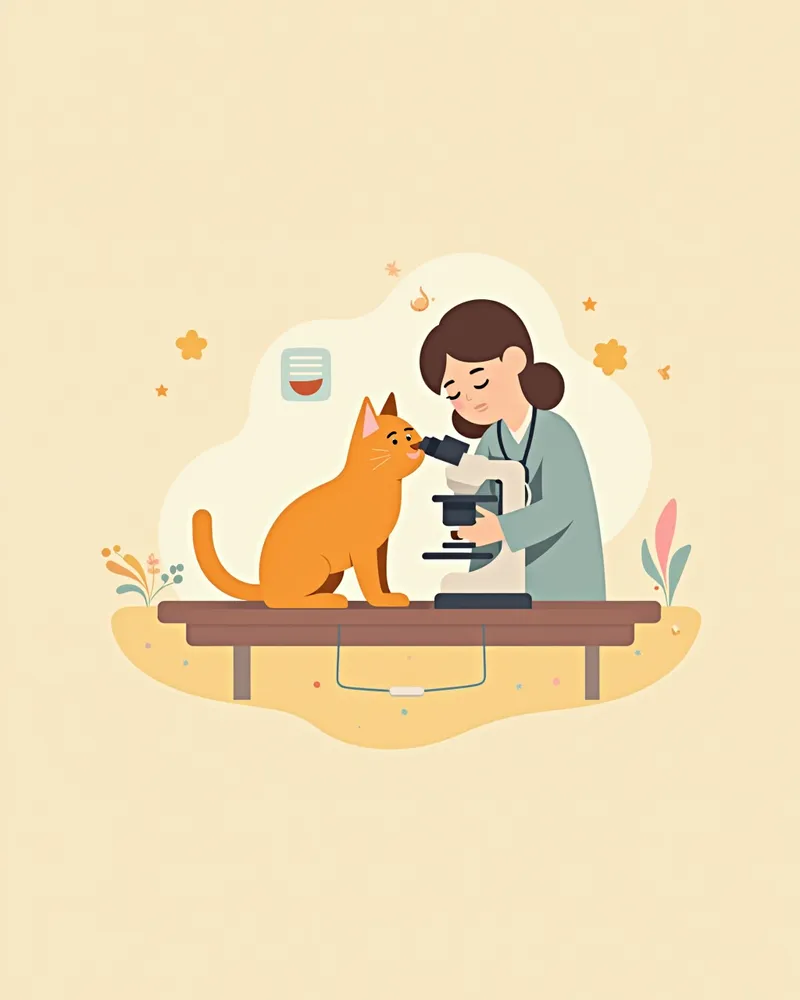
Feline roundworms are diagnosed through fecal testing. Since roundworm eggs are shed in the stool, it is essential to confirm their presence using a fecal flotation test. - Fecal flotation test: This is the most widely used method, allowing veterinarians to visually confirm the presence of roundworm eggs in the stool under a microscope. - Repeat testing may be necessary: Eggs are not always shed in every sample, so if a single test is inconclusive, multiple tests may be required for an accurate diagnosis. - Additional tests: If symptoms such as diarrhea are present, your veterinarian may recommend further examinations to assess your cat’s condition. - Regular testing is recommended: Especially for kittens and cats that go outdoors, regular fecal testing as advised by your veterinarian is highly beneficial. - Testing when symptoms are suspected: If your cat experiences persistent vomiting, diarrhea, or weight loss, a fecal test is strongly recommended.
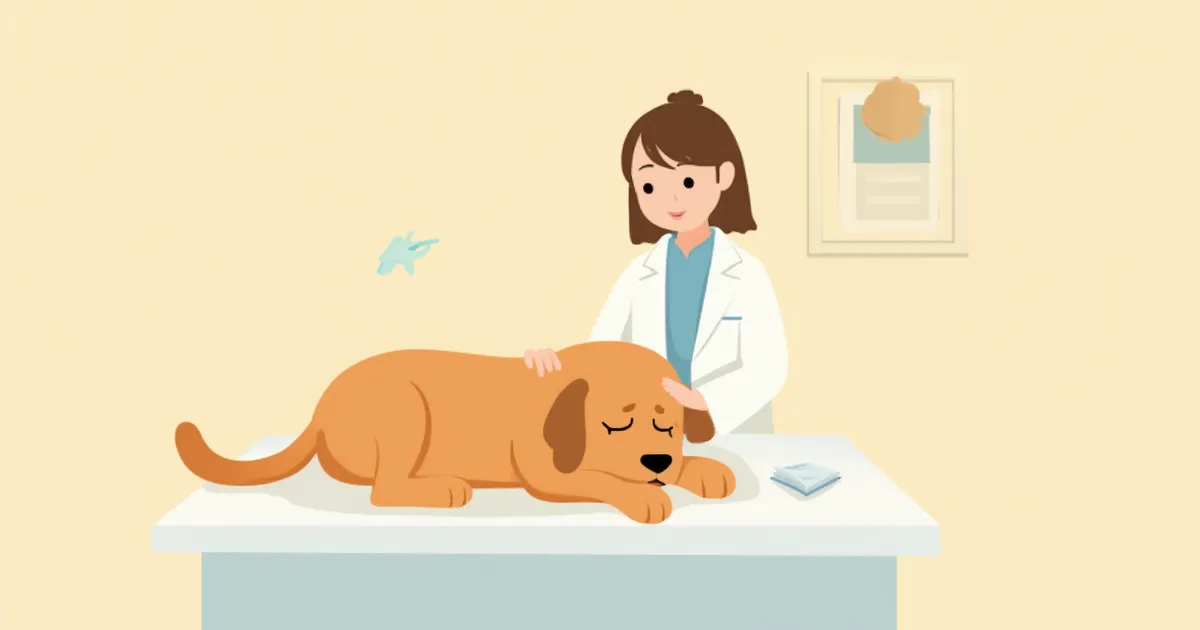
A scene showing a fecal examination for diagnosing roundworms in cats.

Treatment Methods and Step-by-Step Management
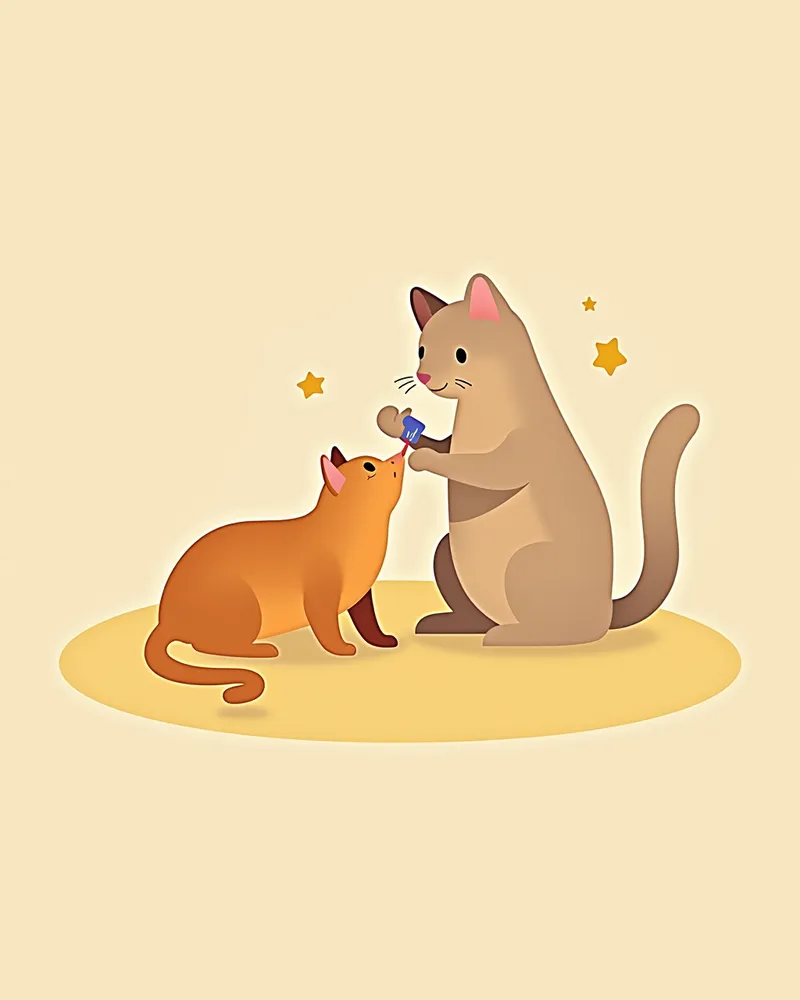
Treating roundworms in cats involves deworming medication and environmental management.
Medication: Dewormers such as fenbendazole or a combination of febantel, pyrantel, and praziquantel are used. Your veterinarian will prescribe the appropriate treatment based on your cat’s weight and condition.
Preventing reinfection: Promptly remove infected feces and keep the litter box and surrounding areas clean.
Nursing kittens: Check the mother cat for infection along with the kittens, and treat both if necessary.
Regular medication and retesting: After treatment, perform a fecal test after a set period to check for remaining eggs, and administer additional doses if needed. Confirming the absence of infection through multiple fecal tests is recommended.
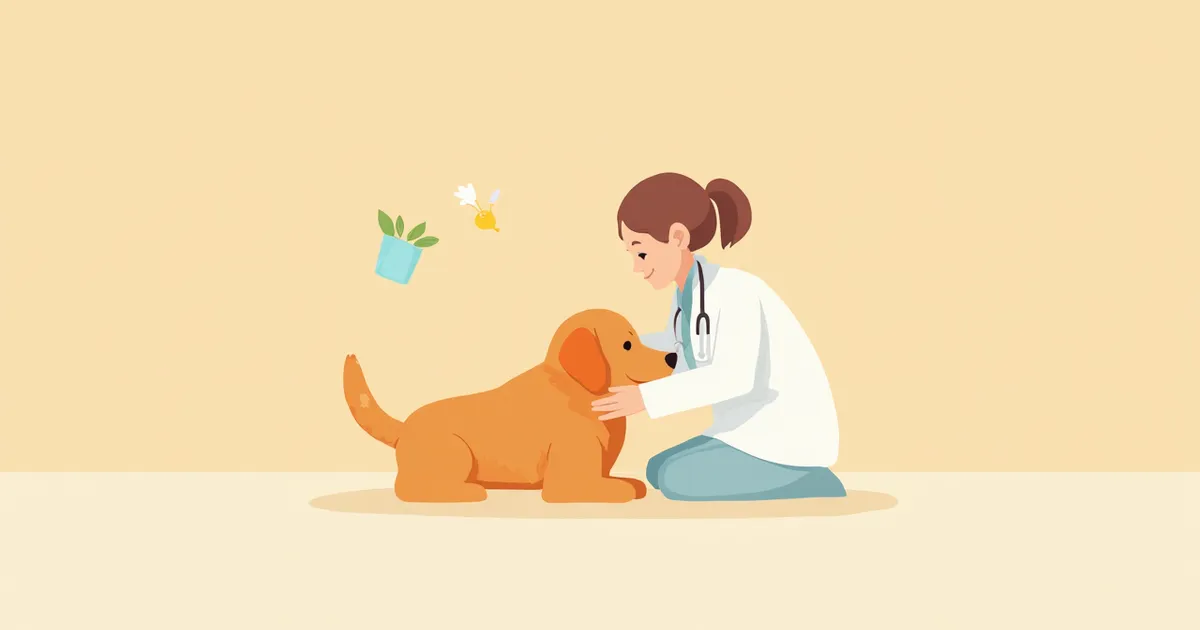
A scene of administering medication for treating roundworms in cats

Home Management and Prevention Tips

Prevention is the most important step in protecting cats from roundworms. Please be sure to follow these guidelines:
Regular deworming: It is essential to administer deworming medication periodically, as recommended by your veterinarian, especially for high-risk groups such as kittens, outdoor cats, and nursing queens.
Prompt removal of feces: Clean the litter box daily and dispose of waste immediately.
Keep cats indoors: Keeping your cat indoors helps reduce the risk of infection.
Disinfect toys and dishes: Regularly disinfect items your cat frequently touches.
Treat nursing queens as well: The mother cat must also receive treatment.
A scene showing environmental cleaning to prevent roundworms in cats

Breed-Specific Precautions and Recurrence Prevention

Kittens and cats with weakened immune systems are more susceptible to roundworm infections. Even indoor cats can bring contaminated soil inside on their paws, making regular deworming essential.

Reviewed by a veterinarian

Dr. Tony — Punnawat Phongkittirak

Dr. Tony — Punnawat Phongkittirak

Veterinarian

A veterinarian who majored in veterinary medicine at Khon Kaen University, Thailand, and completed the IVSA program at North Carolina State University in the United States. Drawing on clinical experience at animal hospitals, he works in the pet healthcare field and is dedicated to building a digital care environment that connects pet parents with veterinarians.

Frequently Asked Questions

Can cat roundworms be transmitted to humans?
Roundworms can also be transmitted to humans, as their larvae can enter the human body and cause symptoms. Therefore, it is essential to promptly dispose of your cat’s feces and maintain good hand hygiene.
Can I give deworming medication to my pet at home?
No. Deworming medication should be prescribed by a veterinarian based on your pet's weight and health condition. Incorrect dosages can cause side effects.
After giving deworming medication, I found roundworms in my pet’s stool. Is this normal?
Yes, that can happen. When the medication takes effect, dead roundworms may appear mixed in with your pet’s stool. If you’re concerned about anything, it’s a good idea to consult your veterinarian.
How long should treatment continue if a cat is infected with roundworms?
Follow your veterinarian’s instructions to administer the medication at regular intervals, then confirm the results with a fecal exam. Even if symptoms have disappeared, it’s important to verify that all parasite eggs have been completely eliminated.
Can indoor cats also get infected with roundworms?
Yes, infections can occur when soil or contaminated objects are tracked in on your pet’s paws. Even indoor cats may need regular deworming, depending on their risk level and your veterinarian’s recommendation.

Share

Related Guides

References

[1] Clinical Medicine of the Dog and Cat, 4th Ed, 2020

[2] The Cat, Clinical Medicine and Management, 2nd Edition, 2018

[3] Principles and Practices of Canine and Feline Clinical Parasitic Diseases, 2021

This information is based on veterinary literature and does not replace diagnosis or treatment. Please consult a veterinarian for specific health concerns.

Metapet Co., Ltd. | CEO: Park Sung-yong | Business Reg. No. 417-88-02562 | Seoul, South Korea | Customer Center

Cat Roundworm Symptoms, Treatments, and Essential Prevention Tips | Meongsiljang