Like
Share
멍실장
고양이 발톱 관리 방법 증상과 원인, 진단·치료와 관리 포인트 총정리

Cat Claw Care: Symptoms, Causes, Diagnosis, Treatment, and Management Tips

Lifestyle & Age CareDiseasesMeongsiljang Veterinary Advisory Board

Regular nail care is an essential preventive measure for your cat’s overall health. Improper handling can lead to pain or injury, so it’s important to check their nails regularly and use the correct trimming technique.

Cat Claw Care is the Foundation of a Healthy Life
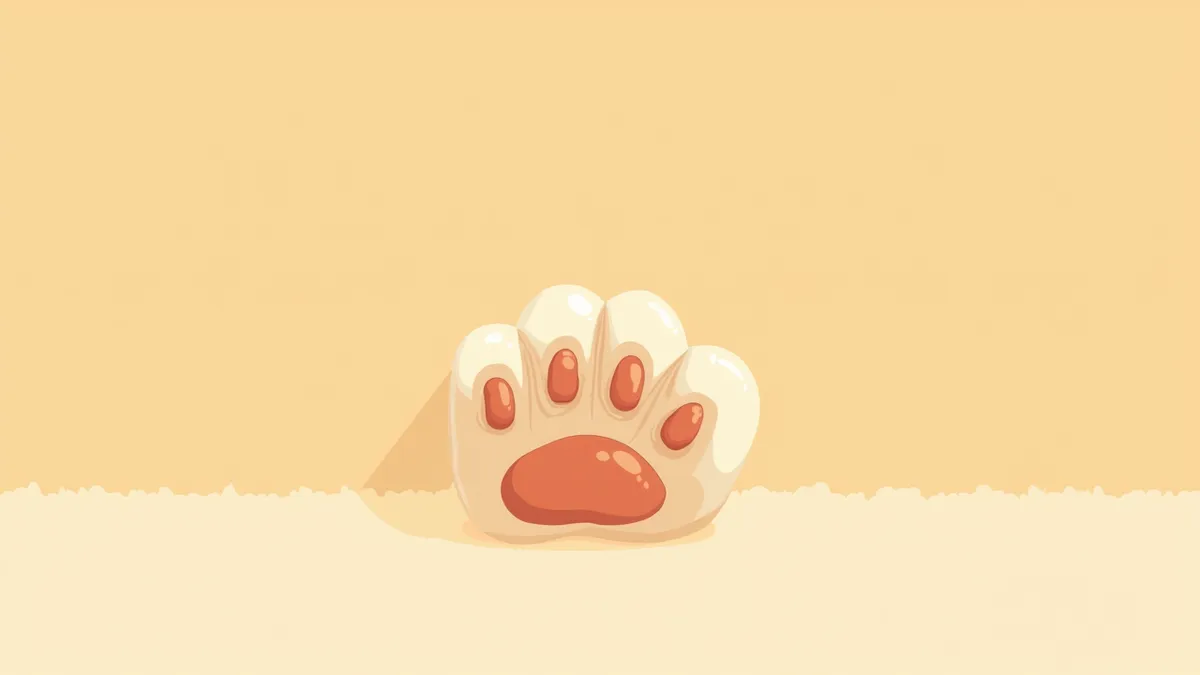
Overgrown cat claws
Proper nail care is an essential preventive measure for protecting both your cat’s and your own health. Overgrown nails can increase the risk of snagging, slipping, and infection, and may also scratch and damage household items. Regular checks and proper maintenance are key.
Check nail length: If the nails are long enough to touch the ground, they need to be trimmed.
Changes at the nail tip: Redness or swelling may indicate an infection.
Nail loss: Sudden loss of a nail can be a sign of injury or illness.
Bleeding at the back of the nail: When trimming with clippers, you may accidentally cut into the quick, causing bleeding.
Nail care is not just about trimming—it’s a strategy to support your cat’s overall well-being.

The Main Causes of Claw Problems are Lifestyle Habits and Health Status

There are many reasons why a cat’s claws may become overgrown or damaged, with lifestyle and health being the primary factors. If a cat doesn’t have an environment that encourages frequent running and jumping, their claws won’t wear down naturally. Additionally, reduced mobility due to illness or aging can lead to longer claws.
Insufficient environmental enrichment: A lack of beds, play areas, or scratching posts can prevent natural claw wear.
Aging: Senior cats tend to move less, which can result in longer claws.
Medical conditions: Diseases such as diabetes or arthritis can limit movement, making claw care more difficult.
Excessive scratching: Without proper or adequate scratching posts, claws may grow longer.
Abnormal claw growth: Genetic factors or infections can cause claws to grow abnormally.
Understanding the underlying cause helps you choose the most effective care approach.
A cat scratching a scratching post

The Main Symptoms of Claw Problems are Behavioral Changes and Physical Abnormalities
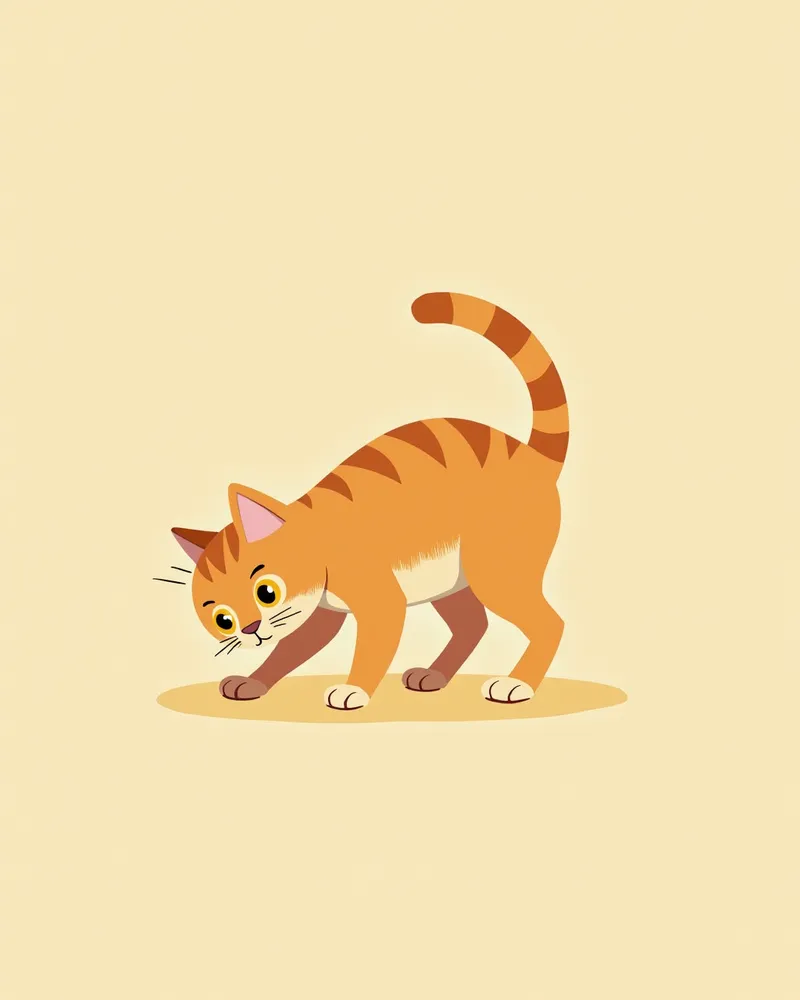
When cats develop claw problems, their behavior and physical condition can change. If owners miss these signs, the condition may worsen, so careful observation is essential.
Rapid claw growth: The claws have grown so long that they touch the ground.
Bleeding at the claw base: When trimming with clippers, the blood vessel may be exposed, causing bleeding.
Swelling at the claw tip: Redness and swelling around the claw are signs of infection.
Claw loss: The claw may suddenly fall off or begin to loosen.
Difficulty walking: Overgrown claws make it hard for the cat to place its paws properly.
If you notice any of these symptoms, consult your veterinarian immediately. Early detection is key to effective treatment.
A cat having difficulty walking due to claw problems

Situations Requiring Immediate Veterinary Visit

If your cat’s claws are severely damaged or bleeding persists, seek veterinary care immediately. This is especially urgent if the claw has fallen out, the area around it is red and swollen, or your cat shows signs of pain—these are emergency situations.

Veterinarians Assess Claw Condition for Accurate Diagnosis

Diagnosing feline claw issues requires a thorough veterinary examination. Your vet will comprehensively assess claw length and condition, as well as the response of surrounding tissues. If necessary, X-rays or blood tests may be performed to rule out underlying medical conditions.
Physical Examination: Checks claw length, the position of the quick (blood vessels), and signs of infection or inflammation.
X-ray or CT Imaging: Evaluates the claw root, foot bones, and any tumor-like changes.
Blood Tests: Identifies underlying conditions, such as endocrine disorders like diabetes.
Cytology and Culture: Collects exudate from the claw fold to test for bacterial, yeast, or fungal infections.
An accurate diagnosis is the first step toward effective treatment.
A veterinarian examining a cat's claws

Treatment Methods Vary Depending on the Cause and Severity of the Problem

Treatment for feline claw issues depends on the underlying cause and severity, ranging from simple length management to more comprehensive care. All interventions should be carried out under veterinary guidance.
Claw trimming: Safely cutting overgrown claws.
Infection treatment: Infections are treated with antibiotics or topical medications as determined by your veterinarian. However, long-term use of antibiotics is not recommended.
Pain management: Pain is alleviated using pain relievers prescribed by your veterinarian.
Surgical intervention: Surgery may be necessary if the claw has fallen out or if there are bone or tumor-related changes.
Environmental adjustments: Providing scratching posts and play areas helps naturally wear down claws.
Effective treatment goes beyond short-term measures and requires a long-term management strategy.
A veterinarian trimming a cat's claws

Home Care: Regular Checks and Safe Methods are Key
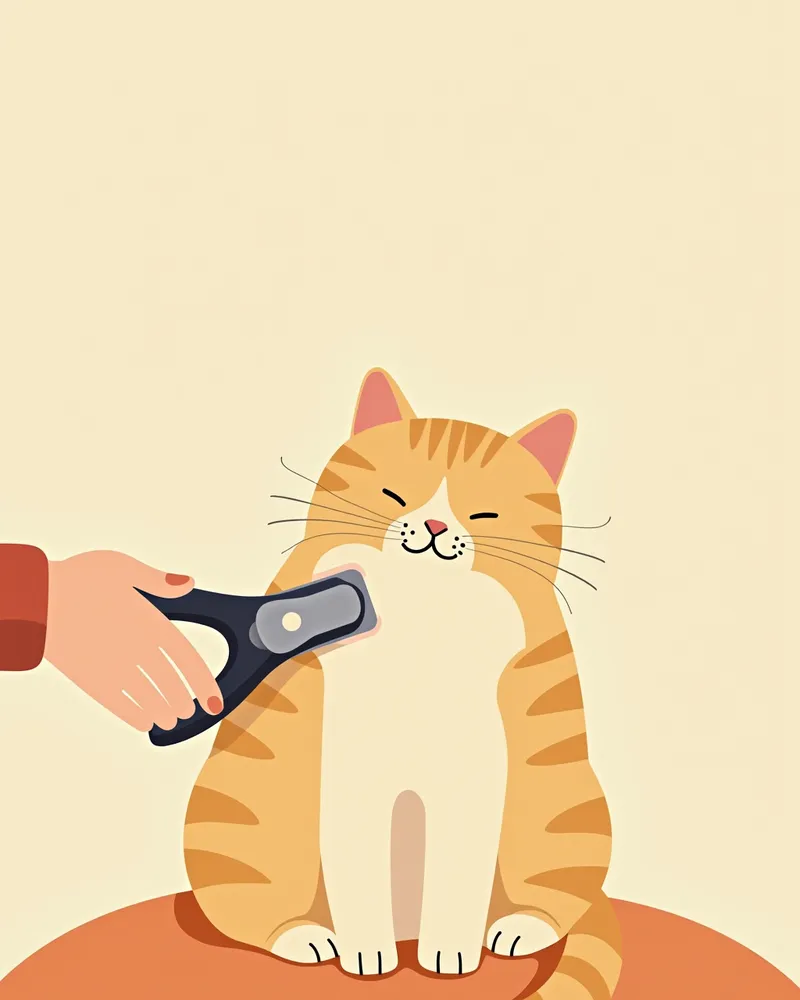
You can trim your cat’s claws regularly at home, but it’s important to use safe tools and proper techniques. To minimize stress, perform the trimming in a quiet environment.
Choosing clippers: Select the tool that best suits your cat—scissor-style, guillotine-style, or rotary grinder.
Locating the quick: Avoid the pink blood vessel (quick) inside the claw and trim only the very tip in front of it.
Quiet environment: Trim the claws in a place where your cat feels comfortable.
Trimming in small increments: Don’t cut too much at once; proceed slowly.
Offering rewards: Reward your cat with treats or affection after trimming.
Consistent care plays a significant role in maintaining your cat’s health.
A caregiver trimming a cat’s claws in a quiet environment

Certain Breeds are More Susceptible to Claw Problems

Certain breeds or individual pets may be more susceptible to immune-mediated or infectious diseases affecting the claws and claw folds. For example, conditions like pemphigus foliaceus, which can simultaneously affect multiple claws, are known to occur. However, breed predispositions should only be used as a reference. If you notice redness or swelling around the claws, it is essential to monitor your pet closely through regular health check-ups and proper care.

Reviewed by a veterinarian

Dr. Tony — Punnawat Phongkittirak

Dr. Tony — Punnawat Phongkittirak

Veterinarian

A veterinarian who majored in veterinary medicine at Khon Kaen University, Thailand, and completed the IVSA program at North Carolina State University in the United States. Drawing on clinical experience at animal hospitals, he works in the pet healthcare field and is dedicated to building a digital care environment that connects pet parents with veterinarians.

Frequently Asked Questions

How often should you trim your cat’s claws?
It’s best to check and trim them every two to four weeks, depending on your pet’s environment and activity level.
What should I do if my pet’s nail starts bleeding after trimming?
Apply pressure using a sponge or cotton swab. If the bleeding does not stop, consult a veterinarian immediately.
My cat hates having its nails trimmed. What should I do?
In a quiet environment, slowly cut small pieces and offer them as treats. Gradually get your pet used to it.
Long claws can damage household items. How can I prevent this?
Provide a scratching post and regularly check your pet’s nails. Trim them with clippers as needed.
What should I do if my pet loses a claw?
If the area where the nail fell out is red or swollen, a vet visit is necessary. Keep it clean to prevent infection.

Share

Related Guides

References

[1] The Cat, Clinical Medicine and Management, 2nd Edition, 2023

[2] Assessing Essential Skills of Veterinary Technology Students, 4th Edition, 2021

[3] Yeon SC, Flanders JA, Scarlett JM, et al. Attitudes of owners regarding tendonectomy and onychectomy in cats. J Am Vet Med Assoc. 2016;249:638–643.

This information is based on veterinary literature and does not replace diagnosis or treatment. Please consult a veterinarian for specific health concerns.

Metapet Co., Ltd. | CEO: Park Sung-yong | Business Reg. No. 417-88-02562 | Seoul, South Korea | Customer Center

Cat Claw Care Guide: Symptoms, Causes, and Treatment Strategies | Meongsiljang