
Dog Urethral Stricture: Symptoms, Causes, Diagnosis, Treatment, and Management Essentials
Urethral stricture in dogs is a condition where the urethra narrows, making it difficult to urinate and causing pain and urinary problems. Early detection and proper treatment are essential.
What is urethral stricture in dogs?
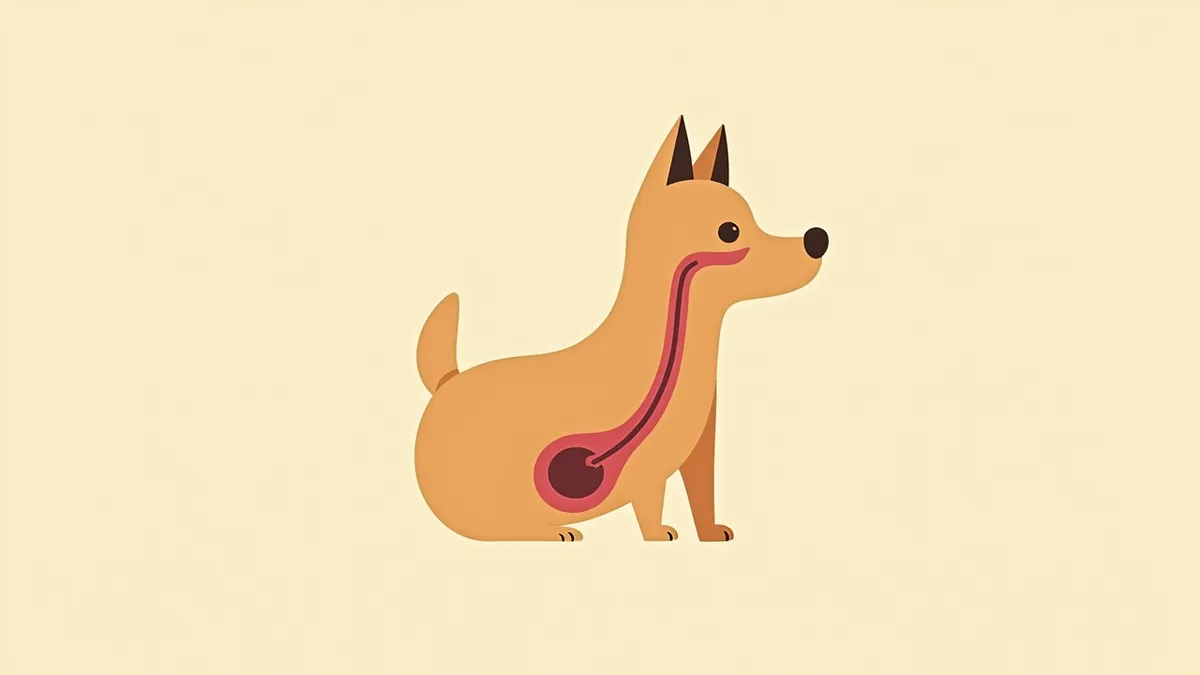
What are the main causes of urethral stricture?
Check for key symptoms and signs
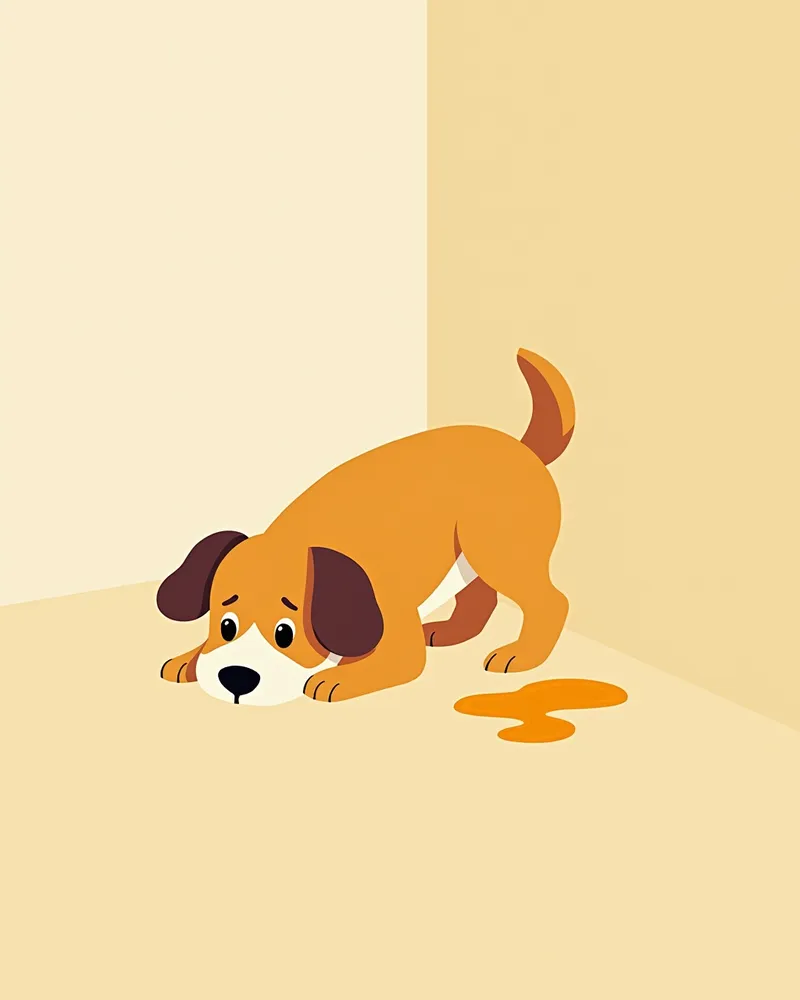
Emergency situations requiring immediate veterinary care
If your dog is unable to urinate at all, has a distended abdomen, and is showing signs of distress, you should seek veterinary care immediately. Urethral obstruction is a medical emergency requiring prompt treatment; without timely intervention, it can lead to uremia (azotemia) and acute kidney injury, which can be life-threatening. Male dogs are at higher risk of obstruction due to their narrower urethral diameter. Do not delay—contact your veterinarian right away and arrange for immediate transport to the clinic.
Diagnostic tests for accurate diagnosis

Treatment options and step-by-step management

Home care and prevention tips
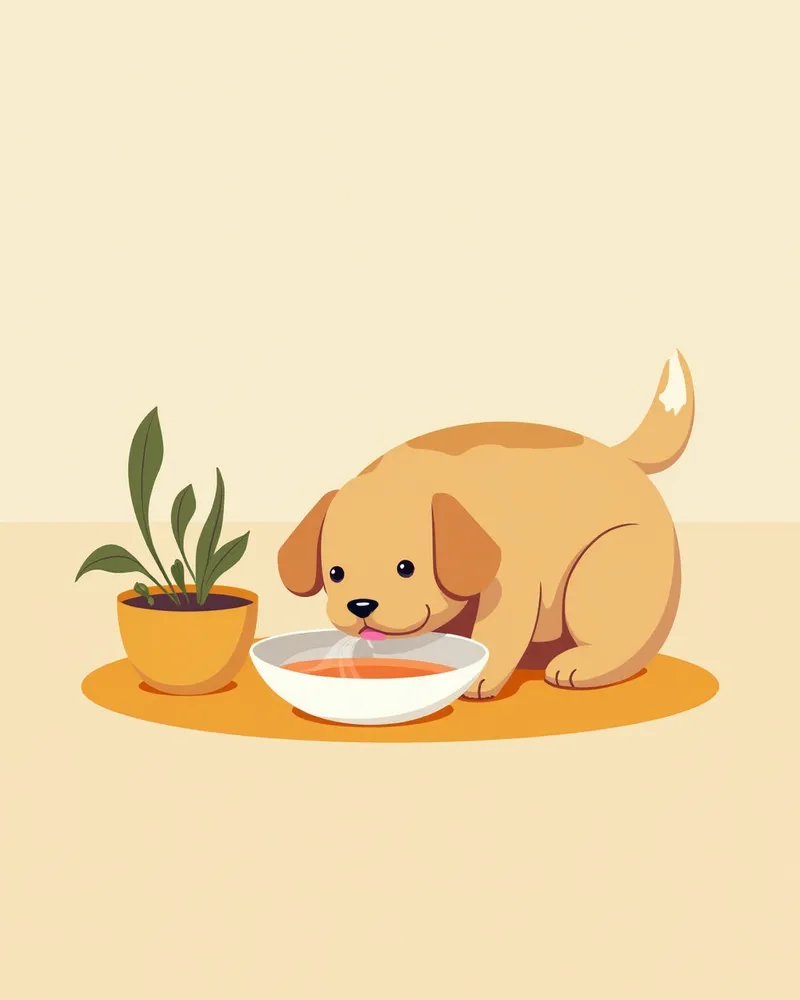
Precautions for male dogs and specific breeds
Male dogs have narrower urethras than females, so they are at a higher risk of developing urethral strictures when injuries or inflammation occur. Small dogs can also be affected by minor injuries, so caution is necessary. Additionally, some breeds have congenital abnormalities in their urethral or ureteral structures (such as ectopic ureters), making them more prone to urinary tract issues. It is important to check breed-specific characteristics before adoption and to establish a preventive care plan.
Reviewed by a veterinarian

Dr. Tony — Punnawat Phongkittirak
VeterinarianA veterinarian who majored in veterinary medicine at Khon Kaen University, Thailand, and completed the IVSA program at North Carolina State University in the United States. Drawing on clinical experience at animal hospitals, he works in the pet healthcare field and is dedicated to building a digital care environment that connects pet parents with veterinarians.
Reviewed 2026-06-29
Frequently Asked Questions
Can urethral strictures recur after treatment?
How long does urethral stricture surgery take?
Could urethral stricture be the reason your dog isn’t urinating?
Is there a genetic component to urethral stricture?
What medications are used to treat urethral stricture?
Share
Related Guides

Top 5 Prescription Diets for Feline FLUTD — Comparison by Struvite and Calcium Oxalate Stones

Top 7 Prescription Diets for Feline Bladder and Urinary Tract Health Recommended by Veterinarians — Including Selection Criteria

Top 5 Cranberry Urinary Supplements for Dogs — Preventing Cystitis
Feline Neurogenic Bladder: Symptoms, Causes, Diagnosis, Treatment, and Management Essentials
Feline Hydronephrosis: Symptoms, Causes, Diagnosis, Treatment, and Management Essentials
Complete Guide to Feline Hematuria: Symptoms, Causes, Diagnosis, Treatment, and Management
Feline Bladder Ultrasound: Symptoms, Causes, Diagnosis, Treatment, and Care Essentials
Feline Bacterial Cystitis: Symptoms, Causes, Diagnosis, Treatment, and Management Essentials
Dog Lung Percussion and Thoracentesis: Symptoms, Causes, Diagnosis, Treatment, and Management Essentials
Canine Pulmonary Thromboembolism: Symptoms, Causes, Diagnosis, Treatment, and Management Essentials
References
[1] Plumb's Veterinary Drug Handbook, 9th ed. (2022). Wiley-Blackwell.
[2] Feldman, E.C. and Nelson, R.W. (2022). Canine and Feline Nephrology and Urology, 5th ed. Elsevier.