Like
Share
멍실장
강아지 어린이·개 물림 예방 증상과 원인, 진단·치료와 관리 포인트 총정리

If You Share a Space with Your Child and Dog — Warning Signs and Prevention Rules for Dog Bites

Brain & CognitionDiseasesMeongsiljang Veterinary Advisory Board

Dog bites can happen with any breed under certain circumstances. The key to prevention is recognizing the warning signs a dog gives and starting proper training for both your child and your dog.

What Is a Dog Bite Incident?

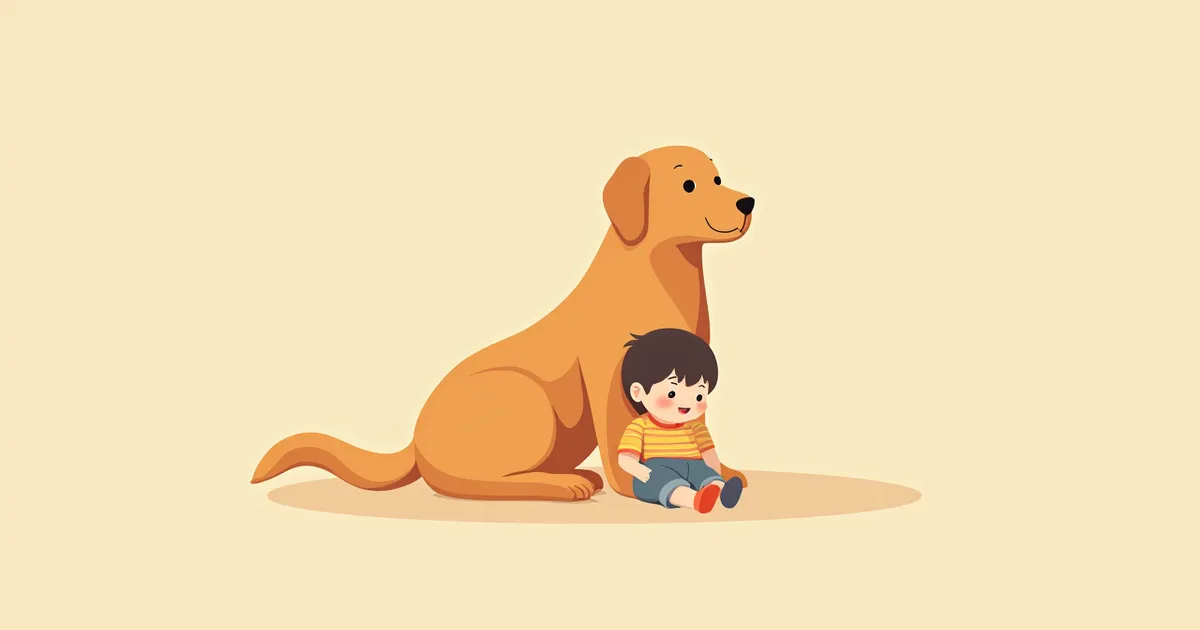
A puppy sitting calmly beside its owner and its young companion.
Dog bites are a behavioral response in which a dog uses its teeth defensively when it feels threatened or anxious. The most important point to remember is that any dog, regardless of breed or temperament, can bite in certain situations. Veterinary behavior specialists emphasize that you should never assume a dog is safe based solely on its breed or personality. If both pet owners and children learn to recognize a dog’s warning signals in advance, most incidents can be prevented.

Common Causes of Dog Bite Incidents

Dog bites can happen not only with unfamiliar dogs but also with pets living in the same household. In fact, textbook cases have reported incidents where a newly adopted dog and an existing pet were left alone together for an extended period, resulting in a bite. The main causes can be categorized as follows:
Pain or illness: If a dog is experiencing pain or has underlying medical issues—such as endocrine, neurological, or skin conditions—it may bite defensively when the affected area is touched.
Approaching during meals: Suddenly reaching toward a dog while it’s eating can trigger resource-guarding instincts.
Startling a sleeping dog: Touching a dog abruptly while it’s asleep can cause it to bite reflexively out of surprise.
Excessive physical contact: Actions like petting, reaching out, or pulling on ears and tails can push stress levels beyond the dog’s tolerance threshold.

Checklist of Warning Signals Dogs Give Before Biting

Dogs typically send a series of escalating signals before biting. Ignoring these cues can lead to an accident.
Freezing or stiffening: Suddenly stopping movement and becoming rigid is an early warning sign.
Lip licking or yawning: These are calming signals that indicate discomfort and stress.
Low growling: Never scold your dog for this—it’s a clear warning that their fear is intensifying. If you don’t stop here, the situation can escalate through baring teeth, lunging, or snapping (air biting) to an actual bite.
Baring teeth or snapping: This is the stage immediately before a bite. Immediately move your child away.
Ears pinned back flat: A dog may still bite even when in a state of fear.
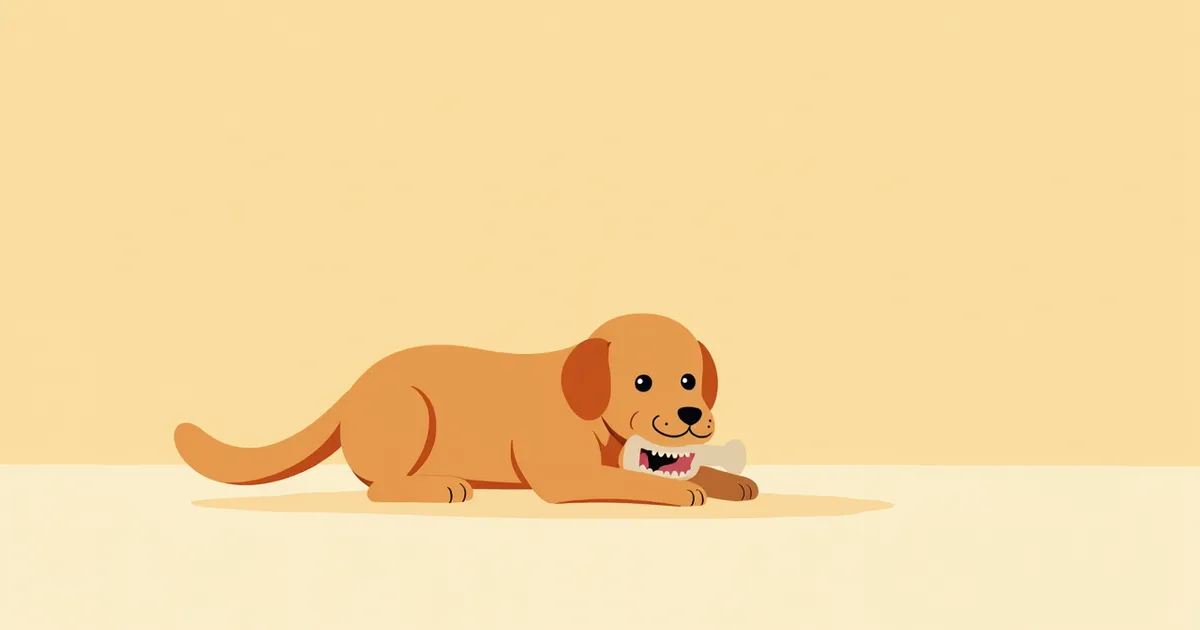
Body language signs that your dog is feeling stressed — flattened ears and a tense posture

When to Seek Emergency Care and Go to the Vet Immediately

If a bite wound is deep or bleeding won’t stop, seek emergency care immediately. Even seemingly minor wounds on areas rich in nerves and blood vessels—such as the face, neck, or fingers—require veterinary evaluation. Rapid swelling or warmth at the site may signal a bacterial infection. Also, be sure to verify your pet’s vaccination status for tetanus and rabies.

First Aid Steps When a Child Is Bitten by a Dog

Stay calm and separate your child from the dog, then follow these steps: 1. Clean the wound: Rinse thoroughly under running water for at least 5 minutes. This is the most critical step in preventing bacterial contamination. 2. Control bleeding: Gently apply pressure with a clean gauze pad. 3. Disinfect and cover: Wrap the wound with a clean bandage after disinfecting. 4. Visit the vet the same day: Even minor wounds carry a risk of bacterial infection. 5. Isolate the dog: If the dog is agitated, confine it to a quiet space for a short period.

Veterinary Diagnosis and Treatment — How Does It Proceed?
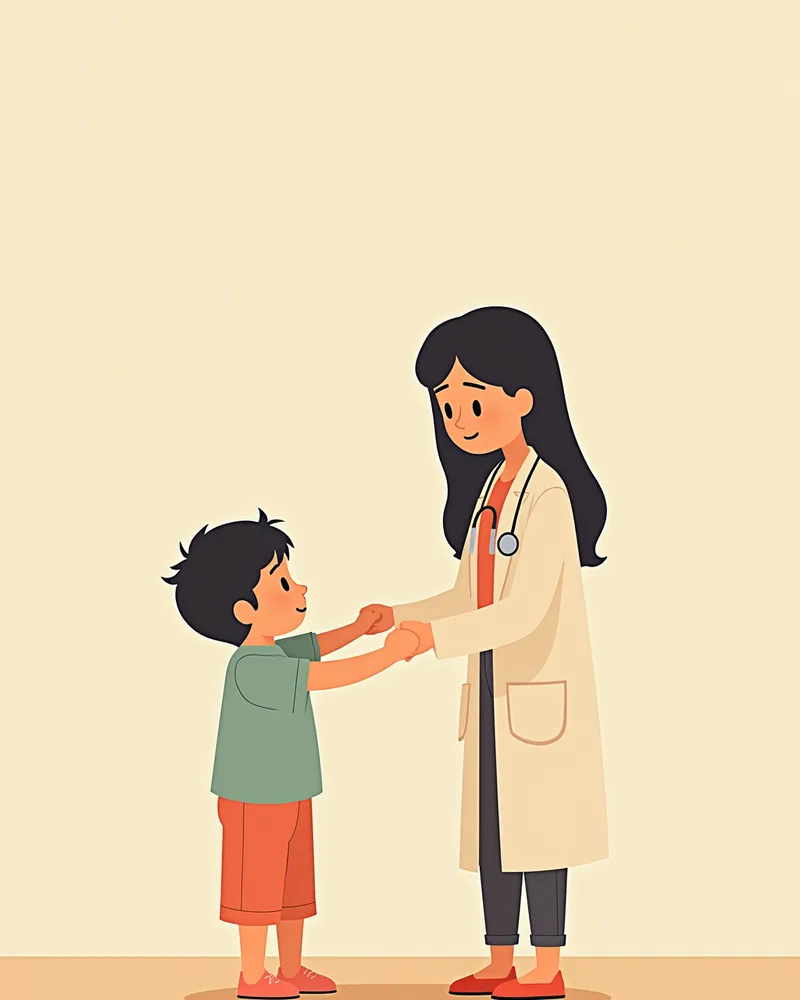
Dog bite wounds can cause significantly deeper internal tissue damage than the visible skin injury suggests. Even if the wound appears small, it may be just the tip of the iceberg, concealing underlying muscle or blood vessel damage, or even fractures. At the veterinary clinic, we assess the depth of the wound and check for bacterial contamination or infection. We then perform wound lavage (cleaning) and debridement (removal of necrotic tissue), followed by suturing and antibiotic prescription as needed. If the bite occurred on the chest or abdomen, there is a risk of internal organ damage, so imaging tests may be required to confirm the extent of injury. Severe cases may require additional surgery, and it is also important to verify the status of tetanus and rabies vaccinations.
A pediatrician examining a child's wound

Child and Dog — Behavioral Training to Prevent Accidents
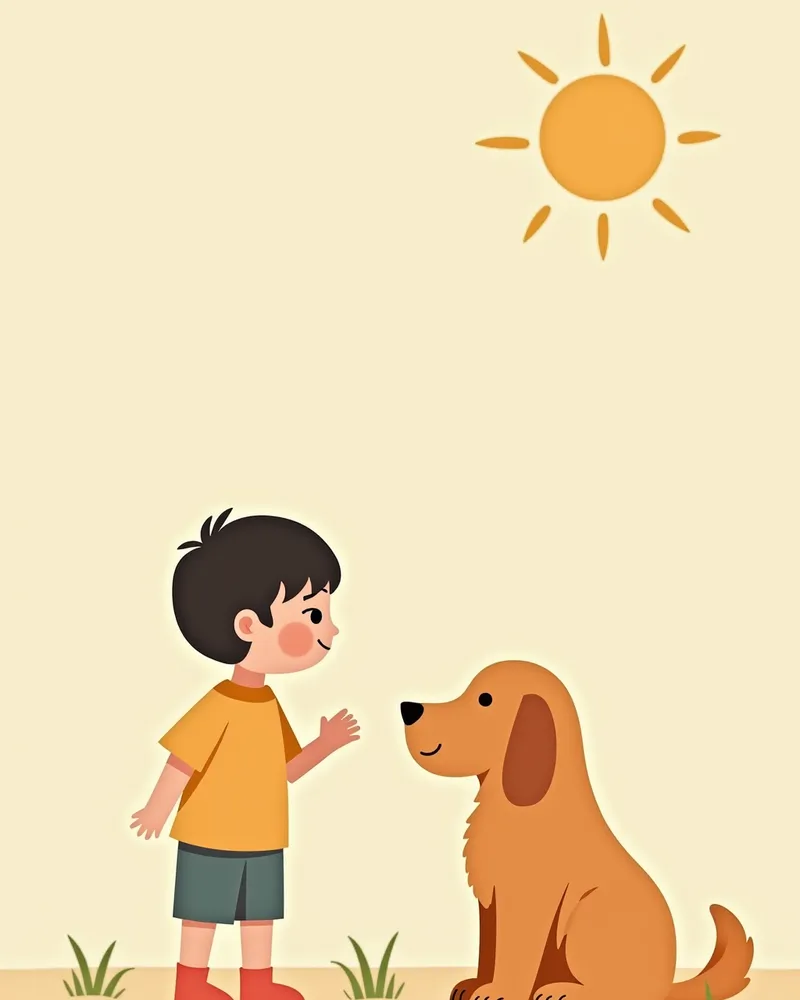
The most effective prevention is to educate both the child and the dog. Key points for educating the child: - Use the "be a tree" technique: When an unfamiliar dog approaches, keep arms close to the body and stand still quietly. - Do not disturb a dog that is sleeping or eating. - Do not put hands or face directly into the dog's face. Key points for educating the dog: - During the socialization period of puppyhood, expose the dog positively to various people, environments, and sounds. - Biting behavior may be a sign of problems such as pain or fear, so if it recurs, seek help from a behavior professional who follows the LIMA (Least Intrusive, Minimally Aversive) principle. - Always have a guardian present when the dog is near the child.
A scene showing a guardian teaching their child how to properly interact with a puppy.

Actions to Absolutely Avoid — Owner Checklist

Do not scold your dog when it growls or shows its teeth. Suppressing these warning signs can lead to a bite without any prior warning next time. Never leave young children and puppies alone together, as accidents can happen even when you step away for a moment. Severely reprimanding your dog after a bite incident makes it difficult to prevent recurrence and may instead increase its anxiety.

Reviewed by a veterinarian

Dr. Tony — Punnawat Phongkittirak

Dr. Tony — Punnawat Phongkittirak

Veterinarian

A veterinarian who majored in veterinary medicine at Khon Kaen University, Thailand, and completed the IVSA program at North Carolina State University in the United States. Drawing on clinical experience at animal hospitals, he works in the pet healthcare field and is dedicated to building a digital care environment that connects pet parents with veterinarians.

Frequently Asked Questions

Can even a calm dog really bite?
Yes, that’s right. In veterinary behavior science, even gentle breeds or calm-tempered dogs may bite in specific situations such as pain, fear, or being startled while sleeping. It’s also emphasized that safety cannot be determined solely based on breed or temperament assessments. Without exception, a guardian must always supervise interactions between children and dogs.
If my child has a small bite wound, can I just leave it alone?
Even minor wounds carry a risk of bacterial infection. A dog’s mouth and teeth harbor bacteria that can cause infection, so even a seemingly small wound may become deeply and widely contaminated internally. It’s best to thoroughly rinse the area with clean, running water and seek veterinary care the same day. If left untreated, the infection can spread and lead to sepsis.
Should I scold my puppy immediately after it bites?
Scolding is ineffective and can actually backfire. If you suppress warning signals, your pet may bite without warning next time. If biting behavior persists, it’s best to seek help from a veterinary behavior specialist.
At what age is it safe for a child to be left alone with a dog?
It’s difficult to specify an exact age, but young children often struggle to interpret a dog’s warning signals and make sound judgments on their own. Documented cases show that bite incidents can occur even when a dog and child are left alone together for extended periods. Therefore, adult supervision is essential until the child is old enough to understand canine body language and interact safely.
When should you start socialization training to prevent dog bites?
Socialization during puppyhood is crucial. Positive exposure to a variety of people, environments, and sounds at this stage can help reduce the risk of fear-based aggressive behaviors. If you’ve missed this window or if your dog is showing biting behavior, start gradual training with a veterinary behavior specialist who follows the LIMA (Least Intrusive, Minimally Aversive) principles.

Share

Related Guides

References

[1] Levine, E.D. (2023). Pets and the family dynamic. In: Behavior Problems of the Dog and Cat (ed. L. Ackerman). Wiley Blackwell.

[2] Bergman, L. and Gaskins, L. (2008). Expanding families: preparing for and introducing dogs and cats to infants, children, and new pets. Veterinary Clinics of North America, Small Animal Practice 38(5): 1043–1063.

[3] Kerns, K.A. et al. (2023). Assessing children's relationships with pet dogs: a multi-method approach. Social Development 32(1): 98–116.

This information is based on veterinary literature and does not replace diagnosis or treatment. Please consult a veterinarian for specific health concerns.

Metapet Co., Ltd. | CEO: Park Sung-yong | Business Reg. No. 417-88-02562 | Seoul, South Korea | Customer Center

Kids and Dogs Together: Bite Warning Signs and Prevention Rules | Meongsiljang