

If Your Dog Is Gradually Losing Weight and Lacking Energy — Symptoms of Chronic Hepatitis and Lifelong Dietary Management
Chronic hepatitis in dogs is a condition characterized by long-term damage to liver function, making early detection and proper management crucial. While the symptoms are nonspecific, persistent fatigue and decreased appetite are key warning signs.
Chronic Hepatitis in Dogs Is a Condition Characterized by Long-Term Liver Function Damage
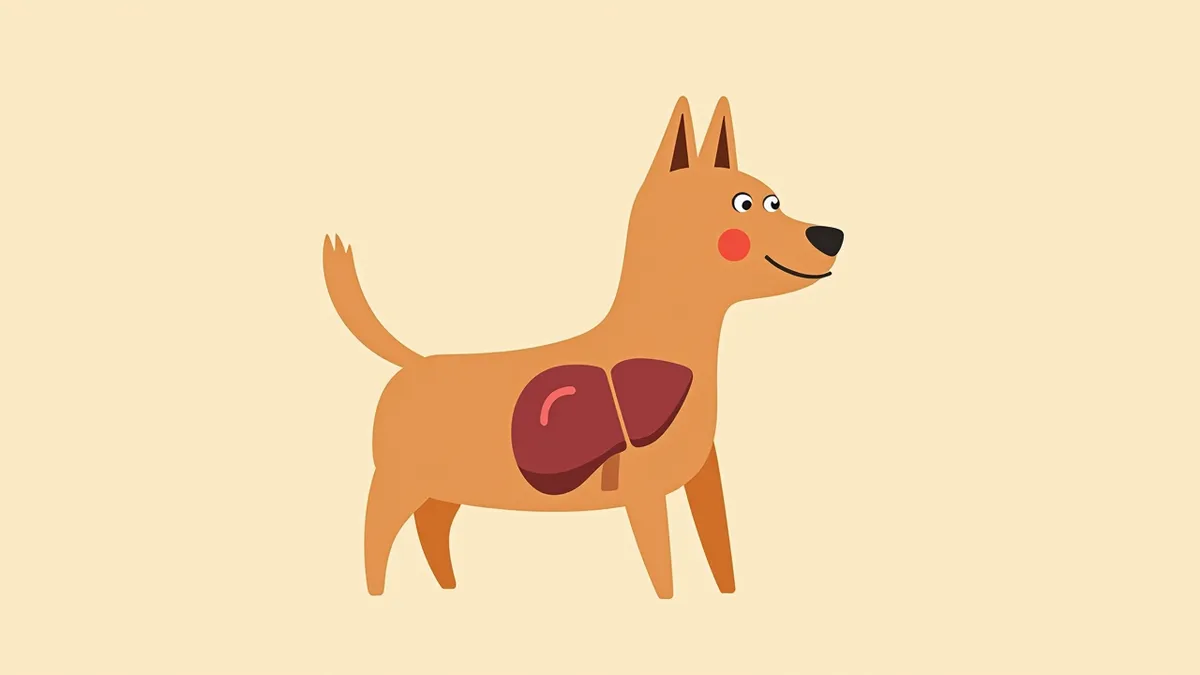
The Causes of Chronic Hepatitis Are Multifactorial

The Main Symptoms Are Nonspecific, but Careful Attention Is Required

If Jaundice or Persistent Vomiting Occurs, Immediate Veterinary Visit Is Necessary
If jaundice, persistent vomiting, loss of appetite, or abdominal distension last for more than two days, it may indicate liver dysfunction. This suggests that liver damage has become severe, so you should consult a veterinarian immediately. Delaying treatment can lead to cirrhosis or liver failure.
Diagnosis Is Confirmed Through Blood Tests and Biopsy

Treatment Is Conducted in Stages Depending on the Underlying Cause

Home Management Requires Long-Term Care as the Key

Certain Breeds Are More Susceptible to Liver Disease, So Caution Is Needed
Cocker Spaniels, Retrievers, Standard Poodles, Bedlington Terriers, West Highland White Terriers, and Doberman Pinschers have a genetic predisposition to chronic hepatitis, including copper-associated hepatopathy. Regular liver function tests are essential for these breeds. Early detection and management can slow disease progression, so owners should understand their breed’s specific risks and actively participate in preventive care.
Reviewed by a veterinarian

Dr. Tony — Punnawat Phongkittirak
VeterinarianA veterinarian who majored in veterinary medicine at Khon Kaen University, Thailand, and completed the IVSA program at North Carolina State University in the United States. Drawing on clinical experience at animal hospitals, he works in the pet healthcare field and is dedicated to building a digital care environment that connects pet parents with veterinarians.
Reviewed 2026-06-07
Frequently Asked Questions
Can chronic hepatitis in dogs be cured?
How should I adjust my pet's diet?
What should I do if my pet experiences side effects while taking medication?
How often should I schedule regular check-ups?
If my dog has hepatitis, can it still play with other dogs?
Share
Related Guides

7 Key Symptoms and Management Essentials for Canine Cholecystitis Recommended by Veterinarians

Top 5 Milk Thistle (Silymarin) Liver Supplements for Dogs — A Comparison Guide Based on Silybin Content and Absorption Rates

Top Prescription Diets for Dogs with Liver Disease and Selection Criteria

My Cat’s Cough Won’t Stop — Signs of Lung Cancer and Metastasis, and When to Diagnose and Treat

How to Reduce Pain in Cats with Cancer: A Complete Guide to Palliative Care and Pain Management

If Your Cat’s Nosebleeds and Sneezing Don’t Stop — A Complete Guide to Nasal Tumor Causes, Diagnosis, and Treatment

If Your Cat Keeps Stumbling and Drinking Excessive Water — Causes and Treatment of Multiple Myeloma

Feline Lymphoma: A Comprehensive Guide to Symptoms, Causes, Diagnosis, Treatment, and Care

My Cat’s Mammary Glands Are Swollen — Causes, Diagnosis, and Treatment Points for Hormone-Responsive Tumors

My Cat Won’t Eat After Starting Cancer Treatment — Side Effect Signals and Home Care Management Points
References
[1] Plumb's Veterinary Drug Handbook, 9th Edition, 2022
[2] Clinical Medicine of the Dog and Cat, 4th Edition, 2021
[3] Veterinary Hepatology: A Practical Guide, 2020