Like
Share
멍실장
고양이 이물장폐색 증상과 원인, 진단·치료와 관리 포인트 총정리

Feline Foreign Body Obstruction: Symptoms, Causes, Diagnosis, Treatment, and Care Essentials

DigestiveDiseasesMeongsiljang Veterinary Advisory Board

Feline foreign body obstruction is a gastrointestinal emergency in which a swallowed object blocks the digestive tract. We’ve compiled everything you need to know—from a symptom checklist to endoscopic and surgical treatments, and post-discharge care.

What Is Feline Foreign Body Obstruction?
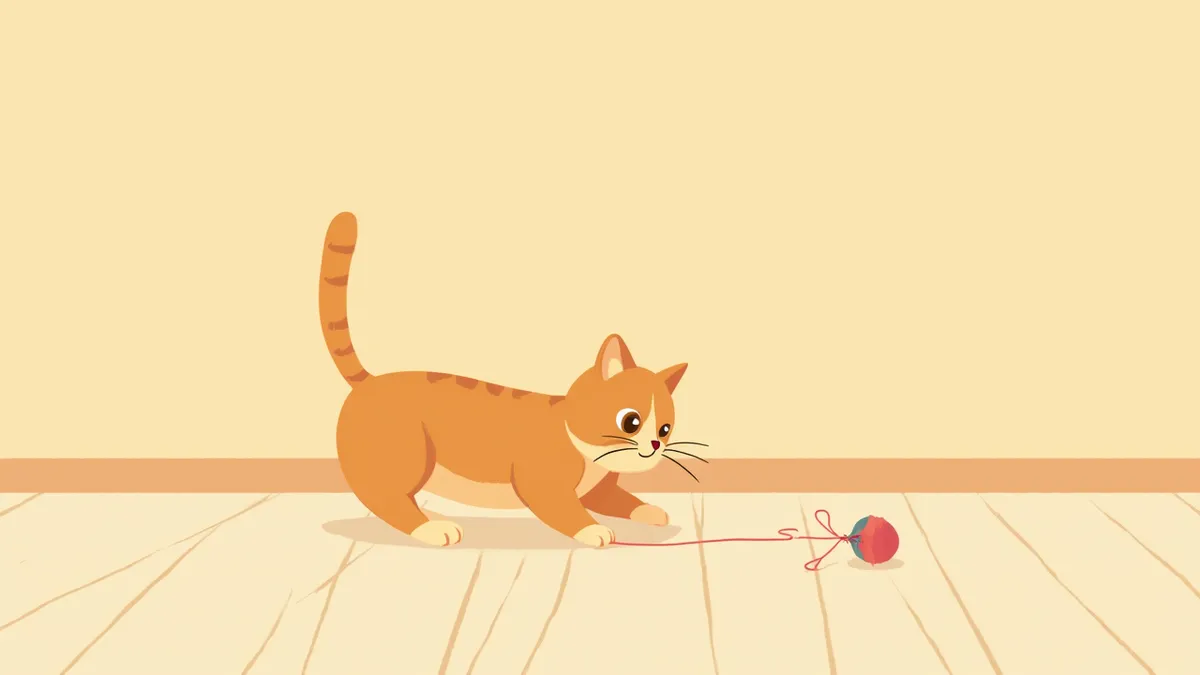
A cat reaching for a string toy
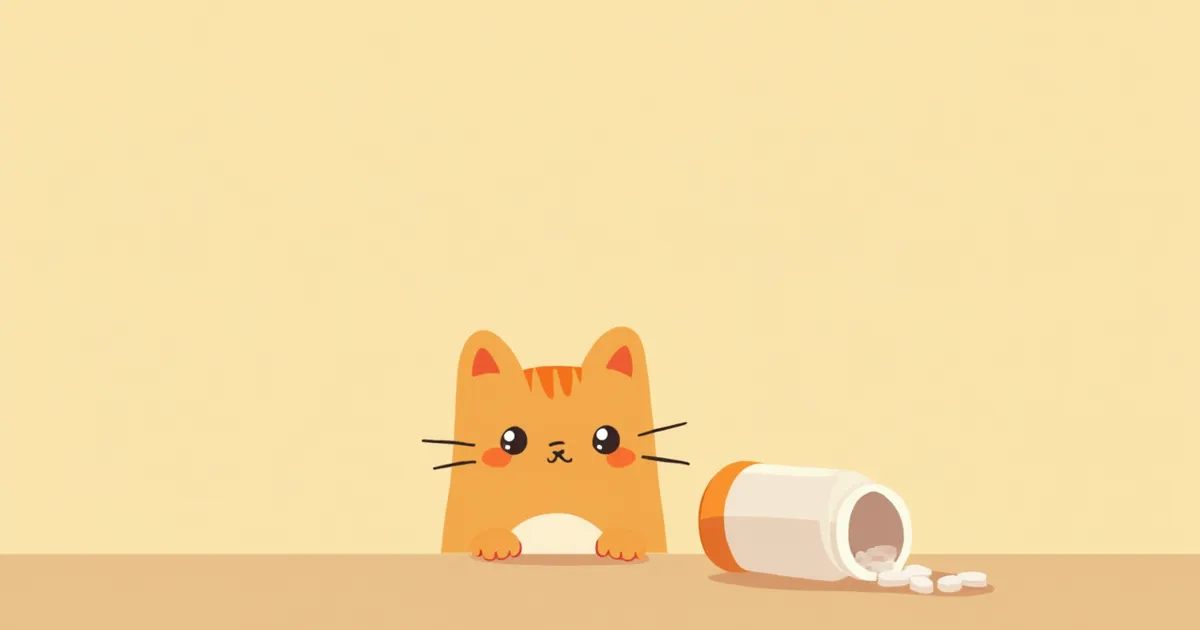
Feline foreign body obstruction is a gastrointestinal emergency in which an ingested object becomes lodged somewhere in the digestive tract, blocking the passage of intestinal contents. If a complete obstruction progresses, it can cut off blood flow to the intestines, leading to tissue necrosis. In severe cases, this can result in septic peritonitis or hypovolemic/distributive shock, making prompt treatment critical. Seek immediate veterinary care if symptoms such as vomiting, decreased appetite, and lethargy persist or worsen. This is especially urgent if vomit contains blood or if your cat shows severe pain when its abdomen is touched, as these signs suggest a possible obstruction requiring immediate evaluation.

Why Does Foreign Body Obstruction Occur? — Causes and Pathogenesis

In cats, the most common cause is long, flexible linear foreign bodies such as string, yarn, rubber bands, and hair ties. These objects often become anchored under the tongue (sublingually), while the rest of the material extends through the intestines, causing the bowel to fold or plicate. This can lead to intestinal wall damage and increase the risk of perforation. In nearly half of reported cases, the linear foreign body is found fixed in the sublingual area. Other causes include hard foreign bodies like toy fragments, buttons, bone pieces, and plant stems. Due to the structure of their tongues, cats often have difficulty regurgitating thin, elongated objects once they enter the mouth, leading them to swallow these items naturally.

Symptoms That Suggest Foreign Body Obstruction

Repetitive vomiting: Your pet may experience repeated nausea and vomiting after eating or drinking. The more complete the obstruction, the more severe and frequent the vomiting becomes, and the vomit may contain blood.
Decreased appetite: They may refuse their usual food or take only a few bites before walking away from the bowl.
Lethargy and reduced activity: They show no interest in their favorite toys and tend to curl up and stay still throughout the day.
Abdominal pain: They may tense up, whine, or pull away when their belly is touched. You might also feel a lump or notice signs of discomfort during palpation.
Abnormal bowel movements: In cases of partial obstruction, intermittent diarrhea may occur. As the obstruction worsens, the amount of stool may noticeably decrease.
A lethargic cat lying down listlessly

Signs Requiring Immediate Emergency Veterinary Care

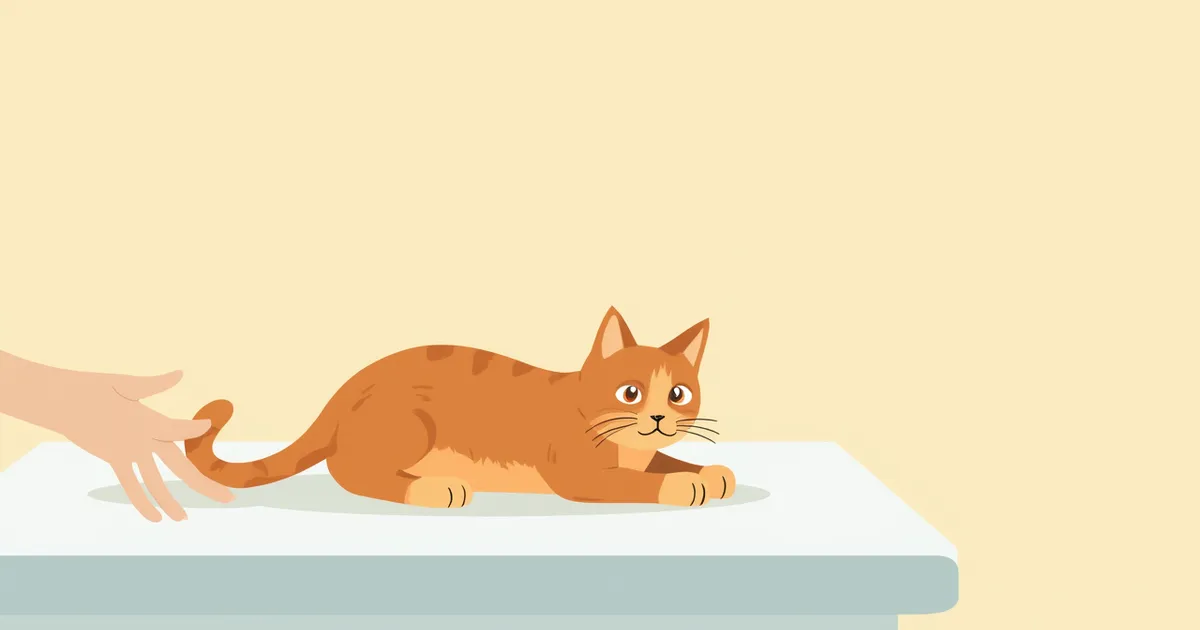
If any of the following apply, take your pet to a 24-hour veterinary clinic immediately: • Persistent or repeated vomiting, or vomiting with blood in the vomit • A hard, distended abdomen or severe pain when touched • String or thread caught around the anus (never pull it) • Pale or yellow (jaundiced) gums • Sudden weakness, suspected dehydration, and inability to eat or drink

How Is It Diagnosed?

The veterinarian first performs an abdominal palpation to check for pain and any masses. Next, an X-ray is used to detect radiopaque foreign bodies such as metal or bone, while an ultrasound identifies radiolucent objects like fabric, string, or plastic, as well as abnormalities in intestinal motility. Blood tests assess the pet’s overall condition by evaluating inflammation levels, dehydration, and electrolyte imbalances. If the foreign body is located in the esophagus or stomach, it can be both identified and removed during an endoscopic examination.

Treatment Options — Endoscopic Removal vs. Surgical Intervention
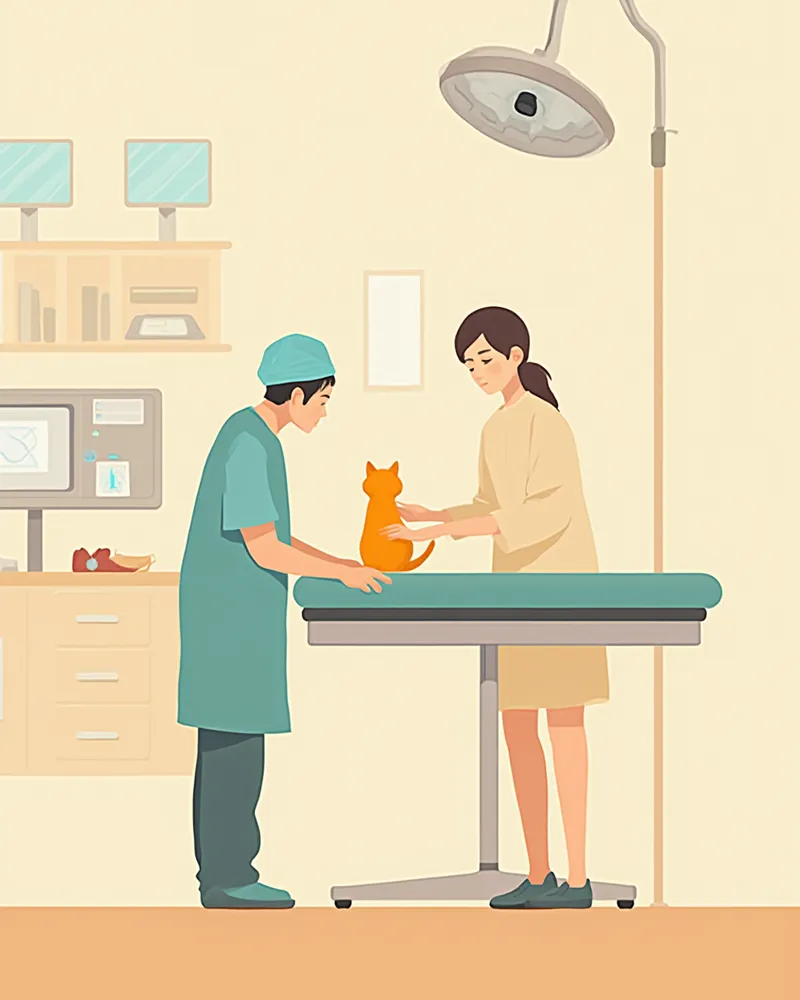
The treatment approach depends on the foreign body’s location and condition.
Endoscopic removal: This is chosen when the object is in the esophagus or stomach and there is no intestinal perforation. Under general anesthesia, the object is removed using an endoscope, allowing for faster recovery without the need for abdominal surgery.
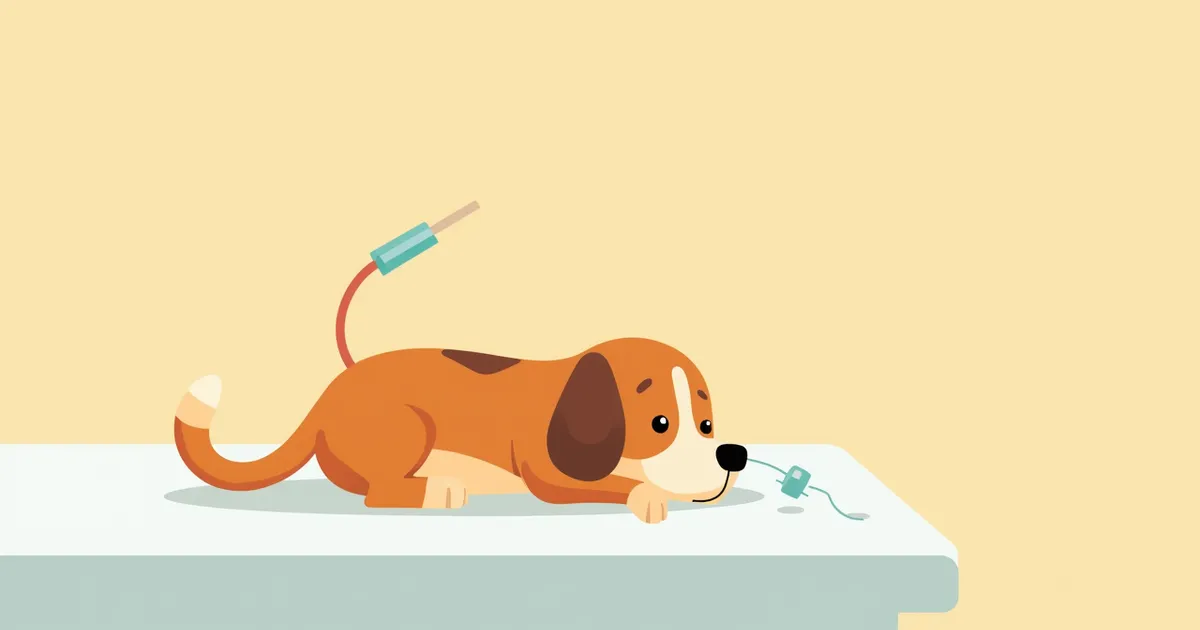
Exploratory laparotomy: This surgery is necessary when the object is lodged in the small or large intestine, or if intestinal perforation or necrosis has occurred. Rather than simply removing the object, the entire gastrointestinal tract is examined. Linear foreign bodies may require multiple incisions along their anchor points for removal. Necrotic sections are resected and sutured via intestinal resection. Postoperatively, the patient is hospitalized for a period to monitor recovery.
A veterinarian treating a cat in the operating room

Post-Discharge Home Care Essentials

Dietary Management: For 2–3 days after discharge, offer small, frequent meals of easily digestible prescription food or boiled chicken breast. Switching abruptly to regular kibble can strain the intestines.
Activity Restriction: Limit jumping and vigorous play for at least two weeks, until the sutured area has fully healed.
Wound Monitoring: Contact the clinic immediately if you notice swelling or discharge around the abdominal incision.
Follow-up Visit: A return visit is essential 7–10 days post-surgery for suture removal.
A cat recovering while wearing a neck collar

Cats at Higher Risk

Kittens are naturally curious and have a strong tendency to put everything in their mouths, making them particularly prone to linear foreign body incidents. The risk of mechanical intestinal obstruction increases when the ingested object is large, sharp, long and thin, or made of materials that absorb liquids and expand in volume. Fishing-line toys and packaging strings are common causes of linear foreign body incidents, so always supervise your kitten during play and store these items in drawers or locked containers when not in use.

Reviewed by a veterinarian

Dr. Tony — Punnawat Phongkittirak

Dr. Tony — Punnawat Phongkittirak

Veterinarian

A veterinarian who majored in veterinary medicine at Khon Kaen University, Thailand, and completed the IVSA program at North Carolina State University in the United States. Drawing on clinical experience at animal hospitals, he works in the pet healthcare field and is dedicated to building a digital care environment that connects pet parents with veterinarians.

Frequently Asked Questions

If my cat swallowed a string, could it pass through in the stool?
Short strings may pass through the digestive tract and be excreted in the stool without causing any noticeable symptoms. However, if one end of the string is caught under the tongue or protruding from the anus, never pull on it, as this can cause the intestines to bunch up and perforate. In such cases, seek immediate veterinary care.
How much does treatment for a foreign body obstruction cost?
The cost can vary significantly depending on the foreign object’s location, whether surgery is required, and the specific clinic and region. There is a substantial difference in complexity—and therefore cost—between endoscopic removal and open abdominal surgery. If you have pet health insurance, check your coverage details in advance, and contact your veterinarian directly for an accurate cost estimate.
Is there a chance the condition could return after surgery?
Foreign body obstruction itself is not a recurring condition. However, if your cat swallows a foreign object again, the same issue can occur. After discharge, the most important step is environmental management at home—make sure to remove all hazardous items such as strings, cords, rubber bands, and plastic bags.
If an obstruction is suspected, is it safe to wait without surgery?
Waiting can be extremely dangerous. If a bowel obstruction is left untreated as it progresses, blood flow to the intestines can be cut off, leading to tissue necrosis and potentially sepsis. If symptoms appear, seek veterinary evaluation as soon as possible.
How can I prevent foreign body obstruction?
Store strings, cords, rubber bands, hair ties, and plastic bags in drawers or locked containers, and put away fishing-rod toys immediately after use. As a basic preventive measure, never leave string toys out when your cat is home alone.

Share

Related Guides

References

[1] Little SE, editor. The Cat: Clinical Medicine and Management. 2nd ed. St. Louis: Elsevier Saunders; 2023.

[2] Fossum TW, editor. Small Animal Surgery. 5th ed. St. Louis: Mosby Elsevier; 2019.

[3] Ettinger SJ, Feldman EC, Côté E, editors. Textbook of Veterinary Internal Medicine. 8th ed. St. Louis: Elsevier; 2017.

This information is based on veterinary literature and does not replace diagnosis or treatment. Please consult a veterinarian for specific health concerns.

Metapet Co., Ltd. | CEO: Park Sung-yong | Business Reg. No. 417-88-02562 | Seoul, South Korea | Customer Center

Cat Foreign Body Obstruction: Symptoms & Treatment | Meongsiljang