Like
Share
멍실장
강아지 켄넬코프 예방접종 증상과 원인, 진단·치료와 관리 포인트 총정리

Kennel Cough in Dogs: A Complete Guide to Vaccination, Symptoms, Causes, Diagnosis, Treatment, and Care

Lifestyle & Age CareDiseasesMeongsiljang Veterinary Advisory Board

Kennel cough in dogs is a contagious respiratory disease caused by a combination of viral and bacterial infections. Vaccination is a key preventive measure that significantly reduces the risk of infection.

Kennel Cough in Dogs Is a Contagious Respiratory Disease
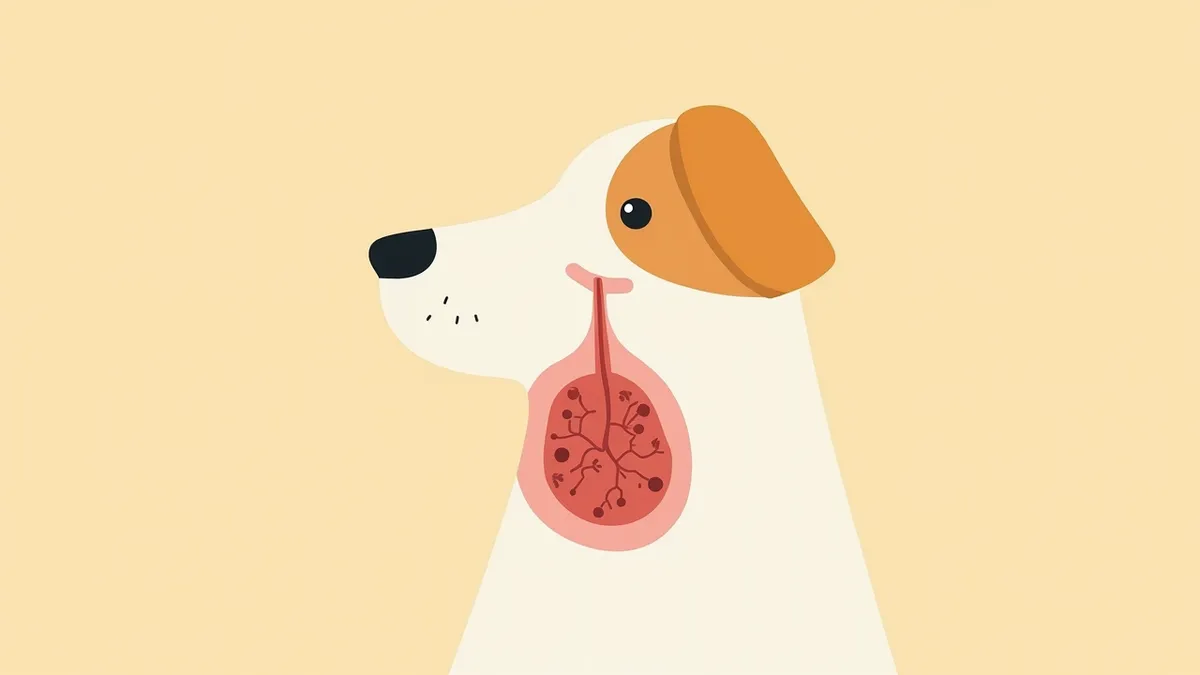
Electron micrograph of the causative pathogen of kennel cough
Kennel cough in dogs is a contagious respiratory illness caused by the combined action of viruses and bacteria. It spreads primarily through the air and can rapidly propagate in environments where pets are in close contact. - Transmission routes: Infection occurs via airborne droplets or contact with contaminated objects such as food bowls or human hands. The risk is particularly high in places like dog parks and pet hotels. Even brief contact with a dog that appears healthy can lead to transmission. - Main pathogens: The primary causes are the bacterium *Bordetella bronchiseptica* and the canine parainfluenza virus. However, other bacteria and viruses may also be involved. Vaccination helps reduce the risk of infection but does not guarantee complete protection. Because the disease can spread even when symptoms are mild or absent, preventive measures and hygiene management are essential.

The Main Cause Is Combined Infection by Multiple Pathogens
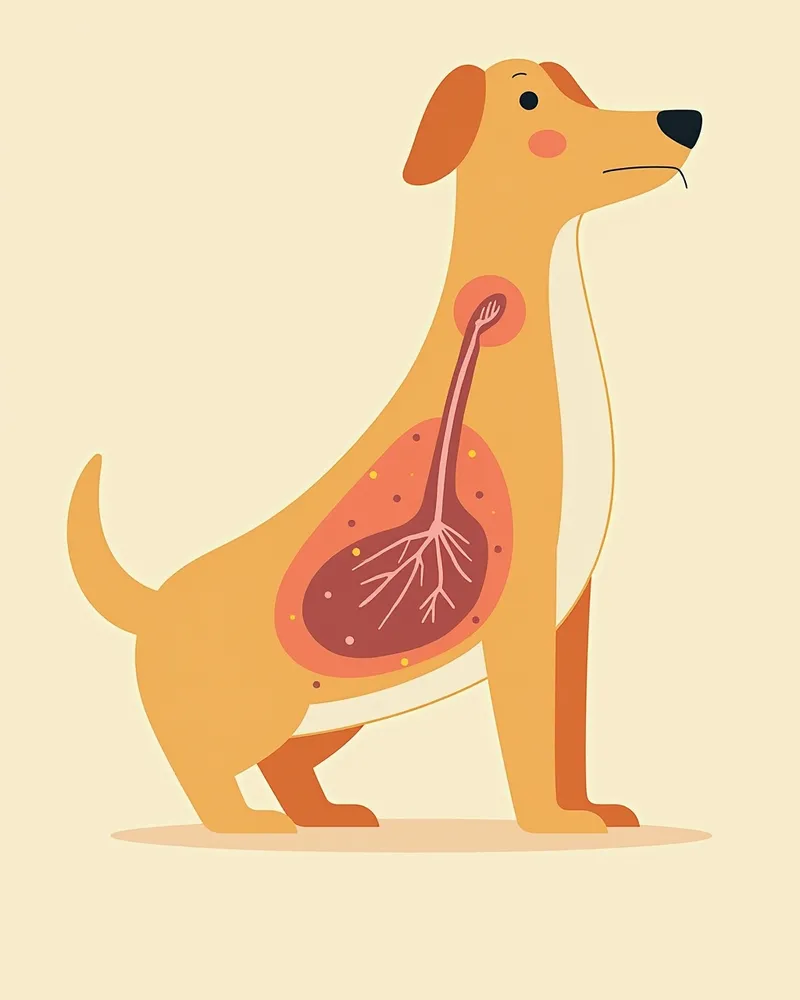
Kennel cough in dogs is a condition caused by the combined action of multiple pathogens. - Bordetella bronchiseptica bacteria: This is a representative bacterium that affects the airways, causing coughing and making the dog more susceptible to other infections. - Canine parainfluenza virus: This virus is most commonly associated with acute kennel cough and can complicate the condition when multiple pathogens are present. - Risk of mixed infections: In addition to these two, various bacteria and viruses such as Mycoplasma and canine adenovirus type 2 can act alone or together. Symptoms can appear with just one pathogen, but simultaneous infection with multiple pathogens can lead to more severe symptoms than a single infection. Vaccination helps provide protection against major pathogens.
Diagram of the respiratory tract structures invaded by kennel cough pathogens

The Main Symptom Is Persistent Coughing

The most characteristic symptom of kennel cough in dogs is a sudden, repetitive, paroxysmal cough. This coughing tends to worsen after excitement or physical activity, or when the trachea is gently stimulated. - Cough characteristics: Frequent, high-pitched, dry coughing is common, often ending with a retching sound and the production of a small amount of frothy mucus. - Associated symptoms: Nasal discharge, conjunctivitis, decreased appetite, and lethargy may accompany the cough. While fever is often absent at the time of veterinary visit, it can occur in cases of group outbreaks. Symptoms typically last for 1 to 3 weeks, requiring closer attention in puppies or dogs with weakened immune systems. - When to seek care: If the cough persists longer than expected or is accompanied by difficulty breathing, suspect complications such as pneumonia and seek immediate veterinary attention.
A dog coughing

If Coughing Lasts More Than Two Weeks, Immediate Veterinary Visit Is Required

If your pet’s cough lasts more than two weeks, or if they’re having trouble breathing or have completely lost their appetite, it could be a sign of complications like pneumonia. In these cases, it’s important to consult with a veterinarian right away and undergo diagnostic testing.

Diagnosis Is Determined by Symptoms and Tests
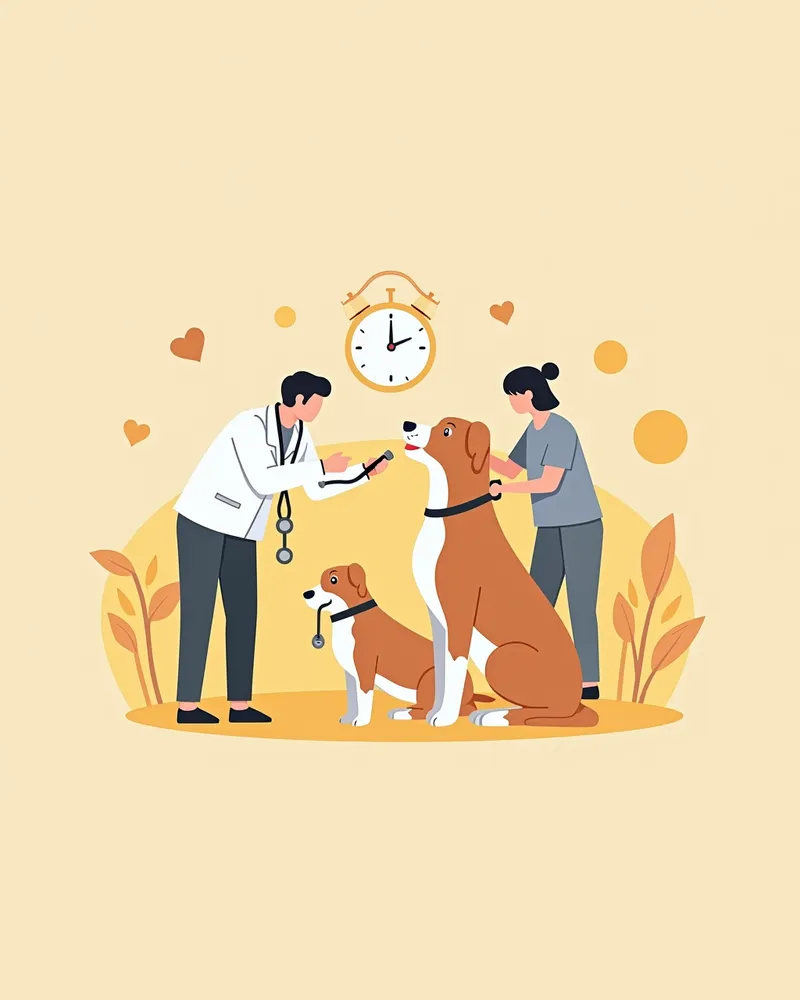
Veterinarians diagnose the condition by comprehensively evaluating your dog’s cough characteristics, duration, and recent environmental exposures. - Clinical Assessment: We check the frequency and nature of the cough, look for other symptoms, and assess exposure to crowded environments. - Diagnostic Tests: If necessary, we use airway bacterial cultures, blood tests, and chest X-rays to determine the presence of infection and the extent of lung damage. - Accurate Diagnosis: Identifying potential complications early allows us to create a more effective treatment plan. Early diagnosis is key to preventing symptom progression.
A veterinarian examining a puppy's airway.

Treatment Focuses on Symptom Relief and Infection Control
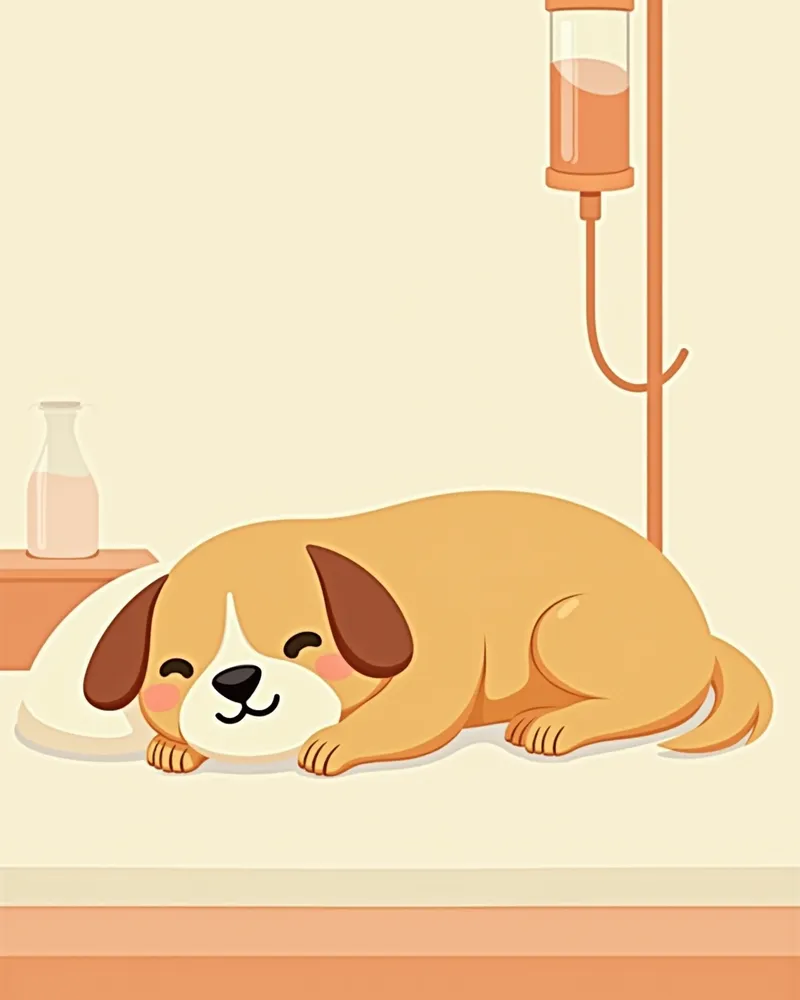
Kennel cough treatment focuses on relieving symptoms and preventing secondary bacterial infections. In most cases, dogs recover naturally over time. - Antibiotics: Used under veterinary prescription when Bordetella or other secondary bacterial infections are suspected. However, if the dog is not systemically ill or does not have pneumonia, antibiotics may not be necessary. - Cough suppressants: Help reduce the frequency of persistent coughing, aiding recovery. - Rest and activity restriction: It is important to minimize activity and allow the dog to recover in a quiet environment. - Isolation: Due to its high contagiousness, contact with other dogs should be avoided. - Hospitalization: If difficulty breathing or loss of appetite persists, hospital care may be required. Most dogs recover within 1–2 weeks, though in rare cases, symptoms may last longer.
A puppy receiving treatment at the hospital

Home Care Requires Rest and Environmental Management
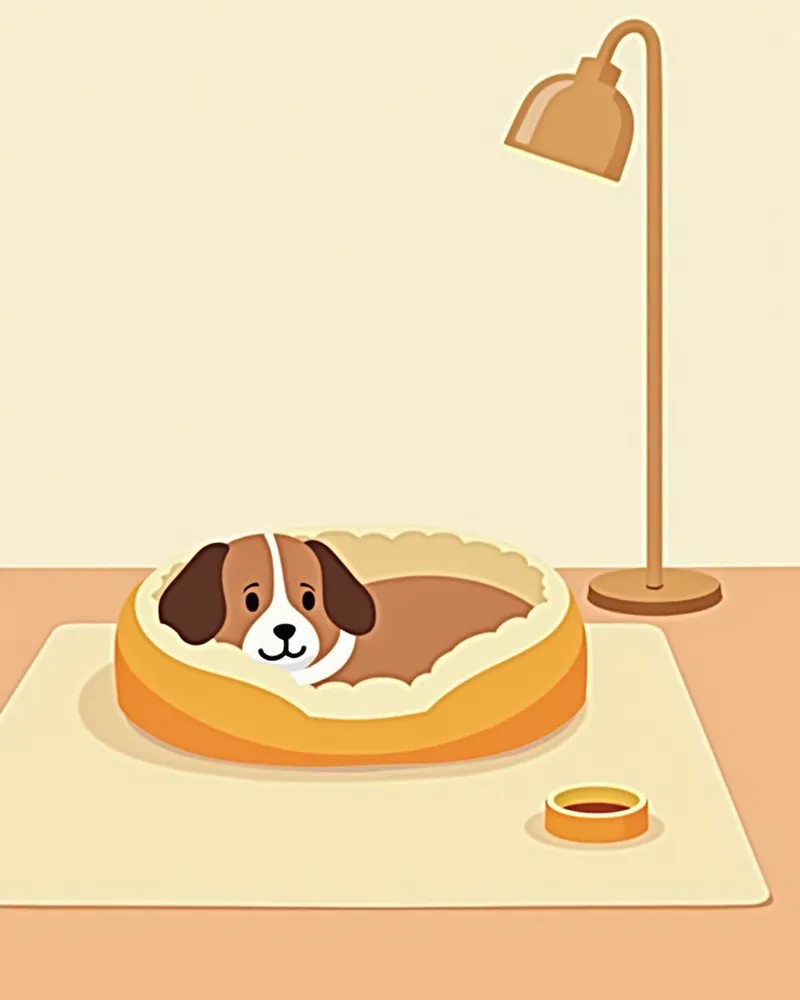
If your puppy is recovering at home, make sure they get plenty of rest in a quiet, warm environment. - Air quality management: Avoid irritants such as smoke, perfumes, and cleaning product fumes. - Use a crate instead of a leash: Limiting movement with a portable crate can help reduce stress that may trigger coughing. - Medication administration: Give any medications prescribed by your veterinarian at the exact dosage and times indicated. - Observation points: Keep a consistent record of changes in coughing frequency, appetite, and activity level, and share this information with your veterinarian. These details are crucial for assessing your pet’s recovery progress.
A stable home environment for your dog's recovery

Vaccination Must Be Considered in Crowded Pet Environments

Kennel cough can spread rapidly in crowded environments like animal shelters, dog parks, and pet hotels. Dogs that frequently visit these places should definitely be considered for vaccination.

Reviewed by a veterinarian

Dr. Tony — Punnawat Phongkittirak

Dr. Tony — Punnawat Phongkittirak

Veterinarian

A veterinarian who majored in veterinary medicine at Khon Kaen University, Thailand, and completed the IVSA program at North Carolina State University in the United States. Drawing on clinical experience at animal hospitals, he works in the pet healthcare field and is dedicated to building a digital care environment that connects pet parents with veterinarians.

Frequently Asked Questions

When should I get my dog vaccinated against kennel cough?
The exact timing and number of vaccinations depend on your puppy’s age and living environment. Vaccinations are especially recommended if your dog is frequently exposed to crowded settings such as shelters or pet hotels, so it’s best to consult with your veterinarian to establish an appropriate schedule.
What should I do if my pet starts coughing after vaccination?
After vaccination, your pet may experience mild, temporary changes in their condition. However, if coughing or any unusual symptoms persist or worsen, it's best to consult with your veterinarian.
Is the kennel cough vaccine absolutely necessary?
If your dog is frequently exposed to environments with high concentrations of other pets, vaccination is recommended. However, since vaccines do not guarantee complete protection, please consult with your veterinarian to make a decision tailored to your dog's individual circumstances.
What types of kennel cough vaccines are available?
Vaccination methods include intranasal (nose) administration. In particular, intranasal vaccines that cover Bordetella and parainfluenza are recommended in densely populated environments. Please consult your veterinarian to determine the most suitable method for your pet.
Does contracting kennel cough provide lifelong immunity?
Even dogs that have previously had the disease can be reinfected. Since the immunity provided by vaccines is neither complete nor clearly defined in duration, it is important to consult with your veterinarian and maintain consistent care.

Comparison Table of Kennel Cough Vaccines

ItemDuration of EffectAdministration MethodMain Advantage
Oral VaccineThe duration of immunity is not clearly establishedOral administrationA relatively simple method of administration
Intranasal Spray VaccineThe duration of immunity is not clearly establishedIntranasal (nose) administrationA method recommended for Bordetella and parainfluenza in crowded environments
Injectable VaccineThe duration of immunity is not clearly establishedIntramuscular injectionA traditionally used method

No vaccine guarantees complete protection, and effects and side effects vary between individuals, so consult your veterinarian when choosing.

Share

Related Guides

References

This information is based on veterinary literature and does not replace diagnosis or treatment. Please consult a veterinarian for specific health concerns.

Metapet Co., Ltd. | CEO: Park Sung-yong | Business Reg. No. 417-88-02562 | Seoul, South Korea | Customer Center

Kennel Cough in Dogs: Vaccination, Symptoms & Treatment | Meongsiljang