Like
Share
멍실장
강아지 단두종 수술 교정 증상과 원인, 진단·치료와 관리 포인트 총정리

Surgical Correction for Brachycephalic Dogs: Symptoms, Causes, Diagnosis, Treatment, and Care Essentials

RespiratoryDiseasesMeongsiljang Veterinary Advisory Board

Surgical correction for brachycephalic dogs is a procedure aimed at improving the breathing difficulties caused by their shortened skulls. It’s important to recognize the symptoms and seek treatment at the right time. Proper care before and after surgery is also essential.

What is Surgical Correction for Brachycephalic Dogs?
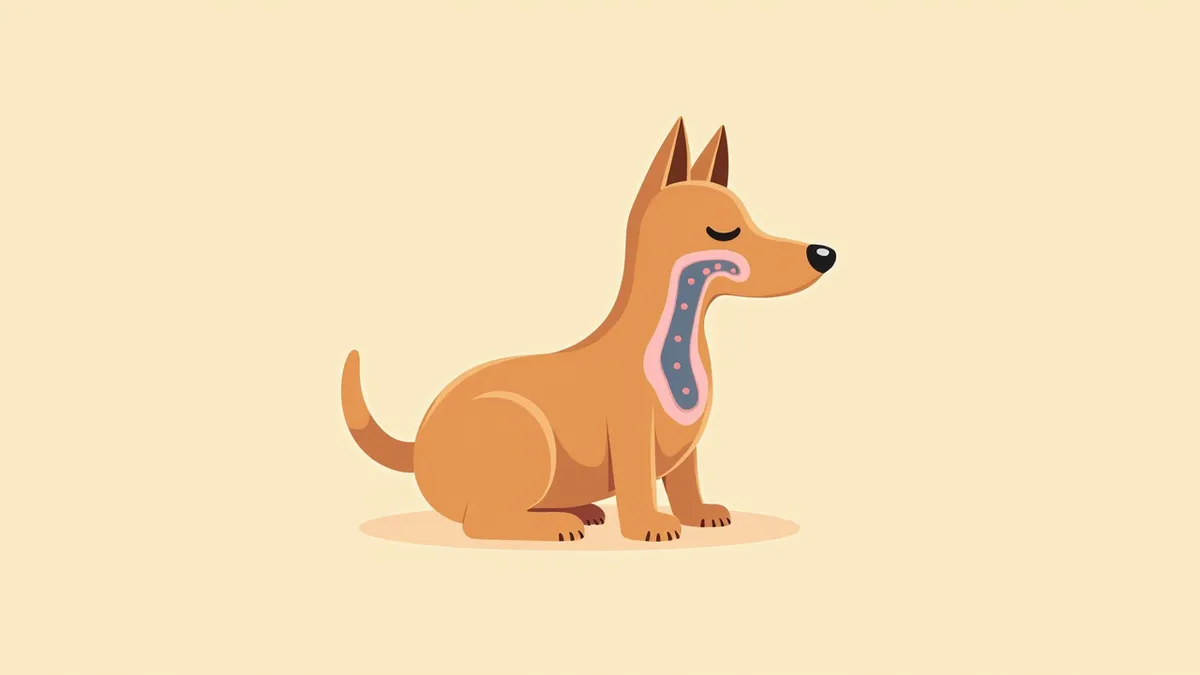
An image showing the surgical procedure for airway correction in brachycephalic puppies.
Surgical correction for brachycephalic dogs is a procedure designed to improve breathing difficulties caused by the abnormal facial structure inherent to brachycephalic breeds. The goal of this surgery is to facilitate easier breathing by widening narrowed airways or removing abnormal soft tissue. After the procedure, most dogs experience improved breathing and tend to show increased activity levels. The timing of the surgery is determined based on the patient’s overall health status and clinical needs, and it requires general anesthesia. Comprehensive diagnostic testing is essential before the surgery.

What are the Main Causes of Surgical Correction for Brachycephalic Dogs?
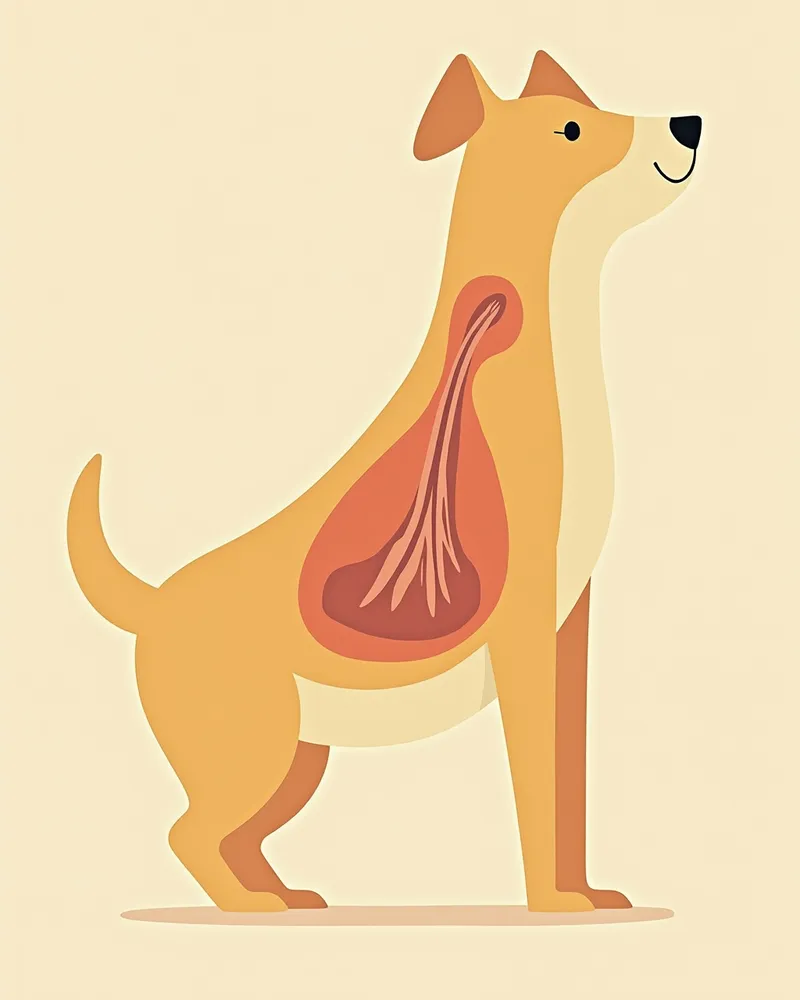
Surgical correction for brachycephalic dogs is necessary due to the breed’s genetic traits. Their short, broad facial structure leads to narrowed airways, with excessive swelling or abnormal arrangement of soft tissues in the nasal and laryngeal regions, which obstructs breathing. This results in insufficient oxygen supply and places strain on the heart and lungs. Surgery aims to directly address these structural issues to improve respiratory function. The procedure is performed when the dog is in stable health, and early evaluation is recommended because anesthesia and surgical risks increase with age.
An anatomical illustration showing the abnormal airway structure in brachycephalic dog breeds.

What are the Main Symptoms of Surgical Correction for Brachycephalic Dogs?
The primary signs indicating the need for surgical correction in brachycephalic dogs are behavioral changes related to breathing difficulties. These symptoms must be carefully assessed before surgery, as worsening conditions may make the procedure more urgent.
Breathing difficulties: Panting or noisy, harsh breathing sounds coming from the nose.
Coughing or dry heaving: Recurring due to airway irritation or chronic bronchitis.
Reduced activity level: Difficulty walking and a tendency to avoid exercise.
Open-mouth breathing: A sign of oxygen deficiency that can occur even before surgery, and is part of breathing difficulties.
Cyanosis: A serious symptom where the lips or tongue turn blue, indicating possible low blood oxygen levels.
If these symptoms persist or worsen, surgical intervention should be considered.
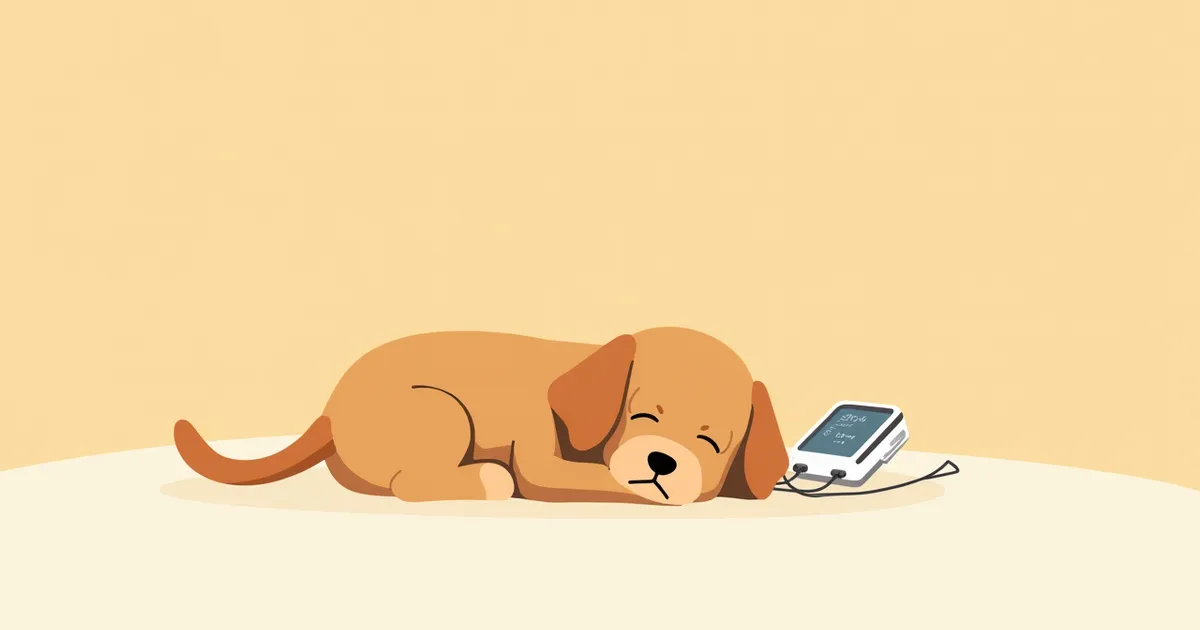
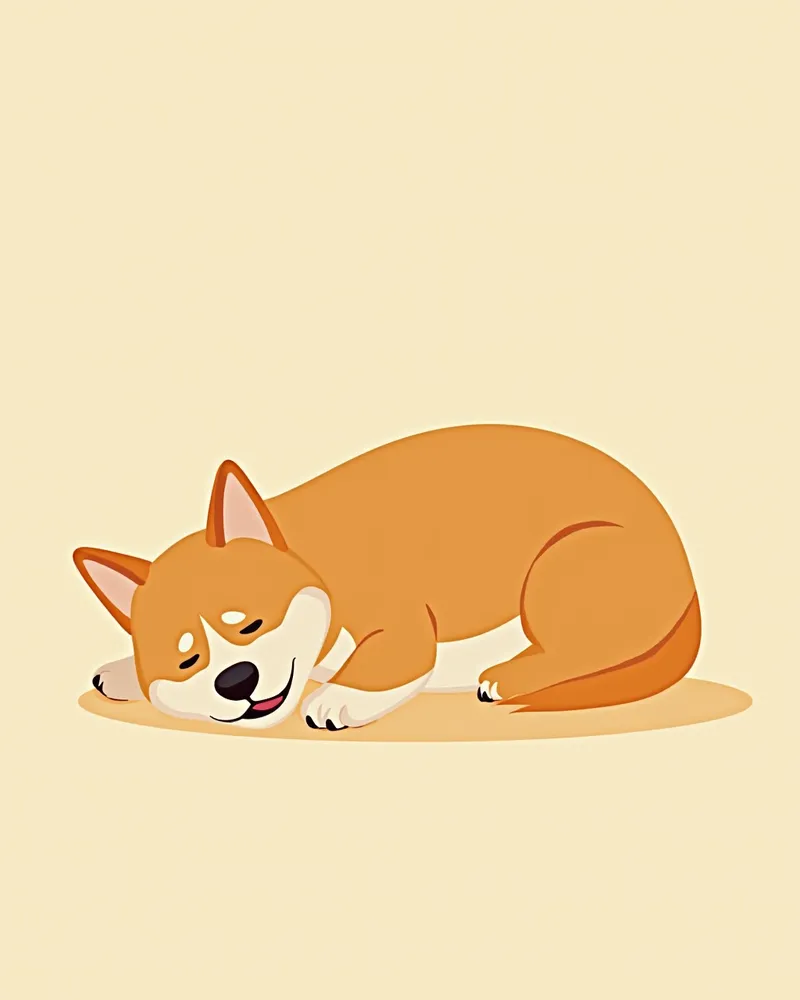
A brachycephalic puppy showing signs of respiratory distress

Symptoms Requiring Immediate Veterinary Visit

If your dog is panting with its mouth open, has blue-tinged lips or tongue, collapses, or appears disoriented, seek veterinary care immediately. These are signs of respiratory failure, which can be life-threatening. If these symptoms occur before surgery, emergency intervention is required.

What are the Diagnostic Methods for Surgical Correction in Brachycephalic Dogs?
Accurate diagnosis is essential for surgical correction in brachycephalic dogs. - Assessment of appearance and breathing: The veterinarian directly observes the dog’s facial structure and breathing pattern. - Endoscopic examination: The interior of the larynx and trachea is directly visualized to identify structural abnormalities. - Imaging studies (X-ray, CT): Bone structure and the degree of airway dilation are precisely evaluated. - Blood tests: Overall health status and tolerance for surgery are assessed. - Comprehensive evaluation: All test results are integrated to determine the appropriateness and risk level of surgery. This process is necessary to ensure a safe surgical outcome.
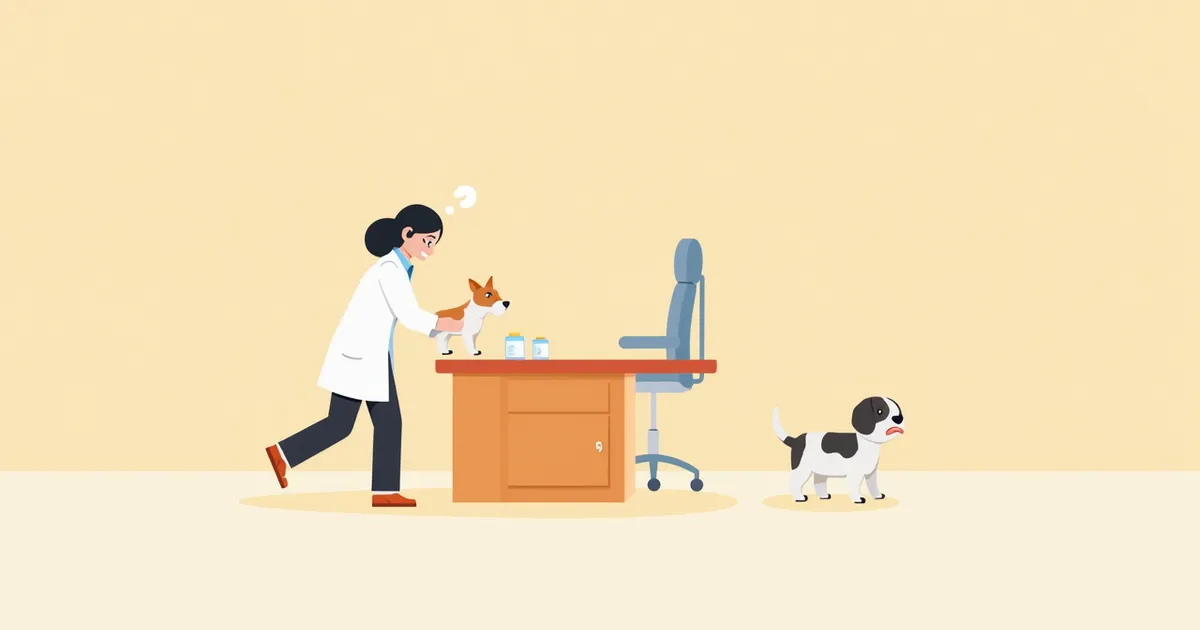
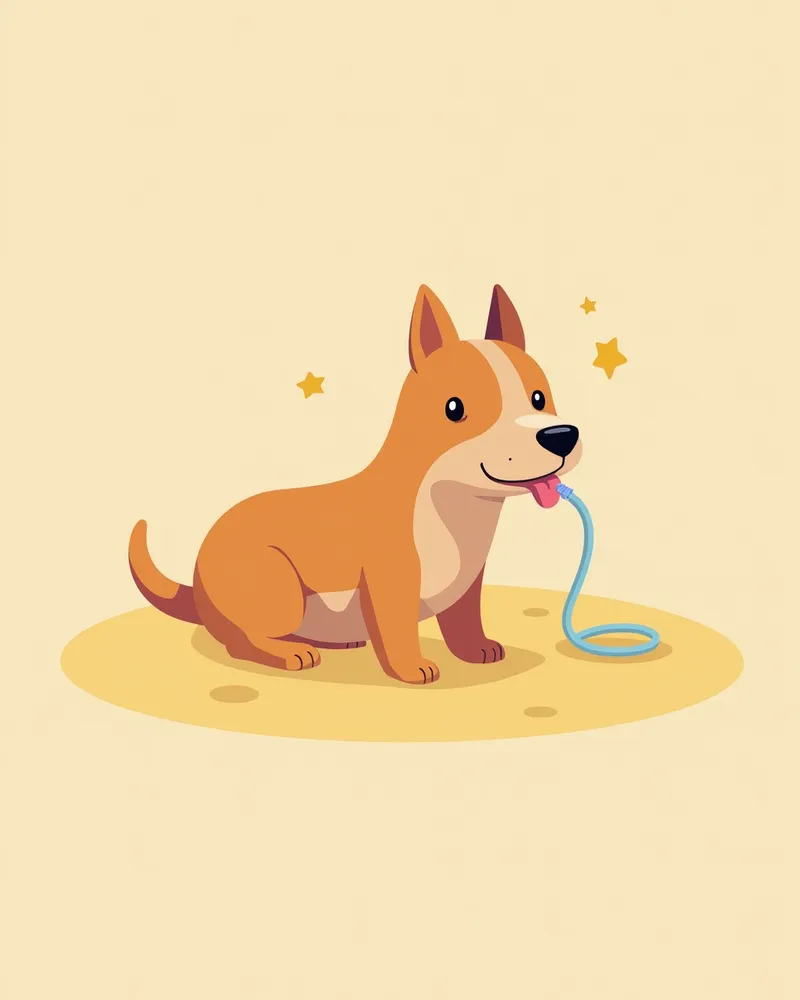
Endoscopic examination of the airway in a brachycephalic puppy

What are the Treatment Stages for Surgical Correction in Brachycephalic Dogs?

Surgical correction for brachycephalic syndrome in dogs involves several stages. First, a comprehensive preoperative health assessment is conducted to determine surgical eligibility. Second, after general anesthesia, an endoscopic examination of the airway is performed to identify structural abnormalities, followed by the necessary surgical procedures, such as soft tissue resection, laryngeal widening, and tracheal dilation. Third, the patient is monitored for at least 24 hours postoperatively to observe respiratory status, manage pain, and prevent infection. Finally, activity restriction and medication management are required for one to two weeks after surgery.
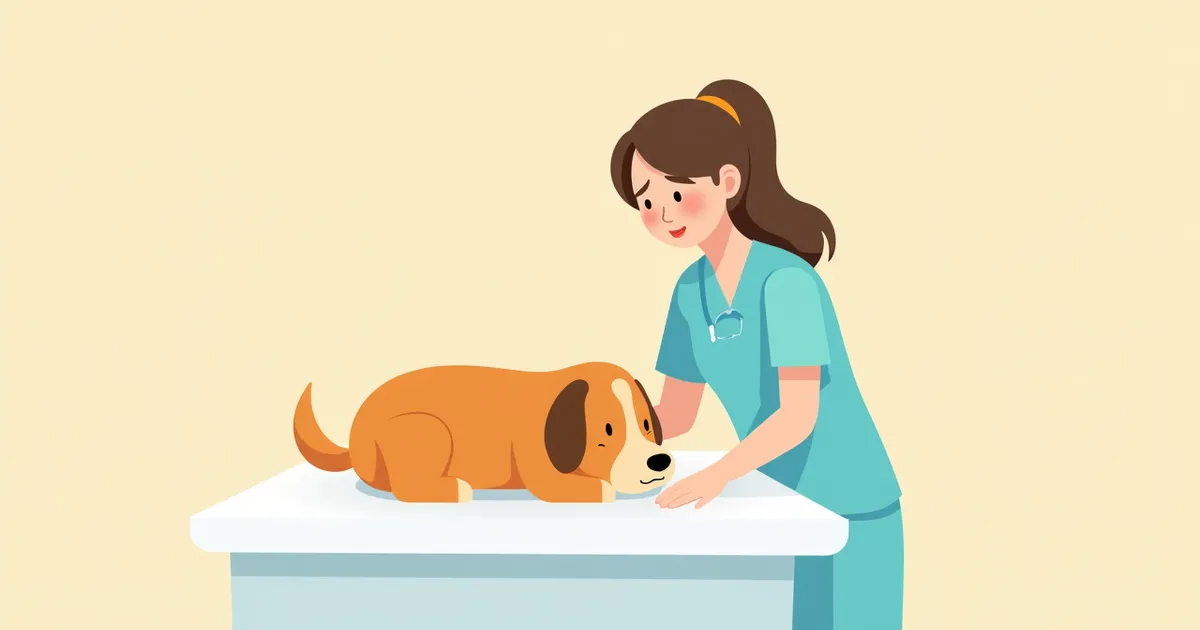
A puppy recovering after surgery

Post-Operative Care and Management Points

Post-operative care for brachycephalic dogs directly impacts surgical success. After surgery, activity levels should be controlled, and walks should be gradually reintroduced. Offer food slowly and provide water frequently. Wearing an Elizabethan collar can help prevent the dog from touching its nose or scratching its face. Regularly check the surgical site for signs of infection, and ensure all prescribed medications are given as directed. Weight management is also important, as excess weight can strain the respiratory system. The duration of activity restrictions during recovery varies depending on the individual dog’s progress, so it’s essential to follow your veterinarian’s guidance.
Recovery of a dog wearing a cone after surgery

Breed-Specific Precautions and Prevention of Recurrence

Brachycephalic breeds have unique genetic airway structures, so the risk of breathing problems can persist even after surgery. Pekingese and French Bulldogs, in particular, are commonly affected by Brachycephalic Obstructive Airway Syndrome. Regular health check-ups remain essential post-surgery, and weight management and environmental control are key aspects of care. Avoid excessive exercise, high temperatures, and stress, as these can increase respiratory strain.

Reviewed by a veterinarian

Dr. Tony — Punnawat Phongkittirak

Dr. Tony — Punnawat Phongkittirak

Veterinarian

A veterinarian who majored in veterinary medicine at Khon Kaen University, Thailand, and completed the IVSA program at North Carolina State University in the United States. Drawing on clinical experience at animal hospitals, he works in the pet healthcare field and is dedicated to building a digital care environment that connects pet parents with veterinarians.

Frequently Asked Questions

When is the best time to have surgery?
The timing of surgery is determined by the postoperative recovery status and clinical necessity, with it being ideal to perform the procedure once the overall health condition has stabilized. Early assessment and decision-making can help prevent complications.
Will my pet fully recover after surgery?
While most dogs experience significant improvement in their breathing, a complete return to normal respiratory function cannot be guaranteed. Consistent post-operative care remains essential.
How much does the surgery cost?
Surgical costs vary depending on the clinic and the type of procedure, and diagnostic tests and medications are billed separately. For an exact estimate, please consult directly with your veterinarian.
How long should I wear a cone after surgery?
The duration for wearing an Elizabethan collar after surgery varies depending on the healing progress of the surgical site and the patient's behavior. Typically, it is worn for about 7 to 14 days as per the veterinarian's instructions, and it is recommended to continue wearing it until healing is complete.
What should I do if my pet has trouble breathing again after surgery?
Please consult your veterinarian right away. Although there is a risk of recurrence, further evaluation and management may help improve the condition. It’s important to check for factors such as overweight, stress, and possible infections.

Share

Related Guides

References

[1] Fossum TW. Preoperative and intraoperative care of the surgical patient. In: Fossum TW, Duprey LP, O’Connor D, editors. Small animal surgery. 3rd ed. Boston, MA: Elsevier; 2007.

[2] Hosgood G, Scholl DT. Evaluation of age as a risk factor for perianesthetic morbidity and mortality in the dog. J Vet Emerg Crit Care. 1998;8(3):222-36.

[3] The Veterinary Workbook of Small Animal Clinical Cases. 2023. 5th ed. 5M Publishing.

This information is based on veterinary literature and does not replace diagnosis or treatment. Please consult a veterinarian for specific health concerns.

Metapet Co., Ltd. | CEO: Park Sung-yong | Business Reg. No. 417-88-02562 | Seoul, South Korea | Customer Center

Brachycephalic Dog Surgery: Symptoms to Treatment Guide | Meongsiljang