Like
Share
멍실장
고양이 FIP 포도막염 증상과 원인, 진단·치료와 관리 포인트 총정리

If Your Cat’s Eyes Are Cloudy — Symptoms, Diagnosis, and Treatment of FIP-Associated Uveitis

Eye HealthDiseasesMeongsiljang Veterinary Advisory Board

Feline infectious peritonitis (FIP)-associated uveitis is an inflammatory eye condition caused by an abnormal immune response to a mutated coronavirus. Early detection and proper management are essential.

What Is FIP-Associated Uveitis?

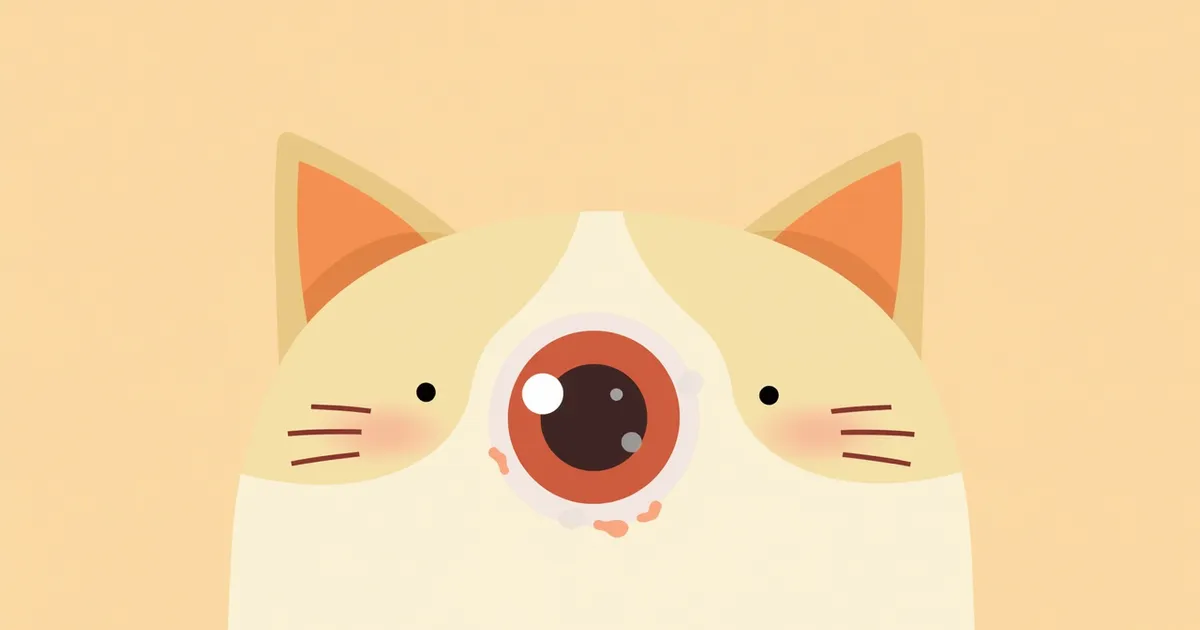
Inflammation of a cat's eyes caused by FIP-induced uveitis
Feline infectious peritonitis (FIP)-associated uveitis is a condition in which feline coronavirus (FCoV) mutates within the cat’s body, triggering an abnormal immune response that causes inflammation of the uvea in the eye. While feline coronavirus infection is common, most cats remain asymptomatic or experience only mild enteritis, with only a subset progressing to FIP. Kittens and certain breeds, such as Abyssinians and Bengals, are at higher risk. Ocular manifestations are predominantly anterior uveitis, which may present with keratic precipitates behind the cornea, clouding of the aqueous humor, fibrin in the anterior chamber, and hypopyon (pus accumulation). If left untreated, secondary glaucoma or retinal detachment can develop, leading to vision loss or blindness. This disease has traditionally been considered very difficult to treat with a poor prognosis, making early detection and appropriate management crucial.

What Are the Main Causes of FIP-Associated Uveitis?

The core cause of FIP-associated uveitis is that feline coronavirus (FCoV) mutates and replicates within macrophages, immune cells, triggering an aberrant immune response. This process leads to the release of inflammatory mediators such as cytokines, resulting in vasculitis and pyogranulomatous inflammation that damages the uvea of the eye. Kittens with immature immune systems, cats living in multi-cat households, and certain breeds such as Abyssinians and Bengals are at higher risk. Although feline coronavirus is primarily transmitted between cats via feces, many infected cats remain asymptomatic, making it difficult to predict progression to FIP or diagnose it early. Therefore, it is important to regularly monitor the health status of cats in high-risk groups.
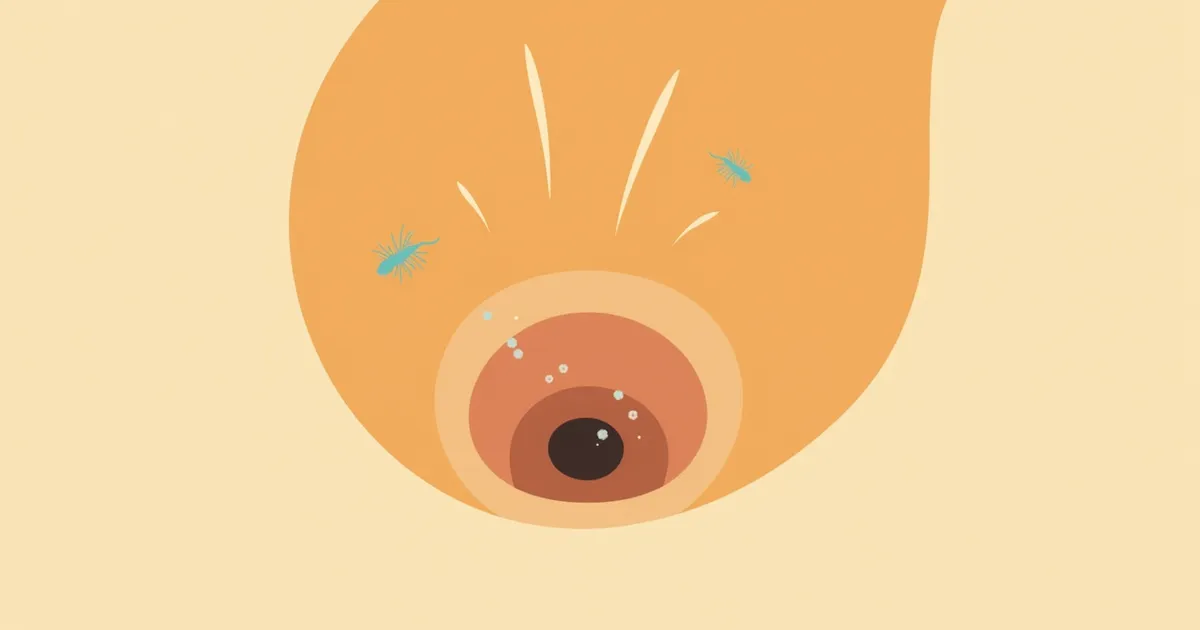
Feline peritonivirus replicating within macrophages

What Are the Main Symptoms and Signs?

Feline infectious peritonitis (FIP)-associated uveitis in cats typically presents as anterior uveitis. You may notice deposits on the back surface of the cornea (keratic precipitates), clouding of the aqueous humor, fibrin or pus accumulation in the anterior chamber (hypopyon), or bleeding into the front of the eye (hyphema). Inflammation can cause the pupil to abnormally constrict (miosis), while the iris may become swollen or develop new blood vessels. In the retina, blood vessels may become congested and tortuous, or retinal detachment may occur, leading to blurred vision. The condition can affect one or both eyes and usually follows a subacute course, progressing gradually over several days. Therefore, it is important to closely monitor any changes in your cat’s eyes.
Swelling and redness of a cat's eyes caused by uveitis due to FIP

Signs Requiring Immediate Veterinary Visit

If your pet’s eyes are severely swollen, the pupils are abnormally small, or they can’t open their eyes, seek veterinary care immediately. Early treatment is essential to prevent vision loss.

Methods for Accurate Diagnosis
Diagnosing FIP-associated uveitis is challenging, as no single test can provide a definitive diagnosis. Instead, we rely on a comprehensive approach that combines ophthalmic examinations with blood tests and analyses of bodily fluids or tissue samples, such as aqueous humor, exudates, and cerebrospinal fluid. Tests that help confirm the diagnosis include histopathology, immunohistochemistry, and reverse transcription polymerase chain reaction (RT-PCR). However, it is important to note that RT-PCR cannot specifically detect only pathogenic mutant strains, and its sensitivity and specificity vary between laboratories, requiring careful interpretation of the results. While blood tests may check for coronavirus antibody titers and inflammatory markers, a positive antibody test alone is insufficient to diagnose FIP. In fact, there is currently no single test that can definitively diagnose FIP in a living animal. Therefore, an accurate diagnosis requires synthesizing results from multiple tests with clinical symptoms, making early suspicion and prompt intervention crucial.
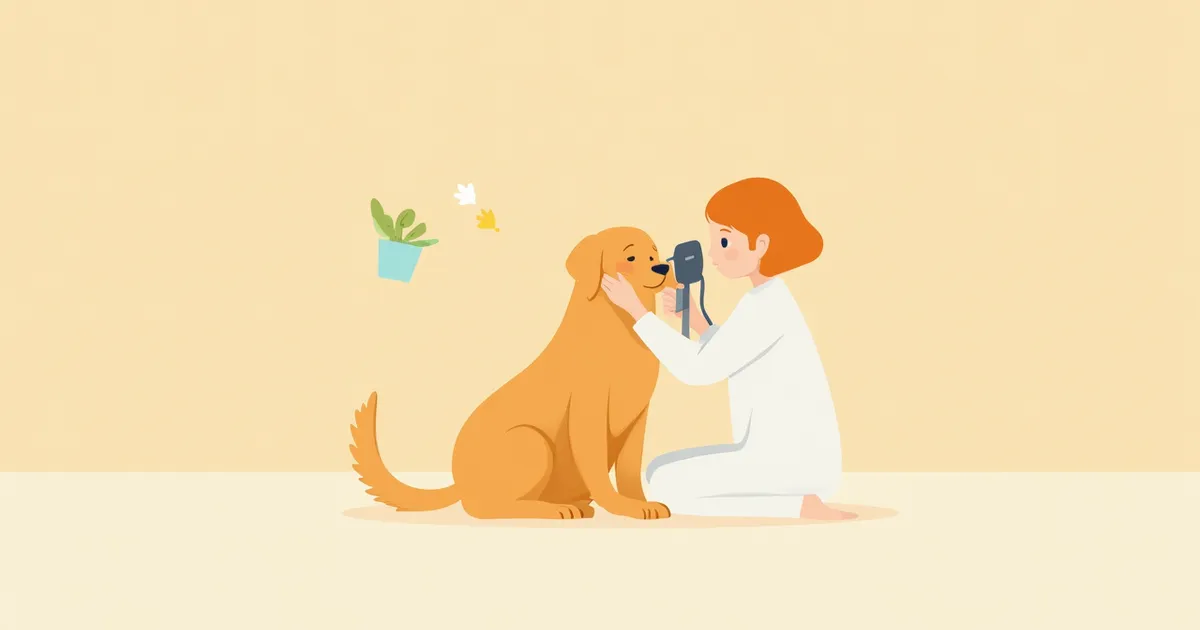
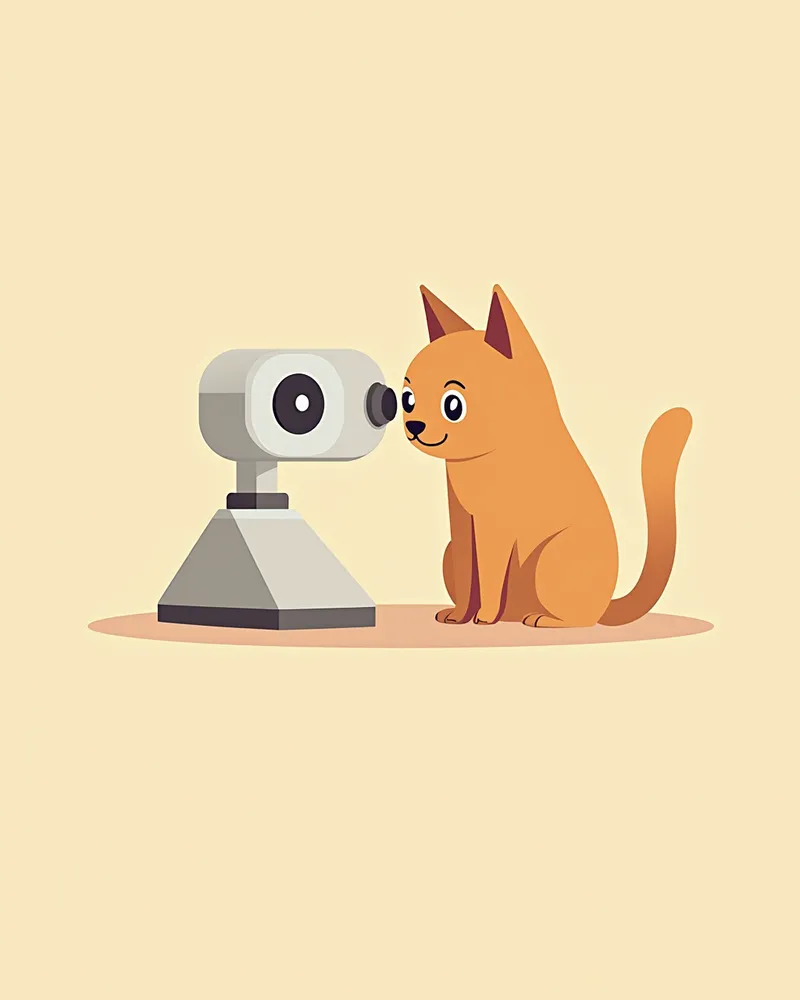
A veterinarian examining a cat's eye with a slit lamp.

Treatment Methods and Step-by-Step Approach

Treatment for FIP-associated uveitis involves a combination of symptomatic therapy to reduce ocular inflammation and antiviral therapy. To manage anterior uveitis, we use topical steroids, topical atropine to dilate the pupil (provided there is no secondary glaucoma), and systemic steroids. Systemically, corticosteroids (such as oral prednisolone) may be used to slow disease progression; however, FIP has traditionally been known for its transient response to treatment and poor prognosis. Encouragingly, recent reports have shown rapid improvement in uveitis associated with non-effusive FIP using antiviral agents like GS-441524. Because treatment can last from several months to years, regular check-ups and monitoring for side effects are essential, and the treatment plan must be flexibly adjusted according to the cat’s condition.
A veterinarian administering eye drops and medication to a cat

Management Points at Home

Check your cat’s eyes daily and administer medication on schedule. Keep the environment quiet and dimly lit to minimize light stimulation. Feed a nutritionally balanced, cat-specific diet, and maintain a consistent routine to reduce stress. Visit the vet regularly and promptly report any changes during treatment. If adverse reactions occur after medication, consult your veterinarian immediately. These care practices significantly enhance treatment effectiveness.
A cat resting comfortably in a quiet, dimly lit environment.

Certain Breeds Require More Attention

Certain breeds, such as Abyssinians, Bengals, Birmans, Ragdolls, and Rexes, are more susceptible to FIP. If you own a cat of one of these breeds, we recommend preventive screenings even before symptoms appear.

Reviewed by a veterinarian

Dr. Tony — Punnawat Phongkittirak

Dr. Tony — Punnawat Phongkittirak

Veterinarian

A veterinarian who majored in veterinary medicine at Khon Kaen University, Thailand, and completed the IVSA program at North Carolina State University in the United States. Drawing on clinical experience at animal hospitals, he works in the pet healthcare field and is dedicated to building a digital care environment that connects pet parents with veterinarians.

Frequently Asked Questions

Is feline infectious peritonitis (FIP)-associated uveitis treatable?
FIP has traditionally been known as a disease with a poor prognosis and difficult to cure. However, there are cases where ocular inflammation is controlled with local and systemic steroids, and recently, improvements in uveitis associated with non-effusive FIP have been reported with antiviral agents such as GS-441524. In any case, early suspicion and response are key.
Does uveitis lead to complete loss of vision?
Early, aggressive treatment significantly improves the chances of preserving vision. However, delayed treatment can lead to permanent vision loss due to secondary glaucoma or retinal detachment.
Can FIP-related uveitis be transmitted to other cats?
FIP itself is not directly contagious, as it results from a mutation of the coronavirus within an individual cat and the subsequent immune response. However, the underlying feline coronavirus can be transmitted to other cats, primarily through feces.
Will giving medication help improve the eye condition?
The medication helps reduce eye inflammation and suppress viral replication, improving the condition of the eyes. However, it may take several months or more of treatment to see improvement, and the response can vary from cat to cat.
How can I monitor my pet’s eye condition at home?
Check your pet’s eyes daily for any cloudiness, redness, or swelling, as well as constricted pupils, light sensitivity, or frequent squinting.

Share

Related Guides

References

[1] Plumb's Veterinary Drug Handbook, 9th Edition, 2022

[2] The Cat: Clinical Medicine and Management, 2nd Edition, 2021

[3] Feline Infectious Peritonitis: Pathogenesis and Clinical Management, Journal of Feline Medicine and Surgery, 2020

This information is based on veterinary literature and does not replace diagnosis or treatment. Please consult a veterinarian for specific health concerns.

Metapet Co., Ltd. | CEO: Park Sung-yong | Business Reg. No. 417-88-02562 | Seoul, South Korea | Customer Center

Cloudy Cat Eyes? FIP Uveitis Symptoms, Diagnosis & Treatment | Meongsiljang