Like
Share
멍실장
강아지 눈물 과다·눈물 얼룩 증상과 원인, 진단·치료와 관리 포인트 총정리

If Your Dog Has Severe Tear Staining — Causes and Management of Tear Stains

Eye HealthDiseasesMeongsiljang Veterinary Advisory Board

Excessive tearing and tear staining in dogs are common symptoms caused by abnormal tear production or structural issues in the eyes. Identifying the exact cause and providing appropriate care is essential.

Excessive Tearing and Tear Stains in Dogs Are Symptoms Caused by Abnormal Tear Production or Structural Issues
A close-up shot of a dog's face with tear stains.
Excessive tearing and tear stains in dogs occur when tears fail to drain properly and instead spill over onto the face. This typically results in brown or dark brown discoloration on the fur beneath the eyes due to pigment deposition. Beyond being a cosmetic concern, this can signal an underlying issue with the eyes or the tear drainage system (nasolacrimal duct). It is particularly common in breeds prone to tear stains, such as Poodles, or in dogs whose eyelid or periocular anatomy interferes with normal tear flow. Causes vary widely and may include structural abnormalities of the eyelids or tear drainage pathways, infections such as conjunctivitis or keratitis, and allergic reactions. Therefore, rather than simply wiping away the visible stains, identifying the exact underlying cause is the essential first step toward effective treatment.

The Main Causes of Excessive Tearing Include Structural Abnormalities of the Eye, Infection, Allergies, and Dietary Factors
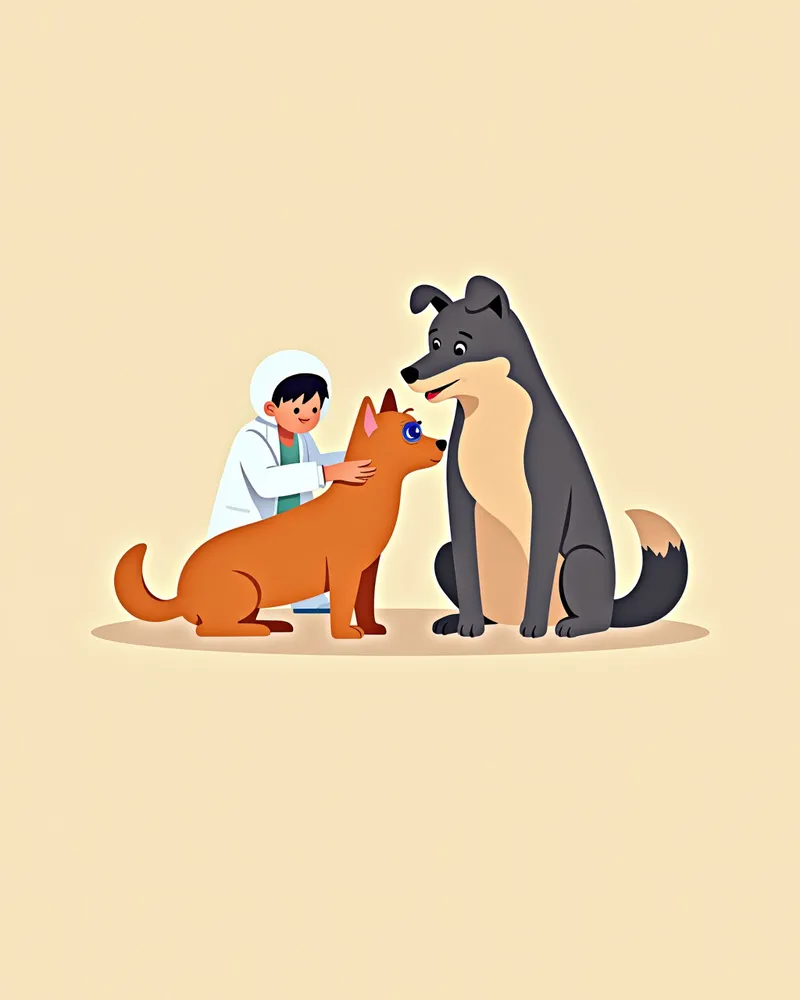
One common cause of excessive tearing in dogs is structural abnormalities around the eyes. A typical example is entropion, where the eyelid margin rolls inward, causing the eyelashes to irritate the eye. Blockages or inflammation in the nasolacrimal duct, which drains tears into the nose, can also be a factor. Inflammatory or infectious conditions such as conjunctivitis and keratitis can increase tear production. Allergic reactions may also be responsible; dogs with atopy or systemic allergies may develop allergic conjunctivitis, leading to increased tearing and discharge. Suspected food allergies fall into this allergic category as well. To identify the exact cause, veterinarians perform comprehensive evaluations, including eye examinations, tear tests, and assessments of the tear drainage system.
A veterinarian examining a puppy's eyes.

Key Symptoms and Signs Include Excessive Tearing, Staining, Eye Redness, and Tear Flow
Excessive tearing: A condition in which tears continuously flow from the eyes, often persisting throughout the day.
Tear staining: Brown or dark brown discoloration that appears on the fur beneath the eyes, caused by pigment binding when the fur remains damp.
Eye redness: Redness resulting from the dilation of blood vessels in the eye, which may be accompanied by pain or irritation.
Tear overflow: Tears spilling over and wetting the surrounding facial area, particularly worsening when the tear drainage pathway is blocked.
Tear odor: An unpleasant smell that can develop when old tears decompose due to bacterial action.
The area under a dog's eyes where tear stains are prominent

When to Seek Immediate Veterinary Care

If your pet suddenly produces excessive tears, develops red eyes, or begins rubbing or squinting, seek veterinary care immediately. These symptoms may indicate corneal damage or a serious infection. In particular, if the tearful eye is light-sensitive or kept closed, there is a risk of vision loss. A veterinarian must promptly examine your pet to identify the cause and begin treatment.

Eye Exams, Blood Tests, and Dietary Management Are Needed for an Accurate Diagnosis
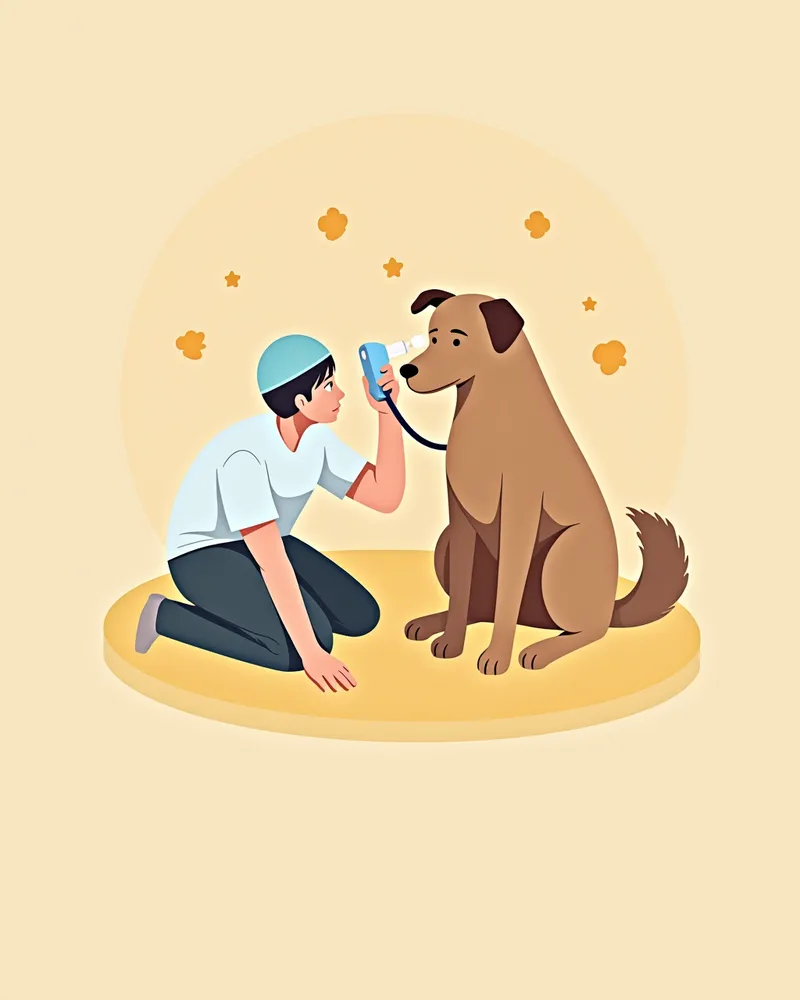
Diagnosing excessive tearing in dogs involves a combination of tests. First, an eye exam is performed to assess the eyelids, check for corneal damage, and rule out conjunctivitis. Tear production is measured using the Schirmer tear test, where a special strip is placed in the lower conjunctival sac for one minute, and the length of the wetted area is recorded. Fluorescein staining is used to detect corneal injuries and measure tear film break-up time, while the drainage pathway through the nose is checked for blockages. If allergies or other eye conditions are suspected, additional targeted tests are conducted. By combining these various diagnostic tools, your veterinarian can identify the underlying cause and reach an accurate diagnosis.
A veterinarian performing a tear test on a puppy

Treatment Methods Vary Depending on the Cause and Include Medication, Surgery, and Dietary Management
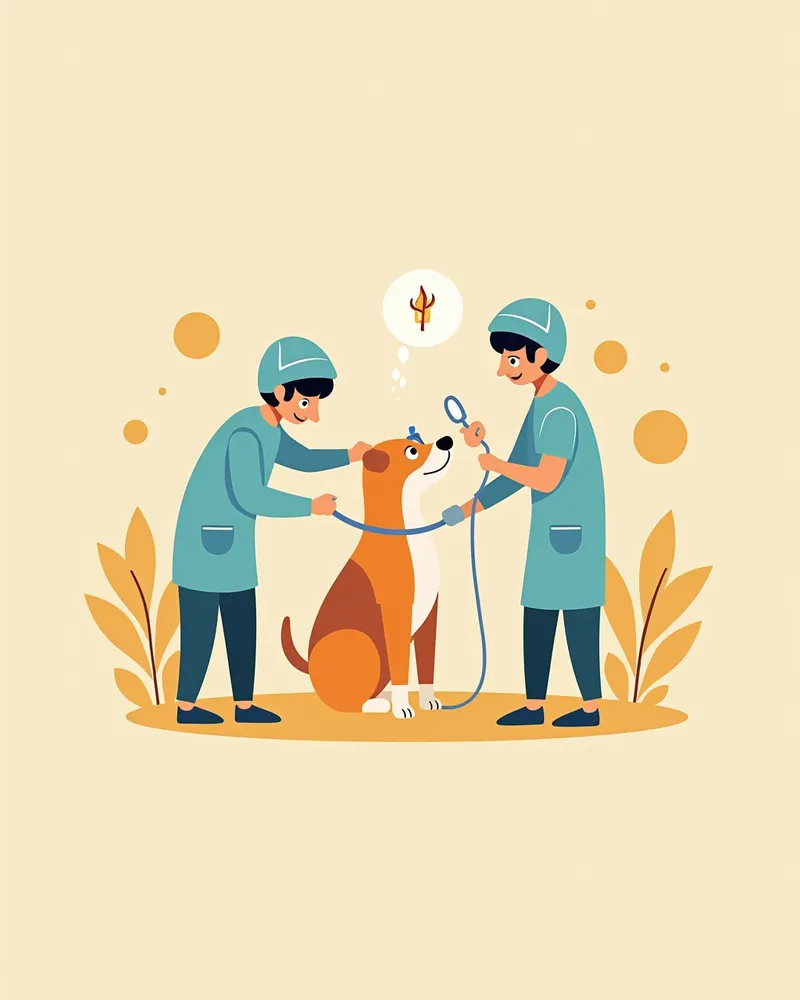
Medication: Antibiotics or anti-inflammatory drugs are used to relieve infection and inflammation. If needed, artificial tears or lubricants that protect the tear film may be used alongside them.
Surgical Treatment: If there is entropion (eyelid rolling inward) or issues with the tear drainage system, corrective surgery may be considered. In cases where tears overflow onto the face, procedures such as medial canthoplasty may be performed.
Hair Removal: If hair is irritating the eye, methods like cryoepilation (permanent hair removal using freezing) may be used to remove the inner hair.
Ongoing Care: After treatment, keep the area around the eyes clean and regularly groom the fur. Regular check-ups and consistent observation are necessary to prevent recurrence.
A veterinarian performing eye surgery on a puppy

The Key to Home Care Is Maintaining Cleanliness Around the Eyes and Grooming
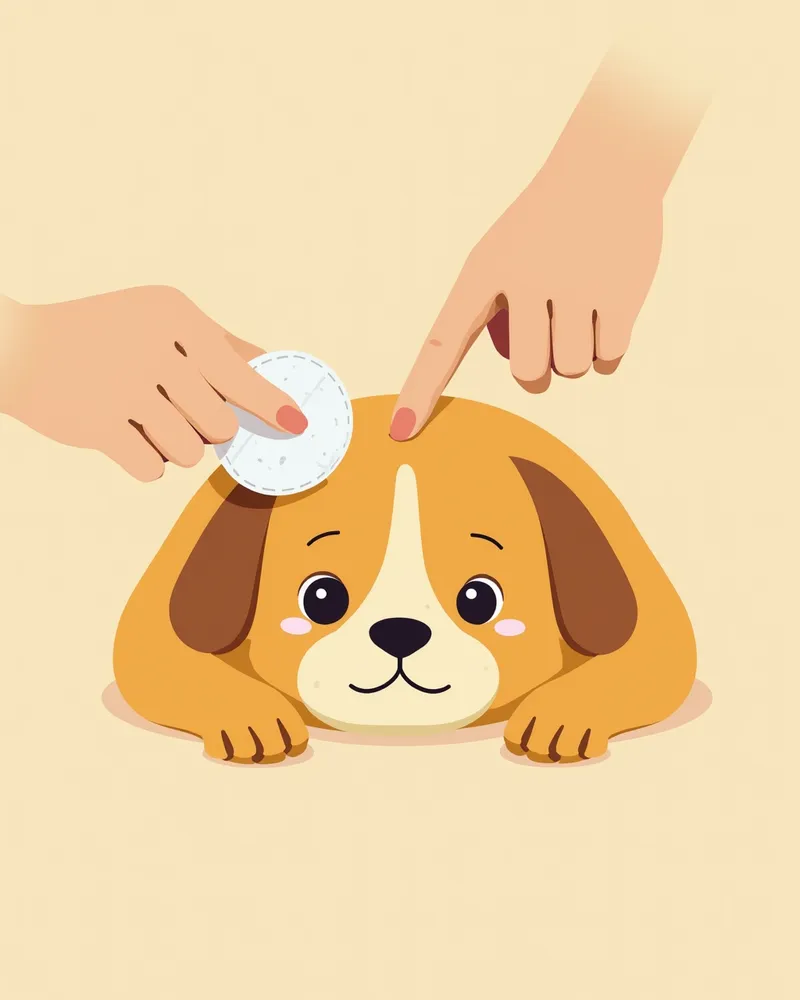
Cleaning around the eyes: Gently wipe under the eyes 1–2 times daily with lukewarm water or a specialized cleansing wipe. Be careful to avoid irritating the eyes.
Grooming: Keep the hair around the eyes trimmed short or brushed regularly. Long hair or strands poking into the eyes can cause tear buildup and irritation.
Allergy management: If you suspect an allergic reaction, consult your veterinarian to identify the cause and manage it appropriately. Even if food allergies are suspected, it’s safer to adjust the diet under veterinary guidance rather than making changes on your own.
Environmental care: Reduce exposure to allergens such as dust and pollen, and keep indoor air clean.
A caregiver gently wiping away tear stains from a puppy’s eyes

Breed-Specific Precautions and Prevention of Recurrence

Certain breeds, such as Poodles, Shih Tzus, and Chihuahuas, are more prone to excessive tearing and tear staining. This tendency can stem from unique anatomical features of their eyelids, periocular structures, or tear drainage pathways, making regular veterinary check-ups essential. Even after treatment, tearing may recur. Since allergies and anatomical issues often require ongoing management rather than a one-time cure, it’s important to work with your veterinarian to develop a long-term care plan and closely monitor any changes in symptoms.

Reviewed by a veterinarian

Dr. Tony — Punnawat Phongkittirak

Dr. Tony — Punnawat Phongkittirak

Veterinarian

A veterinarian who majored in veterinary medicine at Khon Kaen University, Thailand, and completed the IVSA program at North Carolina State University in the United States. Drawing on clinical experience at animal hospitals, he works in the pet healthcare field and is dedicated to building a digital care environment that connects pet parents with veterinarians.

Frequently Asked Questions

Can excessive tearing be prevented?
Prevention is possible depending on the cause. Structural issues, such as those involving the eyelids or tear drainage pathways, can be improved through surgery, while allergic problems can be reduced by managing the underlying triggers. Regular check-ups are essential.
Do tear stains affect a pet's health?
While tear stains themselves rarely pose a direct health risk, persistent irritation around the eyes can lead to inflammation or infection. If you notice tear stains, it’s important to identify the underlying cause.
Can dietary factors cause excessive tearing?
If your pet has a food allergy, it can lead to allergic conjunctivitis, which may increase tearing or eye discharge. However, it’s difficult to definitively say that specific nutrients directly cause increased tearing, so if you suspect diet is a factor, it’s best to consult with your veterinarian for guidance on adjusting their diet.
How long does it take to treat excessive tearing?
It depends on the underlying cause. Infections and inflammation often improve relatively quickly with medication, whereas structural issues or conditions requiring surgery may take longer to heal and manage. Allergies and structural problems may require long-term management.
How can I remove tear stains?
Tear stains can only be eliminated by addressing their underlying cause. Simply wiping away the stains provides only temporary relief and they are likely to recur. The most effective approach is to work with your veterinarian to identify and treat the root cause.

Share

Related Guides

References

[1] Gelatt KN et al. (2013). Veterinary Ophthalmology, 2nd ed. Wiley-Blackwell, Oxford, UK.

[2] Esson DW and Calvarese S (2022). Clinical Atlas of Canine and Feline Ophthalmic Disease, 2nd ed. John Wiley & Sons, Inc.

[3] Ny Y et al. (2006). Medial canthoplasty for epiphora in dogs: a retrospective study of 23 cases. J Am Anim Hosp Assoc, 42, 435–439.

This information is based on veterinary literature and does not replace diagnosis or treatment. Please consult a veterinarian for specific health concerns.

Metapet Co., Ltd. | CEO: Park Sung-yong | Business Reg. No. 417-88-02562 | Seoul, South Korea | Customer Center

Severe Tear Stains in Dogs: Causes and Management Tips | Meongsiljang