Like
Share
멍실장
고양이 마취 치과 처치 안전성 증상과 원인, 진단·치료와 관리 포인트 총정리

Is Feline Anesthesia for Dental Procedures Safe? — Warning Signs and Safety Management Checklist

Oral HealthDiseasesMeongsiljang Veterinary Advisory Board

Feline anesthesia for dental procedures requires careful attention to safety. It is essential to fully understand and properly manage potential complications during anesthesia and their preventive measures.

Safety in Feline Anesthetic Dental Procedures Requires Cooperation Between Owners and Veterinarians
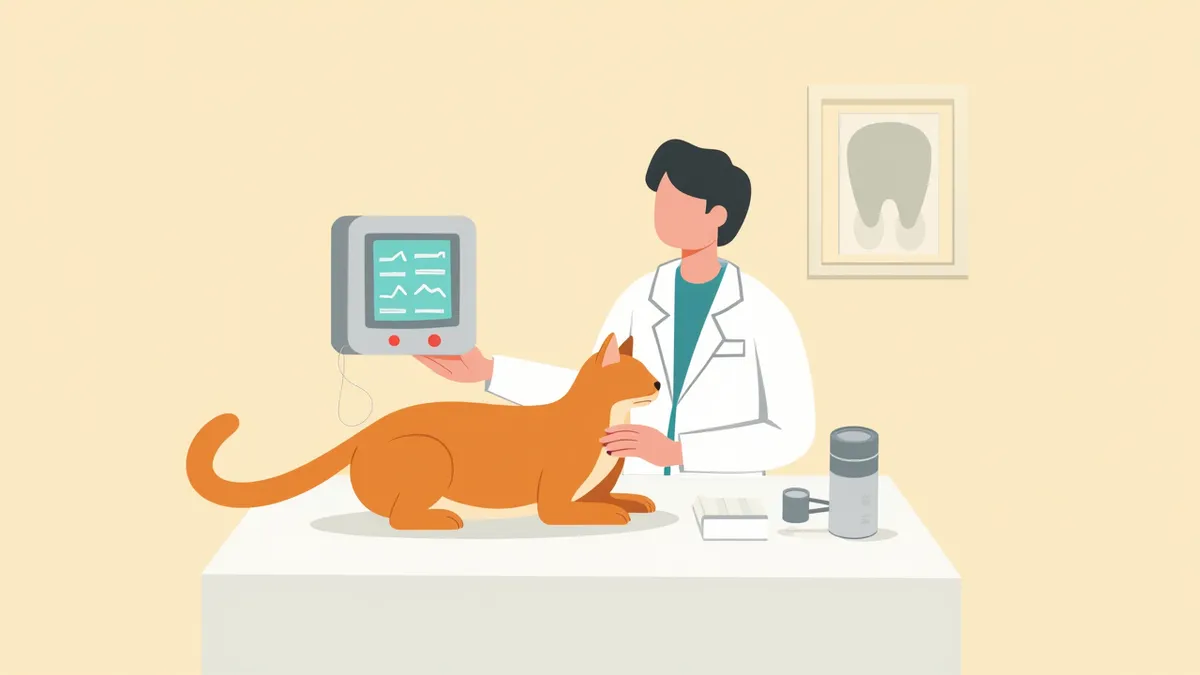
A veterinarian conducting a pre-anesthesia examination on a cat
The safety of anesthesia for feline dental procedures begins with thorough pre-anesthetic assessment and meticulous preparation. - Comprehensive pre-anesthetic health evaluation: A holistic review of the cat’s age, underlying conditions, and cardiovascular status is essential. The physical examination includes auscultation of the heart and lungs, assessment of pulse strength, and evaluation of mucous membrane color and hydration status. - Baseline diagnostic testing: Blood work, including a complete blood count (CBC), serum biochemistry profile, urinalysis, and thyroid hormone levels (T4), helps assess liver and kidney function and detect any hidden organ abnormalities, allowing for early identification of risk factors. - Individualized anesthetic planning: The choice of anesthetic agents and dosages must be tailored to the cat’s weight and overall health. In senior cats, reduced liver and kidney function may decrease drug clearance, necessitating careful dose adjustments. - Continuous intraoperative monitoring: Real-time monitoring of heart rate, oxygen saturation, blood pressure, and body temperature enables early detection of any adverse signs. - Post-anesthetic care protocol: Close management during recovery—including monitoring respiratory function, maintaining body temperature, and restricting activity—is critical. Together, these steps form the foundation of safe anesthetic dental care for cats.

Major Risk Factors for Anesthetic Dental Procedures Include Age, Health Status, and Inadequate Pre-Anesthetic Preparation

There are several factors that contribute to the risks of anesthesia for dental procedures in cats. As cats age, their cardiovascular function tends to weaken, reducing their tolerance to anesthesia. Underlying conditions such as heart disease, kidney disease, or liver disorders can also increase the risk of complications during anesthesia. Additionally, if pre-anesthetic fasting is not properly managed or if anesthesia is administered without prior blood tests, the likelihood of complications rises significantly. A thorough pre-anesthetic evaluation by a veterinarian is essential to ensure a safe anesthetic experience.
A scene of a pre-anesthesia health checkup for a senior cat

Major Symptoms That May Occur During and After Anesthesia Include the Following

Cats may exhibit a variety of symptoms during or after anesthesia. These include slowed or irregular breathing, a sudden drop in heart rate, a rapid decline in body temperature, and bluish discoloration of the lips or oral mucosa. Additionally, some cats may fail to regain consciousness after anesthesia, show no movement, or experience vomiting or retching. These signs indicate emergency situations requiring immediate intervention. Pet owners must carefully monitor their cats following anesthesia.
A veterinarian observing a cat recovering from anesthesia.

If Breathing Difficulties or Decreased Consciousness Persist After Anesthesia, Transport to a Veterinary Clinic Immediately

If your cat does not wake up within an hour after anesthesia, or if their breathing becomes very slow or stops, you should immediately transport them to a veterinary clinic. This could be a sign of serious complications. Immediate intervention by a veterinarian can save their life. As a pet owner, you should always monitor your cat for 24 hours after anesthesia.

Comparison of Pre- and Post-Anesthetic Care Methods

ItemBasic careSpecialty hospital careSenior/diseased cat care
Blood testRequiredRequiredMust be performed
ECG monitoringAvailableRequiredRequired
Maintaining body temperatureOrdinary blanketUse of heating padSpecialized temperature-control equipment
Timing to resume feedingAfter 6 hoursAfter 8 hoursAfter 12 hours

For senior cats and cats with underlying diseases, management at a specialty hospital is essential.

Comparing Pre- and Post-Anesthetic Care

Before a cat undergoes anesthesia for a dental procedure, pre-operative screening is important to assess overall systemic health. - Physical Exam and Auscultation: The heart and respiratory system are auscultated, and pulse, mucous membrane color, and hydration status are checked to evaluate overall condition. - Blood Work: A complete blood count (CBC), biochemistry panel, urinalysis, and thyroid level (T4) are used to assess liver function, kidney function, hemoglobin, and other parameters, uncovering hidden organ abnormalities. - Detecting Underlying Disease: Concealed conditions such as chronic kidney disease, diabetes, hyperthyroidism, and hypertrophic cardiomyopathy significantly increase anesthetic risk when present. - Additional Tests Such as ECG: If auscultation raises suspicion of an arrhythmia or heart murmur, or if there is a risk of cardiac disease, an electrocardiogram (ECG) or echocardiogram is performed to reduce risk. - Individualized Anesthetic Planning: Based on the test results, the type and dose of anesthetic agents are adjusted to improve safety. - The Veterinarian's Decision-Making Criteria: Test results serve as key data for detecting hidden organ abnormalities and deciding whether to proceed with anesthesia.
고양이의 혈액 검사를 하는 수의사의 모습

Treatment Depends on Monitoring During Anesthesia, Appropriate Selection of Anesthetic Agents, and an Immediate Response System
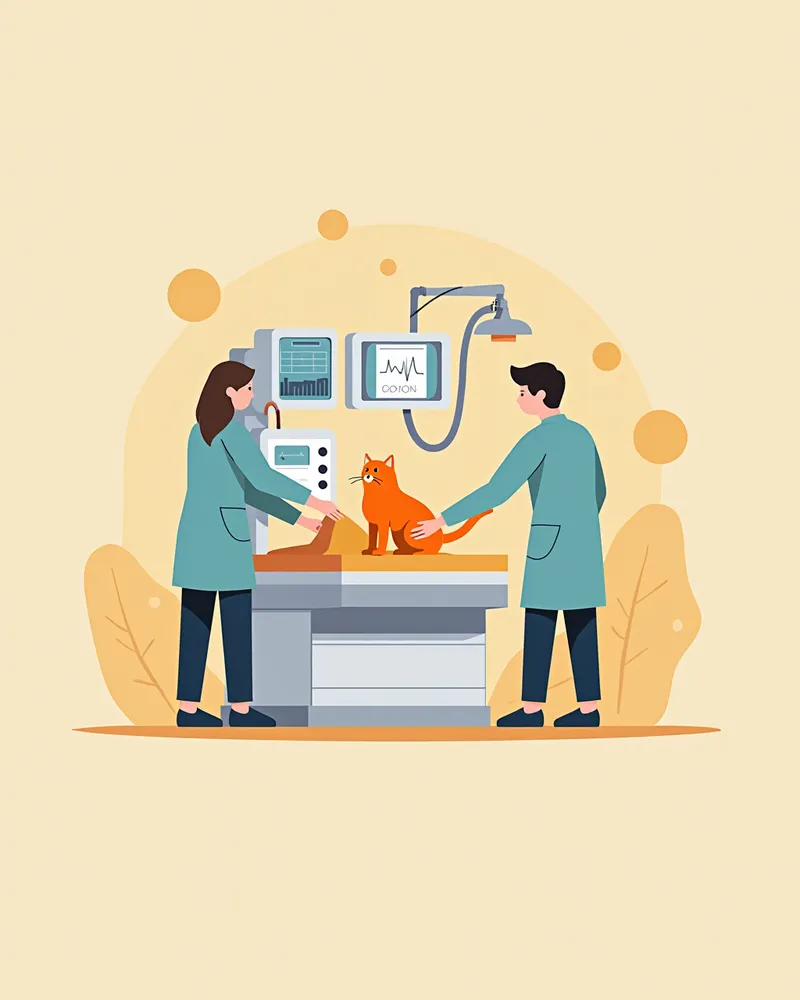
The key to safe anesthesia for feline dental procedures is continuous monitoring throughout the process. Vital signs such as heart rate, respiratory rate, blood pressure, oxygen saturation, and body temperature must be checked in real time. Anesthetic agents should be selected based on the cat’s weight and overall health status, with the ability to adjust medications as needed. Additionally, emergency supplies—including oxygen delivery equipment, cardiopulmonary resuscitation tools, and emergency medications—must be readily available. The veterinarian’s expertise and thorough preparation are central to ensuring safety.
A veterinarian operates anesthesia equipment while monitoring the cat’s vital signs.

Home Care Is Important for Maintaining Body Temperature, Managing Fasting, and Restricting Activity After Anesthesia

When you bring your cat home after anesthesia, it’s important to create a warm environment to help maintain their body temperature. - Maintain Body Temperature: Cats have reduced ability to regulate their body temperature after anesthesia, so keep them warm with a cozy blanket. However, avoid using heating pads or microwaved grain bags, as these can pose a risk of burns. - Feeding Management: Do not offer food or water immediately after recovery. Wait until your cat is fully awake and their swallowing reflex has returned, then provide small amounts as directed by your veterinarian. This helps prevent gastric reflux or aspiration pneumonia. - Limit Activity: Avoid sudden jumping or excessive activity. Allow your cat to rest comfortably in a quiet space. - Observation Period: Monitor your cat closely for a while after anesthesia to check their recovery progress. - Responding to Abnormal Signs: If you notice difficulty breathing, decreased consciousness, or repeated vomiting, take your cat to the hospital immediately. All of these steps are essential for ensuring a safe recovery.
A cat resting in a quiet environment after anesthesia

Senior Cats and Cats with Underlying Conditions Must Undergo Specialized Pre-Anesthetic Examinations

Senior cats and those with underlying conditions such as heart disease, kidney disease, or diabetes are at higher risk during anesthesia. It is essential to undergo specialized pre-anesthetic evaluations, including echocardiography, blood tests, and radiographs. Your veterinarian must assess the risk level and adjust the anesthesia plan accordingly. Forcing anesthesia without proper precautions can be life-threatening.

Reviewed by a veterinarian

Dr. Tony — Punnawat Phongkittirak

Dr. Tony — Punnawat Phongkittirak

Veterinarian

A veterinarian who majored in veterinary medicine at Khon Kaen University, Thailand, and completed the IVSA program at North Carolina State University in the United States. Drawing on clinical experience at animal hospitals, he works in the pet healthcare field and is dedicated to building a digital care environment that connects pet parents with veterinarians.

Frequently Asked Questions

Why is anesthesia essential for feline dental procedures?
Dental defects and gum disease can cause pain and negatively impact a cat’s overall health. Anesthesia enables accurate diagnosis and effective treatment.
What should I watch for in the 24 hours after anesthesia?
Carefully monitor your pet’s level of consciousness, breathing, food intake, body temperature, and mobility. If you notice any abnormal signs, contact your veterinarian immediately.
How long should my pet fast before anesthesia?
Generally, food should be withheld for 8 hours before anesthesia, but water is allowed. Please follow your veterinarian's instructions carefully.
What should I do if my pet vomits after anesthesia?
If vomiting persists or is accompanied by severe shock symptoms, seek immediate veterinary care. A veterinarian needs to diagnose the underlying cause and provide appropriate treatment.
What should I do if my cat doesn’t move after anesthesia?
It’s normal for your pet to remain still for 1–2 hours after anesthesia. However, if they don’t move or respond after two hours, contact your vet immediately.

Share

Related Guides

References

[1] Bruno H. Pypendop and Jan E. Ilkiw. The Cat, Clinical Medicine and Management, 2nd Edition. 2023.

[2] Brodbelt D. Perioperative mortality in small animal anaesthesia. Vet J. 2009;182:152–161.

[3] Davies JA, Fransson BA, et al. Incidence of and risk factors for postoperative regurgitation and vomiting in dogs: 244 cases (2000-2012). J Am Vet Med Assoc 2015;246(3):327-35.

This information is based on veterinary literature and does not replace diagnosis or treatment. Please consult a veterinarian for specific health concerns.

Metapet Co., Ltd. | CEO: Park Sung-yong | Business Reg. No. 417-88-02562 | Seoul, South Korea | Customer Center

Is Cat Dental Anesthesia Safe? Warning Signs & Safety Checklist | Meongsiljang