Like
Share
멍실장
고양이 간질발작 증상과 원인, 진단·치료와 관리 포인트 총정리

Everything You Need to Know About Feline Epilepsy: Symptoms, Causes, Diagnosis, Treatment, and Care

Brain & CognitionDiseasesMeongsiljang Veterinary Advisory Board

We’ve compiled everything pet owners need to know about feline epilepsy, including causes, symptoms, diagnosis, treatment, and home care.

What Is Feline Epilepsy?

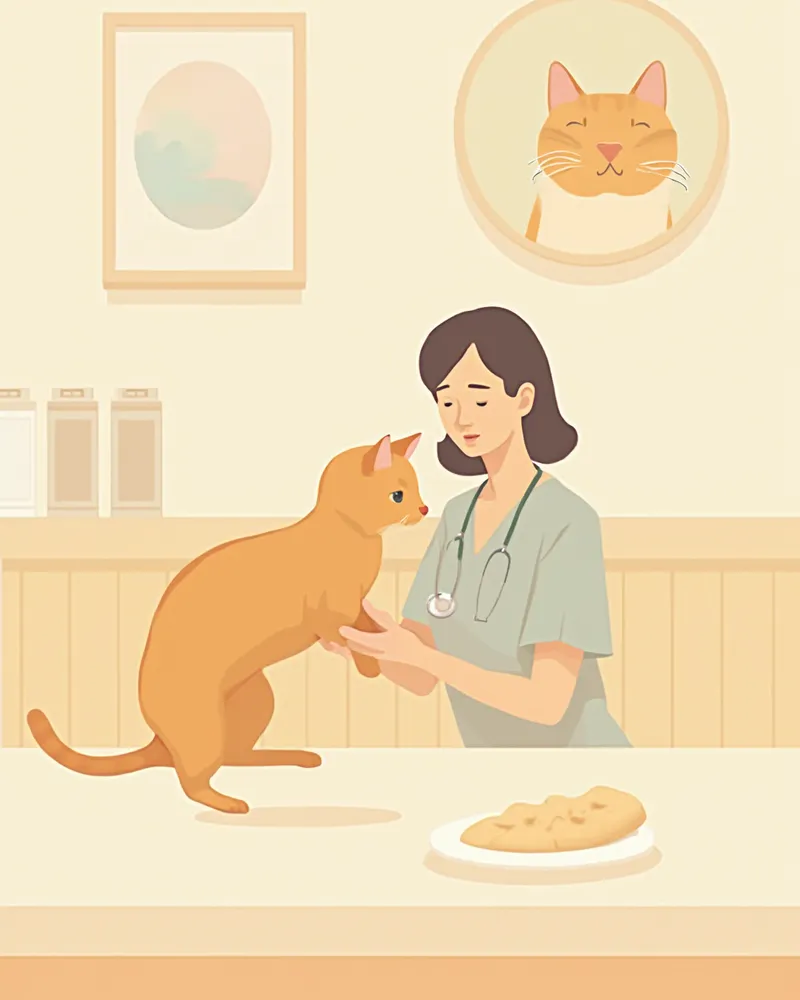
A veterinarian diagnosing feline epilepsy
Feline epilepsy is a neurological disorder in which abnormal overactivation of brain neurons leads to sudden seizures, loss of consciousness, and behavioral changes. Early identification of the underlying cause is essential. Cats have a lower rate of idiopathic (cause unknown) epilepsy compared to dogs, with secondary causes such as brain tumors, infections, and metabolic abnormalities being far more common. Therefore, diagnostic testing to determine the cause is mandatory from the very first seizure.

Main Causes of Feline Epilepsy

Feline seizures are broadly categorized into two types. Structural epilepsy occurs when there is a direct lesion in the brain. Common causes include meningoencephalitis, brain tumors (such as meningiomas and lymphomas), feline infectious peritonitis (FIP), ischemic encephalopathy (stroke), and trauma. In cats, these structural brain diseases are considered the most common cause of seizures. Reactive seizures occur when the brain itself is normal, but seizures are triggered by systemic metabolic abnormalities or toxins. Causes include hypoglycemia, hepatic encephalopathy (liver failure), uremic encephalopathy (kidney failure), hypocalcemia, hyperthyroidism, thiamine (vitamin B1) deficiency, and exposure to toxins such as pesticides (pyrethrins), antifreeze (ethylene glycol), rodenticides (bromethalin), and chocolate or caffeine (theobromine). Idiopathic (cause unknown) epilepsy is relatively rare in cats.

Checklist of Feline Seizure Symptoms

Seizures and stiffness: The limbs may become rigid (generalized rigidity) or move repetitively in a paddling motion. Generalized seizures typically present symmetrically on both sides of the body.
Loss of consciousness: During generalized (grand mal) seizures, the pet loses consciousness, does not respond to its name, and may have a vacant stare.
Autonomic symptoms: Salivation, vomiting, or diarrhea may occur during or immediately after a seizure.
Incontinence: Loss of bladder or bowel control can happen during a seizure.
Prodromal or partial signs: Partial (focal) seizures may initially manifest as anxiety, excessive vocalization, hiding, or stumbling, before progressing to a generalized seizure.
Post-ictal confusion (post-seizure phase): After the seizure ends, the pet may remain disoriented for several minutes to hours, stumble, experience temporary vision loss leading to bumping into walls, or show signs of anxiety and hyperactivity.
A pet owner checking for signs of seizures in a cat

When to Go to the Emergency Room Immediately

If any of the following occur, take your pet to a 24-hour emergency animal hospital immediately. Delaying care can lead to brain damage or death. • Seizures lasting more than 5 minutes without stopping (status epilepticus) • Two or more seizures occurring within a 24-hour period (cluster seizures) • Failure to regain consciousness for more than 30 minutes after a seizure • Severe vomiting or difficulty breathing during a seizure

Diagnosis — Identifying the Cause Comes First

Because the treatment for feline seizures varies significantly depending on the underlying cause, an accurate diagnosis is essential.
Blood and urine tests: These check blood glucose, liver enzymes, kidney function, and thyroid hormone levels to rule out metabolic or reactive causes such as hypoglycemia, hepatic encephalopathy, uremia, and hyperthyroidism.
Blood pressure measurement: As part of a systemic health assessment, blood pressure is measured to identify any concurrent abnormalities, such as hypertension.
Brain MRI and CT: These advanced imaging studies detect brain tumors, meningoencephalitis, and structural lesions. Since structural brain disease is the most common cause of seizures in cats, imaging is particularly important and requires general anesthesia.
Cerebrospinal fluid (CSF) analysis: This test is performed after an MRI if deemed necessary, helping to differentiate infectious or inflammatory causes, such as meningoencephalitis.

Treatment — A Step-by-Step Approach

Emergency treatment: For status epilepticus (continuous seizures), intravenous anticonvulsants are administered. Benzodiazepines such as diazepam or midazolam are used as first-line therapy to stop ongoing seizures, and immediate veterinary intervention is required.
Long-term anticonvulsant therapy: If seizures recur frequently, occur in clusters, or involve status epilepticus, daily anticonvulsant medication is prescribed. In cats, phenobarbital and levetiracetam are most commonly used; zonisamide may be added if the response to phenobarbital is insufficient. The veterinarian determines the dosage based on body weight and blood drug levels. With proper anticonvulsant management, many cats experience a reduction in both the frequency and severity of seizures.
Treating the underlying cause: If reactive seizures are caused by conditions such as hyperthyroidism, toxins, or metabolic disorders, resolving the underlying cause alone may control the seizures.
Veterinarian treating a cat with anticonvulsant therapy

Home Care Points During and After a Seizure

Never put your hands in your cat’s mouth during a seizure. Cats do not swallow their tongues. Doing so puts you at risk of being bitten. Create a safe space: Remove sharp objects from the area and place your cat on a soft surface. Record a video: A short video of the seizure can be very helpful for your veterinarian’s diagnosis. Keep a seizure log: Record the date, time, duration, and symptoms. This is essential for evaluating treatment effectiveness. Minimize stress: A consistent routine and a quiet environment may help reduce the frequency of seizures.
A cat resting in a safe space

Important Checks While Taking Anticonvulsants

For cats taking phenobarbital, check the blood drug concentration about 10 days after starting the medication or changing the dose, and then monitor blood concentration along with a complete blood count (CBC), liver enzymes, and bile acids every four months. Do not stop the medication abruptly, as this can trigger rebound seizures; always consult your veterinarian first if you notice any changes in your cat’s condition.

Reviewed by a veterinarian

Dr. Tony — Punnawat Phongkittirak

Dr. Tony — Punnawat Phongkittirak

Veterinarian

A veterinarian who majored in veterinary medicine at Khon Kaen University, Thailand, and completed the IVSA program at North Carolina State University in the United States. Drawing on clinical experience at animal hospitals, he works in the pet healthcare field and is dedicated to building a digital care environment that connects pet parents with veterinarians.

Frequently Asked Questions

Should I hold my cat during a seizure?
It’s best not to restrain or hold your cat during a seizure, as they may bite or scratch out of fear, and additional stimulation can prolong the episode. Instead, clear the area of any hazards and observe while timing the seizure.
Even if my pet has only had one seizure, should I still take them to the vet?
Yes, even if it’s the first seizure, a thorough examination is essential. Idiopathic epilepsy is rare in cats, so we need to rule out underlying causes such as brain tumors, infections, or metabolic disorders from the very first episode. Without proper evaluation, the underlying condition could continue to worsen.
Does my pet need to take medication for the rest of its life after being diagnosed with epilepsy?
It depends on the underlying cause. If seizures are controlled by treating an underlying condition, such as hyperthyroidism or hypertension, anticonvulsant medication may not be necessary. While idiopathic epilepsy typically requires long-term medication, drugs can significantly reduce the frequency of seizures.
Which cats are at higher risk for seizures?
Senior cats are at higher risk for brain tumors, high blood pressure, and kidney failure, which also increases their likelihood of seizures. You should also watch for neurological symptoms if your cat has been exposed to toxins such as lilies, pesticides, or xylitol, or if they have been diagnosed with feline infectious peritonitis (FIP).
Is it really necessary to record a video of the seizure?
If possible, recording the episode can be very helpful. Capturing the seizure type (whether it’s a generalized or focal seizure), its duration, and your cat’s level of consciousness on video provides veterinarians with valuable information for diagnosis and treatment planning. However, always prioritize your cat’s safety over filming.

Share

Related Guides

References

[1] Li CF, Vernau KM. 'Seizures and Status Epilepticus', in Silverstein DC, Hopper K (eds), Small Animal Critical Care Medicine, 3rd Ed. Elsevier, 2023.

[2] Maddison JE, Page SW, Church DB. '100 Top Consultations in Small Animal General Practice', Chapter 83. Wiley-Blackwell, 2011.

[3] Berendt M, Gram L. Epilepsy and seizure classification in 63 dogs: a reappraisal of veterinary epilepsy terminology. J Vet Intern Med 1999;13(1):14-20.

[4] Pakozdy A, Leschnik M, Tichy AG, Thalhammer JG. Retrospective clinical comparison of idiopathic versus symptomatic epilepsy in 240 dogs with seizures. Acta Vet Hung 2008;56(4):471-83.

This information is based on veterinary literature and does not replace diagnosis or treatment. Please consult a veterinarian for specific health concerns.

Metapet Co., Ltd. | CEO: Park Sung-yong | Business Reg. No. 417-88-02562 | Seoul, South Korea | Customer Center

Feline Epilepsy: Symptoms, Causes, Diagnosis, Treatment & Care | Meongsiljang