Like
Share
멍실장
강아지 크립토스포리듐 감염, 증상과 치료법 총정리

Dog Cryptosporidium Infection: A Complete Guide to Symptoms and Treatment

DigestiveDiseasesMeongsiljang Veterinary Advisory Board

We’ve put together everything pet owners need to know about cryptosporidium infection in dogs, including its causes, key symptoms like diarrhea and dehydration, diagnosis and treatment options, and home care tips.

What Is Cryptosporidium Infection?
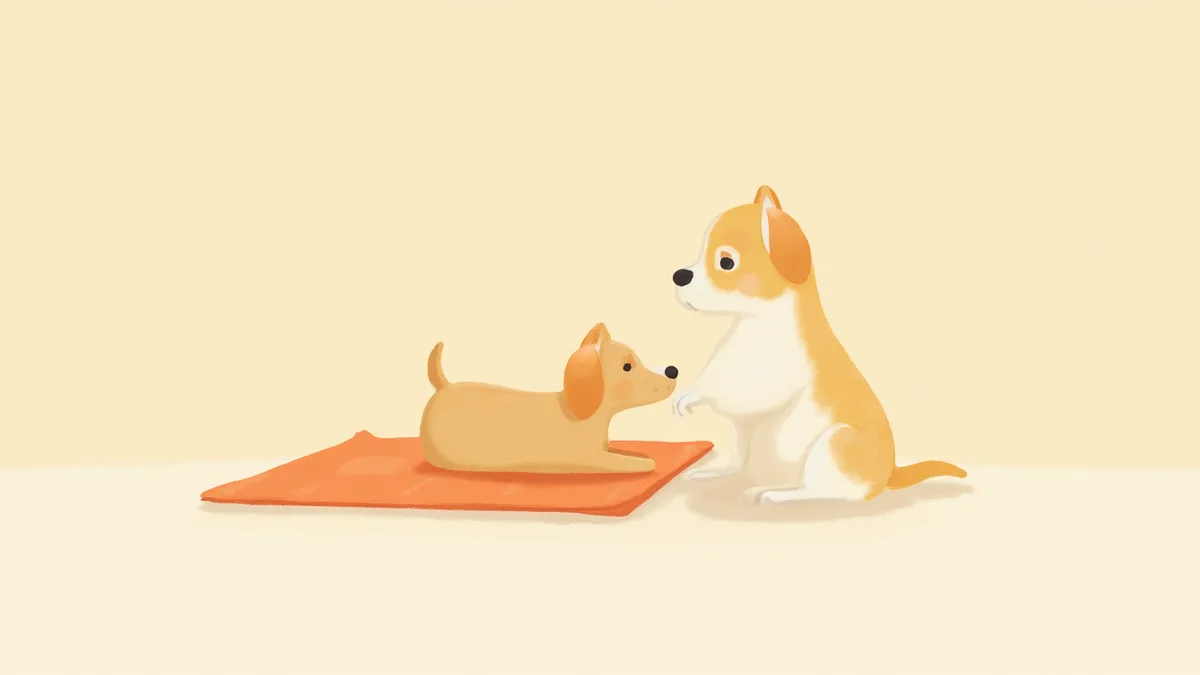
A small puppy being gently examined on the诊疗台.
Cryptosporidiosis in dogs is an intestinal parasitic disease caused by a very small protozoan parasite that lives in the small intestine. The key to managing this condition is addressing diarrhea and dehydration. If watery diarrhea persists for more than a day, or if your dog is a puppy, a senior, or immunocompromised, seek veterinary care immediately. Because the symptoms closely resemble those of other bacterial and parasitic infections, self-diagnosis can be dangerous.

Causes and Routes of Infection

The cause is microscopic protozoa such as Cryptosporidium parvum and C. canis. Infection occurs when oocysts—the egg-like forms shed in the feces of infected dogs, cattle, or cats—contaminate soil, water, grass, or toys and are then ingested. Oocysts can survive for months in cold, moist environments and are resistant to most common disinfectants, making them highly contagious.

Key Symptoms Checklist

The infection is caused by microscopic protozoa such as Cryptosporidium parvum and C. canis. Puppies, cattle, and cats shed oocysts (egg-like forms) in their feces, which can contaminate soil, water, grass, and toys, leading to infection when ingested. Oocysts can survive for a relatively long time in moist environments and are particularly resilient in cold, damp conditions, allowing them to persist in the environment. Since they are resistant to most common disinfectants, prompt removal of feces and maintaining a clean environment are essential to prevent transmission.
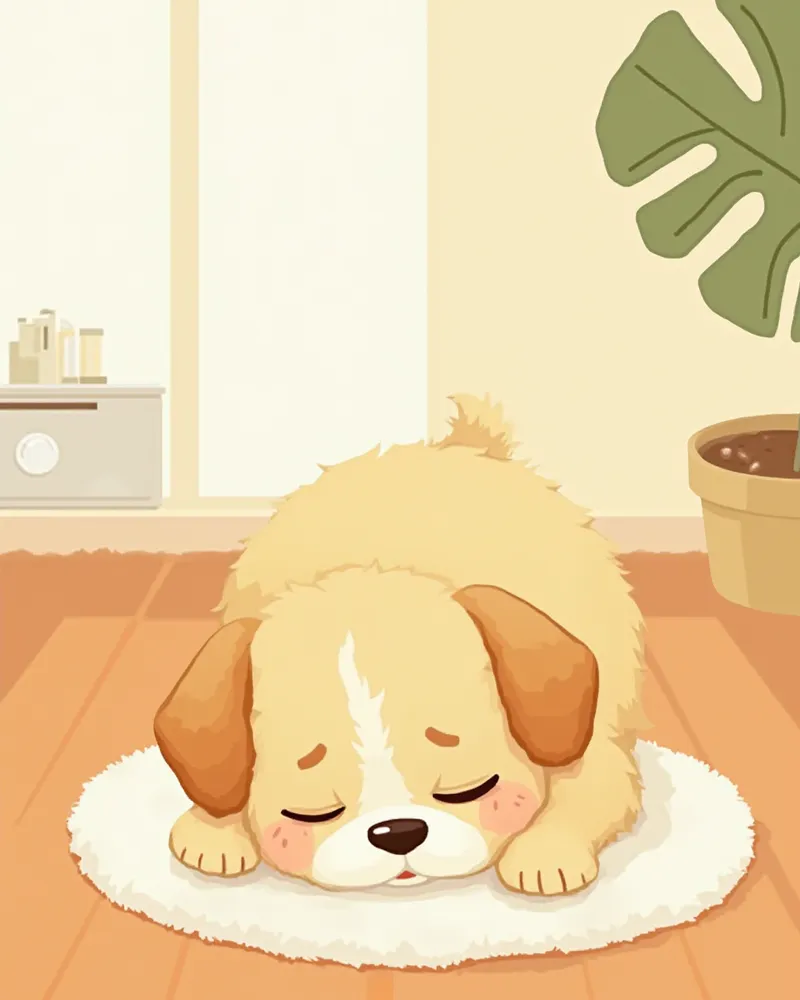
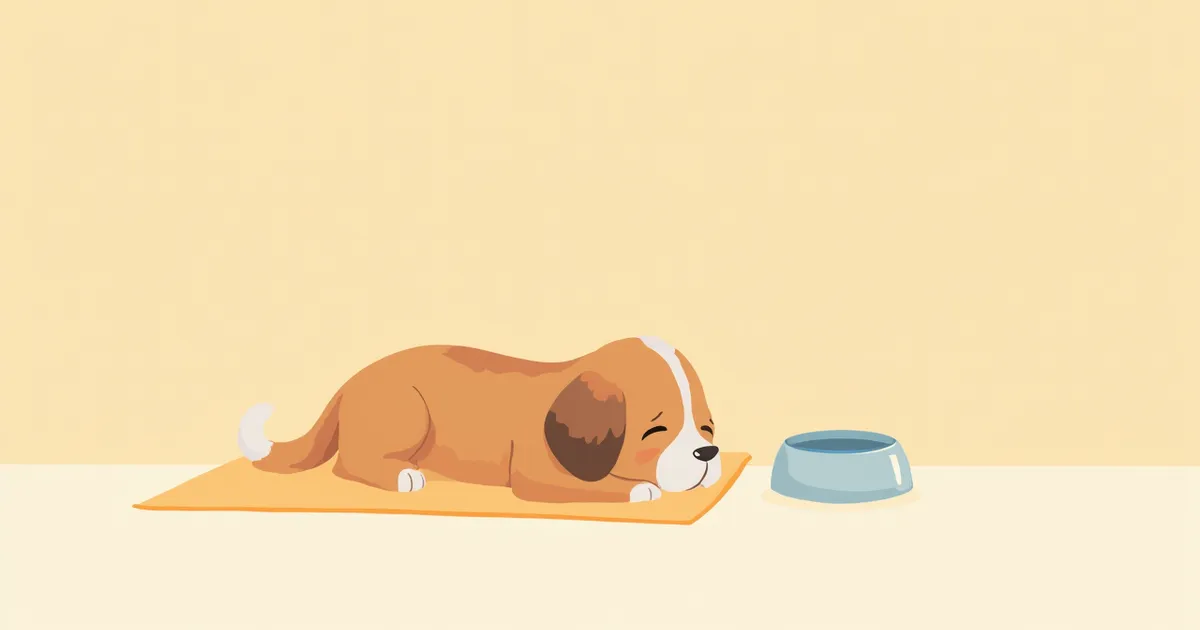
A lethargic puppy lying on a soft rug with a water bowl nearby

When to Seek Immediate Veterinary Care

If any of the following apply, seek veterinary care as soon as possible. Puppies under two months of age are especially vulnerable, as they can become dangerously dehydrated within half a day. - Diarrhea lasting more than 24 hours - Blood in the stool or black, tarry stools - Vomiting immediately after drinking water - Pale or sticky gums - Extreme lethargy or inability to stand - Immunocompromised status, underlying medical conditions, advanced age, or being a newborn puppy

Diagnostic Methods

According to veterinary internal medicine textbooks, Cryptosporidium oocysts are so small that they can easily be missed in routine fecal exams. Therefore, a combination of the following tests is used:
Acid-fast stained fecal exam: Stains the oocysts for microscopic identification.
ELISA and immunofluorescence assays: Highly accurate tests that detect specific antigens.
PCR testing: Can differentiate between species (e.g., C. parvum and C. canis).
Blood tests for dehydration and electrolytes: Help determine treatment priorities.
Because symptoms alone make it difficult to distinguish Cryptosporidium from parvovirus, Giardia, or Salmonella, accurate diagnostic testing is essential.

Treatment Options

In most cases, pets recover on their own with proper hydration and electrolyte support. The key to treatment is "rehydrating the body and preventing secondary infections."
Fluid therapy: If dehydration is severe, fluids are administered subcutaneously or intravenously for rapid rehydration.
Gut protectants and anti-diarrheal medications: These are prescribed by a veterinarian based on the pet's weight and condition.
Antibiotics and antiparasitic drugs: These may be used under veterinary guidance if the immune system is compromised or the condition becomes chronic.
Dietary management: A prescription diet that’s easy to digest should be given in small, frequent meals over several days.
Since there’s no definitive cure for this condition, supportive care is essential. Administering human medications or anti-diarrheals without veterinary advice can worsen the situation. For safety, all medications should only be used under the guidance and prescription of a veterinarian.
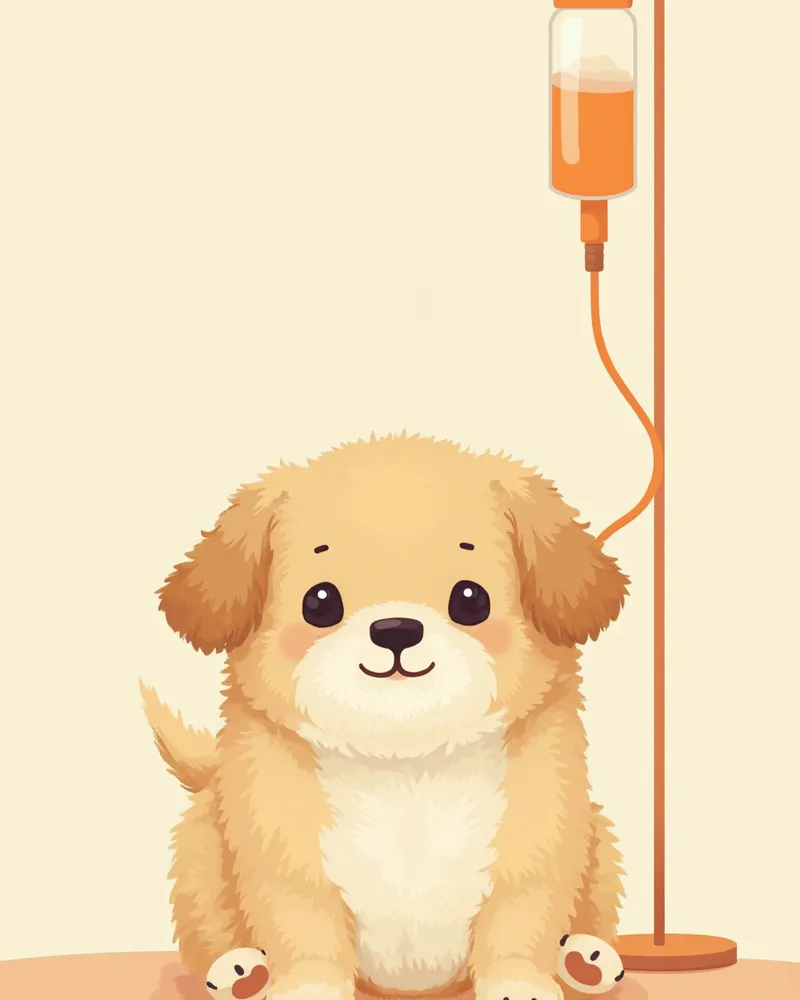
A puppy resting comfortably while receiving intravenous fluid therapy.

Home Care and Recovery Management

The recovery period varies depending on your dog’s condition and immune status. Proper care during this time helps prevent reinfection.
Change water frequently: Replace with fresh water 2–3 times a day.
Clean up feces and urine immediately: This is the most effective way to prevent the spread of oocysts.
Disfect bowls and toys with hot water: Boiling or using hot water or steam helps reduce oocysts.
Separate walking routes: Avoid contact with other dogs until fully recovered.
Wash hands: Always wash your hands thoroughly with soap after cleaning up feces to maintain hygiene.

Transmission to Immunocompromised Individuals, Puppies, and Humans

Cryptosporidium is a protozoan parasite that can infect humans as well as animals. However, according to veterinary parasitology textbooks, Cryptosporidium found in dogs and cats is not considered a primary source of human infection. Still, for hygiene reasons, children, pregnant women, and individuals undergoing chemotherapy or with compromised immune systems should avoid contact with animal feces and garden soil, and drink only boiled or filtered water. In households with multiple dogs, even asymptomatic pets may carry the parasite, so if an infection is confirmed, it’s advisable to test all animals and thoroughly clean the environment.

Reviewed by a veterinarian

Dr. Tony — Punnawat Phongkittirak

Dr. Tony — Punnawat Phongkittirak

Veterinarian

A veterinarian who majored in veterinary medicine at Khon Kaen University, Thailand, and completed the IVSA program at North Carolina State University in the United States. Drawing on clinical experience at animal hospitals, he works in the pet healthcare field and is dedicated to building a digital care environment that connects pet parents with veterinarians.

Frequently Asked Questions

If my dog has cryptorchidism, do I absolutely need to give them antibiotics?
Not at all. Most healthy adult dogs recover with proper hydration and dietary management alone. Medication is prescribed by a veterinarian only in cases of immunosuppression or when symptoms persist.
Can it be transmitted to humans?
Cryptosporidium in dogs and cats is not considered a major source of human infection. However, children and immunocompromised individuals should take hygiene precautions, and it is important to wash your hands after cleaning up feces.
Can vaccinations prevent it?
There is currently no vaccine available for dogs against Cryptosporidium. Prevention relies on maintaining good hygiene and ensuring access to clean water and food.
Can my pet get it again after recovering?
We can’t completely rule out the possibility of reinfection. Since oocysts can remain in the environment, please keep up with regular cleaning and disinfection of your pet’s living space.
Will regular bleach or disinfectants kill them?
They are quite resistant to general disinfectants, so you should use boiling water, hot water, steam sterilization, or a dedicated disinfectant to achieve effective results.

Share

Related Guides

References

[1] Greene, C.E., Infectious Diseases of the Dog and Cat, 4th Edition, Chapter on Cryptosporidiosis

[2] Sykes, J.E., Canine and Feline Infectious Diseases, Cryptosporidium spp. Chapter

[3] Scorza, V. & Lappin, M.R. (2017), Cryptosporidiosis in companion animals, Veterinary Parasitology

This information is based on veterinary literature and does not replace diagnosis or treatment. Please consult a veterinarian for specific health concerns.

Metapet Co., Ltd. | CEO: Park Sung-yong | Business Reg. No. 417-88-02562 | Seoul, South Korea | Customer Center

Dog Cryptosporidium Infection: Symptoms & Treatment Guide | Meongsiljang