Like
Share
멍실장
강아지 방광결석 종류별 식이 관리와 수술 결정 가이드 — 스트루바이트·옥살산·시스틴 비교

Dog Bladder Stones: Treatment Varies by Type — Dietary and Surgical Decision Guide

UrinaryDiseasesMeongsiljang Veterinary Advisory Board

Dog bladder stones fall into two categories: those that can be dissolved through diet and those that require surgery. We’ll break down the four main types—struvite, calcium oxalate, cystine, and uric acid—and share the criteria for deciding on surgery, as well as dietary strategies to prevent recurrence.

What Are Dog Bladder Stones?
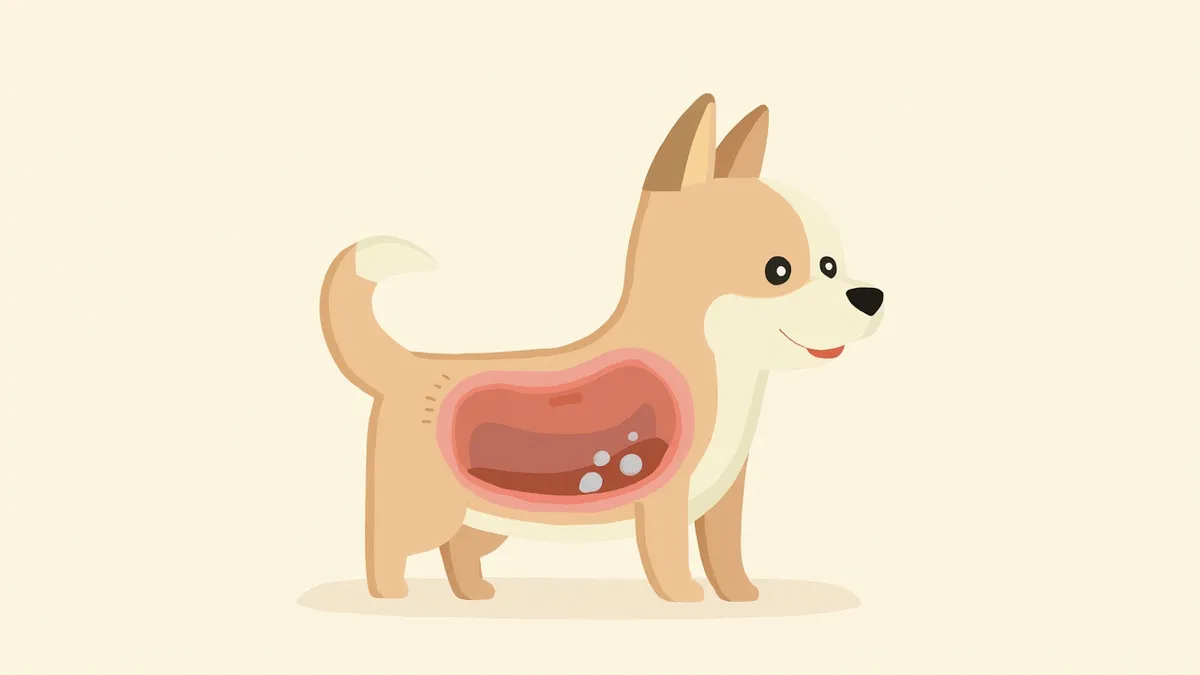
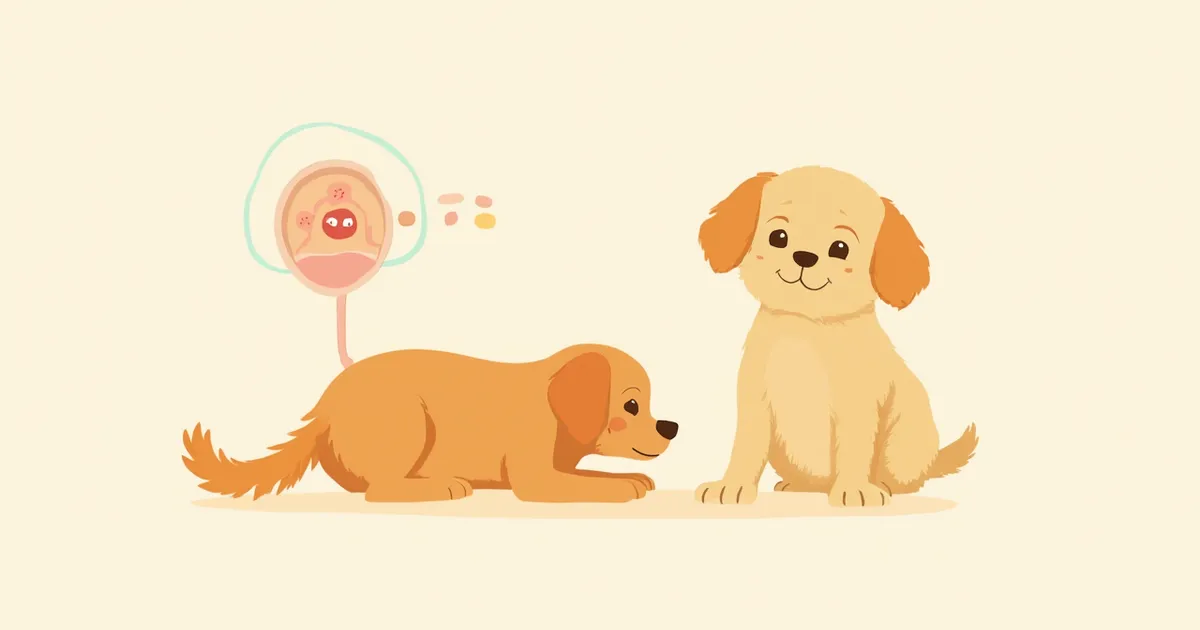
A cross-sectional illustration showing stones forming inside a dog's bladder.
Bladder stones in dogs are a urinary tract condition in which mineral crystals clump together and grow into hard, stone-like formations within the bladder. The most critical step is to first identify the type of stone. Struvite stones can be dissolved with a prescription diet, and uric acid or cystine stones may also be medically dissolved by lowering urine pH and specific gravity through specialized diets. In contrast, calcium oxalate stones cannot be dissolved by any diet once formed and must be removed surgically or via lithotripsy. If your dog is urinating frequently or straining with discomfort, it’s best to have a veterinarian determine the stone type as soon as possible.

Why Identify the Stone Type First?

The treatment approach for bladder stones varies significantly depending on their type. Struvite (magnesium ammonium phosphate) stones often form alongside bacterial cystitis in alkaline urine and can sometimes be dissolved over several weeks using a combination of antibiotics and a prescription diet. Uric acid and cystine stones may also be candidates for medical dissolution through prescription diets that regulate urine pH and specific gravity. In contrast, calcium oxalate stones form readily in acidic urine and, once hardened, cannot be dissolved by any diet, necessitating surgical removal. Since X-rays alone cannot accurately identify the stone type, urine testing and stone analysis are essential.

Comparison of 4 Bladder Stone Types — Dietary Dissolvability

ItemStruviteCalcium oxalateCystineUrate
Main causeBacterial cystitisAcidic urine/geneticsGenetic (English Bulldog)Genetic (Dalmatian)
Predisposed sexFemaleMaleMaleMale
Visible on X-rayTrueTrueFalseFalse
Dissolution with prescription dietPossible (4–12 weeks)Not possiblePartialPartial
First-line treatmentPrescription diet + antibioticsSurgery/lithotripsySurgery/lithotripsySurgery + urate-lowering agent

Based on veterinary internal medicine textbooks and Applied Veterinary Clinical Nutrition, 2nd edition

Symptoms That Suggest Bladder Stones
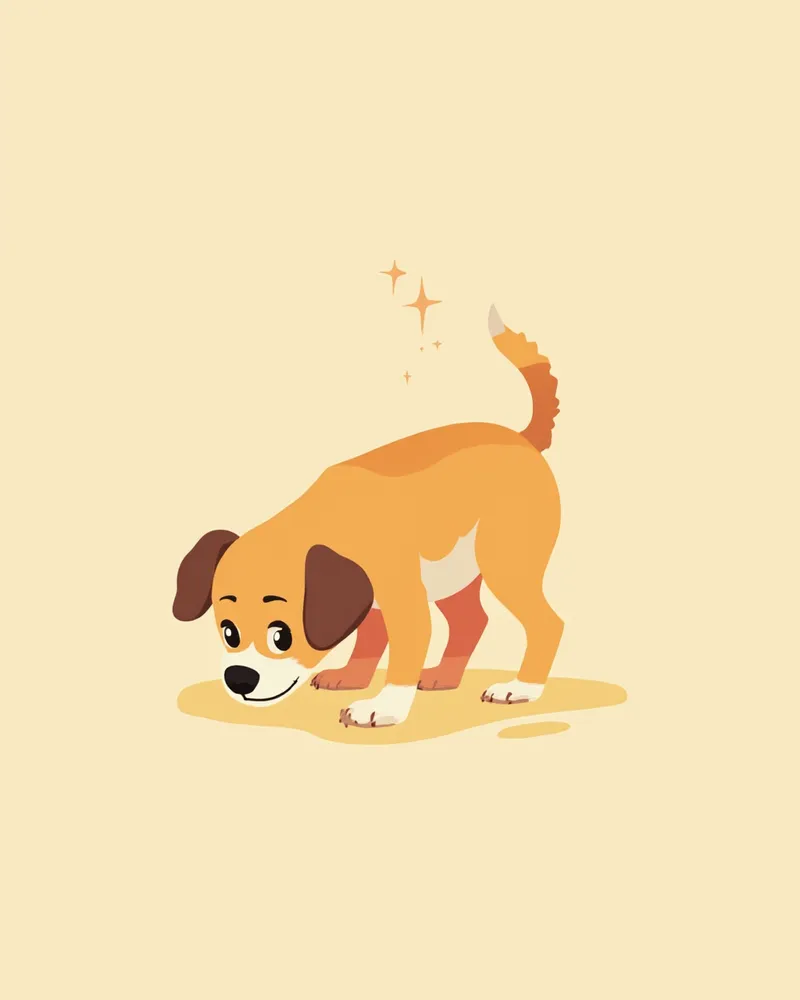
Bladder stones may be asymptomatic when small, but as they grow, they can irritate the bladder lining, causing bleeding and pain. - Frequent urination: Your pet may urinate small amounts frequently. - Hematuria: A pink or red tint may appear at the end of urination. - Painful urination: Your pet may whine or strain in a hunched position. - Urinary incontinence: Sudden accidents may occur throughout the house. - Anuria: If your pet hasn’t urinated for over 24 hours, it’s a medical emergency.
The posture of a dog struggling to urinate due to bladder stones

When to Go to the Emergency Room Immediately

If a male dog is unable to urinate for more than 24 hours, or if his abdomen becomes distended and he experiences vomiting and lethargy, there is a very high likelihood of urethral obstruction. This occurs when a stone moves into the urethra and blocks the urinary tract. If left untreated, kidney damage can occur within 48 hours, and hyperkalemia can lead to cardiac arrest. Even at night, you must take your dog to an emergency animal hospital immediately.

Diagnosing Bladder Stones — What Tests Are Performed?

An accurate diagnosis typically involves three tests. A urinalysis checks pH levels, crystals, and bacterial infections, while an abdominal X-ray reveals the size and number of stones. Stones that are difficult to see on X-rays, such as those made of cystine or uric acid, are identified using an abdominal ultrasound or contrast imaging. After surgery, the removed stones are sent to an external laboratory for precise compositional analysis, which then serves as the lifelong basis for dietary management.

Treatment Options — Criteria for Dietary Dissolution vs. Surgery
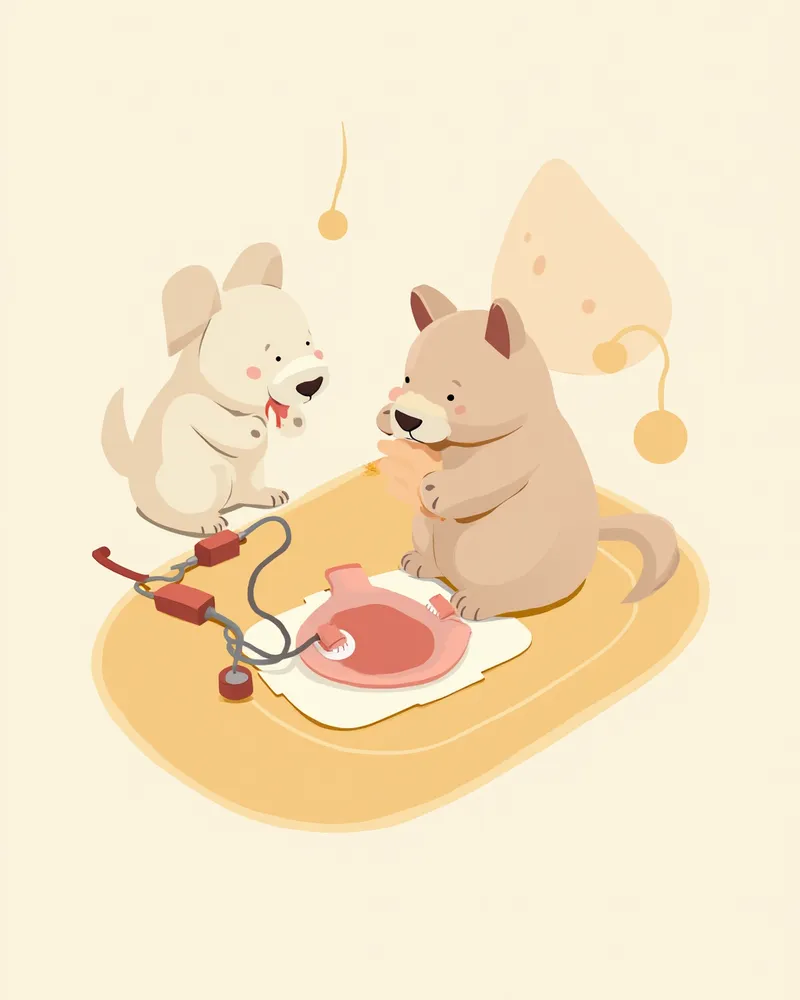
Treatment is determined by the type and size of the stones, as well as the risk of obstruction. - Dietary dissolution: This approach is used when struvite stones are suspected and there is no risk of urethral obstruction. After administering a prescription diet and antibiotics, progress is re-evaluated via X-ray. Medical dissolution may also be considered for uric acid and cystine stones. - Cystotomy: This is the primary choice if the stones are large, numerous, pose a risk of obstruction, or are non-dissolvable, such as calcium oxalate stones. According to veterinary surgery textbooks, it is the standard procedure for removing stones from the bladder. - Laser lithotripsy: This method involves using an endoscope to break up and remove small stones. It allows for faster recovery since no incision is required.
Illustration of cystotomy and laser lithotripsy concepts

Post-Surgery Home Care and Recurrence Prevention

According to veterinary case records, pink-tinged blood in the urine and frequent urination are normal responses in the first 24 to 48 hours after surgery. You should see gradual improvement each day, but if symptoms worsen for more than three days, a follow-up visit is necessary. - Increase water intake: Aim for 50–70 ml per kilogram of body weight daily to keep the urine dilute. - Maintain prescription diet for life: Do not switch from the prescribed diet to regular food on your own; the diet must be tailored to the stone analysis results. - Regularly check urine pH: Test once a week using home pH test strips. - Recheck every six months: Use X-rays and urine tests to detect early recurrence.

Recurrence Rate of 1 in 4 — Lifelong Management Is Essential

Bladder stones often recur even after removal, so lifelong management is essential. Miniature Schnauzers, Yorkshire Terriers, and Shih Tzus are genetically predisposed to calcium oxalate stones, while English Bulldogs are prone to cystine and uric acid stones. Discontinuing prescription diets, reduced water intake, and weight gain are key factors that trigger recurrence, so consistent management of exercise, weight, and diet is crucial throughout your pet’s life. The cornerstone of prevention includes feeding a stone-specific prescription diet, ensuring adequate hydration, and performing regular urinalysis.

Reviewed by a veterinarian

Dr. Tony — Punnawat Phongkittirak

Dr. Tony — Punnawat Phongkittirak

Veterinarian

A veterinarian who majored in veterinary medicine at Khon Kaen University, Thailand, and completed the IVSA program at North Carolina State University in the United States. Drawing on clinical experience at animal hospitals, he works in the pet healthcare field and is dedicated to building a digital care environment that connects pet parents with veterinarians.

Frequently Asked Questions

Can struvite stones really be dissolved with prescription diet alone?
If a female dog has struvite stones with a concurrent bacterial infection and no urethral obstruction, they often dissolve within an average of 4 to 12 weeks when treated with a prescription diet and antibiotics. However, we monitor progress with X-rays every two weeks. If the stones haven’t decreased in size after 12 weeks, we suspect a different type of stone and may recommend surgery.
How much does surgery usually cost?
Costs vary significantly depending on the clinic, as well as the size and number of stones and the duration of anesthesia. For the most accurate pricing, please consult with your veterinarian during a pre-surgical consultation, and keep in mind that your out-of-pocket expenses will depend on whether you have pet insurance. Be sure to obtain a written cost estimate before the surgery.
Once the stones are removed, will they never come back?
Unfortunately, that’s not the case. Stones can recur even after removal. To significantly reduce the risk of recurrence, it’s essential to maintain three key practices for life: feeding a prescription diet tailored to the type of stone, ensuring adequate water intake, and conducting regular urinalysis.
What should I do if my dog doesn’t drink enough water?
Switching to wet or freeze-dried food instead of dry kibble, or mixing lukewarm water into the kibble, can be effective. Many pets also enjoy drinking from automatic water fountains that provide a continuous flow of fresh water. However, if your pet is on a prescription diet for urinary stone management, please consult your veterinarian before adding any treats or broths.
If you suspect a urethral obstruction, can you perform emergency treatment at home?
There are no safe emergency measures you can take at home. Pressing on the abdomen or administering medication without veterinary guidance can lead to bladder rupture or poisoning, making the situation even more dangerous. The only correct course of action is to immediately transport your pet to a 24-hour emergency animal hospital.

Share

Related Guides

References

[1] Pope ER. Cystotomy. Clinician's Brief, 2016 (March):28-34.

[2] Lulich JP, Osborne CA. Changing paradigms in the diagnosis of urolithiasis. Veterinary Clinics of North America: Small Animal Practice, 2009;39(1):79-91.

[3] Adams LG, Berent AC, Moore GE, Bagley DH. Use of laser lithotripsy for fragmentation of uroliths in dogs: 73 cases (2005-2006). Journal of the American Veterinary Medical Association, 2008;232(11):1680-7.

[4] Applied Veterinary Clinical Nutrition, 2nd Edition — Crystal-Related Lower Urinary Tract Disease 챕터.

[5] The Veterinary Workbook of Small Animal Clinical Cases — Case 20: The Dog That Is Straining to Urinate.

This information is based on veterinary literature and does not replace diagnosis or treatment. Please consult a veterinarian for specific health concerns.

Metapet Co., Ltd. | CEO: Park Sung-yong | Business Reg. No. 417-88-02562 | Seoul, South Korea | Customer Center

Dog Bladder Stones: Diet vs Surgery Decision by Stone Type | Meongsiljang