Like
Share
멍실장
강아지 철분제중독 증상과 응급 대처법, 위험 섭취량과 예방까지 총정리

If Your Dog Ingested Iron Supplements — Toxicity Symptoms, First Aid, and Dangerous Ingestion Levels

Emergency/ToxicityDiseasesMeongsiljang Veterinary Advisory Board

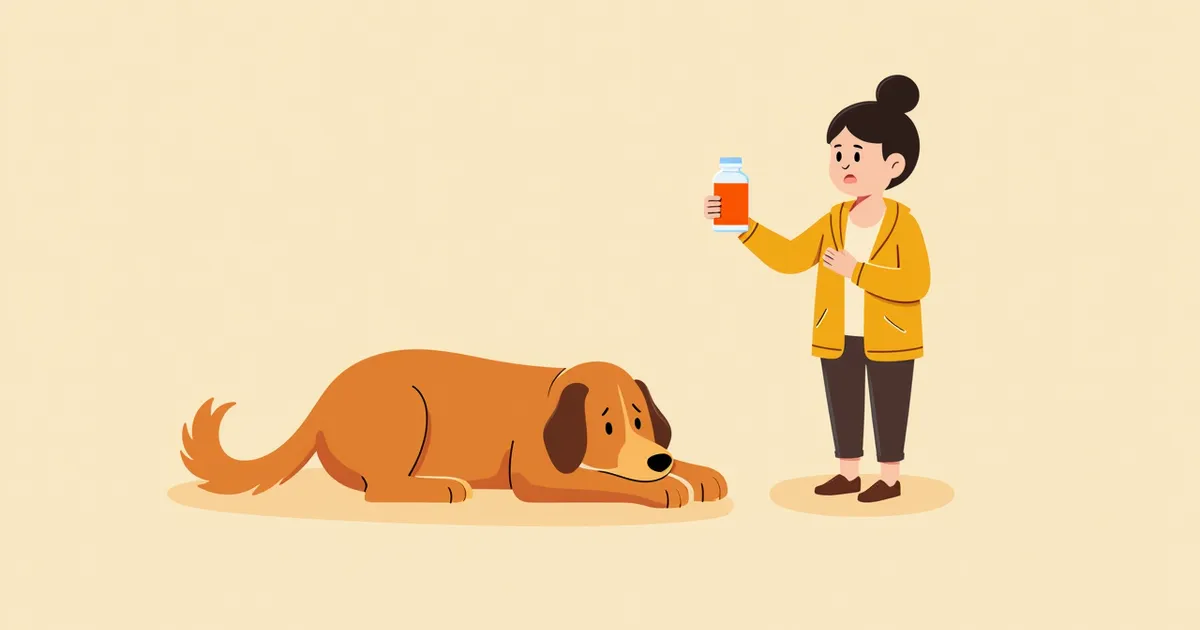
If a dog ingests too much iron supplement, it can lead to severe poisoning that progresses through four stages, from gastrointestinal damage to liver failure. Emergency treatment within six hours of ingestion is crucial for determining the outcome.

What Is Iron Supplement Toxicity in Dogs? — Progressive Organ Damage in Four Stages
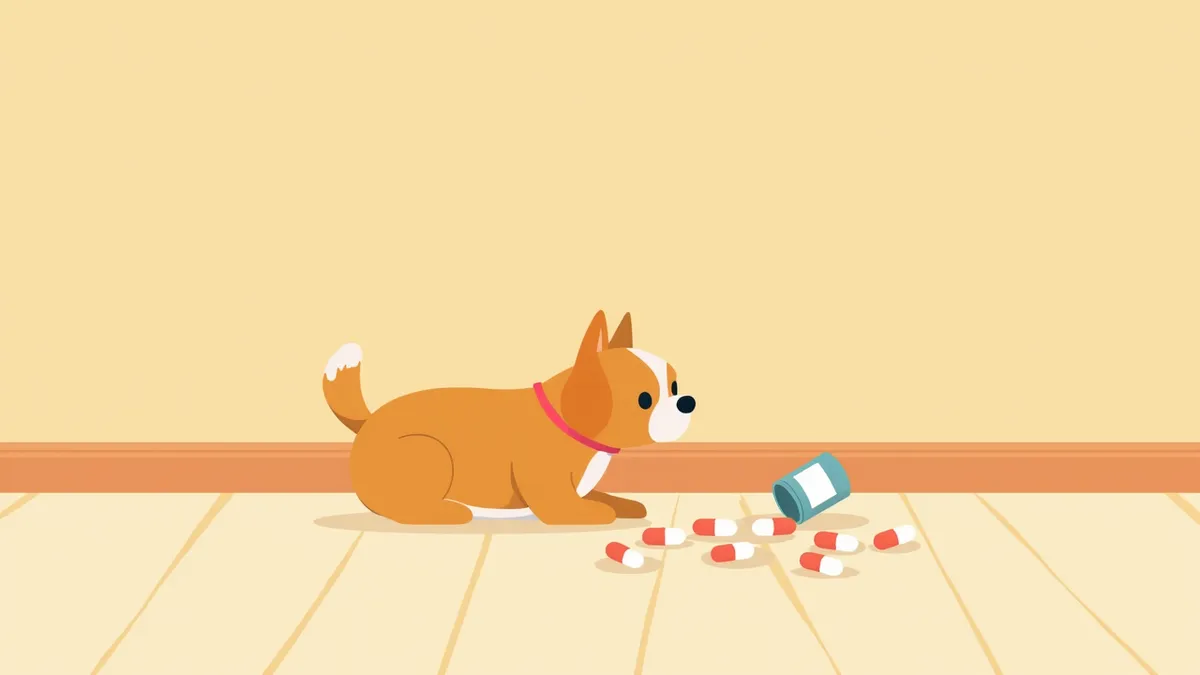
The dangers of excessive iron supplement intake in dogs
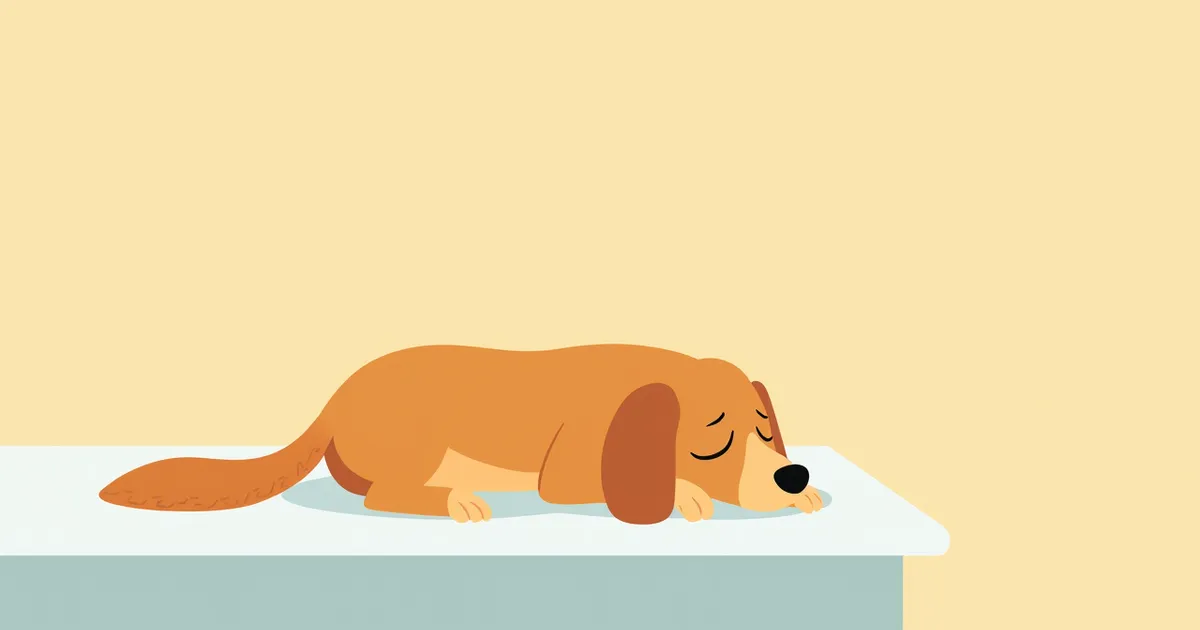
Iron poisoning in dogs is a toxic condition that causes progressive damage to the gastrointestinal tract and vital organs such as the liver and cardiovascular system when a dog ingests excessive amounts of products containing ionizable iron, such as iron supplements, multivitamins, or prenatal vitamins. Early intervention is critical. If six to eight hours pass after ingestion without any symptoms, the likelihood of severe poisoning decreases; however, during this window, the speed of treatment significantly influences the prognosis. Initially, gastrointestinal symptoms like vomiting and diarrhea may appear, followed by a "second-stage temporary recovery" period between six and twenty-four hours when symptoms seem to resolve. Although the dog may appear to be improving, this phase can rapidly progress to liver failure and shock, so it is essential not to become complacent.

Which Products Are Dangerous? — Dangerous Ingestion Levels and Main Causes

Based on elemental iron, doses of 20 mg or more per kilogram of body weight can cause signs of toxicity, while 60 mg/kg or more poses a serious risk. Human iron supplements often contain dozens to hundreds of milligrams per tablet, so even one or two tablets can exceed the toxic threshold for small dogs. Prenatal multivitamins and chewable iron candies for children are equally dangerous. Because of their appealing scent, it is common for dogs to accidentally consume an entire container.

Stage-by-Stage Symptom Checklist — Four-Stage Progression Pattern
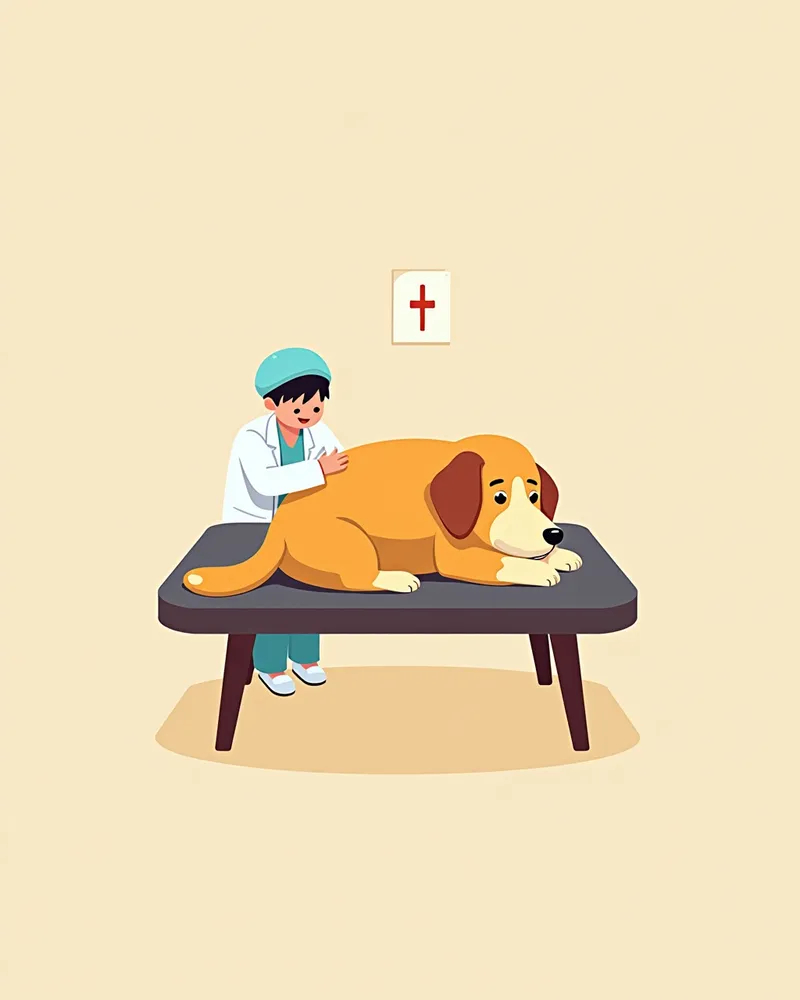
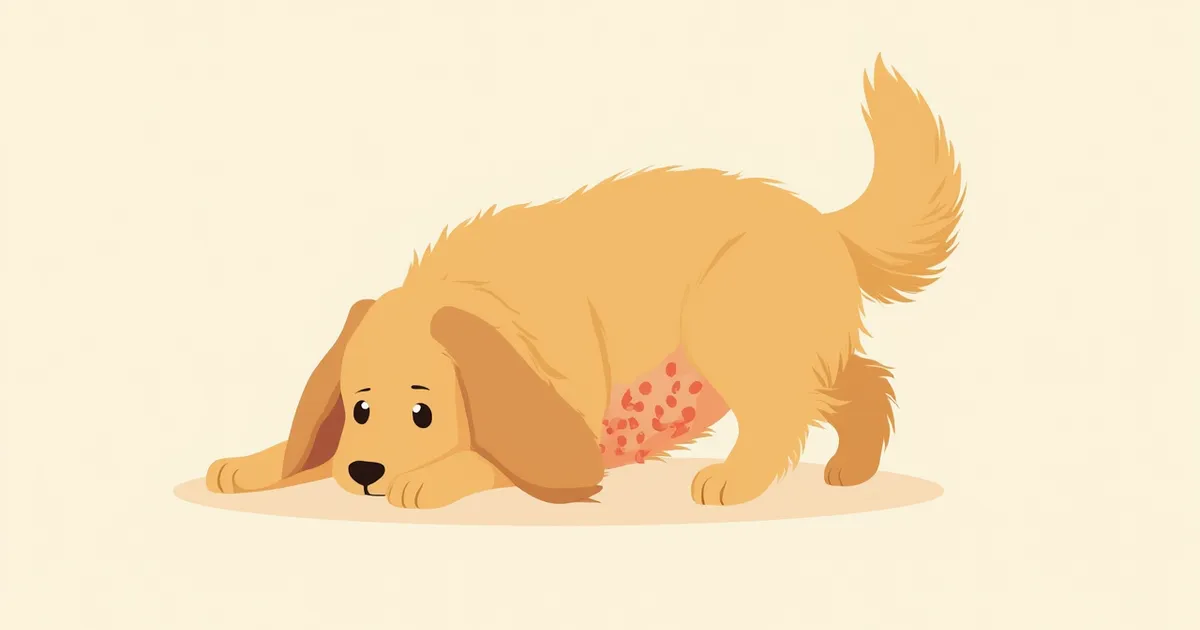
Stage 1 (0–6 hours after ingestion): Vomiting, bloody stools, severe diarrhea, lethargy, and abdominal pain may occur. Stage 2 (6–24 hours): A temporary recovery period where symptoms seem to disappear — but this is extremely dangerous. Stage 3 (12–96 hours): Vomiting, bloody stools, and abdominal pain return, progressing to liver damage, low blood pressure, metabolic acidosis, and shock. Stage 4 (Recovery phase, 2–6 weeks after ingestion): Scarring and narrowing of the gastrointestinal tract may lead to recurring loss of appetite and vomiting. Even if your pet seems fine during Stage 2, it is essential to seek veterinary care immediately.
Check for stage-by-stage symptoms of iron poisoning in dogs

If These Symptoms Are Present, Go to an Emergency Animal Hospital Immediately

If any of the following signs are present, seek immediate care at a 24-hour emergency animal hospital: • Vomiting blood or passing bloody stools • Sudden collapse or inability to stand • Pale or yellowish gums • Extreme lethargy and rapid breathing • Suspected ingestion of 60 mg/kg or more, even if no symptoms are yet apparent After a temporary recovery phase (Stage 2), the condition can rapidly progress to shock (Stage 3).

Home Emergency Response Before Going to the Hospital — Follow These Steps

Product verification: Take a photo of the label to record the ingredients and iron content.
Call the clinic first: Before traveling, call the veterinary clinic to inform them of the time and amount ingested.
Do not induce vomiting without instruction: Inducing vomiting without a veterinarian's guidance can cause additional damage to the esophagus.
Do not dilute with water or milk: This can worsen the symptoms.
Keep calm: Keep your dog lying flat during transport to prevent excitement.

Veterinary Diagnosis and Treatment — Stage-by-Stage Management
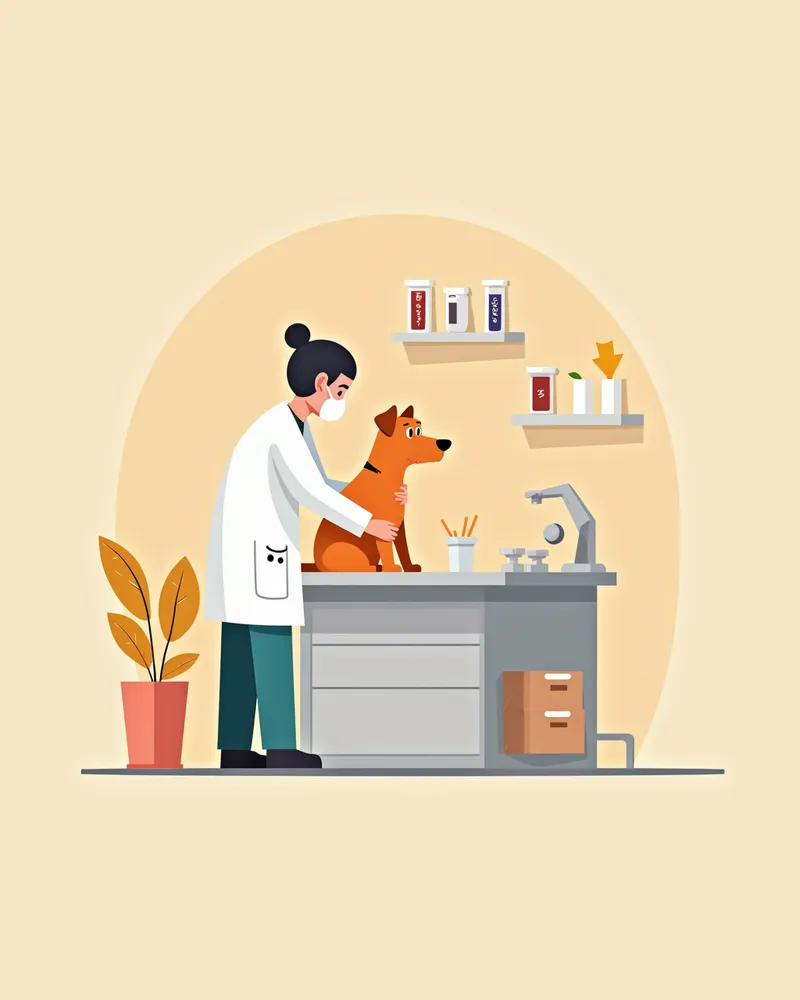
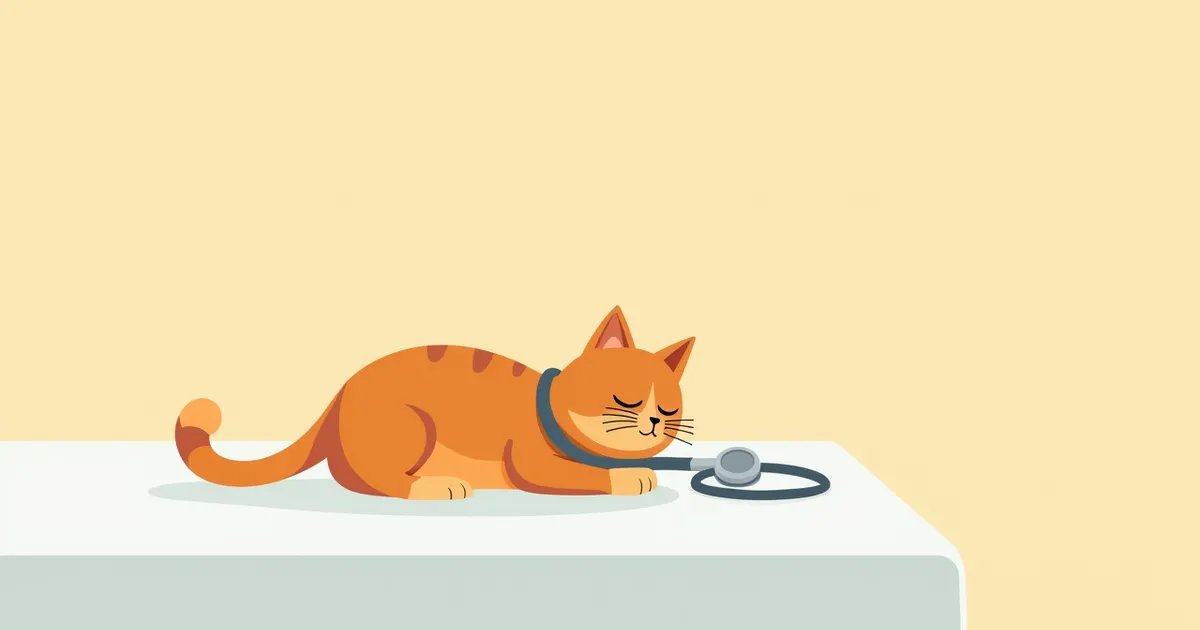
Diagnosis involves a serum iron concentration test, blood work (liver enzymes and electrolytes), and abdominal X-rays.
Decontamination (inducing vomiting): Performed by the veterinarian if the pet is asymptomatic and presents within two hours of ingestion.
Activated charcoal: Although its efficacy against iron is limited, it may be considered in cases of massive ingestion.
Fluid therapy: Intravenous fluids are administered to treat dehydration and maintain blood pressure.
Chelation therapy: The veterinarian will determine whether to administer injections that bind and eliminate iron from the body, based on the severity of the condition.
Hepatoprotective therapy: This is administered concurrently if the condition has progressed to stage 3 or beyond.
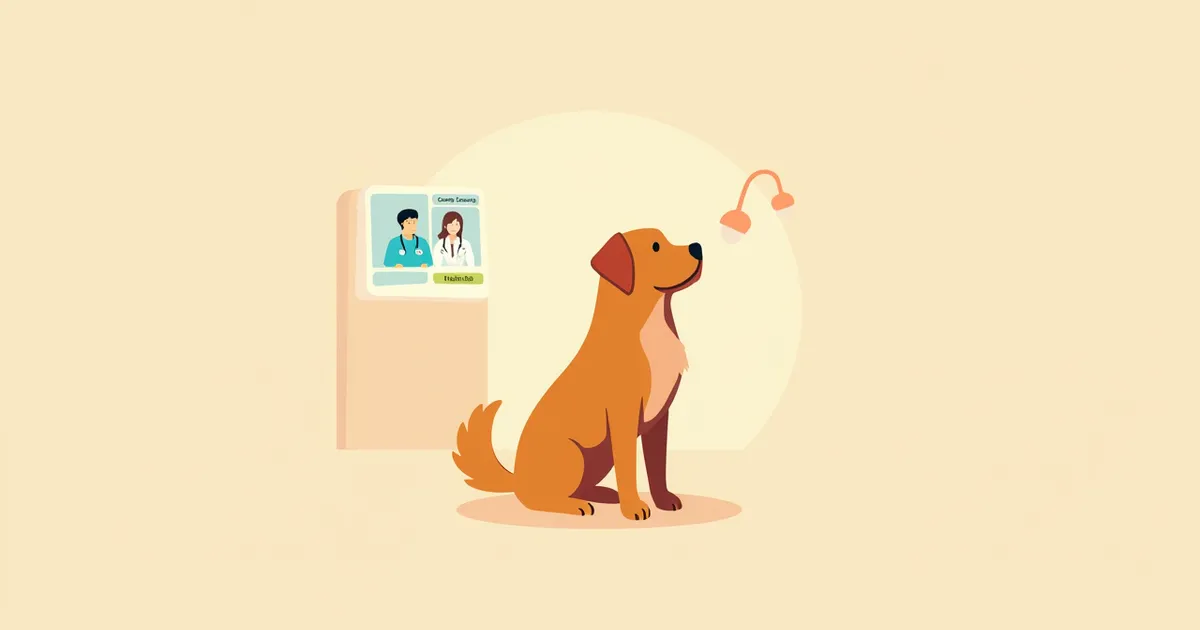
Diagnosis and treatment of iron poisoning in dogs at a veterinary clinic

Post-Discharge Home Care and Monitoring Points

Continued monitoring at home is essential after discharge. In cases with severe symptoms, you should closely track food intake and bowel movements for 6–8 weeks to check for gastrointestinal stricture.
Appetite and vomiting check: If loss of appetite or vomiting recurs, immediate re-examination is necessary.
No supplements: Do not administer any additional supplements other than those prescribed by your veterinarian.
Diet management: Do not switch to other foods or treats; stick strictly to the prescribed diet.
Keep a log: Record food intake and vomiting patterns to bring to your follow-up visit. This information helps in assessing the presence of stage 4 gastrointestinal stricture.

Small-Breed, Senior, and Puppy Dogs Require Extra Caution

Small-breed dogs are at higher risk because, even when consuming the same amount of iron as larger dogs, they ingest a greater dose per kilogram of body weight, making it easier to exceed toxic levels. Veterinary textbooks confirm that dogs of all breeds and ages can develop iron toxicity, but puppies are especially vulnerable due to their tendency to eat anything they find, which can lead to accidental ingestion of large amounts. The liver is one of the first organs damaged by iron toxicity, and recovery may take time. For these reasons, it’s safest to seek immediate veterinary care if ingestion is confirmed, even if no symptoms are present. Also be aware that gastrointestinal strictures—a late-stage complication—can develop 2 to 6 weeks after ingestion.

Preventing Iron Supplement Toxicity in Dogs — Essential Actions for Owners
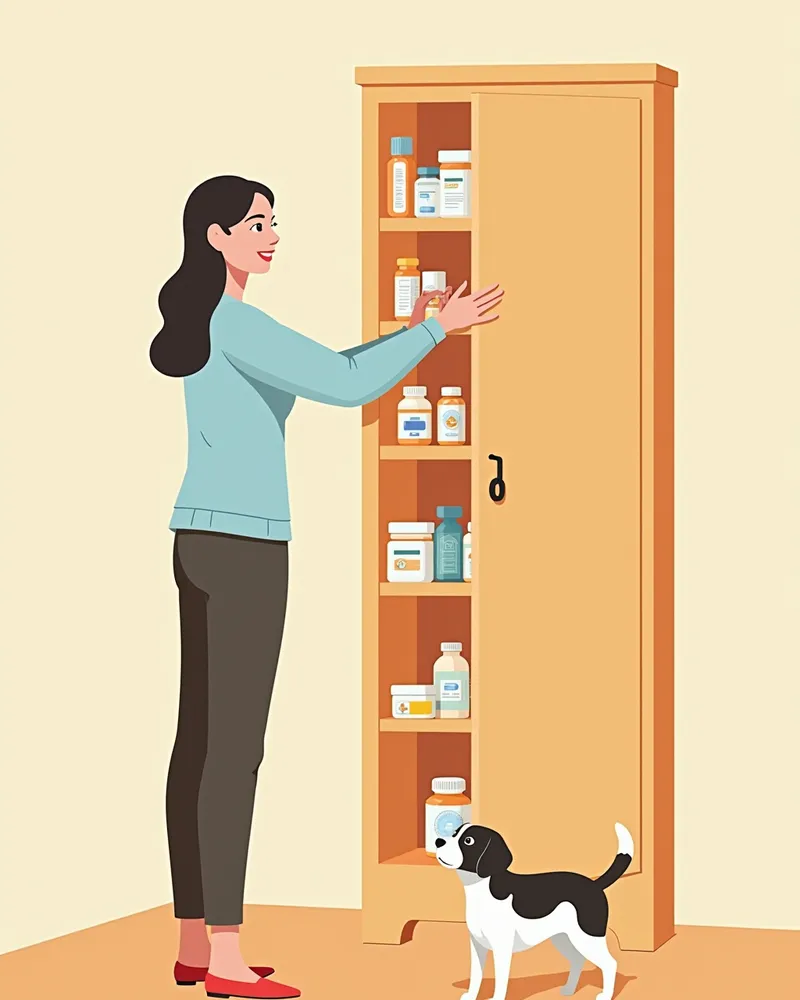
Secure storage: Keep iron supplements, prenatal multivitamins, and children’s chewable iron candies in a locked cabinet that your dog cannot open.
No leaving on tables or in bags: If someone in your household is taking iron supplements, do not leave them on tables or in bags.
Check pet-specific supplements: Always verify the iron content and appropriate dosage for any dog-specific product.
In case of an incident: Do not wait for symptoms to appear—contact your veterinarian immediately.
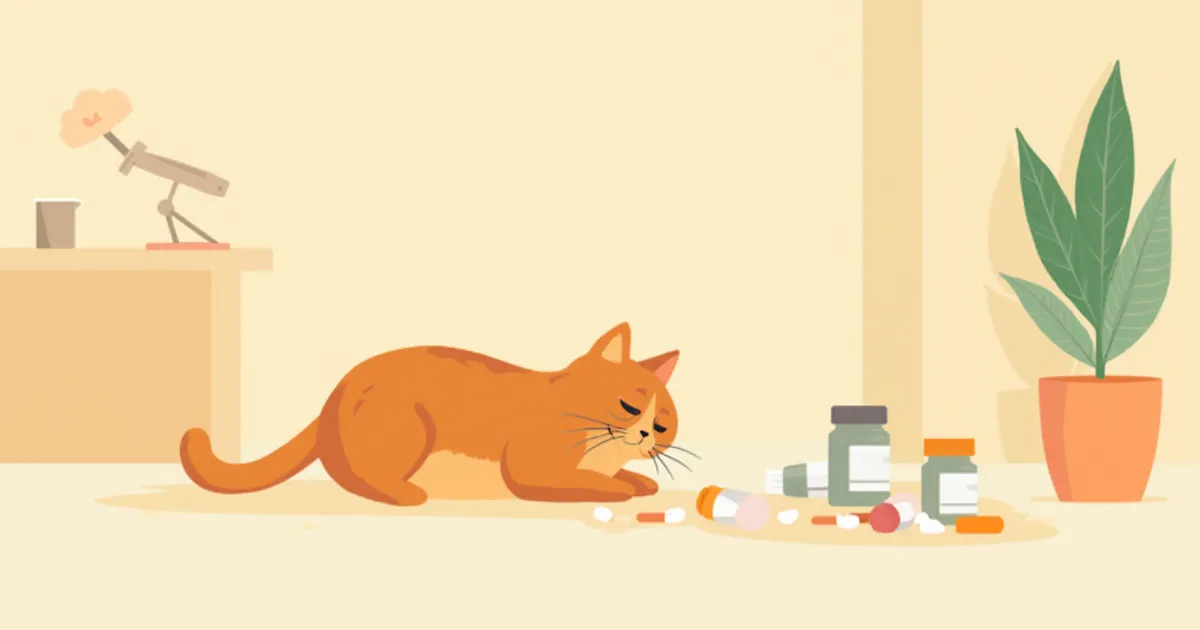
How to Store Medications to Prevent Iron Poisoning in Dogs

Reviewed by a veterinarian

Dr. Tony — Punnawat Phongkittirak

Dr. Tony — Punnawat Phongkittirak

Veterinarian

A veterinarian who majored in veterinary medicine at Khon Kaen University, Thailand, and completed the IVSA program at North Carolina State University in the United States. Drawing on clinical experience at animal hospitals, he works in the pet healthcare field and is dedicated to building a digital care environment that connects pet parents with veterinarians.

Frequently Asked Questions

My puppy took an iron supplement and didn’t vomit. Is that okay?
Don’t let the absence of vomiting give you a false sense of security. Iron supplement poisoning is characterized by a temporary disappearance of symptoms during its second stage. If you suspect your pet has ingested iron supplements, contact your veterinarian immediately, regardless of whether any symptoms are present.
Are both human iron supplements and dog-specific nutritional supplements dangerous?
Human iron supplements contain a high dose per tablet, making them especially dangerous for small dogs. Even dog-specific nutritional supplements can cause problems if they contain high levels of iron and are consumed in excess. Always check the elemental iron content listed on the product label.
Should I induce vomiting at home?
Do not attempt this without explicit veterinary guidance. If symptoms are already present or if a corrosive substance was ingested, inducing vomiting can cause further damage to the esophagus. Always call your veterinarian first and follow their instructions.
Can my pet make a full recovery after treatment?
If treated promptly during stages 1 and 2, most pets make a full recovery. However, if the condition progresses to stage 3 (liver failure or shock), the prognosis may worsen. This is why timely treatment is so critical.
Can giving activated charcoal at home help?
According to veterinary internal medicine textbooks, activated charcoal does not bind well to iron and is therefore not recommended as a standalone treatment. It may be used in conjunction with other treatments under a veterinarian’s guidance. Do not administer it on your own; always contact your veterinary clinic first.

Share

Related Guides

References

[1] Peterson ME, Talcott PA (Eds.), Small Animal Toxicology, 3rd Ed., Blackwell's Five-Minute Veterinary Consult Clinical Companion, Wiley-Blackwell, 2013

[2] Schaer M (Ed.), Clinical Medicine of the Dog and Cat, 4th Ed., CRC Press, 2022

[3] Plumb DC, Plumb's Veterinary Drug Handbook, 10th Ed., Wiley-Blackwell, 2023

This information is based on veterinary literature and does not replace diagnosis or treatment. Please consult a veterinarian for specific health concerns.

Metapet Co., Ltd. | CEO: Park Sung-yong | Business Reg. No. 417-88-02562 | Seoul, South Korea | Customer Center

Dog Ate Iron Supplements? Toxicity Signs, First Aid & Doses | Meongsiljang