
If Your Cat Keeps Losing Hair — Causes of Excessive Grooming and Signs to See a Vet
We’ve compiled a guide on excessive grooming in cats—when they lick or bite their fur so much that it causes hair loss and skin damage—covering the causes, diagnosis, treatment, and key care tips you can do at home.
What Is Excessive Grooming in Cats?
Main Causes of Excessive Grooming
Key Symptom Checklist

When to Seek Immediate Veterinary Care
If your pet has severe skin wounds, oozing, or crusting, spends most of the day grooming to the point of barely eating or playing, or shows significant swelling or warmth around the area being licked, seek veterinary care immediately. These signs may indicate a secondary bacterial infection or severe stress.
How Is It Diagnosed?
Treatment Methods
Home Care Tips
Breed-Specific Precautions & Preventing Recurrence
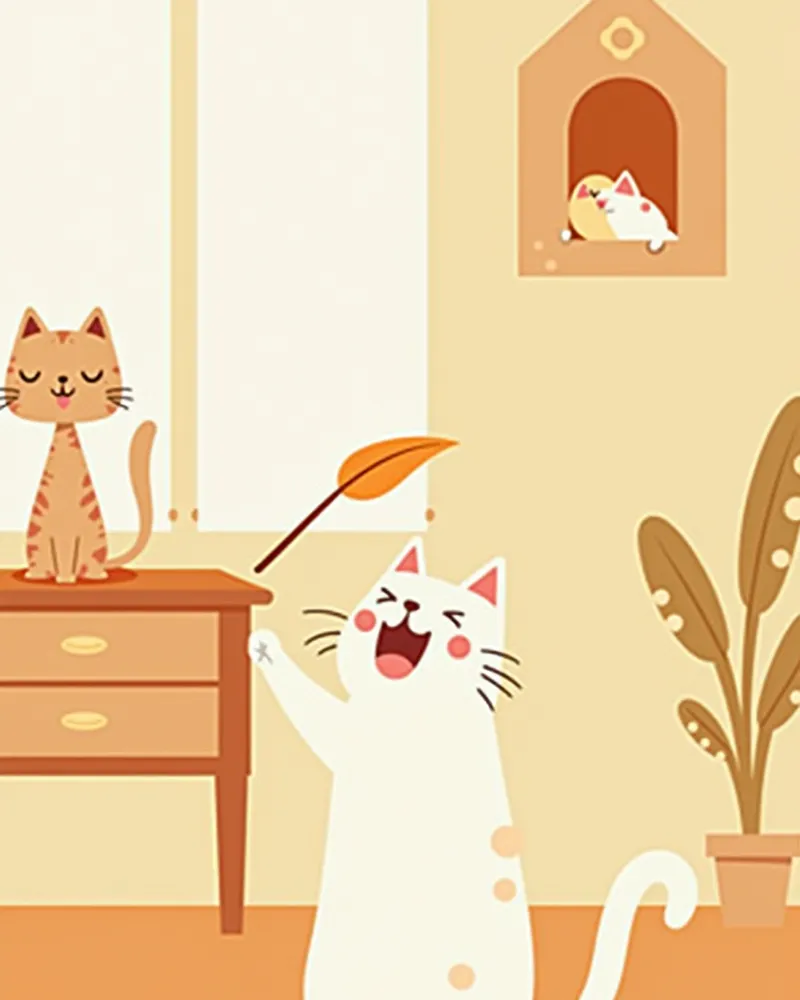
Oriental breeds such as Siamese, Abyssinian, and Burmese cats are more prone to psychogenic alopecia. If you own one of these breeds, it’s important to minimize changes in their living environment and maintain regular play and interaction. Even after treatment, the condition can recur if stressors reappear. We recommend regular check-ups every 6 to 12 months.
Reviewed by a veterinarian

Dr. Tony — Punnawat Phongkittirak
VeterinarianA veterinarian who majored in veterinary medicine at Khon Kaen University, Thailand, and completed the IVSA program at North Carolina State University in the United States. Drawing on clinical experience at animal hospitals, he works in the pet healthcare field and is dedicated to building a digital care environment that connects pet parents with veterinarians.
Reviewed 2026-06-01
Frequently Asked Questions
How much grooming is considered excessive for a cat?
If stress is the cause, can it heal without medication?
How can you tell whether it’s due to allergies or stress?
Should I keep the Elizabethan collar on continuously?
My new cat has started overgrooming since being adopted. What should I do?
Share
Related Guides

7 Behavioral Enrichment Strategies for Mental Stimulation Recommended by Veterinarians
Top 5 Recommended Cognitive Supplements for Cats in 2026
Top 5 Calming Supplements for Dogs and Cats in 2026
Why Is My Dog So Lethargic? — Causes and Treatment Points for CKD Anemia (EPO Deficiency)
ACE Inhibitors and ARBs for Dog Kidney Protection — Effects, Side Effects, and When to Use Them
Feline Renal Prescription Diets: Complete Guide to Selection Criteria, Ingredients, and Feeding Points
If Your Cat’s Kidneys Keep Worsening — Causes of Amyloidosis and When to Visit the Vet
If Your Cat’s Kidney Failure Has Progressed — Timing for Starting Peritoneal Dialysis and Management Points
If Your Cat Has Proteinuria — Causes of Glomerulonephritis and Timing of Treatment
If Your Cat’s CKD Has Progressed — Key Palliative Care and Management to Preserve Quality of Life
References
[1] Beaver BV. Feline Behavior: A Guide for Veterinarians, 2nd ed. Chapter 7: Dermatologic Manifestations of Behavioral Disorders. Saunders, 2003.
[2] Overall KL. Manual of Clinical Behavioral Medicine for Dogs and Cats. Chapter 12: Feline Compulsive Disorders. Mosby, 2013.
[3] Noli C, Foster A, Rosenkrantz W. Veterinary Allergy. Chapter 18: Pruritic Skin Diseases in the Cat. Wiley-Blackwell, 2014.
[4] A Professional's Guide to Feline Behaviour: Understanding, Improving and Resolving Problems. CABI, 2024.