
Like
Share
멍실장
고양이 계절별 기생충 예방 전략 증상과 원인, 진단·치료와 관리 포인트 총정리

Cat Seasonal Parasite Prevention Strategy: Symptoms, Causes, Diagnosis, Treatment, and Care Points Summary

Infection/ParasitesDiseasesMeongsiljang Veterinary Advisory Board

Seasonal parasite prevention for cats is essential, as the risk of major parasites increases from spring through autumn. Understanding the symptoms and causes, and maintaining your cat’s health through proper diagnosis, treatment, and care, is key.

Cat seasonal parasite prevention strategy is an important health management task that varies by season and environment.

A veterinarian examining a cat.
Seasonal parasite prevention for cats is essential, as parasite activity increases from spring through autumn, making consistent care by pet owners crucial. - Fleas: Fleas are most active from spring to autumn. They breed in your cat’s fur, causing itching and dermatitis, and can trigger flea allergy dermatitis. - Ticks: Ticks pose a risk to cats that move between indoors and outdoors. Some external parasites are zoonotic, meaning they can be transmitted to humans. - Demodex mites: These mites typically proliferate on the skin when a cat’s immune system is compromised, leading to patchy hair loss, dandruff, and crusting. - Internal parasites: Intestinal parasites such as roundworms and hookworms are usually identified by detecting eggs in fecal tests, while certain blood parasites that infect red blood cells are confirmed through blood tests. Effective prevention relies on using seasonally appropriate medications and maintaining a clean environment.

The main causes of parasite occurrence are seasonal changes in temperature and humidity.
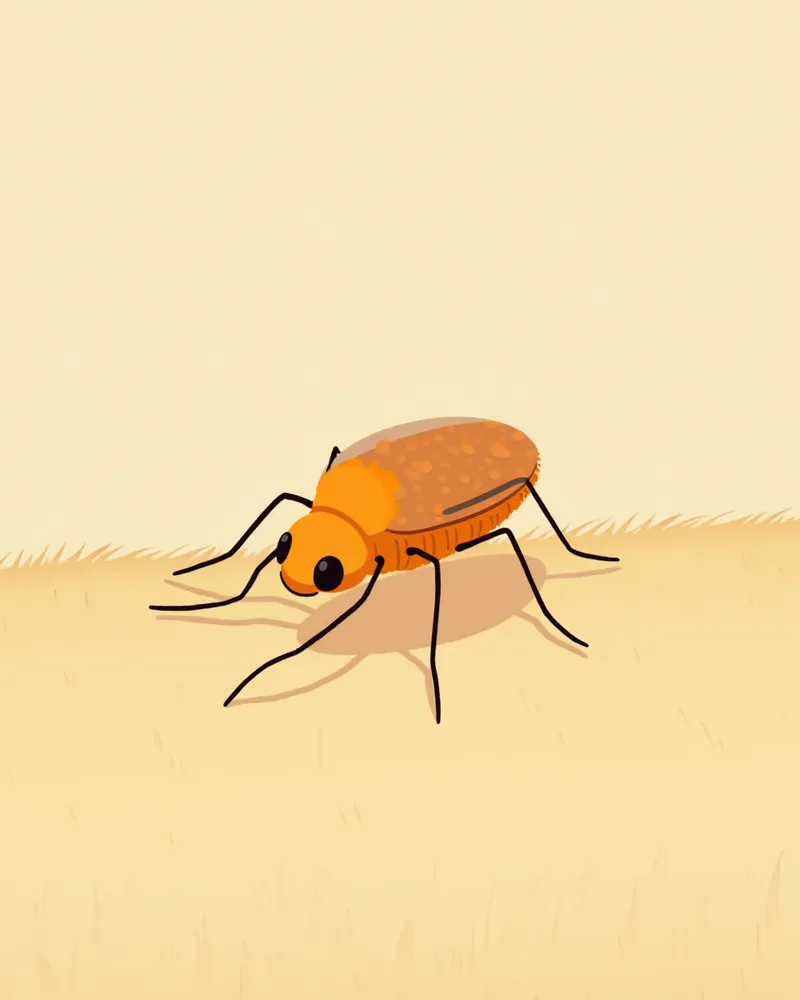
Understanding the survival conditions of parasites is key to a seasonal prevention strategy for cats. Fleas and ticks become more active as temperature and humidity rise, breeding vigorously from spring through autumn. Demodex mites can proliferate within the skin when the immune system is compromised, increasing the risk of infection. Cats that move between indoors and outdoors can bring parasites inside from the outside environment. Additionally, contact with other animals or exposure to contaminated bedding and toys poses a high risk of infection. It is essential to clean the environment regularly according to seasonal changes and administer preventive medications on schedule. Understanding the parasite life cycle enables early prevention.
A close-up view of fleas clinging to a cat’s fur

Main symptoms appear as skin reactions and behavioral changes.

When implementing seasonal parasite prevention strategies for cats, pay close attention to the following symptoms:
Itching: The cat repeatedly licks its paws or shakes its hind legs, indicating discomfort from itching.
Hair loss: Fur falls out in specific areas, or thick clumps of hair come out, exposing the skin.
Skin rash: Red spots, flaking, and scabs appear, accompanied by inflammatory responses.
Behavioral changes: The cat becomes anxious or exhibits increased scratching and licking behaviors.
These symptoms occur due to irritation or allergic reactions caused by parasites.
A cat scratching its hind legs

Symptoms requiring immediate veterinary visit

If your cat is experiencing severe itching, skin peeling, or bleeding, it’s important to visit the vet right away. Severe parasitic infections can lead to secondary bacterial infections or allergic reactions. In particular, if the condition starts affecting your cat’s eating habits or sleep, it could become an emergency situation.

Diagnosis is performed through skin tests and blood tests.

Diagnosing seasonal parasite prevention strategies for cats requires an accurate assessment by a veterinarian. - Skin scraping test: Directly identifies parasites from areas showing itching or flaking. - Blood test: Determines whether there is an internal parasite infection, such as flea-borne diseases or leishmaniasis. - Follicle examination: Collects and analyzes hair follicles to check for mite infections. - Molecular diagnosis: Precisely detects the presence of microscopic parasites through DNA analysis. - Evaluation alongside clinical symptoms: Diagnosis is made by comprehensively considering not only symptoms but also the living environment and exposure history. An accurate diagnosis is the first step toward effective treatment.
A veterinarian examining a skin scraping under a microscope.

Comparison of parasite preventives by type

ItemMethod of UseDuration of EffectRecommended Timing
Topical productApply to the skin1 monthSpring to fall
Oral productAdminister the medication1 monthYear-round
Collar typeWear the collar3 monthsSpring to fall

Topical products act directly on the skin for immediate effect, but their efficacy may decrease when exposed to water. Oral products are effective simply by administration and are suitable for indoor cats.

Treatment is tailored according to the type of parasite.

The treatment for seasonal parasite prevention in cats varies depending on the type of parasite.
Fleas and ticks: Use topical medications or oral antiparasitics as prescribed by a veterinarian. Drugs such as fluralaner, afoxolaner, sarolaner, and lotilaner often show effectiveness with a single administration.
Demodex mites: Topical 2% lime sulfur (calcium polysulfide) or avermectin-class drugs are the most effective and commonly used, and they must be applied consistently for at least six weeks.
Internal parasites: Intestinal parasites such as roundworms and hookworms are treated with anthelmintics, while tapeworms are treated with drugs such as praziquantel or epsiprantel.
During treatment, environmental cleaning is also essential. Animals that have come into contact with contagious parasites must be treated as well. Extra caution is needed because asymptomatic carriers may be present. Since fleas lay eggs in the environment, thorough cleaning must accompany treatment to achieve complete elimination.
A cat being treated with a topical parasite repellent.

Home care focuses on environmental cleaning and regular use of preventives.
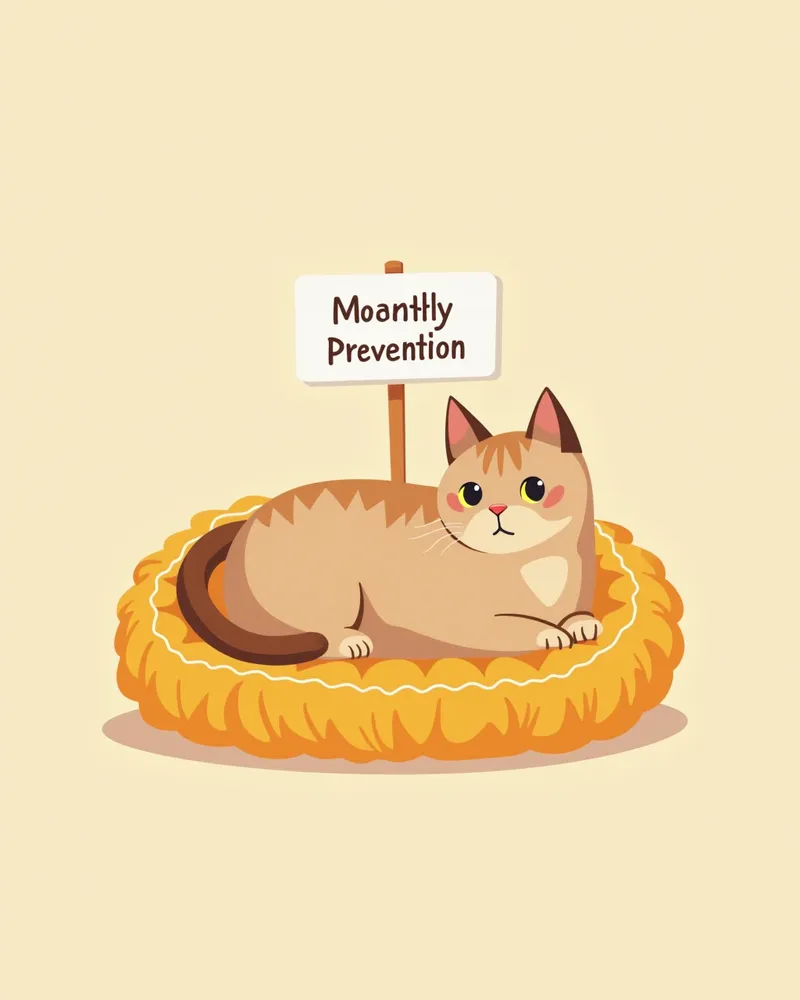
Here’s how you can manage seasonal parasite prevention for your cat at home:
Regular Cleaning: Wash or disinfect bedding, toys, and cushions at least once a week.
Install Mosquito Nets: Place mosquito nets on windows or balconies to prevent external parasites from entering.
Use Preventatives: Administer topical or oral parasite preventatives monthly from spring through autumn.
Post-Outing Checks: Carefully inspect your cat’s fur after any outdoor exposure.
Consistently following these practices will significantly reduce the risk of parasite infection.
A clean cat bed for regular parasite prevention

Breed-specific precautions and prevention of reinfection

Cats that go outdoors frequently or have regular contact with other animals are at a higher risk of reinfection. Certain parasites, such as mites, are contagious and can be transmitted again by asymptomatic carriers living in the same household. Therefore, consistent use of preventive medications, environmental management, and concurrent testing and treatment of all exposed animals are essential.

Reviewed by a veterinarian

Dr. Tony — Punnawat Phongkittirak

Dr. Tony — Punnawat Phongkittirak

Veterinarian

A veterinarian who majored in veterinary medicine at Khon Kaen University, Thailand, and completed the IVSA program at North Carolina State University in the United States. Drawing on clinical experience at animal hospitals, he works in the pet healthcare field and is dedicated to building a digital care environment that connects pet parents with veterinarians.

Frequently Asked Questions

When should I start using parasite preventatives for my cat?
Parasite activity increases from spring through fall, so it’s a good idea to start preventive treatment in the spring. However, even indoor cats can bring parasites inside from the outdoors, so year-round prevention is recommended. In warm and humid environments, the risk of infection exists regardless of the season, making consistent care essential.
Can parasites still develop even when using preventive medications?
Preventatives significantly reduce the risk of infection, but they don’t provide complete protection. For best results, combine their use with regular check-ups and thorough environmental cleaning. Monthly application is the most effective approach. Infections from mites or ticks can be particularly tricky, as early symptoms are often subtle and difficult to detect.
Could my cat have brought in parasites?
Yes, if your cat goes outside or comes into contact with other animals, it can bring parasites home. Fleas and ticks, in particular, reproduce rapidly, so it’s important to thoroughly check your cat’s coat after any outdoor exposure. Additionally, since other cats may be infected without showing symptoms, it’s a good idea to have all animals living in the same household examined.
Are parasite preventatives dangerous to humans?
When used at the correct dosage and in the proper manner, it is generally safe for humans. However, improper use of preventive medications can cause adverse reactions in cats, so it’s important to follow your veterinarian’s instructions. If your cat shows signs of anemia or an allergic reaction, seek veterinary care immediately.
Can I stop giving my pet parasite preventatives?
Even when the seasons change, stopping preventive treatments is risky. Parasites can remain active indoors depending on temperature and humidity, so the risk of infection exists year-round. Indoor cats can also bring in fleas or ticks from outside, making year-round prevention the safest approach.

Share

Related Guides

References

[1] BSAVA Manual of Canine and Feline Dermatology, 4th Ed. BSAVA Publications, 2023.

[2] Principles and Practices of Canine and Feline Clinical Parasitic Diseases. Wiley-Blackwell, 2021.

[3] Shoorijeh, S.J. et al. Seasonal frequency of ectoparasite infestation in cats from Shiraz, Southern Iran. Turkish Journal of Veterinary and Animal Sciences, 2008.

This information is based on veterinary literature and does not replace diagnosis or treatment. Please consult a veterinarian for specific health concerns.

Metapet Co., Ltd. | CEO: Park Sung-yong | Business Reg. No. 417-88-02562 | Seoul, South Korea | Customer Center

Cat Seasonal Parasite Prevention: Symptoms & Care | Meongsiljang