

Emergency Response for Lily Poisoning in Cats
Our veterinary advisory team has compiled comprehensive information on lily poisoning in cats, including its causes, time-specific symptoms, treatment procedures at veterinary clinics, and emergency home care measures.
What is Lily Poisoning in Cats?

Which Lilies are Dangerous?
Checklist of Main Symptoms of Lily Poisoning

Go to the Emergency Clinic Immediately in These Situations
If you find that your cat has chewed on a lily or has pollen on its fur, take it to an emergency veterinary clinic immediately, even if no symptoms are present. According to veterinary textbooks, delaying treatment for more than 18 hours after ingestion significantly increases the risk of acute kidney failure, and kidney function values can begin to rise as early as 12 hours post-exposure. If your cat stops urinating or experiences seizures, kidney failure has already progressed considerably. Receiving emergency care even one minute sooner can be the deciding factor in survival.
Diagnostic Process at the Veterinary Clinic
Treatment Methods
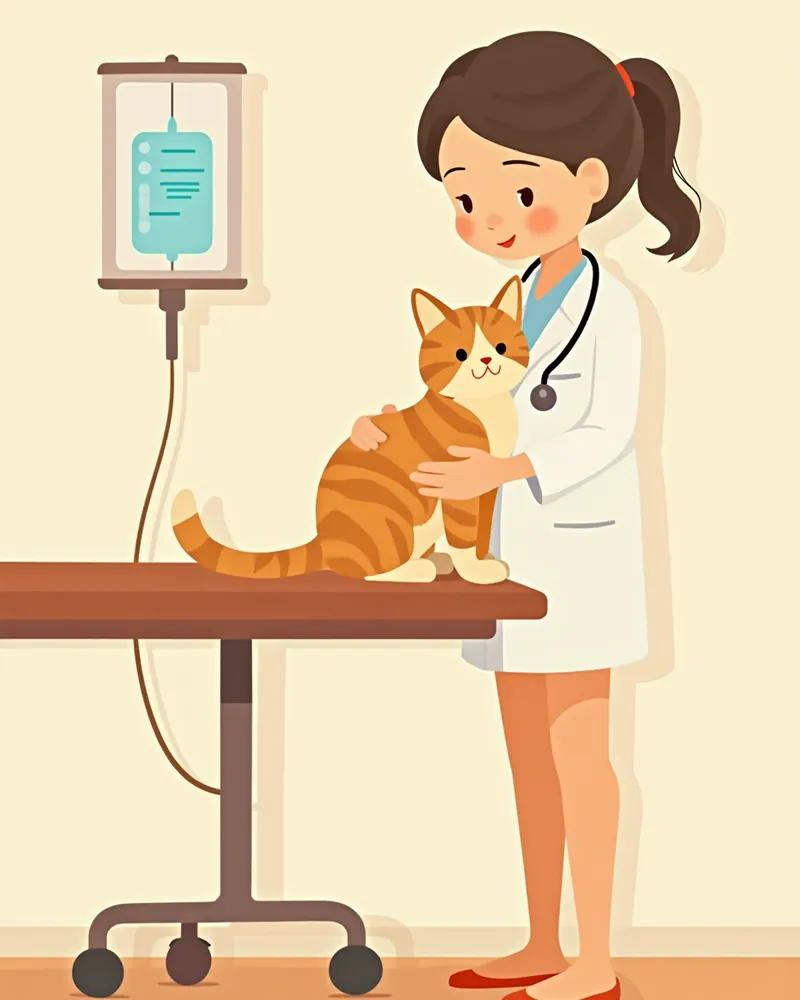
Home Emergency Measures Before Going to the Vet

Prevention is the Best Course for Lily Poisoning
Prevention is far more important than treatment for lily poisoning. If you have a cat, never bring lilies or other plants into your home. Even if you receive a bouquet as a gift, always check to ensure it doesn’t contain lilies. Keep cats away from gardens where daylilies are planted. Besides lilies, there are many other plants known to be toxic to cats, so always verify the safety of any new plant with a veterinarian or a specialized organization before bringing it home.
Reviewed by a veterinarian

Dr. Tony — Punnawat Phongkittirak
VeterinarianA veterinarian who majored in veterinary medicine at Khon Kaen University, Thailand, and completed the IVSA program at North Carolina State University in the United States. Drawing on clinical experience at animal hospitals, he works in the pet healthcare field and is dedicated to building a digital care environment that connects pet parents with veterinarians.
Reviewed 2026-04-18
Frequently Asked Questions
Can lily pollen alone cause poisoning?
What is the survival rate after lily poisoning?
Can dogs be poisoned by lilies?
Are there any flowers that are safe for cats as an alternative to lilies?
Is it dangerous if my pet drinks just the water from a flower vase?
Share
Related Guides

Top 7 Short-Legged Dog Breeds

Primary vs. Secondary Veterinary Hospitals: A Comparison

5 Easy-to-Raise Cat Breeds for First-Time Owners — Grooming Difficulty Comparison

Before Starting Chemotherapy for Your Dog: Chemotherapy Protocols and Side Effect Management
Canine Lymphoma: Don't Wait — From CHOP Chemotherapy Symptoms to Treatment and Prognosis

My Dog Won’t Eat During Cancer Treatment — Key Points for Nutritional Management of Cancer Patients

Dog’s Abdominal Distension — Warning Signs of Intra-abdominal Tumors and Differential Diagnosis Points
Feline Tumor Prognosis and Survival Time: Symptoms, Causes, Diagnosis, Treatment, and Care Points Summary

If You're Concerned About Your Cat's Cancer Treatment — A Summary of the Effects and Limitations of Tumor Immunotherapy
Feline Tumor CT and MRI Staging: Symptoms, Causes, Diagnosis, Treatment, and Care Points
References
[1] Langston CE. Acute renal failure caused by lily ingestion in six cats. Journal of the American Veterinary Medical Association, 2002;220(1):49-52
[2] Fitzgerald KT. Lily Toxicity in the Cat. Topics in Companion Animal Medicine, 2010;25(4):213-217
[3] Peterson ME, Talcott PA. Small Animal Toxicology, 3rd Edition. Elsevier, 2013. Chapter: Lilies.
[4] Plumb DC. Plumb's Veterinary Drug Handbook, 10th Edition. Wiley-Blackwell, 2018.
[5] Drobatz KJ, Hopper K, Rozanski EA, Silverstein DC. Textbook of Small Animal Emergency Medicine. Wiley-Blackwell, 2019. Chapter 149: Lily Toxicosis.
[6] Norsworthy GD et al. Feline Emergency and Critical Care Medicine, 2nd Edition. Wiley-Blackwell, 2023. Chapter 38: Toxicological Emergencies.