Like
Share
멍실장
강아지 노령견 건강검진 항목 증상과 원인, 진단·치료와 관리 포인트 총정리

Senior Dog Health Checkups: Symptoms, Causes, Diagnosis, Treatment, and Care Tips

Lifestyle & Age CareDiseasesMeongsiljang Veterinary Advisory Board

Health checkups for senior dogs are essential for early detection of chronic diseases and improving their quality of life. Regular checkups allow you to identify potential risks in advance.

Senior Dog Health Checkup Items Are Key to Early Detection of Chronic Diseases
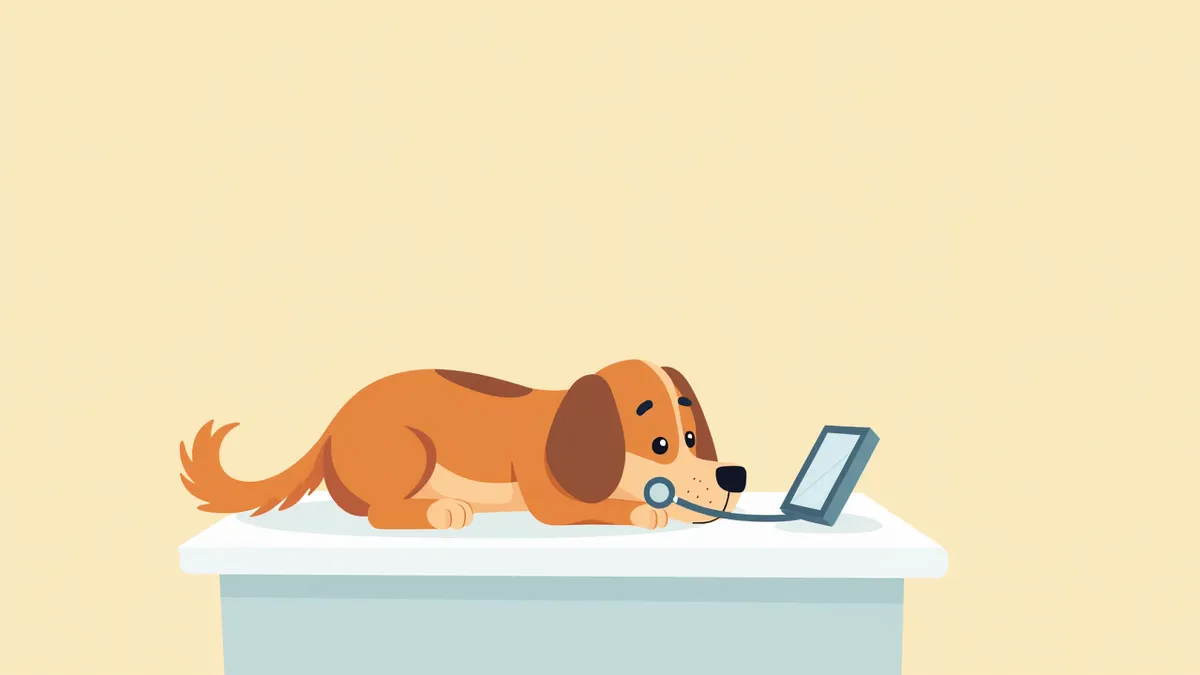
A senior dog undergoing a health checkup with a veterinarian.
For senior dogs aged seven and older, regular health screenings are essential for the early detection of chronic diseases. This proactive approach not only improves treatment timing and outcomes but also plays a crucial role in maintaining your pet’s quality of life. As dogs age, they are increasingly prone to multimorbidity—having multiple conditions simultaneously—where different diseases and their respective treatments can interact. Therefore, early detection and management are vital. - Blood tests: These basic tests assess overall systemic health, including liver and kidney function. If any abnormalities are detected, further diagnostic steps may be necessary. - Urinalysis: This helps identify the presence of protein, glucose, or inflammation, aiding in the early detection of kidney disease. - Blood pressure measurement: This provides valuable insights into your senior dog’s overall health and helps monitor the strain on vital organs. - Imaging studies (X-rays, ultrasound): These allow for visual confirmation of any structural abnormalities in internal organs. Your veterinarian will tailor the specific tests to your dog’s individual health needs.

The Main Reason for Senior Dog Health Checkups Is Monitoring the Progression of Chronic Diseases

Health check-ups for senior dogs are essential for monitoring age-related physiological changes and tracking the progression of chronic diseases. Conditions such as kidney dysfunction, liver abnormalities, heart disease, and diabetes often present with subtle early symptoms that are easily overlooked. In the case of cancer, unexplained weight loss, recurrent diarrhea, and abdominal distension may serve as early warning signs. - Kidney dysfunction: A common issue in senior dogs, characterized by increased urination and decreased appetite. - Diabetes: Decreased insulin secretion leads to weight loss and frequent urination as primary symptoms. - Heart disease: Symptoms include difficulty breathing, fatigue, and coughing, making early detection crucial for effective treatment. Regular check-ups enable the early identification and management of these conditions. It is advisable to work with your veterinarian to develop a tailored screening plan.
A veterinarian reviewing the test results of a senior dog.

6 Key Symptoms to Watch for in Senior Dog Health Checkups

When conducting health screenings for senior dogs, pay close attention to these key symptoms:
Decreased appetite: Sudden refusal to eat or consuming only small amounts.
Weight loss: Rapid weight reduction due to poor appetite or metabolic abnormalities.
Polyuria and pollakiuria: Increased urine volume or more frequent urination.
Increased fatigue: Sleeping throughout the day or showing significantly reduced activity.
Recurrent vomiting and diarrhea: Digestive issues stemming from declining gastrointestinal function.
Difficulty breathing: Shortness of breath or frequent coughing.
Additionally, sudden weight loss, unexplained abdominal distension, persistent diarrhea, frequent urination or defecation, and neurological abnormalities (such as unusual behavior or disorientation) may signal early-stage disease. Please consult your veterinarian promptly if you notice any of these signs.
An elderly dog appearing fatigued

Emergency Symptoms Requiring Immediate Veterinary Care

If your senior dog suddenly experiences severe vomiting, bloody stools, difficulty breathing, or decreased consciousness, seek immediate veterinary care. These symptoms may indicate a serious medical condition, so prompt evaluation is essential.

Senior Dog Health Checkup Diagnostic Methods Include Various Tests
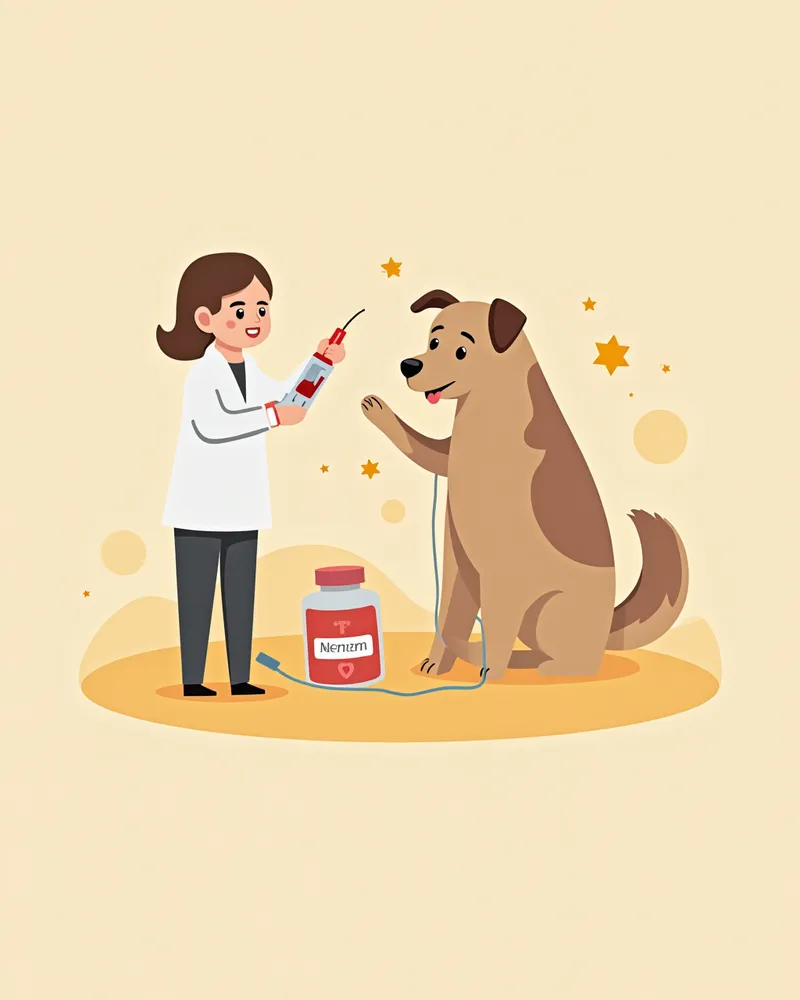
Senior dog health checkups use a variety of tests to provide a comprehensive assessment of overall health. - Blood tests: Analyze enzymes, electrolytes, and hemoglobin levels in the blood to evaluate liver and kidney function and check for anemia. - Urinalysis: Detects the presence of protein, glucose, and white blood cells, which is essential for identifying kidney disease and infections. - Blood pressure measurement: Helps assess overall health and organ status in senior dogs. - X-rays and ultrasound: Allow for visual confirmation of structural abnormalities in the lungs, heart, and abdominal organs. In particular, chest radiographs of senior dogs may show calcification of the bronchial circulation, increased lung opacity due to interstitial lung changes, calcification of the costochondral junctions, and degenerative changes at the sternocostal junctions. These age-related changes can be mistaken for lung disease, so careful interpretation is required. Veterinarians flexibly adjust test items based on the patient’s condition and medical history, as early detection aids in treatment.
A veterinarian preparing a blood test for a senior dog

Treatment Methods After Senior Dog Health Checkups Vary by Condition

If a health checkup for a senior dog reveals any conditions, a tailored treatment plan will be developed. - Kidney function decline: The goal is to maintain proper nutrition and electrolyte balance with specialized food and reduce kidney strain by ensuring adequate hydration. - Diabetes: Blood sugar levels are managed stably through a combination of insulin therapy and dietary control. - Heart disease: Symptoms are alleviated by supporting heart function and adjusting activity levels. - Endocrine and hormonal disorders: Hormonal abnormalities are managed and monitored through medication and regular follow-up tests. The veterinarian will consider the patient's overall condition comprehensively to propose personalized treatment.
A veterinarian developing a treatment plan for a senior dog.

5 Home Care Tips

Here are some key home care tips to help maintain your senior dog’s health:
Dietary Management: Use veterinarian-recommended prescription diets to ensure proper nutritional balance. Proper nutrition is essential for preventing and slowing the progression of chronic diseases.
Regular Exercise: Aim for short walks of 10–15 minutes daily to help maintain muscle mass and joint health. Be sure to adjust the intensity so the exercise doesn’t place excessive strain on your dog.
Hydration: Always provide fresh, clean water and encourage regular drinking. Inadequate water intake can put unnecessary stress on the kidneys.
Stable Environment: Provide a calm, quiet space with minimal changes or disturbances. Stress can worsen chronic conditions, so a stable environment is important.
Regular Check-ups: Schedule veterinary check-ups approximately every six months, or as recommended by your vet based on your dog’s health status. Regular exams are crucial for early disease detection. These care practices can significantly improve your senior dog’s quality of life.
An elderly dog drinking water

Certain Breeds Require Extra Attention in Senior Dog Health Checkups

Certain breeds may be more susceptible to specific conditions as they age. For example, deep-chested large and giant breeds are at higher risk for gastric dilatation-volvulus (GDV), and the likelihood of developing heart, bone and joint, or skin conditions can vary by breed. However, these predispositions are not universal across all breeds, and it’s important to consider that medical history and environmental factors also play a role. Consulting with your veterinarian to create a personalized screening plan is essential.

Reviewed by a veterinarian

Dr. Tony — Punnawat Phongkittirak

Dr. Tony — Punnawat Phongkittirak

Veterinarian

A veterinarian who majored in veterinary medicine at Khon Kaen University, Thailand, and completed the IVSA program at North Carolina State University in the United States. Drawing on clinical experience at animal hospitals, he works in the pet healthcare field and is dedicated to building a digital care environment that connects pet parents with veterinarians.

Frequently Asked Questions

How often should senior dogs have a health checkup?
For senior dogs aged seven and older, it is generally recommended to have a health check-up every six months, depending on their overall health. However, the frequency can be adjusted based on your veterinarian's assessment. In particular, if your dog has chronic conditions or risk factors, more frequent check-ups are advised.
How much does a senior dog health checkup cost?
Check-up costs vary depending on the clinic, location, and specific tests performed. There’s a difference in price between basic and comprehensive exams, so it’s best to consult directly with your veterinarian for an exact estimate.
What should I do if my senior dog feels afraid of check-ups?
It’s a good idea to consult with your veterinarian in advance about visiting during quieter hours or, if necessary, using calming medication. Gradually getting your pet used to slow, gentle approaches can be very effective.
What should you do if your pet’s blood test results come back abnormal?
Visit a veterinary clinic immediately and consult with a veterinarian. The clinic will establish a plan for additional diagnostic tests or follow-up examinations to identify the underlying cause. Early intervention is crucial for improving the prognosis.
Why do senior dogs need special diets?
To support senior dogs, it’s important to adjust their nutritional balance in line with age-related metabolic changes and to reduce the burden on their kidneys and liver. These diets should be chosen under a veterinarian’s guidance and often contain specialized ingredients tailored to specific health conditions.

Senior Dog Health Checkup Item Comparison Table

ItemBasic ExaminationAdvanced ExaminationEmergency Examination
Test TypesBlood test, urinalysis, weight measurement, auscultation, cardiac auscultation, skin and buildup inspectionCardiac ultrasound, liver function test, endocrine test, respiratory imaging (chest X-ray)Emergency blood test, electrocardiogram, X-ray, emergency urinalysis
Cost (KRW)50,000120,000180,000
Duration30 minutes60 minutes90 minutes
RequirementsRoutine visitVeterinarian recommendation and medical-history-based judgmentIn emergency situations

Examination items may be adjusted by the veterinarian based on the individual's condition and medical history.

Share

Related Guides

References

[1] American Veterinary Medical Association. (2023). Guidelines for Senior Dog Wellness Examinations. AVMA Publications.

[2] Hosgood, G. et al. (2021). Early Detection of Chronic Kidney Disease in Senior Dogs: A Clinical Review. Journal of Veterinary Internal Medicine, 35(4), 1234–1245.

[3] Veterinary Information Network (VIN). (2022). Comprehensive Senior Dog Health Screening Protocol. VIN Clinical Update Series.

This information is based on veterinary literature and does not replace diagnosis or treatment. Please consult a veterinarian for specific health concerns.

Metapet Co., Ltd. | CEO: Park Sung-yong | Business Reg. No. 417-88-02562 | Seoul, South Korea | Customer Center

Senior Dog Health Checkups: Symptoms, Causes & Care Tips | Meongsiljang