Like
Share
멍실장
고양이 톡소플라스마 감염 deep

Deep Dive into Feline Toxoplasmosis

DigestiveDiseasesMeongsiljang Veterinary Advisory Board

We’ve put together a comprehensive overview of feline toxoplasmosis, covering its causes and symptoms, diagnosis and treatment, as well as the transmission routes that pregnant women should be especially cautious about.

What is Feline Toxoplasmosis?

An illustration of a cat resting in a sunlit living room, paired with visuals that raise awareness about infections.
Feline toxoplasmosis is a systemic infection caused by the protozoan parasite Toxoplasma gondii, which invades cells throughout the body. While most healthy cats remain asymptomatic, kittens and immunocompromised individuals may experience involvement of the intestines, lungs, eyes, and nervous system. The most critical aspects are early diagnosis and preventing exposure in pregnant women. If symptoms such as diarrhea, difficulty breathing, eye pain, or seizures persist for more than two to three days, immediate veterinary care is necessary.

Causes and Transmission Routes

Cats are the definitive hosts for Toxoplasma gondii. Specifically, only cats and certain wild felids can reproduce this parasite in their intestines and shed its eggs (oocysts) in their feces. Most cats become infected by hunting and eating infected rodents or birds, or by consuming raw meat, raw pet food, or undercooked offal. Indoor cats with no opportunity to hunt have a very low risk of infection. After initial infection, cats typically shed oocysts in their feces for only about 1 to 2 weeks (7–14 days), after which shedding almost ceases. Furthermore, freshly shed oocysts are not yet infectious; they must undergo a maturation process called sporulation in the environment before becoming infectious. Therefore, promptly removing feces is crucial for prevention.

Checklist of Main Symptoms

Adult cats often show no outward signs even when infected. However, kittens with weakened immune systems or cats with chronic conditions may exhibit the following symptoms:
Gastrointestinal signs: Diarrhea, decreased appetite, weight loss
Respiratory signs: Coughing, rapid breathing, difficulty breathing (pneumonia form)
Ocular signs: Uveitis, red eyes, rubbing around the eyes
Neurological signs: Seizures, stumbling, behavioral changes
Systemic signs: Fever, lethargy, jaundice (liver involvement)
If multiple symptoms appear together, systemic involvement should be suspected.
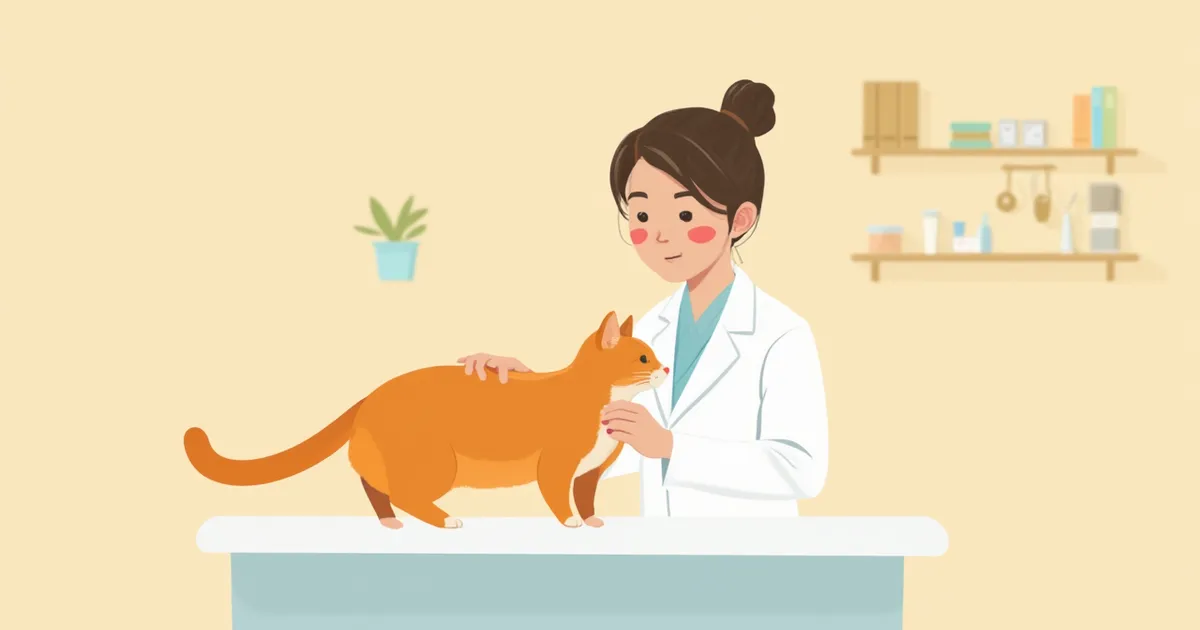
A veterinarian examining a cat's eyes during a consultation.

When to Seek Immediate Veterinary Care

Rapid or labored breathing, panting with an open mouth, sudden seizures, paralysis, or decreased consciousness are all signs of an emergency. Kittens that are lethargic, have diarrhea, and refuse to eat entirely also require immediate veterinary care. Red, bloodshot eyes and abnormally shaped pupils indicate worsening uveitis and necessitate prompt medical attention.

Diagnosis: From Blood Tests to Imaging

According to veterinary internal medicine textbooks, diagnosing toxoplasmosis is difficult with a single test alone. Multiple tests need to be evaluated together.
Serological antibody testing (IgM, IgG): Distinguishes between recent and past infections.
PCR testing: Directly detects the parasite's genetic material in feces, blood, or body fluids.
Thoracic and abdominal imaging: Checks for pneumonia or hepatomegaly.
Ophthalmic examination: Confirms uveitis or retinal lesions.
Active infection is diagnosed when elevated IgM levels are accompanied by clinical symptoms.

Interpreting Serological Test Results

ItemIgM negative / IgG negativeIgM positive / IgG negative to lowIgM negative / IgG positive
MeaningNo history of infectionSuspected recent active infectionPast infection, currently stable
Need for TreatmentNot neededTreat if symptomaticMostly not needed
Additional TestsNonePCR · imaging diagnosis recommendedMonitor if asymptomatic

Interpretation of test results should always be done together with your attending veterinarian

Treatment: Medications and Duration

For active infections with clinical signs, antiprotozoal medications are used. The most commonly recommended first-line drug is clindamycin, which typically needs to be administered consistently for 3 to 6 weeks. Alternatively, a trimethoprim-sulfonamide combination may be used for about four weeks, and in some cases, pyrimethamine is used in combination with a sulfonamide. The choice of medication, dosage, and treatment schedule are determined by the veterinarian based on the pet’s weight, liver values, and symptoms. Eye symptoms are treated with anti-inflammatory eye drops, while the pneumonic form requires oxygen therapy and fluid administration. Stopping medication prematurely can increase the risk of relapse, so it is important to complete the full course as prescribed by your veterinarian.
A pet owner administering medication to their cat at home

Home Care and Preventing Reinfection

During treatment, boost your pet’s energy with a nutrient-rich wet food, and always consult your veterinarian before giving any other medications or supplements alongside their prescribed treatment. Key Points to Prevent Reinfection
Keep your pet indoors: This eliminates opportunities for hunting.
No raw meat or raw diets: Always cook food thoroughly before feeding.
Clean the litter box daily: Removing feces within 24 hours prevents eggs from becoming infectious.
Wear gloves: Avoid direct hand contact when cleaning the litter box.
Wash water and food bowls: Clean them daily with hot water.

Important Precautions for Pregnant Women

Toxoplasmosis is a zoonotic disease that poses a risk of fetal infection in humans, especially pregnant women. However, there is no need to be overly concerned. If your cat is strictly indoors and you clean the litter box daily, the risk of infection is very low. During pregnancy, ask another family member to handle litter box cleaning, or if you must do it yourself, always wear gloves and a mask, and wash your hands thoroughly with soap afterward. Also, wash cutting boards and your hands carefully after handling raw meat, and rinse vegetables and fruits well before eating them.

Reviewed by a veterinarian

Dr. Tony — Punnawat Phongkittirak

Dr. Tony — Punnawat Phongkittirak

Veterinarian

A veterinarian who majored in veterinary medicine at Khon Kaen University, Thailand, and completed the IVSA program at North Carolina State University in the United States. Drawing on clinical experience at animal hospitals, he works in the pet healthcare field and is dedicated to building a digital care environment that connects pet parents with veterinarians.

Frequently Asked Questions

Can my cat still get infected even though it lives exclusively indoors?
Cats that live exclusively indoors have a very low risk of infection. However, they can still become infected if they’ve been fed raw meat or raw food, or if they’ve caught insects or rodents that came from outside.
Once infected, do they continuously shed parasites in their feces?
Not at all. Typically, eggs are shed for only about 1–2 weeks (7–14 days) after the initial infection, and shedding is minimal thereafter. Moreover, freshly shed eggs are not infective until they mature in the environment, so the risk of human infection is low as long as you keep the litter box clean.
Should treatment be administered even when there are no symptoms at all?
If antibodies are incidentally detected in a healthy adult cat, no treatment is necessary if there are no symptoms; we simply monitor the cat's condition. Treatment is only administered for active infections that are causing symptoms.
I’m planning to get pregnant. Is it safe to adopt a cat?
You’re all set. As long as you keep your cat indoors, feed it cooked food, and clean the litter box daily, the risks are very low. For added peace of mind, have a pre-adoption health checkup and antibody test done.
How is a full recovery determined after treatment?
Once all symptoms have resolved, your veterinarian may recommend repeat blood and imaging tests. However, since IgM antibody levels can fluctuate gradually over several months, we don’t rely on antibody titers alone. Instead, we make a comprehensive assessment by considering both clinical signs and the recovery of organ lesions.

Share

Related Guides

References

[1] Ettinger SJ, Feldman EC, Côté E (eds.), Textbook of Veterinary Internal Medicine, 8th ed., Elsevier, 2017

[2] Greene CE (ed.), Infectious Diseases of the Dog and Cat, 4th ed., Elsevier, 2012

[3] Clinical Medicine of the Dog and Cat, 4th ed., CRC Press

[4] Dubey JP, Toxoplasmosis of Animals and Humans, 2nd ed., CRC Press, 2010

This information is based on veterinary literature and does not replace diagnosis or treatment. Please consult a veterinarian for specific health concerns.

Metapet Co., Ltd. | CEO: Park Sung-yong | Business Reg. No. 417-88-02562 | Seoul, South Korea | Customer Center

Feline Toxoplasmosis: Symptoms, Treatment & Pregnancy Risks | Meongsiljang