Like
Share
멍실장
강아지 새 가족 도입 스트레스 증상과 원인, 진단·치료와 관리 포인트 총정리

My Dog Is Acting Strange Since the New Pet Arrived — Causes and Step-by-Step Management of Adjustment Stress

Brain & CognitionDiseasesMeongsiljang Veterinary Advisory Board

We’ve compiled a comprehensive guide on the causes, symptoms, diagnosis, treatment, and home care for adjustment stress in existing dogs when a new pet, newborn, or family member joins the household.

What Is Stress When Introducing a New Family Member to Your Dog?
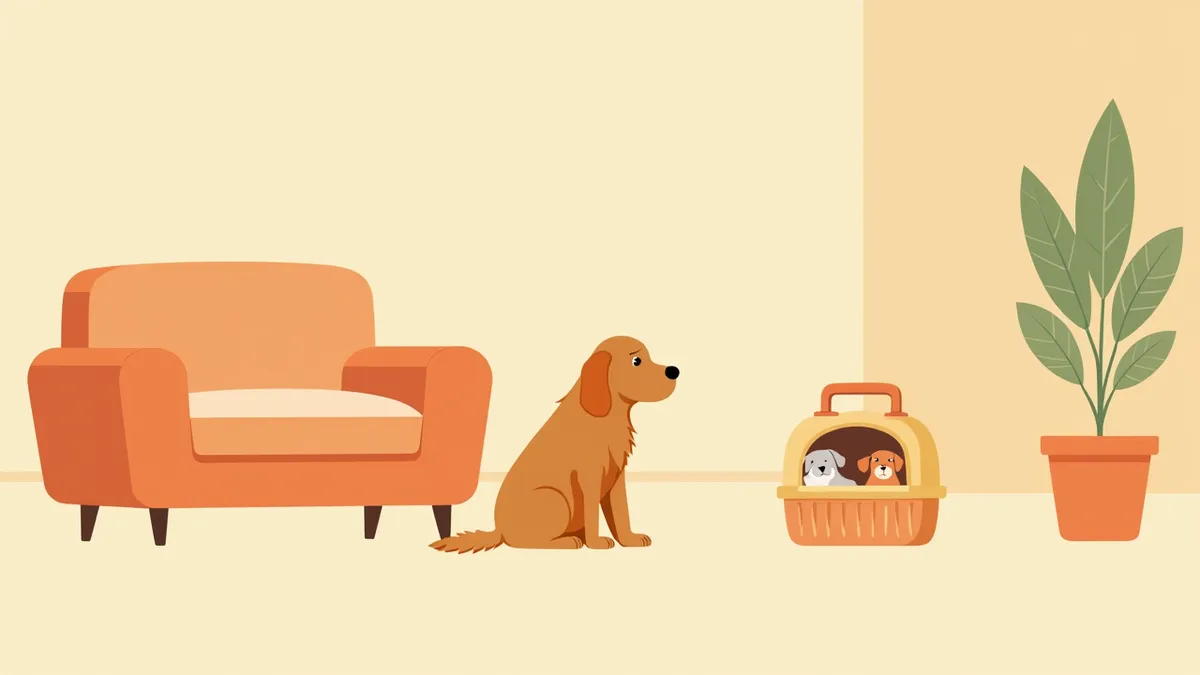
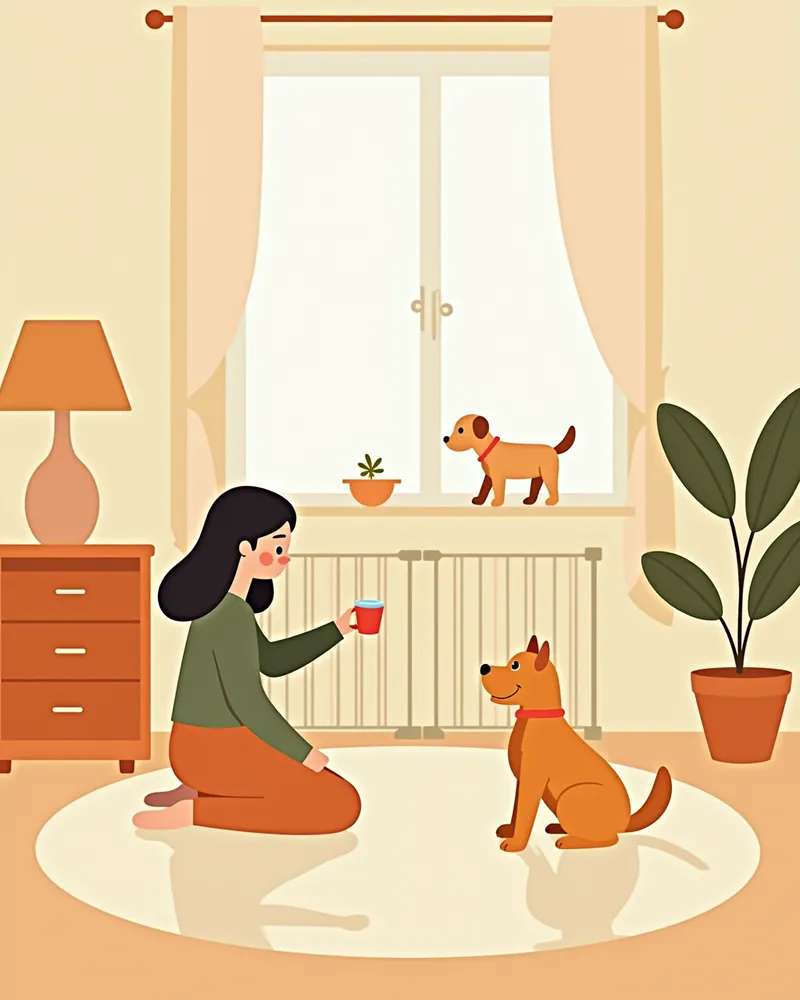
A dog feeling anxious due to the introduction of a new family member
Stress when introducing a new family member to your dog refers to the behavioral and physiological responses that occur when an existing dog perceives environmental changes—such as the arrival of a new pet, newborn, or family member—as a threat. A key point to remember is that this stress response can be triggered not by actual danger, but simply by the dog perceiving the change as threatening. Consequently, simultaneous shifts in smells, sounds, daily routines, and owner attention can easily exacerbate anxiety-related behaviors. During the initial introduction phase, it is crucial to allow for gradual, step-by-step adaptation rather than overwhelming the dog with all changes at once, as how this transition period is managed can significantly impact the dog’s future behavior.

3 Reasons a New Family Member Causes Stress

Dogs are highly sensitive to their territory, daily routines, and the attention they receive from their owners.
Territorial intrusion: When a new animal shares their space, food, or toys, dogs may perceive it as a threat.
Disrupted routines: Changes in walking, feeding, or bonding times create an unpredictable environment, increasing anxiety.
Divided attention: When an owner’s focus shifts to a new household member, dogs may feel neglected and develop competitive behaviors.

Checklist of Stress Symptoms to Watch For
Excessive barking: Barks continuously whenever a new family member appears.
Destructive behavior: Chews or scratches furniture and household items.
Food refusal: Skips two or more meals.
Excessive licking: Repeatedly licks paws or belly, causing the skin to become red.
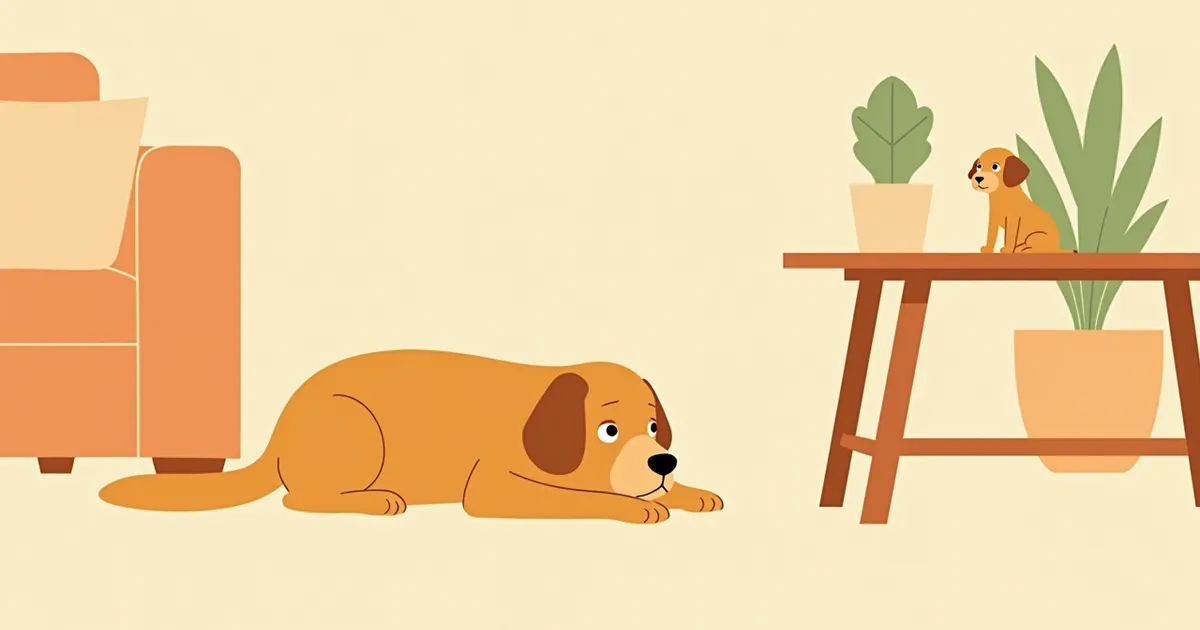
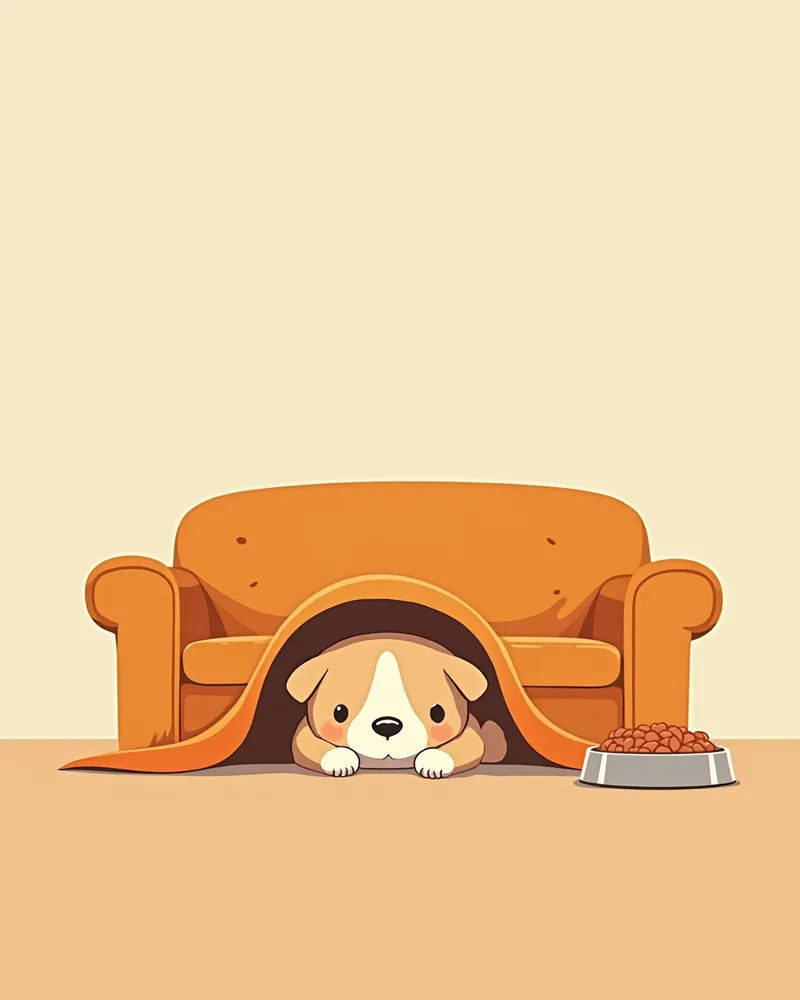
Hiding and avoidance: Hides under sofas or in corners and refuses to come out.
Indoor marking: A previously house-trained dog urinates in various spots around the house.
A puppy hiding and refusing food due to stress

Emergency Signs Requiring Immediate Veterinary Care

If your pet refuses food and water for more than 48 hours, becomes suddenly aggressive and bites people or animals, or experiences seizures, tremors, or decreased consciousness, seek veterinary care immediately. Even if these signs appear to be behavioral issues, they may stem from underlying medical conditions such as thyroid dysfunction or pain.

How Does a Veterinarian Conduct a Diagnosis?

A veterinary behaviorist follows a step-by-step approach: first ruling out physical health issues through blood tests and physical exams, then analyzing the behavioral history, and finally evaluating the environment. Keeping a video or written record of any behavioral changes before and after introducing a new family member can be incredibly helpful for diagnosis. We also take into account complex factors such as moving to a new home or changes in the owner’s work schedule.

Step-by-Step Approach to Treatment and Behavior Modification
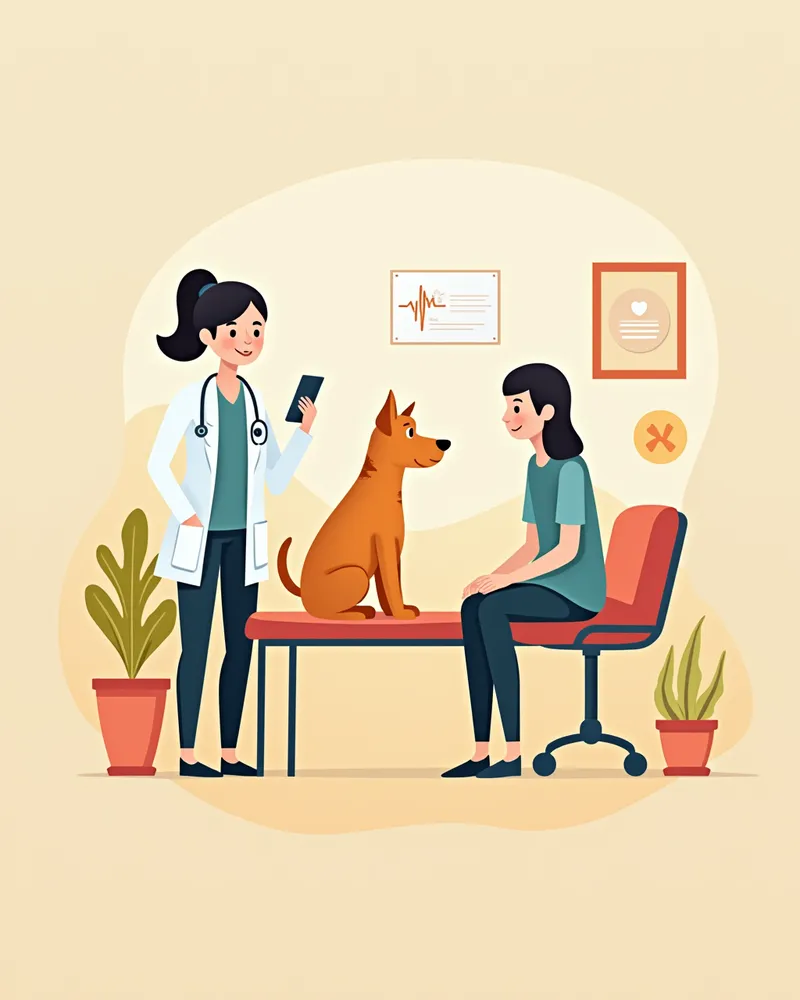
Step 1 — Establish a separate space: Create a dedicated safe zone for your current dog to gradually increase contact with the new family member.
Step 2 — Desensitization training: First introduce the new family member’s scent on a towel, then slowly decrease the distance between them.
Step 3 — Medication support: If symptoms are severe, a veterinarian may prescribe anti-anxiety supplements or behavior-modifying medication. Never administer medication without veterinary guidance.
A veterinarian and pet owner during a behavioral modification consultation

5 Ways to Manage Stress at Home

1. Keep your current dog’s walking, feeding, and play routines as consistent as possible before and after the new arrival. A predictable environment helps them feel secure. 2. When interacting with the new family member, include your current dog to provide ample social and environmental stimulation. 3. You can try using synthetic dog calming pheromone diffusers in key areas as a supplementary aid. However, effectiveness may vary from dog to dog. 4. Offer favorite treats and toys only when the new family member is present to create positive emotional responses (positive associations). 5. Forced contact can backfire. Safety measures should be implemented within the dog’s tolerance level, alongside stress reduction.
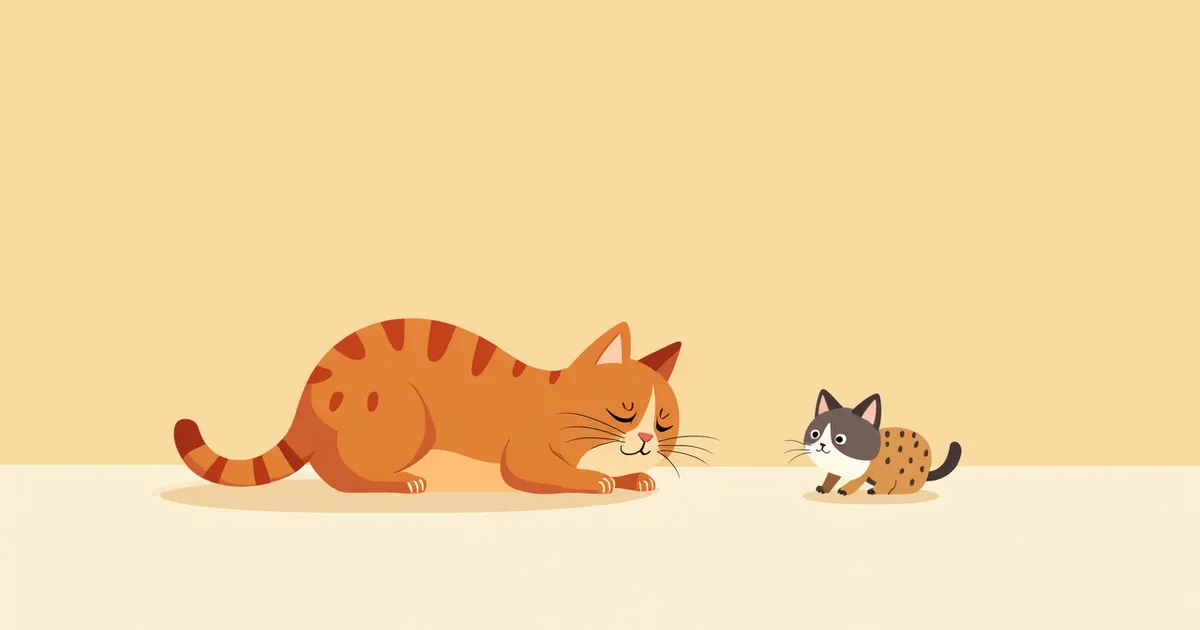
Gradual adaptation between existing and new puppies

Breeds and Histories Requiring Special Attention

Puppies with limited socialization or insufficient exposure to social and environmental stimuli may react more sensitively to changes in their surroundings. Even with the same stressor, the intensity of a dog’s response depends on how threatening it perceives the situation to be, so it’s important to consider both their past experiences and temperament. Puppies with little experience of environmental changes may show more pronounced symptoms, so new owners should introduce changes gradually and step by step, rather than all at once.

Reviewed by a veterinarian

Dr. Tony — Punnawat Phongkittirak

Dr. Tony — Punnawat Phongkittirak

Veterinarian

A veterinarian who majored in veterinary medicine at Khon Kaen University, Thailand, and completed the IVSA program at North Carolina State University in the United States. Drawing on clinical experience at animal hospitals, he works in the pet healthcare field and is dedicated to building a digital care environment that connects pet parents with veterinarians.

Frequently Asked Questions

My existing dog has stopped eating since we brought home a new puppy. How long should I wait before becoming concerned?
Skipping one or two meals is a common adjustment response. However, if your pet completely refuses food and water, it's time to visit the vet. This could be due to gastrointestinal issues or severe stress.
Where would be the best place for the first meeting?
Introducing them for the first time in a neutral location—such as a park or a quiet alley—that isn’t part of your current dog’s territory can help reduce territorial defensive reactions. Keep the leash on and allow them to naturally sniff each other.
How long does the adjustment period take?
Because individual dogs vary so much, it’s difficult to set a one-size-fits-all timeline for adjustment. Introducing two adult dogs to each other may take even longer. If aggressive behavior or extreme avoidance persists despite giving them ample time, please consult a veterinary behavior specialist.
Do synthetic pheromone products really work?
Synthetic dog calming pheromones are a common aid that pet owners use to help their dogs adjust during the initial transition period. Since effectiveness varies from dog to dog, it’s best to use them alongside environmental management and behavior modification rather than relying on them alone.
My dog has suddenly started having accidents indoors after we brought home a new baby. What should I do?
First, visit a veterinary clinic to rule out physical conditions such as cystitis. If no abnormalities are found, the behavior may be a stress response to environmental changes. Please ensure daily one-on-one bonding time with your existing dog.

Share

Related Guides

References

[1] Anderson KH, Yao Y, Perry PJ et al., Case distribution, sources, and breeds of dogs presenting to a veterinary behavior clinic in the United States from 1997 to 2017, Animals, 2022

[2] Bamberger M, Houpt KA, Signalment factors, comorbidity, and trends in behavior diagnoses in dogs, Journal of Veterinary Behavior, 2006

[3] Dinwoodie IR, Dwyer B, Zottola V et al., Identification of separation-related problems in domestic dogs, Applied Animal Behaviour Science, 2019

[4] Overall KL, Manual of Clinical Behavioral Medicine for Dogs and Cats, Elsevier Mosby, 2013

This information is based on veterinary literature and does not replace diagnosis or treatment. Please consult a veterinarian for specific health concerns.

Metapet Co., Ltd. | CEO: Park Sung-yong | Business Reg. No. 417-88-02562 | Seoul, South Korea | Customer Center

Dog Acting Strange After a New Pet? Adjustment Stress Guide | Meongsiljang