Like
Share
멍실장
고양이 페로몬 치료 증상과 원인, 진단·치료와 관리 포인트 총정리

If Your Cat Is Constantly Sensitive — The Effects of Pheromone Therapy and When to Start

Brain & CognitionDiseasesMeongsiljang Veterinary Advisory Board

We’ve put together an easy-to-understand guide to pheromone therapy for cats experiencing stress, marking behavior, or anxiety, backed by veterinary science.

What Is Feline Pheromone Therapy?
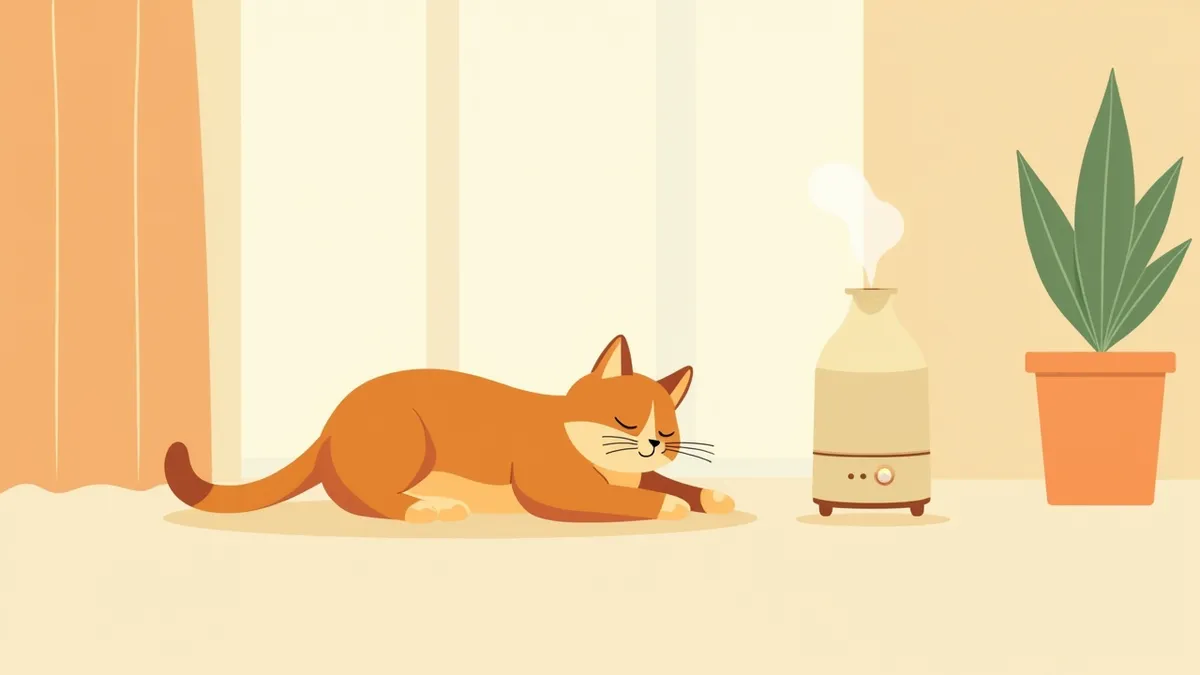
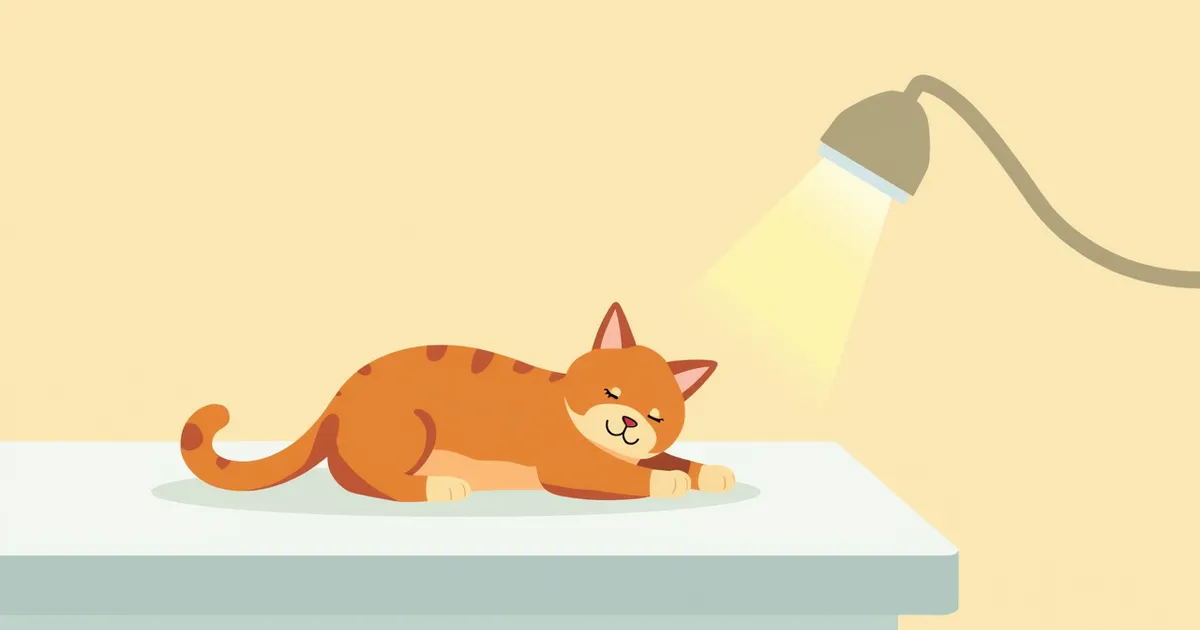
A cat resting comfortably in a warm space with a pheromone diffuser.
Feline pheromone therapy is a non-pharmacological behavioral treatment that uses synthetic pheromone products to alleviate behavioral issues such as stress, anxiety, and territorial marking. The key point is that it doesn't rely on medication; instead, it mimics cats' natural chemical signals to promote a sense of calm in the brain. It can be widely used as an adjunctive treatment for stress-related behaviors triggered by various environmental changes, such as moving to a new home, introducing multiple cats, or separation anxiety.

Main Causes of Behavioral Issues in Cats

Most feline behavioral issues stem from stress, anxiety, or changes in their environment. Here are the main causes:
Moving or rearranging furniture: Disruption of their sense of territory can heighten anxiety.
New family members or pets: Cats may feel their established hierarchy and territory are being threatened.
Multi-cat conflicts: Prolonged tension between cats can lead to chronic stress.
Separation anxiety: Extended periods apart from their owners can trigger excessive vocalization and destructive behavior.
Medical causes: Conditions such as feline idiopathic cystitis (FIC) can also cause behavioral changes.

Symptom Checklist for When Pheromone Therapy Is Needed
If the following symptoms persist for more than two weeks, pheromone therapy may be worth considering.
Territorial spraying: Marking behavior involving small amounts of urine sprayed on walls or furniture.
Elimination outside the litter box: Urinating or defecating outside the designated litter area, often due to high stress levels.
Excessive grooming: Repetitive licking of the same area due to severe anxiety, sometimes leading to skin irritation or hair loss.
Hiding or avoidance behavior: Hiding and refusing to come out, or strongly avoiding interaction.
Increased aggression: More frequent scratching or biting compared to normal behavior.
Excessive vocalization: Repeated loud meowing, especially at night.
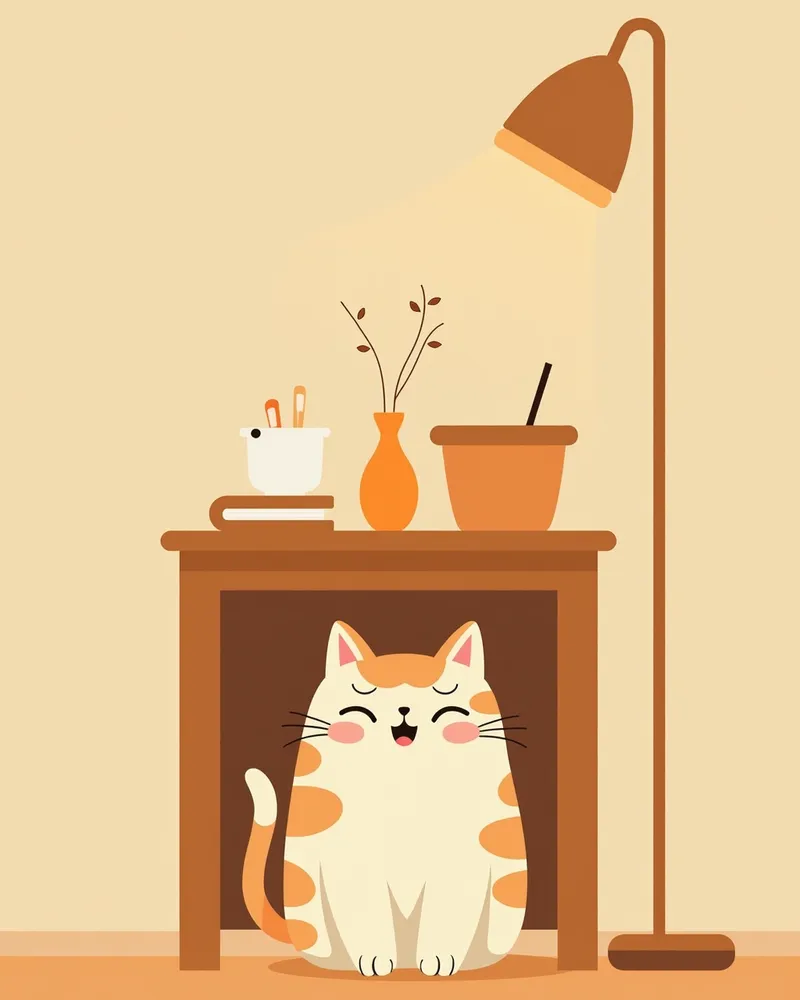
A cat hiding under the furniture, appearing anxious.

When Pheromones Alone Aren't Enough — Go to the Vet Immediately

If you notice urinary issues (such as difficulty urinating or blood in the urine), behavioral changes accompanied by vomiting or diarrhea, decreased consciousness or seizures, or sudden severe pain responses, please consult a veterinarian before starting pheromone therapy. Even if symptoms appear to be behavioral problems, they could be caused by cystitis, kidney disease, or neurological disorders.

How Does the Veterinarian Diagnose and Assess?

Before starting pheromone therapy, your veterinarian will first rule out any underlying medical causes.
Medical and behavioral history review: We’ll identify when the symptoms began, any recent environmental changes, and whether multiple cats live in the home.
Physical examination and urinalysis: We’ll check for physical conditions such as cystitis, urinary tract infections, or bladder stones.
Blood tests: We’ll rule out hyperthyroidism and other pain-inducing conditions.
Behavioral assessment: If no medical cause is found, we’ll develop a behavior modification plan.
Pheromone therapy tends to be more effective when used alongside environmental enrichment rather than as a standalone treatment.

Types of Pheromone Products and Proper Usage
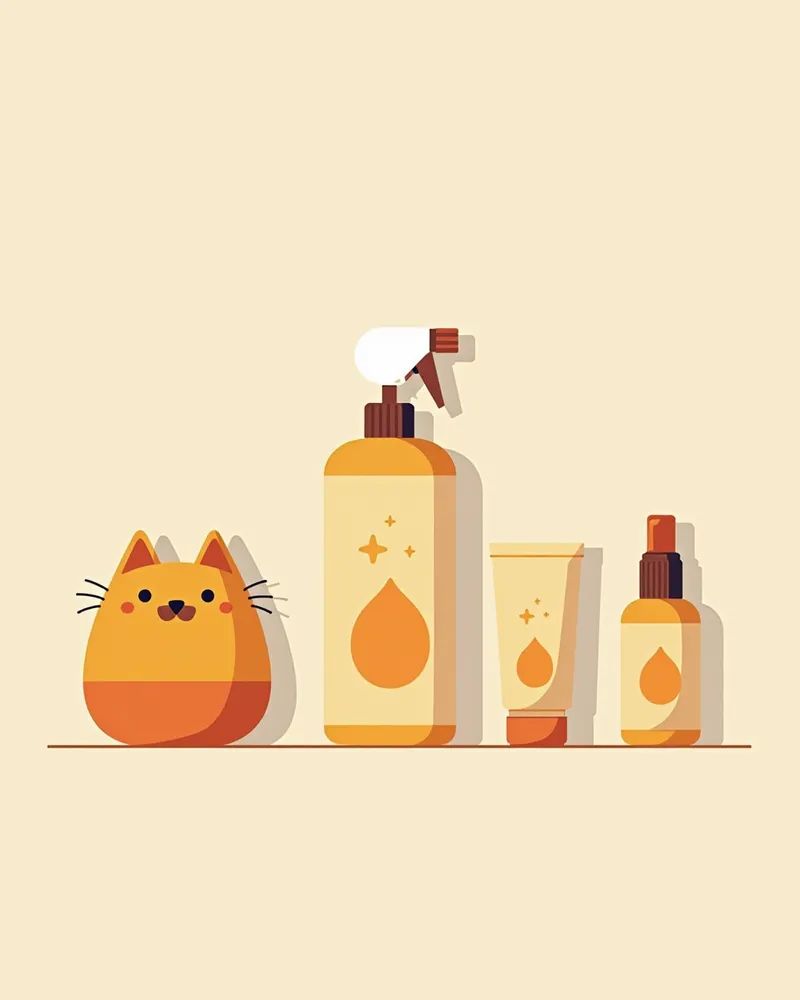
The most widely used products today are synthetic pheromones that mimic the F3 facial pheromone fraction (FFP3) of cats. However, even within the same brand, there are separate "Cat Appeasing Pheromone (CAP)" lines specifically designed to ease conflicts in multi-cat households, so it’s important to choose the right product for your specific needs. These products come in three forms:
Electric diffusers: Plugged into an outlet, they continuously disperse pheromones throughout the room. It’s best to place them in every room where your cat spends time.
Sprays: Applied directly to carriers, car interiors, or specific objects. They’re commonly used to reduce travel-related stress.
Gels (non-electric): Useful in areas without electrical outlets.
Since these are not medications but rather complementary therapies, their effects often build gradually over several days to weeks after starting use. Therefore, we recommend giving them consistent use for several weeks before evaluating their effectiveness.
Three types of cat pheromone products: diffusers, sprays, and gels

Environmental Management Points to Practice at Home
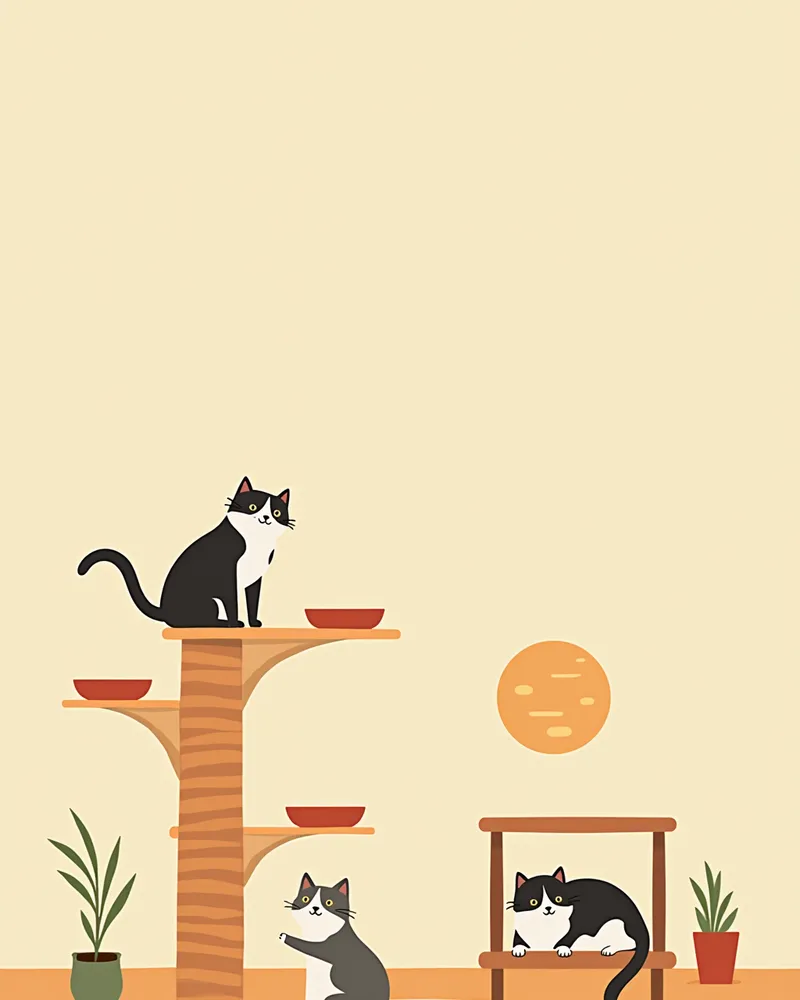
Pheromones alone won’t change behavior. Veterinary behavioral studies show that stress-related behaviors decrease significantly when combined with comprehensive environmental enrichment.
Increase the number of litter boxes: The general rule is one more than the number of cats. Maintaining cleanliness is also essential.
Provide vertical space: Use cat trees and shelves to create individual safe zones for each cat.
Separate food, water, and resting areas: In multi-cat households, distribute resources to reduce competition.
Maintain a consistent routine: Keep feeding and playtimes regular to increase predictability.
A bright indoor space with resources distributed to suit a multi-cat household

Things to Know for Multi-Cat Households

Pheromone products mimic feline facial pheromones, which are species-specific, so they are known to have no effect on humans or other pets like dogs. In multi-cat households, it is effective to place diffusers in every room where cats spend time, and if conflicts are frequent, distributing several diffusers throughout the space can help. For spray formulations, do not apply directly to your cat’s body. Instead, spray onto objects such as carriers or towels, wait several minutes (ideally about 20 minutes) for the solvent to fully evaporate, and then allow your cat to come into contact with the treated item. This waiting period ensures the pheromone is properly delivered.

Reviewed by a veterinarian

Dr. Tony — Punnawat Phongkittirak

Dr. Tony — Punnawat Phongkittirak

Veterinarian

A veterinarian who majored in veterinary medicine at Khon Kaen University, Thailand, and completed the IVSA program at North Carolina State University in the United States. Drawing on clinical experience at animal hospitals, he works in the pet healthcare field and is dedicated to building a digital care environment that connects pet parents with veterinarians.

Frequently Asked Questions

How long should I use pheromone products before seeing results?
You’ll typically start to notice gradual changes a few days after beginning use, but it often takes several weeks of consistent application to see clear results. We recommend using it consistently for at least a few weeks.
Does it work for all cats?
Responses can vary from pet to pet. If environmental stress is the cause, this approach may help; however, if there’s an underlying medical issue, that should be treated first. If you don’t see any improvement after a few weeks, it’s best to consult your veterinarian.
Can it affect dogs or people as well?
This product is species-specific, mimicking feline facial pheromones, so it is known to have no effect on dogs or humans. However, there are separate calming pheromone products specifically formulated for dogs.
Can pheromone therapy be used together with anti-anxiety medication?
Yes, they can be used together. In cases of severe anxiety or aggression, a veterinarian may prescribe an anti-anxiety medication alongside other treatments. The decision to combine medications should always be made by a veterinarian.
Which should I use, a spray or a diffuser?
If the issue is tied to specific spaces like carriers or vehicles, a spray is ideal; if you want to calm the overall atmosphere of your home, a diffuser is more suitable. In many cases, using both together works best.

Share

Related Guides

References

[1] Little SE. The Cat: Clinical Medicine and Management, 2nd Edition. Elsevier Saunders, 2016. Chapter 16 Behavior Problems.

[2] Frank DF, et al. The use of a synthetic feline facial pheromone analogue (Feliway) to control urine spraying behaviour in cats. J Feline Med Surg. 1999;1(3):119-127.

[3] Mills DS, Mills CB. Evaluation of a novel method for delivering a synthetic analogue of feline facial pheromone to control urine spraying by cats. Vet Rec. 2001;149(7):197-199.

[4] Gaultier E, et al. Comparison of the efficacy of synthetic feline appeasing pheromone with diazepam in reducing stress in cats during transport. J Feline Med Surg. 1998.

[5] Ramos D, Reche-Junior A, Mills D, et al. Elimination behavior patterns of domestic cats (Felis catus) with and without elimination behavior problems. Am J Vet Res. 2006;67:1500-1504.

[6] Crowell-Davis SL, et al. Introduction to Animal Behavior and Veterinary Behavioral Medicine. 2019.

[7] Harvey A, Tasker S. BSAVA Manual of Feline Practice: A Foundation Manual. British Small Animal Veterinary Association, 2013.

This information is based on veterinary literature and does not replace diagnosis or treatment. Please consult a veterinarian for specific health concerns.

Metapet Co., Ltd. | CEO: Park Sung-yong | Business Reg. No. 417-88-02562 | Seoul, South Korea | Customer Center

Is Your Cat Always On Edge? Pheromone Therapy Effects & Timing | Meongsiljang