Like
Share
멍실장
고양이 심장사상충 증상과 원인, 진단·치료와 관리 포인트 총정리

Feline Heartworm Disease: Symptoms, Causes, Diagnosis, Treatment, and Management Essentials

Infection/ParasitesDiseasesMeongsiljang Veterinary Advisory Board

Feline heartworm disease is a fatal parasitic condition transmitted by mosquitoes, making early detection and prevention crucial. Since cats can remain asymptomatic until symptoms appear, close vigilance is essential.

What is Feline Heartworm Disease?
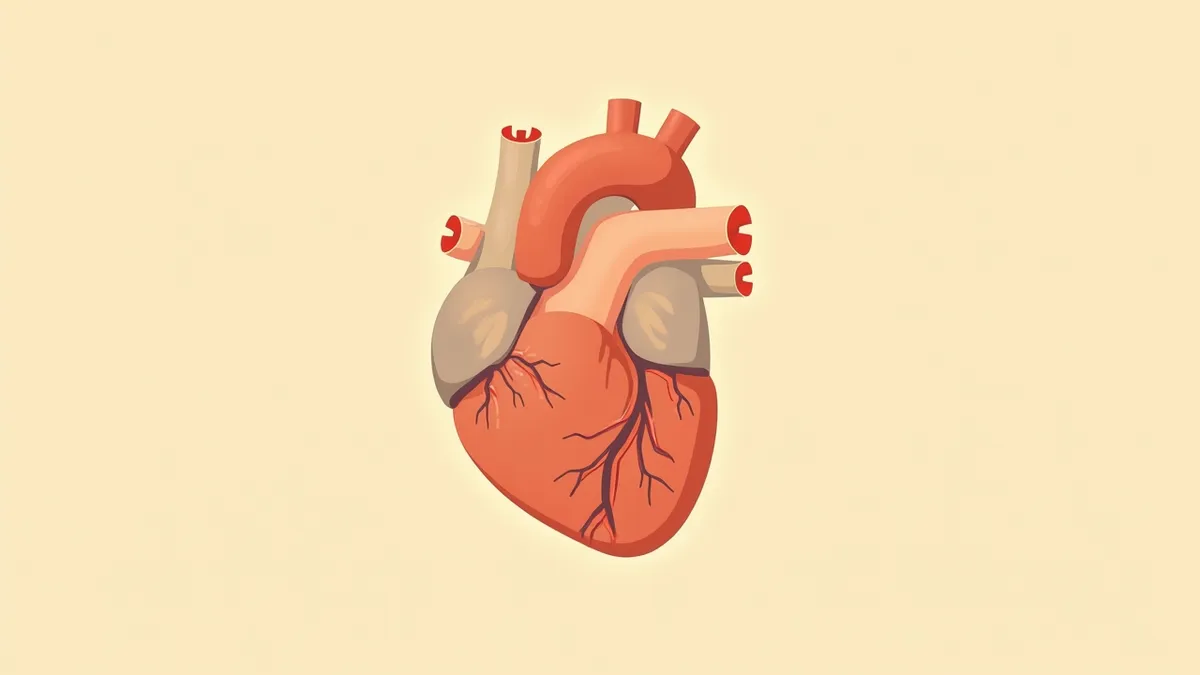
An anatomical illustration of heartworms parasitizing a cat's heart
Feline heartworm disease is a life-threatening parasitic condition transmitted by mosquitoes, in which the parasites reside in the heart and pulmonary arteries, causing difficulty breathing and reduced cardiac function. Because early-stage infections are often asymptomatic, detection can be challenging, and untreated cases may lead to severe complications. Even indoor cats are at risk of infection through mosquito exposure, making prevention essential. - Heartworm: A nematode called *Dirofilaria immitis* that lives in a cat’s heart and pulmonary arteries, damaging the pulmonary blood vessels. - Asymptomatic period: Inflammatory responses can begin approximately 3–4 months after infection, when immature larvae reach the pulmonary arteries, underscoring the importance of regular check-ups. - Fatal complications: When adult worms die, they can trigger thromboembolism and acute inflammatory reactions, potentially leading to pulmonary failure or sudden death.

Causes of Infection and Transmission Routes
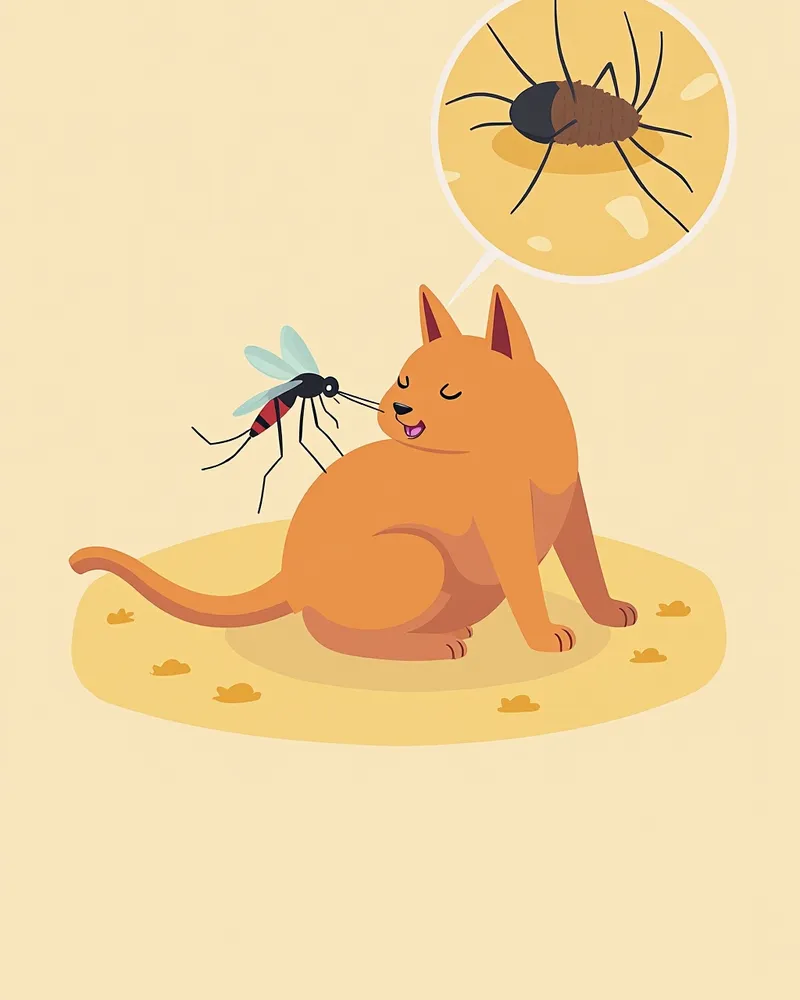
Feline heartworm disease is transmitted through the bite of a mosquito that has fed on an infected animal. Inside the mosquito, the larvae develop into an infectious stage (infective larvae), which then enter the cat’s body when the mosquito bites. Once inside, the larvae travel through the bloodstream to the heart and pulmonary arteries, where they grow. Even indoor cats are at risk because mosquitoes can enter through windows or doors, making prevention essential. - Mosquito-borne transmission: Dogs are the primary reservoir hosts, and mosquitoes serve as vectors that develop the larvae into an infectious stage. - In-host development: Adult worms grow in the cat’s heart and pulmonary arteries, causing ongoing vascular damage. - Indoor infection risk: Indoor cats can still become infected via mosquito entry, so preventive medication is essential.
A mosquito bites a cat, transmitting heartworm disease.

Main Symptoms and Signs

In the early stages, feline heartworm disease is often asymptomatic. However, as the infection progresses, the following symptoms may appear. Because early detection is difficult before symptoms manifest, regular veterinary check-ups are essential.
Difficulty breathing: Repeated episodes of panting or rapid breathing.
Coughing: Persistent coughing, which may occasionally produce blood in severe cases.
Lethargy: Prolonged periods of inactivity or collapse throughout the day.
Loss of appetite: Sudden refusal to eat or a noticeable decrease in food intake.
Weight loss: Muscle wasting and rapid weight loss.
Abnormal heart rhythm: Irregular or accelerated heartbeat.
A coughing cat and its worried owner

Symptoms Requiring Immediate Veterinary Visit

If your cat suddenly experiences difficulty breathing or coughs up blood, consult a veterinarian immediately. These symptoms may indicate a pulmonary embolism or heart failure caused by heartworm disease. Delaying treatment can be life-threatening, so prompt action is essential.

Diagnostic Methods
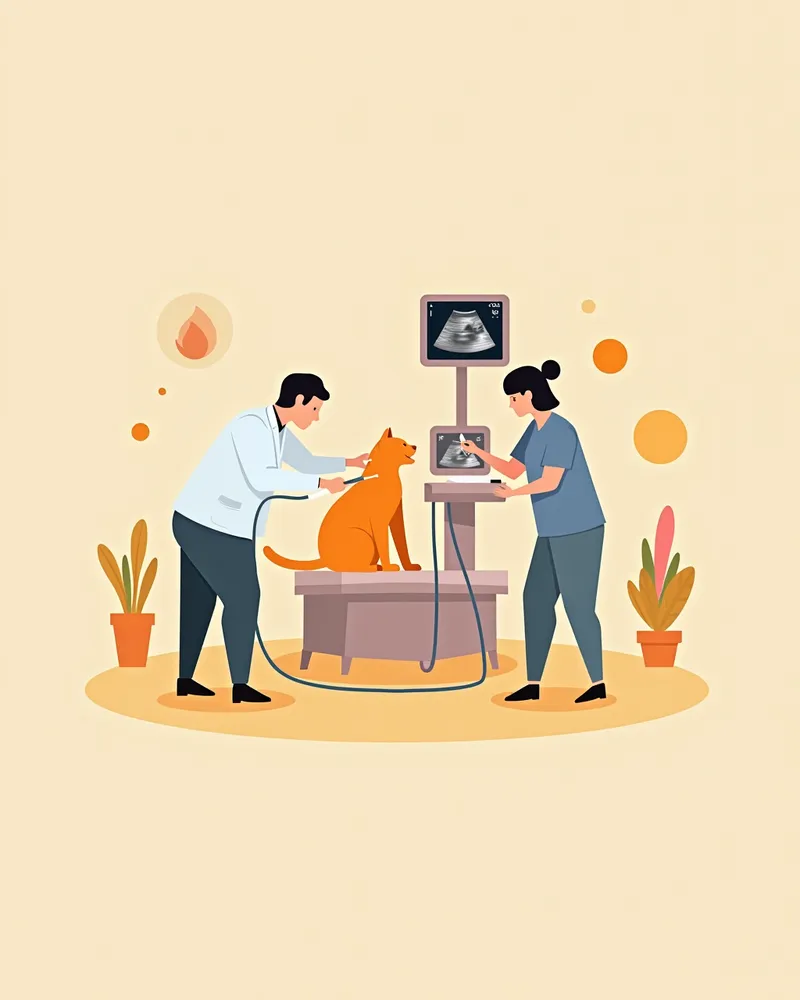
Heartworm disease can be diagnosed even when there are no symptoms. Veterinarians confirm it through the following tests. However, because a single test often fails to detect all infections in cats, multiple tests are used together.
Blood tests: These detect heartworm antibodies or antigens. Antibody tests only indicate exposure and frequently yield false-negative results, while antigen tests primarily detect adult female worms.
Chest X-rays: These check for enlarged pulmonary arteries or signs of inflammation in the lung tissue.
Echocardiography: This allows veterinarians to visualize immature or adult heartworms within the pulmonary arteries and assess heart structure.
Repeat testing: Because microfilariae (larvae) are rarely found in the blood of cats, microfilaria testing is not recommended. Instead, veterinarians may repeat other tests as needed to reach a diagnosis.
A veterinarian performing an echocardiogram on a cat.

Treatment Methods and Step-by-Step Approach
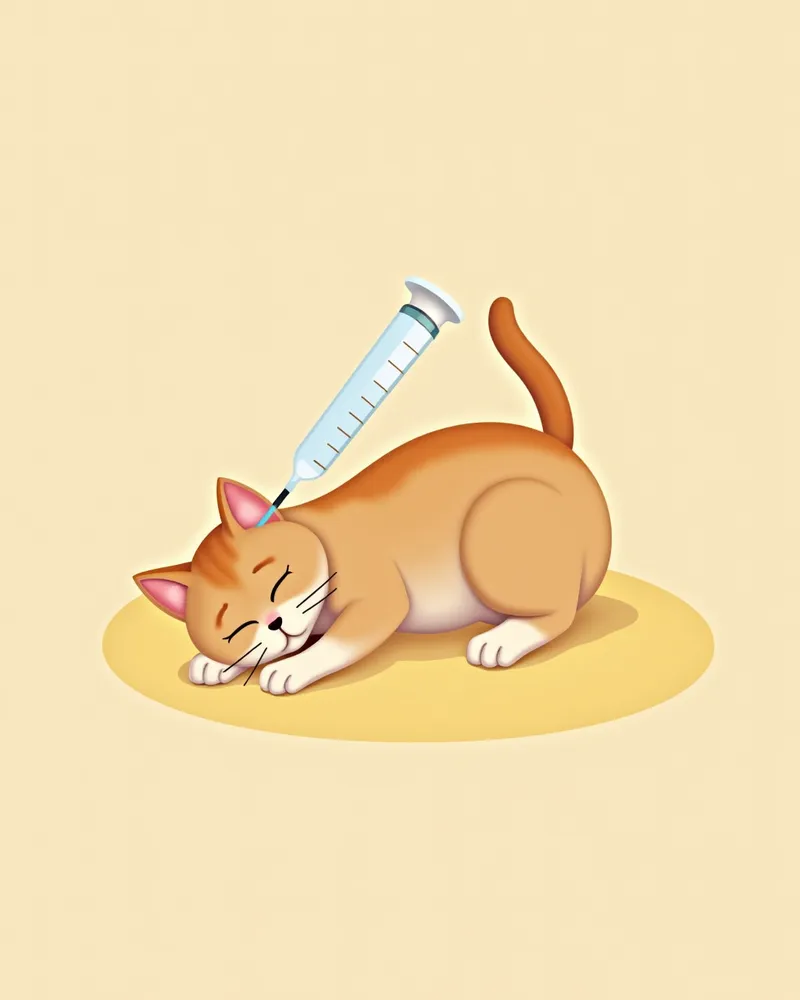
Treating feline heartworm disease requires great caution. Because complications can arise as adult worms die, veterinarians manage the process step by step.
Comprehensive Assessment: Evaluating heart function and overall health status.
Stabilization Therapy: Administering medications as needed to alleviate respiratory distress and reduce cardiac burden.
Adult Worm Suppression Therapy: Gradually reducing the adult worm population by administering ivermectin (24 μg/kg) once a month for approximately two years, or controlling Wolbachia infection and associated inflammation by administering doxycycline for one month.
Mosquito Prevention: Continuing preventive medication to protect against mosquito-borne infection throughout the treatment period.
Follow-up Testing: Evaluating changes in antibodies, antigens, and imaging findings through multiple examinations during and after the treatment course.
A veterinarian administering an injection to a cat.

Home Care and Precautions

It’s important to carefully monitor your cat’s condition both during and after treatment. Here are some ways you can help care for your cat at home:
Encourage Rest: Minimize physical activity during the treatment period to reduce strain on the heart.
Maintain a Calm Environment: Provide a quiet space to help minimize stress.
Diet Management: Feed a nutritionally balanced diet and avoid excessive treats.
Regular Check-ups: Follow your veterinarian’s advice and schedule regular check-ups.
Mosquito Prevention: Even indoors, it’s recommended to install mosquito nets on windows to prevent mosquitoes from entering.
Medication Management: Ensure your cat takes all medications exactly as prescribed by your veterinarian.
A cat resting comfortably by a window with a mosquito screen installed.

Breeds and Ages at Risk for Feline Heartworm Disease

There is no clear evidence that certain breeds are more susceptible to heartworm infection. It is also difficult to definitively conclude age-related differences in infection risk based on the available evidence. However, any cat can become infected in environments where mosquitoes are present. In fact, one study found that 25% of cats with confirmed adult heartworms were indoor cats, demonstrating that even indoor cats are not safe. Therefore, it is advisable to consult with your veterinarian and begin a year-round prevention program.

Reviewed by a veterinarian

Dr. Tony — Punnawat Phongkittirak

Dr. Tony — Punnawat Phongkittirak

Veterinarian

A veterinarian who majored in veterinary medicine at Khon Kaen University, Thailand, and completed the IVSA program at North Carolina State University in the United States. Drawing on clinical experience at animal hospitals, he works in the pet healthcare field and is dedicated to building a digital care environment that connects pet parents with veterinarians.

Frequently Asked Questions

Can cats get heartworm disease?
Yes, cats can also get heartworm disease. It is transmitted by mosquitoes, and early detection is difficult because there are no symptoms in the early stages.
Do indoor cats need preventive care too?
Yes, indoor cats also need preventive care. Mosquitoes can enter through windows, and one study found that 25% of cats with confirmed adult heartworms were indoor cats, highlighting the importance of year-round preventive treatment.
How long does heartworm treatment take?
Treatment typically takes several months to two years. The approach involves gradually reducing the adult worm burden, such as by administering ivermectin once a month for about two years, while conducting regular examinations and evaluations.
How is heartworm preventive medication administered?
These medications are available as oral tablets or topical skin applications, and are typically recommended for monthly, year-round administration. Your veterinarian will recommend the most suitable option based on your pet’s weight and living environment.
When should heartworm prevention begin?
While it’s ideal to start prevention in spring when mosquito activity begins, year-round use is recommended for the best results, regardless of the season. You can begin treatment at around 8 weeks of age.

Share

Related Guides

References

This information is based on veterinary literature and does not replace diagnosis or treatment. Please consult a veterinarian for specific health concerns.

Metapet Co., Ltd. | CEO: Park Sung-yong | Business Reg. No. 417-88-02562 | Seoul, South Korea | Customer Center

Feline Heartworm Disease: Symptoms, Causes & Treatment | Meongsiljang