Like
Share
멍실장
고양이 당뇨병성케톤산증 증상과 진단·치료, 평생 식이·관리 가이드

Feline Diabetic Ketoacidosis: Symptoms, Diagnosis & Treatment, and Lifelong Diet & Management Guide

EndocrineDiseasesMeongsiljang Veterinary Advisory Board

Feline diabetic ketoacidosis (DKA) is an emergency endocrine condition in which ketone bodies accumulate in the blood due to insulin deficiency. Early detection of symptoms and immediate treatment significantly improve survival rates.

What is Feline Diabetic Ketoacidosis?

A lethargic cat lying down listlessly
Feline diabetic ketoacidosis (DKA) is an emergency endocrine disorder that occurs when severe insulin deficiency causes the body to break down fat for energy, leading to a buildup of ketones in the blood. Prompt treatment is essential. If your cat experiences persistent vomiting, lethargy, or loss of appetite, or if you notice a sweet, acetone-like odor on their breath, seek immediate veterinary care. While DKA most commonly occurs in cats with pre-existing diabetes, it can also be the initial sign that leads to a diabetes diagnosis.

Causes of DKA

In diabetic cats, a lack of insulin prevents cells from using glucose for energy. Instead, the body breaks down fat, producing acidic substances called ketones that acidify the blood. Factors other than diabetes can trigger or worsen diabetic ketoacidosis (DKA):
Discontinuation of insulin therapy: Missed injections or cases where the owner is unaware of the need for treatment
Infection or inflammation: Conditions such as pancreatitis, urinary tract infections, or periodontal disease that cause physical stress
Loss of appetite: Ketone production increases rapidly if the cat eats very little for two days or more
Stressful events: Surgery, moving to a new home, or introducing a new animal into the household

Key DKA Symptoms You Must Not Miss

If the following symptoms occur together, suspect diabetic ketoacidosis (DKA):
Vomiting: Repeated vomiting, regardless of food intake
Decreased appetite or anorexia: Refusing even favorite treats
Lethargy: Sleeping more than usual and showing little activity
Dehydration: Skin on the neck returns slowly when pinched
Acetone odor: A sweet, fruity or acetone-like smell from the mouth
Weight loss: Noticeable weight loss over a short period
Breathing changes: Rapid or shallow breathing
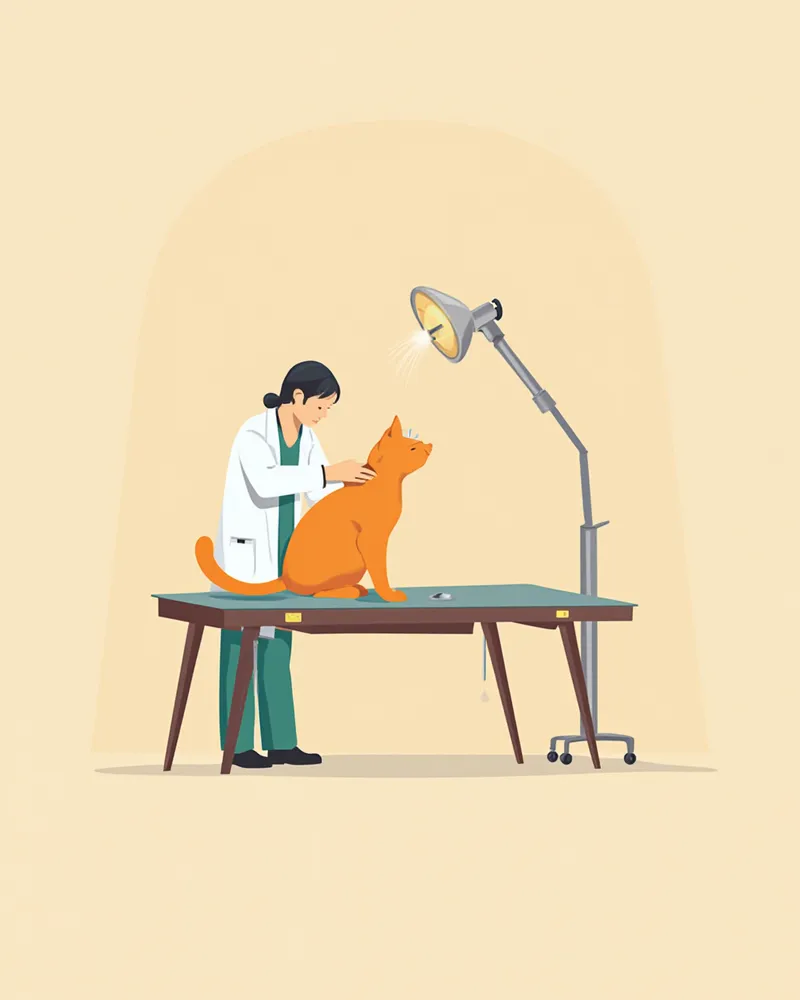
A veterinarian checking a cat for signs of dehydration.

Go to an Emergency Veterinary Clinic Immediately If These Symptoms Appear

If any of the following apply, take your pet to an emergency veterinary clinic immediately. Waiting at home or scheduling an appointment for the next day can be dangerous. • Unresponsive or appears disoriented • Unable to stand or stumbling • Experiencing seizures • Breathing appears severely labored • Vomiting and lethargy persist for more than 24 hours

Diagnostic Tests Performed at the Veterinary Clinic

Diagnosing DKA involves running several tests together.
Blood glucose test: Blood sugar levels are often found to be very high.
Ketone test: Urine test strips provide a quick check for ketone bodies. However, these strips primarily detect acetoacetate and acetone, and may not reliably pick up beta-hydroxybutyrate (BHB), which is the ketone body that increases most significantly in DKA. Therefore, directly measuring BHB in the blood alongside urine testing leads to a more accurate diagnosis.
Blood gas analysis: This measures the degree of acidification in the blood (metabolic acidosis).
Electrolyte test: This checks levels of potassium, sodium, and phosphorus. Electrolyte imbalances are common in DKA, and prolonged ketonuria can lead to the loss of sodium and potassium.
Blood chemistry panel: This evaluates pancreatic, kidney, and liver function.
Urine culture: This helps determine whether a urinary tract infection is the underlying cause of the DKA.

DKA Inpatient Treatment Process

DKA typically requires hospitalization for one to five days.
Fluid therapy: Intravenous fluids rapidly correct dehydration and dilute ketoacidosis, while also replenishing electrolytes.
Insulin therapy: The veterinarian determines the type and dosage of insulin based on blood glucose levels. Initially, treatment focuses on lowering blood sugar gradually.
Electrolyte correction: Potassium levels can drop to dangerous levels, so they are monitored closely.
Treating the underlying cause: If an infection is the cause, antibiotics are administered; if pancreatitis is present, appropriate treatment is provided concurrently.
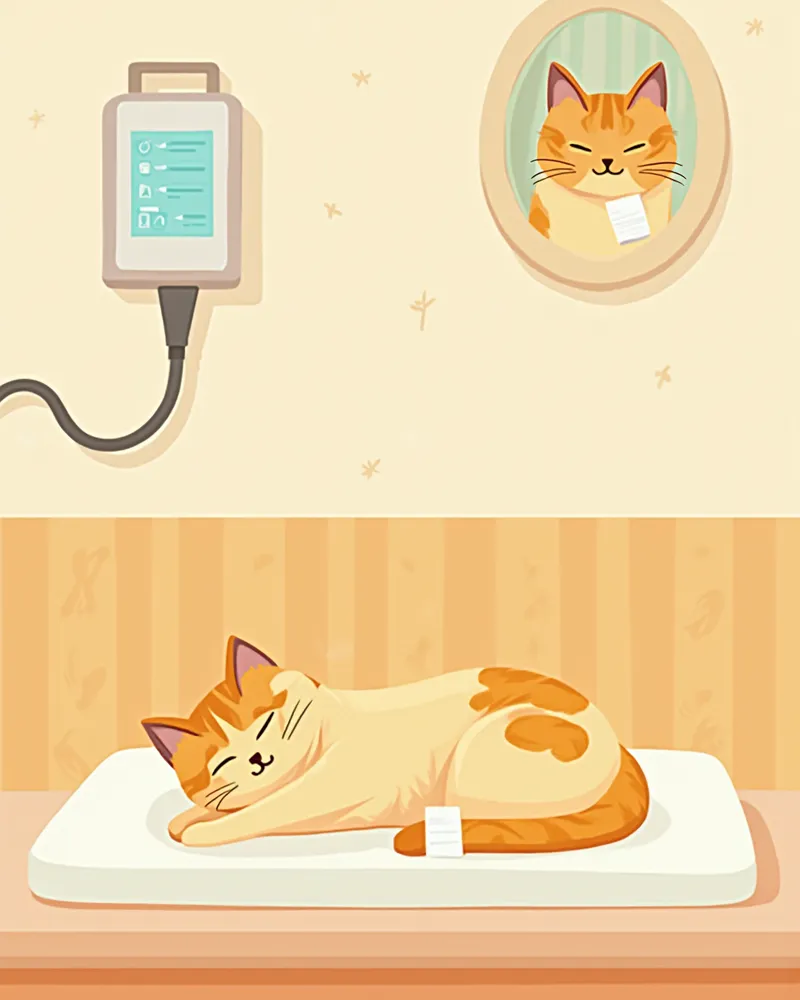
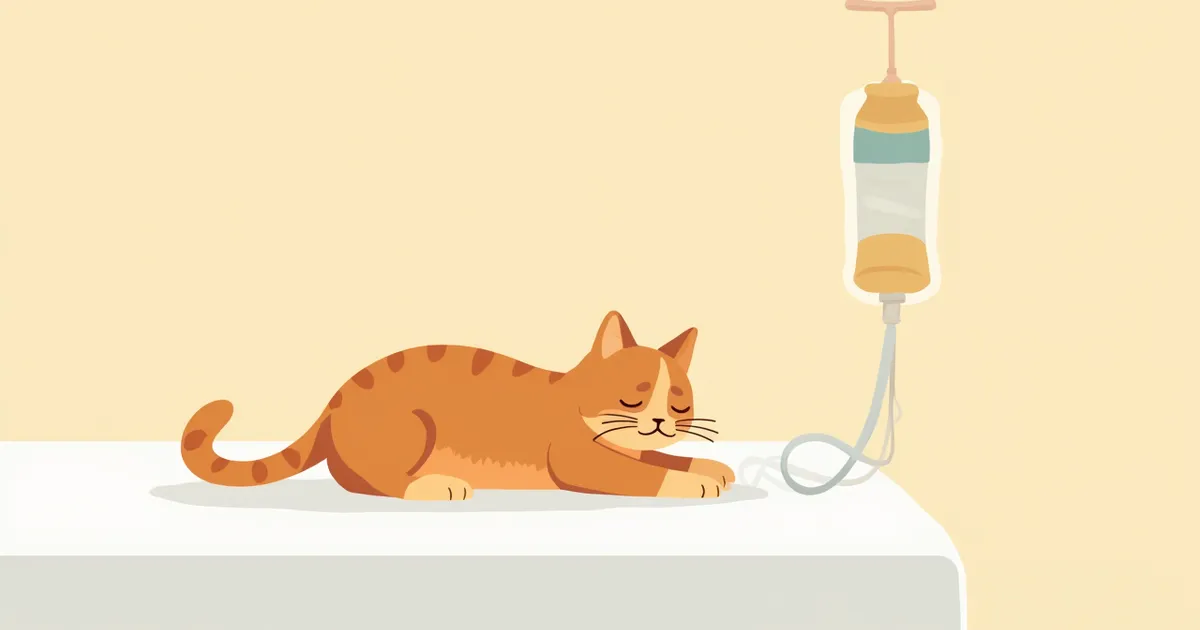
A hospitalized cat receiving intravenous fluid therapy

Lifelong Diet & Management Points After Discharge
Cats that have experienced diabetic ketoacidosis (DKA) require lifelong diabetes management even after discharge.
Dietary Management: The key is to select a diet that helps prevent sharp postprandial blood glucose spikes. A diet relatively high in fiber can help improve insulin sensitivity and alleviate postprandial hyperglycemia. Diets high in fructose, trans fats, and MSG should be avoided, as they can interfere with insulin regulation.
Insulin Injections: Insulin is typically administered twice daily, though the frequency may be adjusted to once daily in some cases. The insulin dosage is determined based on the cat’s ideal body weight, so it is important for owners to learn proper subcutaneous injection techniques.
Consistent Feeding Schedule: For cats receiving insulin, aligning meal times with insulin administration is beneficial for blood glucose control. However, since some cats prefer to graze in small, frequent amounts even with free-feeding, please consult your veterinarian to determine the most appropriate feeding method for your pet.
Weight Maintenance: It is crucial to set insulin dosages based on ideal body weight and maintain an appropriate weight. Significant changes in weight can make blood glucose control more difficult, so regular monitoring is essential.
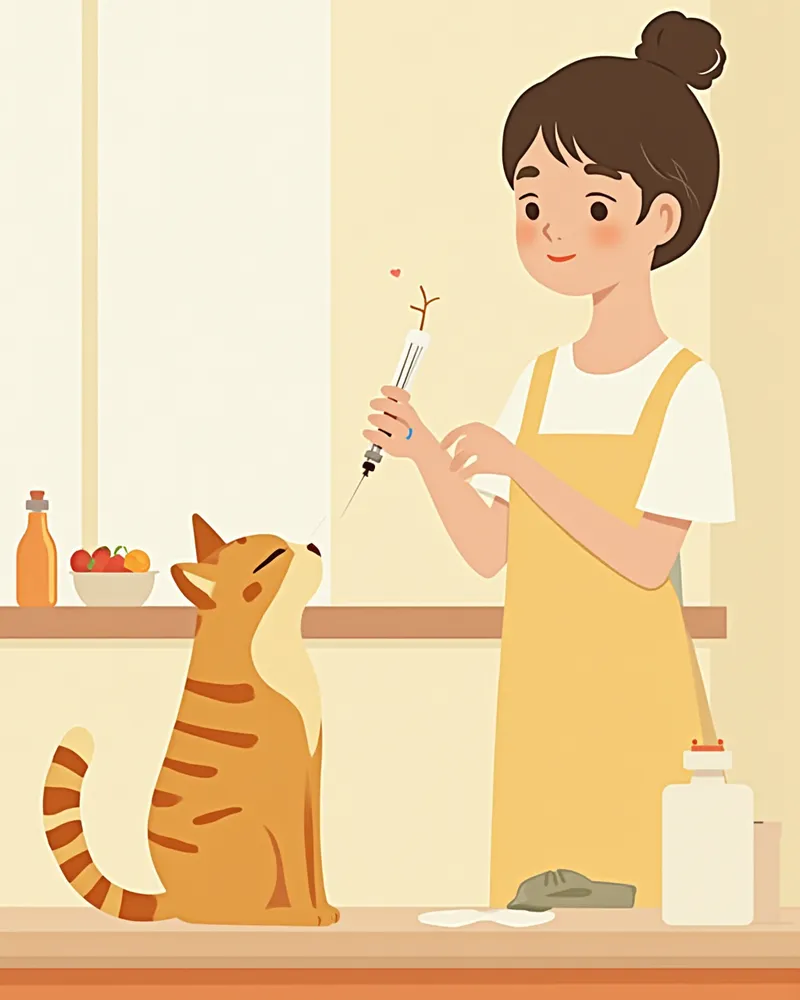
A pet owner preparing insulin injections at home

Blood Glucose Monitoring You Can Do at Home

Checking blood sugar at home in addition to regular vet visits can significantly improve management efficiency.
Ear Blood Glucose Testing: Use a glucose meter designed for cats (or calibrated for feline use) to collect a small blood sample from the inner ear. It’s helpful to learn how to do this at home from your veterinarian beforehand.
Urine Ketone Strips: Daily urine ketone checks can help catch relapses early. However, since urine strips don’t reliably detect BHB (beta-hydroxybutyrate), it’s best to have a blood ketone test done at the clinic if abnormalities are suspected.
Appetite and Behavior Logs: Keeping notes on changes in food intake, water consumption, and activity levels will be useful during vet consultations. In particular, if your cat seems lethargic or loses its appetite, be sure to check for ketones.
Glucose Curves and Regular Check-ups: Until blood sugar stabilizes, glucose curve tests are recommended every 1–2 weeks (7–14 days). Once stable, consult with your vet to adjust the frequency of visits.

Essential Checklist to Prevent Recurrence

Diabetic ketoacidosis (DKA) has a high recurrence rate. Please strictly follow the guidelines below. • Never miss an insulin injection (when traveling, inform your designated caregiver in advance about the administration method) • Store insulin in the refrigerator and never shake it • Contact your veterinarian immediately if your cat has no appetite for more than two days • Do not delay treatment for other conditions such as infections or stomatitis • Do not discontinue insulin without veterinary instruction, even if your cat is in diabetic remission

Reviewed by a veterinarian

Dr. Tony — Punnawat Phongkittirak

Dr. Tony — Punnawat Phongkittirak

Veterinarian

A veterinarian who majored in veterinary medicine at Khon Kaen University, Thailand, and completed the IVSA program at North Carolina State University in the United States. Drawing on clinical experience at animal hospitals, he works in the pet healthcare field and is dedicated to building a digital care environment that connects pet parents with veterinarians.

Frequently Asked Questions

How is diabetic ketoacidosis (DKA) different from regular diabetes?
Diabetes is a condition characterized by chronically elevated blood sugar levels. Diabetic ketoacidosis (DKA) is an acute complication of diabetes, representing an emergency state in which severe insulin deficiency leads to ketoacidosis. While diabetes can often be managed with stable care at home, DKA requires immediate hospitalization and treatment.
Does missing a single insulin injection immediately lead to diabetic ketoacidosis (DKA)?
Missing a single dose won’t immediately cause diabetic ketoacidosis (DKA). However, if your pet loses its appetite or develops another illness, their condition can worsen rapidly. If you realize a dose was missed, administer the next injection as scheduled, and contact your veterinarian right away if you notice any unusual symptoms.
What kind of food should diabetic cats eat?
There’s no single right answer, but the key is a diet that helps prevent sharp spikes in blood sugar after meals. A relatively high-fiber diet can improve insulin sensitivity and help mitigate post-meal hyperglycemia. For cats receiving insulin injections, it’s beneficial to align feeding times with insulin administration. Please consult your veterinarian to determine the most appropriate food and feeding schedule for your cat’s specific condition.
Can diabetes be cured?
Some cats can achieve diabetic remission through insulin therapy and weight management, maintaining normal blood sugar levels without insulin. However, stopping insulin without veterinary guidance can lead to diabetic ketoacidosis (DKA), so it's essential to consult your vet before making any changes.
How much does it cost to treat DKA?
While costs vary by clinic, hospitalization and intensive care can run from tens of millions to hundreds of thousands of dollars. Having pet insurance in place beforehand can significantly ease the financial burden of treatment.

Share

Related Guides

References

[1] Mooney CT, Peterson ME (eds). BSAVA Manual of Canine and Feline Endocrinology, 4th Ed. BSAVA, 2012.

[2] Schaer M (ed). Clinical Medicine of the Dog and Cat, 4th Ed. CRC Press, 2021.

[3] Nelson RW, Couto CG. Small Animal Internal Medicine, 6th Ed. Elsevier, 2020.

This information is based on veterinary literature and does not replace diagnosis or treatment. Please consult a veterinarian for specific health concerns.

Metapet Co., Ltd. | CEO: Park Sung-yong | Business Reg. No. 417-88-02562 | Seoul, South Korea | Customer Center

Feline Diabetic Ketoacidosis: Symptoms, Treatment & Diet | Meongsiljang