

Treatment of Feline Otitis Externa by Type
Feline otitis externa is an inflammatory condition of the ear canal, with treatment varying depending on the underlying cause—such as parasites, bacteria, fungi, or polyps. Here’s a comprehensive overview of diagnosis and treatment for each type.
What Is Feline Otitis Externa?
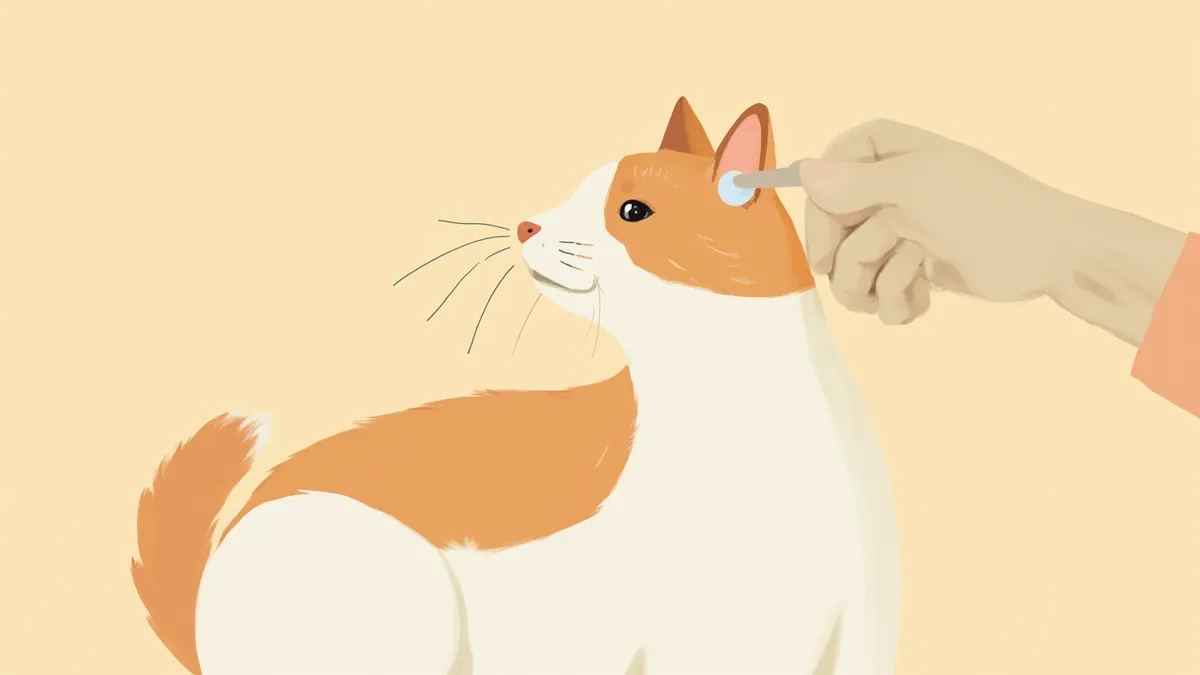
Why Does It Occur? Main Causes
Suspect Otitis Externa If You See These Symptoms

When to Visit the Vet Immediately
If your pet constantly tilts its head to one side, stumbles while walking, or has discharge from the ear containing blood or pus, it may have progressed to otitis media or otitis interna. In cats, the sympathetic nerves pass through the middle ear, so otitis media or even routine ear cleaning can trigger Horner’s syndrome (ptosis of one eyelid and miosis). Balance issues or facial nerve symptoms may also occur. If you notice these signs, seek veterinary care as soon as possible for safety; the situation becomes even more urgent if accompanied by loss of appetite or vomiting.
How Is Diagnosis Performed?
Cause-Specific Treatments — The Key

Comparison of Feline Otitis Externa Types at a Glance
| Item | Ear mite | Bacterial | Malassezia | Polyp/tumor |
|---|---|---|---|---|
| Discharge color | Black coffee grounds | Yellow pus | Brown greasy | Mixed blood & pus |
| Odor | Mild | Strong foul odor | Sour smell | Foul, putrid smell |
| Main age group | Young cats | All ages | All ages | Middle-aged and older |
| Treatment duration | 3–4 weeks | 2–4 weeks | 2–3 weeks | Surgery required |
| Recurrence risk | Low | Moderate | High | Depends on primary lesion |
Actual diagnosis must always be confirmed by a veterinarian's ear canal cytology
How to Manage at Home

Checkpoints to Prevent Recurrence
Feline otitis externa can easily become chronic if the underlying cause isn’t properly managed. Cats with frequent recurrences often have an underlying allergic dermatitis, so food allergy testing or environmental allergen management may be necessary. If only one ear is repeatedly affected, consider the possibility of polyps or tumors and have imaging studies repeated. Reusing over-the-counter ear medications at home can lead to drug resistance.
Reviewed by a veterinarian

Dr. Tony — Punnawat Phongkittirak
VeterinarianA veterinarian who majored in veterinary medicine at Khon Kaen University, Thailand, and completed the IVSA program at North Carolina State University in the United States. Drawing on clinical experience at animal hospitals, he works in the pet healthcare field and is dedicated to building a digital care environment that connects pet parents with veterinarians.
Reviewed 2026-04-28
Frequently Asked Questions
Can I use cat ear drops on my dog?
Is it safe to clean deep inside my pet’s ears with a cotton swab?
It was treated, but it keeps coming back. Why is that?
Is it okay if my pet smells but isn't scratching?
If I have multiple pets, do they all need to be treated together?
Share
Related Guides

Top 5 Medicated Dog Shampoos — For Pyoderma and Bacterial Infections

Veterinarian-Recommended Top 5 Medicated Shampoos for Canine Yeast Dermatitis — Relieves Itching and Greasiness

Top 5 Medicated Cat Shampoos Recommended by Veterinarians — Fungal Dermatitis and Fungal Care

If Your Pet’s Dandruff Is Moving — A Guide to Cheyletiella Mite Symptoms, Transmission, and Treatment

Babesiosis: Tick-Mediated Anemia
Tick Paralysis (True Tick Neurotoxin)

Dog Cryptosporidium Infection: A Complete Guide to Symptoms and Treatment
Deep Dive into Feline Toxoplasmosis

If Your Puppy Has Watery or Bloody Stool — Coccidia Infection Symptoms and Treatment Timing

Dog and Cat Tapeworm (Dipylidium) Infection
References
[1] Jackson HA, Marsella R (eds). BSAVA Manual of Canine and Feline Dermatology, 4th Edition, Chapter 19: Otitis Externa
[2] Little SE (ed). The Cat: Clinical Medicine and Management, 2nd Edition, Chapter on Feline Ear Disease
[3] Schlicksup MD, Van Winkle TJ, Holt DE. Prevalence of clinical abnormalities in cats found to have nonneoplastic middle ear disease at necropsy: 59 cases (1991–2007). J Am Vet Med Assoc. 2009;235:841–843.