
Like
Share
멍실장
강아지 이첨판폐쇄부전증 증상과 원인, 진단·치료와 관리 포인트 총정리

If Your Dog’s Coughing Has Increased — Symptoms of Mitral Valve Insufficiency and When to Visit the Vet

HeartDiseasesMeongsiljang Veterinary Advisory Board

Canine mitral valve insufficiency is a heart disease in which thickening of the heart valves causes blood to flow backward. Our veterinary advisory team has compiled a comprehensive guide covering symptoms and causes, treatment by ACVIM stage, and home care tips such as monitoring respiratory rate.

What Is Mitral Valve Insufficiency in Dogs?
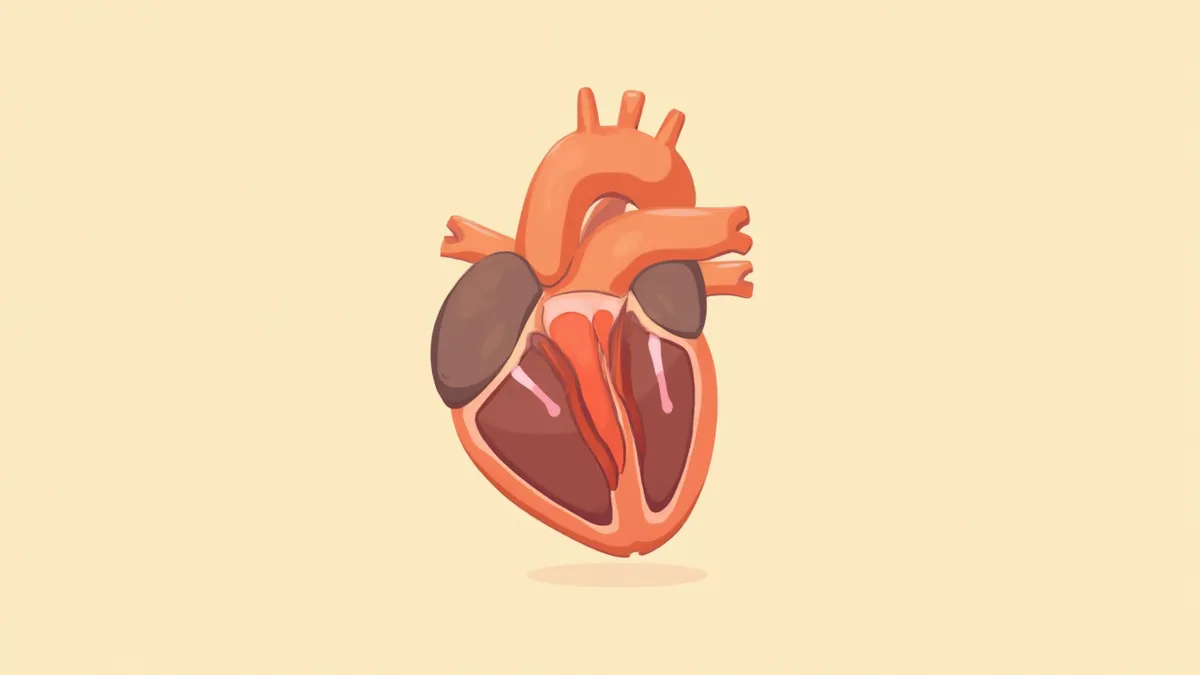
The heart structure of a dog with mitral valve disease, where the thickened valve causes blood to flow backward
Mitral valve insufficiency in dogs is a chronic heart disease in which the valve between the left atrium and left ventricle becomes thickened due to myxomatous degeneration, causing blood to leak backward. There are three key points to understand. First, it is the most common heart disease in dogs, typically developing gradually with age rather than being present at birth. Second, the asymptomatic latent period is often long, so the condition is frequently discovered incidentally during routine health checkups when a heart murmur is detected. Third, the severity is classified into ACVIM stages A through D, with treatment tailored to each stage. Even in the absence of clinical signs, it is important to confirm the disease stage through detailed diagnostic testing if a heart murmur is heard.

Causes and Pathogenesis

This disease begins with myxomatous degeneration of the mitral valve leaflets. As the valve thickens and becomes irregular, it fails to close properly, allowing some of the blood ejected from the left ventricle to leak backward into the left atrium (regurgitation). Puppies are born without any issues, but this degeneration progresses with age. Repeated regurgitation leads to volume overload, as the amount of blood entering the left ventricle increases. To cope with this, the heart enlarges through eccentric hypertrophy, effectively expanding its chambers. If this process continues for a long time, the heart eventually becomes exhausted, leading to heart failure.

Key Symptoms Checklist

If you notice any of the following symptoms, have your pet undergo a thorough cardiac evaluation.
Heart murmur: A murmur is audible on auscultation at the left cardiac apex. In the early stages, a murmur may be present without other clinical signs.
Coughing: Dry coughing or hacking that worsens with excitement or at night.
Respiratory changes: Rapid or labored breathing, even at rest.
Exercise intolerance: Reluctance to walk, easy fatigue, and collapsing.
Syncope and cyanosis: Sudden collapse or pale/bluish gums.
Symptoms of a dog with mitral valve insufficiency experiencing dry cough at night

Go to the Vet Immediately If You See These Symptoms

If your pet’s resting respiratory rate exceeds 30 breaths per minute, their tongue or gums turn blue, their breathing becomes labored, or they struggle more when lying down, they may be experiencing pulmonary edema (fluid in the lungs). Sudden collapse, a distended abdomen, or a sudden loss of appetite are also warning signs. This condition can become life-threatening within hours if left untreated, so seek immediate care at a 24-hour emergency animal hospital, even on nights or weekends.

How Is It Diagnosed at the Vet?

Diagnosis is carried out step by step.
Auscultation: A murmur heard at the left heart apex raises suspicion of mitral valve regurgitation.
Chest X-ray: This checks for an enlarged heart (cardiomegaly) and fluid in the lungs (pulmonary edema).
Echocardiogram: This precisely measures the degree of valve degeneration and regurgitation, as well as the size of the left atrium and left ventricle. It is the key test for determining the ACVIM stage.
These results are combined to determine the ACVIM stage (A–D) and guide treatment decisions.

Treatment by Stage — ACVIM Stages A to D

The American College of Veterinary Internal Medicine (ACVIM) guidelines (Keene et al., 2019) divide the condition into four stages.
Stage A: The dog belongs to a predisposed breed but shows no murmurs or structural changes yet. Regular check-ups are recommended.
Stage B1: A heart murmur is present, but the heart has not enlarged. Monitoring is advised.
Stage B2: Cardiac enlargement has been confirmed, and pimobendan treatment is initiated. The EPIC study (Boswood et al., 2016) demonstrated that pimobendan delays the onset of heart failure.
Stage C: Heart failure is already present. Diuretics (furosemide) and pimobendan are used together. Stage D represents the end-stage condition that does not respond well to medication.
A veterinarian diagnosing the stage of mitral valve insufficiency in dogs using an echocardiogram.

Home Care Tips

Home care is just as important as medication.
Monitor resting respiratory rate: Count and record the number of chest rises and falls per minute while your pet is sleeping. A rate exceeding 30 breaths per minute is a warning sign of pulmonary edema.
Adhere to medication schedules: Administer pimobendan and diuretics exactly as prescribed, without missing doses.
Low-sodium diet: Avoid salty treats and human food to reduce the burden on the heart.
Maintain a healthy weight: Obesity strains the heart, so please manage your pet’s weight carefully.
Avoid excessive excitement and heat: Prevent strenuous exercise and exposure to midday heat.
A pet owner carefully monitoring their dog’s heart health by counting its resting respiratory rate while it sleeps.

Breeds to Watch Closely

The risk increases with age and is higher in certain breeds. Cavalier King Charles Spaniels are at the highest risk, while small breeds such as Maltese, Poodles, Pomeranians, Chihuahuas, and Dachshunds are also prone to the condition. In terms of sex, males tend to develop the disease at an earlier age than females. For these dogs, it is advisable to have regular cardiac auscultation and check-ups every six to twelve months to monitor for any murmurs or changes, even if they are asymptomatic.

Reviewed by a veterinarian

Dr. Tony — Punnawat Phongkittirak

Dr. Tony — Punnawat Phongkittirak

Veterinarian

A veterinarian who majored in veterinary medicine at Khon Kaen University, Thailand, and completed the IVSA program at North Carolina State University in the United States. Drawing on clinical experience at animal hospitals, he works in the pet healthcare field and is dedicated to building a digital care environment that connects pet parents with veterinarians.

Frequently Asked Questions

My vet said my pet has a heart murmur. Does it really need to take medication?
If your dog is in Stage B1—meaning there are heart murmurs but no enlargement of the heart—we typically recommend monitoring the condition. However, once Stage B2 is confirmed, indicating that the heart has enlarged, starting pimobendan is recommended. The decision should be made after confirming the stage through an echocardiogram.
Is mitral valve insufficiency curable?
Medication can’t reverse mitral valve degeneration itself. However, appropriate treatment can delay the onset of heart failure and help keep symptoms stable for longer. Early detection and consistent management are key.
How do you measure the respiratory rate when your pet is at rest?
To check your dog’s breathing rate, count the number of chest rises and falls while they’re sleeping comfortably. Count one full breath as one inhale and one exhale. If the rate exceeds 30 breaths per minute, it could be a sign of pulmonary edema, so please contact your veterinarian.
Does frequent coughing always mean heart disease?
Coughing can be caused by conditions other than heart disease, such as tracheal collapse and respiratory disorders. However, an enlarged heart can press on the trachea and trigger coughing. If you also hear a heart murmur, it’s a good idea to have your pet undergo a cardiac examination.
What kind of medication is Pimobendan?
This medication strengthens the heart's pumping ability and dilates blood vessels to reduce the workload on the heart. The EPIC study demonstrated that using this drug in dogs with cardiomegaly at stage B2 delays the onset of heart failure.

Share

Related Guides

References

[1] Ljungvall I. and Häggström J., Myxomatous Mitral Valve Disease, in Textbook of Cardiovascular Medicine in Dogs and Cats

[2] Keene B.W. et al., ACVIM consensus guidelines for the diagnosis and treatment of myxomatous mitral valve disease in dogs, Journal of Veterinary Internal Medicine, 2019

[3] Boswood A. et al., Effect of Pimobendan in Dogs with Preclinical Myxomatous Mitral Valve Disease and Cardiomegaly: The EPIC Study, Journal of Veterinary Internal Medicine, 2016

This information is based on veterinary literature and does not replace diagnosis or treatment. Please consult a veterinarian for specific health concerns.

Metapet Co., Ltd. | CEO: Park Sung-yong | Business Reg. No. 417-88-02562 | Seoul, South Korea | Customer Center

Dog Mitral Valve Insufficiency: Cough Signs & When to See a Vet | Meongsiljang