Like
Share
멍실장
강아지 항문 주위 종양, 원인과 치료법 총정리

Dog Perianal Tumors: Causes and Treatments Summarized

ImmunityDiseasesMeongsiljang Veterinary Advisory Board

I’ve compiled the causes, symptoms, diagnosis, and treatment methods for perianal tumors in dogs, based on veterinary textbooks. Early detection and proper management are key to determining the prognosis.

What Are Perianal Tumors in Dogs?

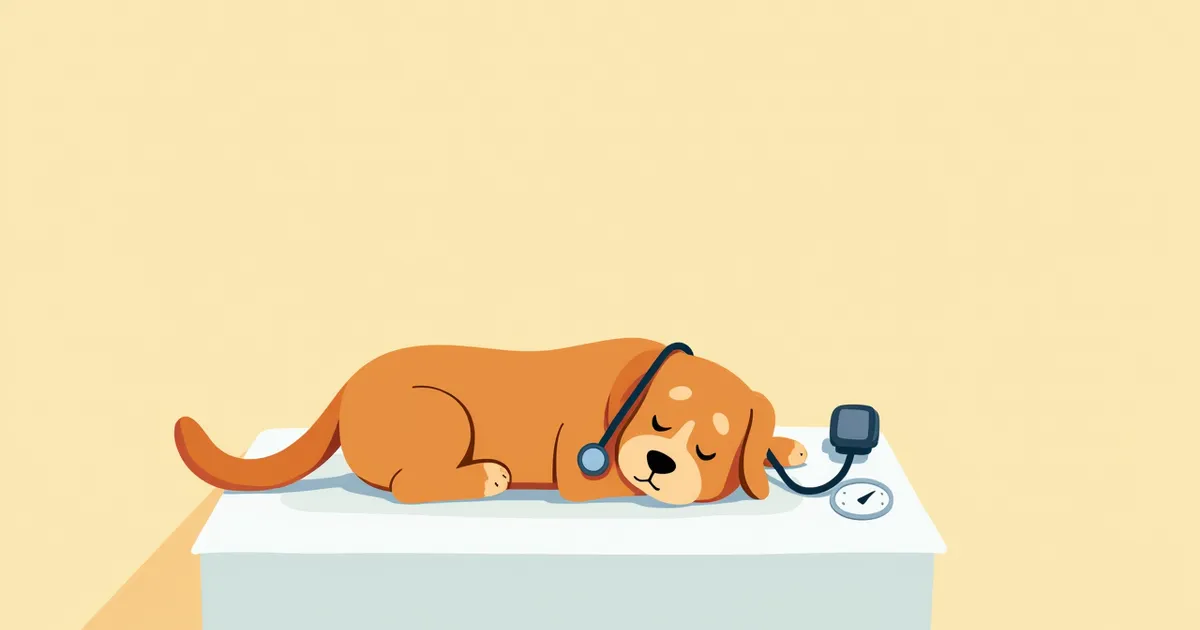
An elderly dog receiving a medical examination on the check-up table
Perianal tumors in dogs refer to both benign and malignant growths arising from the skin glands or anal sacs around the anus. Early detection is crucial for determining the prognosis. If you notice a hard lump around the anus, or if your dog struggles to defecate or passes blood-tinged stool, seek veterinary evaluation immediately. These tumors are especially common in intact male dogs and older dogs, and some can become malignant, spreading to the lymph nodes and lungs.

Why Do They Occur? — Causes and Pathogenesis

Perianal tumors fall into three main categories. First, perianal adenomas are benign growths that develop from modified sebaceous glands around the anus and are stimulated by androgens, such as testosterone. They occur overwhelmingly in intact male dogs. Second, anal sac adenocarcinomas are malignant tumors that primarily affect older dogs. Research findings on sex-based incidence vary, so no clear gender predisposition has been established. Because these tumors are not hormone-dependent, they must be suspected even in neutered males, and neutering does not prevent their development. Third, other rare malignant tumors, such as squamous cell carcinoma, can also arise in the anal sac and surrounding areas. Since the risk of tumor development increases with age, regular examination of the perianal region is especially important for senior dogs.

Symptoms to Watch For

We recommend an immediate veterinary checkup if any of the following signs recur:
Perianal mass: A small lump gradually enlarges or ruptures and bleeds.
Defecation difficulty: Straining or maintaining a squatting posture while exerting prolonged effort.
Hematochezia or mucoid stool: Bright red blood or sticky mucus appears on the surface of the stool.
Excessive licking: Continuously licking the perianal area or rubbing it against the floor.
Anorexia and weight loss: Systemic symptoms may accompany malignant cases.
Polydipsia and polyuria: If hypercalcemia is present, water intake increases and urine volume rises.
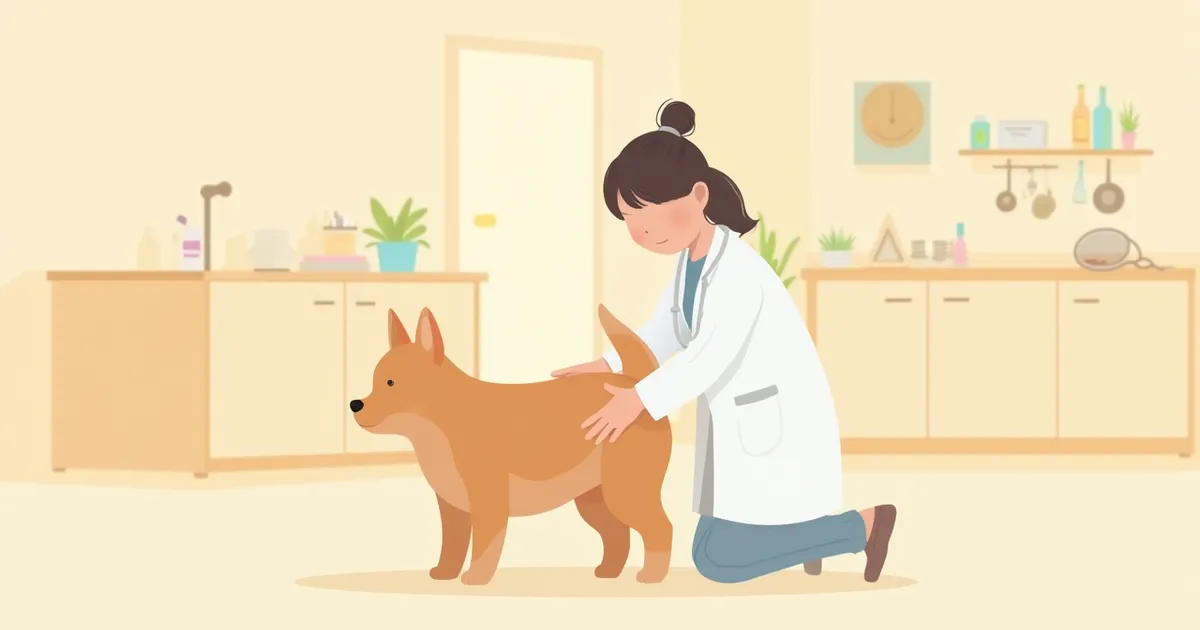
A pet owner checking around their dog's anus

Emergency Signs Requiring Immediate Veterinary Care

If your pet exhibits any of the following symptoms, seek veterinary care within 24 hours: bleeding that won’t stop or a mass that’s growing rapidly, inability to defecate for more than three days, or a sudden drop in energy accompanied by vomiting and dehydration. In particular, if your pet is drinking significantly more water than usual while showing signs of lethargy, this could indicate hypercalcemia—a potentially life-threatening complication of malignant tumors—and requires emergency attention.

How Is Diagnosis Performed at the Clinic?

Diagnosis proceeds in stages. First, a rectal exam (digital palpation) is performed to identify any masses in the anal sac area. Next, a fine-needle aspiration (FNA) is done to extract cells and determine whether the mass is benign or malignant. If malignancy is suspected, blood tests are conducted to check calcium levels, and abdominal ultrasound and thoracic radiographs are used to evaluate for metastasis to the lymph nodes and lungs. According to veterinary surgical oncology textbooks, anal sac adenocarcinoma can metastasize even when the primary tumor is small, making imaging studies essential.

Comparison by Tumor Type

ItemPerianal adenoma (benign)Anal sac adenocarcinoma (malignant)Squamous cell carcinoma (malignant)
Main affected groupIntact malesSenior dogs (sex predilection unclear)Senior dogs in general
Growth rateSlowFastModerate
Metastasis riskLowHigh (lymph nodes, lungs)Moderate
HypercalcemiaFalseTrueFalse
Effect of neuteringLarge effectNo effect (hormone-independent)No effect
PrognosisGoodGood with early detectionGood with early surgery

Actual diagnosis and treatment decisions require a veterinary examination.

Treatment Options — Surgery, Radiation, and Chemotherapy

Treatment varies depending on the type of tumor and whether it has metastasized.
Surgical excision: This is the most fundamental treatment. Benign adenomas have an excellent prognosis after removal.
Concurrent neutering: For benign adenomas, neutering male dogs alone can reduce tumor size or significantly lower the risk of recurrence.
Lymph node excision: For malignant anal sac adenocarcinomas, the subiliac lymph nodes are also removed.
Radiation therapy: This is applied to areas difficult to remove with surgery alone or to metastatic lymph nodes.
Chemotherapy: This is used as an adjunctive therapy when metastasis is confirmed.
A pet owner and their dog consulting with a veterinarian about a treatment plan

Home Care Points

Consistent care at home is essential for proper post-surgical recovery and preventing recurrence.
Wound care: Keep the Elizabethan collar on for at least two weeks to prevent licking.
Bowel movement support: A high-fiber diet helps prevent constipation, reducing pressure on the surgical site.
Weight management: Obesity is a major factor in recurrence and delayed healing.
Regular palpation: Once a month, gently feel around the anus to check for any new lumps.
Follow-up visits: For malignant tumors, imaging exams are recommended every 3 to 6 months.

Breed- and Situation-Specific Precautions

Cocker Spaniels are a breed in which anal sac apocrine gland adenocarcinoma (ASAC) is relatively well-documented. Alaskan Malamutes, Bulldogs, and Siberian Huskies are also breeds in which perianal adenocarcinoma is frequently suspected (German Shepherds, by contrast, are more closely associated with perianal fistulas than with anal sac tumors). Perianal adenomas have been reported in Cocker Spaniels, Pekingese, and Samoyeds, among others, with the risk being significantly higher in intact senior males; therefore, please request that perianal palpation be included in every routine health checkup. Even after surgery, new tumors can develop on the opposite side or in other locations, so vigilance remains essential even after successful treatment.

Reviewed by a veterinarian

Dr. Tony — Punnawat Phongkittirak

Dr. Tony — Punnawat Phongkittirak

Veterinarian

A veterinarian who majored in veterinary medicine at Khon Kaen University, Thailand, and completed the IVSA program at North Carolina State University in the United States. Drawing on clinical experience at animal hospitals, he works in the pet healthcare field and is dedicated to building a digital care environment that connects pet parents with veterinarians.

Frequently Asked Questions

Does neutering completely prevent anal tumors?
Neutering can significantly reduce the risk of developing benign perianal gland tumors. However, malignant anal sac adenocarcinomas are less hormone-dependent, so neutering alone does not prevent them. Regular palpation exams are essential.
What is the likelihood of recurrence after surgery?
Benign adenomas have a lower recurrence rate when spayed or neutered. Malignant anal sac adenocarcinoma may recur or metastasize within several months to one year even after complete surgical removal, so regular imaging examinations are necessary.
Can frequent expression of the anal glands help prevent tumors?
Regularly expressing the anal sacs can reduce the risk of inflammation and rupture, but it has not been proven to prevent tumors. Overly frequent or forceful expression can actually cause inflammation.
My dog is senior. Will he be able to tolerate surgery?
Age alone is not a reason to give up on surgery. By evaluating anesthesia risk through preoperative blood tests and cardiac exams, senior dogs can also recover well. Be sure to discuss this thoroughly with your veterinarian.
Could excessive water intake be related to an anal tumor?
Malignant anal sac adenocarcinoma can be accompanied by hypercalcemia, which may lead to symptoms of excessive thirst and urination. If you notice a lump around the anus along with a sudden increase in water intake, immediate veterinary examination is necessary.

Share

Related Guides

References

[1] Kudnig S.T., Séguin B., Veterinary Surgical Oncology, 2nd Ed, 2022

[2] Jackson H.A., Marsella R., BSAVA Manual of Canine and Feline Dermatology, 4th Ed, 2021

[3] Kim et al., Anal sac gland carcinoma in dogs, 2005

[4] Hammer et al., Retrospective study of perianal tumors in dogs and cats, 2001

This information is based on veterinary literature and does not replace diagnosis or treatment. Please consult a veterinarian for specific health concerns.

Metapet Co., Ltd. | CEO: Park Sung-yong | Business Reg. No. 417-88-02562 | Seoul, South Korea | Customer Center

Dog Perianal Tumors: Causes, Symptoms & Treatment | Meongsiljang