
Something’s Wrong in My Cat’s Mouth — Causes of Oral Fungal Infection and When to Treat
Feline oral fungal infections occur when fungi such as Candida proliferate in the mouth, causing inflammation. Symptoms include worsened bad breath, decreased appetite, and oral ulcers. Early diagnosis and appropriate treatment are essential.
Feline Oral Fungal Infections Are Inflammations Caused by Fungal Proliferation in the Mouth

The Main Causes Are Weakened Immunity and Antibiotic Use

Main Symptoms Include Worsened Bad Breath and White Spots in the Mouth

Signs That Require Immediate Veterinary Visit
If your cat refuses to eat entirely, won’t open its mouth, or has bleeding in the mouth, seek veterinary care immediately. These are signs of severe pain or spreading ulcers. Delaying treatment can lead to systemic infection.
Diagnosis Is Confirmed Through Oral Examination and Culture Testing
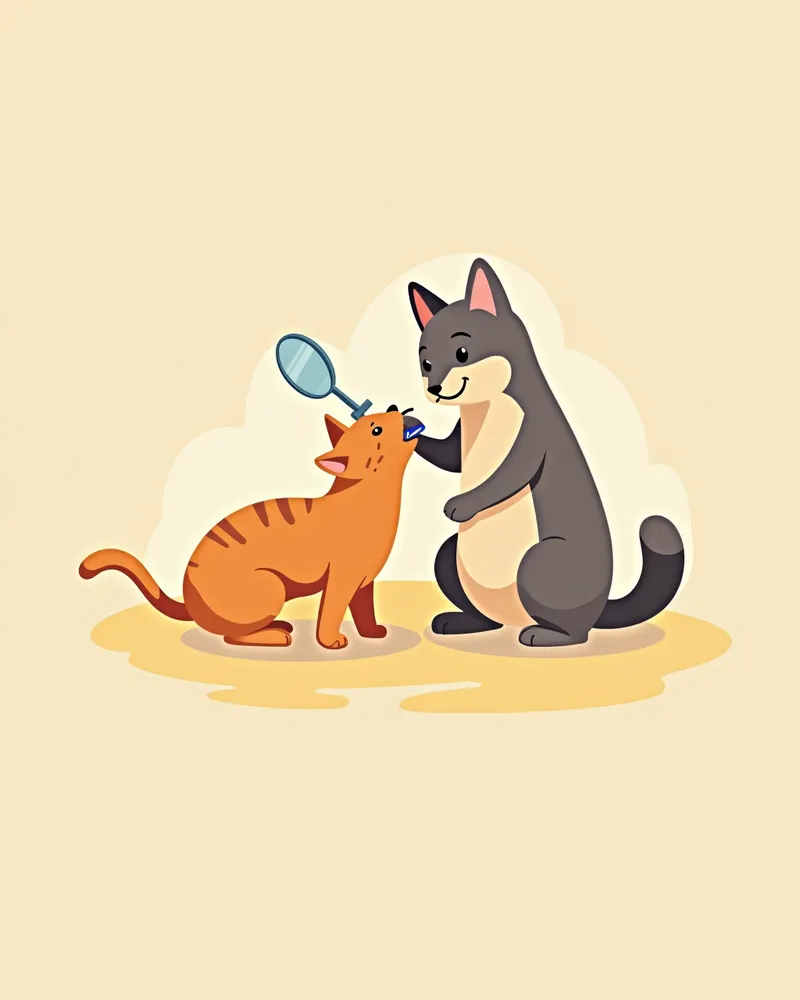
Treatment Involves Antifungal Medications and Oral Care

Home Care Focuses on Hygiene and Dietary Management
Senior Cats and Those With Weakened Immunity Require Special Attention
Senior cats and those with chronic conditions such as diabetes or kidney disease are more susceptible to oral fungal infections. Regular oral examinations and ongoing health monitoring are essential. Preventive care is also important to help prevent recurrence.
Reviewed by a veterinarian

Dr. Tony — Punnawat Phongkittirak
VeterinarianA veterinarian who majored in veterinary medicine at Khon Kaen University, Thailand, and completed the IVSA program at North Carolina State University in the United States. Drawing on clinical experience at animal hospitals, he works in the pet healthcare field and is dedicated to building a digital care environment that connects pet parents with veterinarians.
Reviewed 2026-06-07
Frequently Asked Questions
Are white spots in a cat’s mouth always a sign of a fungal infection?
My pet’s mouth seems off after taking antibiotics. Could it be a fungal infection?
Can oral fungal infections in pets be transmitted to humans?
Even after giving my pet medication, the symptoms aren’t improving. Why is that?
Can it be prevented?
Share
Related Guides

7 Best Cat Dental Chews for Tartar Prevention Recommended by Veterinarians and Selection Criteria

Top 5 Recommended Dental Treats for Dogs in 2026 — VOHC Certification Criteria

7 Criteria for Choosing Dog Tartar Prevention Dental Chews Recommended by Veterinarians
Complete Guide to Feline Liver Ultrasound — From Abnormal Findings to Diagnosis and Management Points
Complete Guide to Feline Liver Support Diets — What and How to Feed
How Dangerous Is Feline Liver Disease? — Interpreting Prognostic Indicators and Treatment Directions

My Cat Won’t Eat — Warning Signs of Fatty Liver (Hepatic Lipidosis) and When to Act
If Your Cat Keeps Vomiting and Refuses to Eat — Causes and Treatment Timing for Triaditis (Liver, Pancreas, Intestine)
Complete Guide to Dog Kidney Ultrasound: Costs, Process, and Timing for Result Interpretation
Our Puppy with Kidney Failure — When Peritoneal Dialysis Is Needed and Key Care Points
References
[1] Pesavento PA, Bannasch MJ, Bachmann R, et al. Fatal Streptococcus canis infections in intensively housed shelter cats. Vet Pathol. 2007;44(2):218–221.
[2] Pressler BM, Vaden SL, Lane IF, et al. Candida spp. urinary tract infections in 13 dogs and seven cats: predisposing factors, treatment, and outcome. J Am Anim Hosp Assoc. 2003;39(3):263–270.
[3] German AJ, Hall EJ, Day MJ. Chronic intestinal inflammation and intestinal disease in dogs, J Vet Intern Med 17:8, 2003.