Like
Share
멍실장
이부프로펜 중독 증상과 치료

Ibuprofen Poisoning Symptoms and Treatment

ImmunityDiseasesMeongsiljang Veterinary Advisory Board

Ibuprofen is a highly dangerous medication for both dogs and cats. Based on veterinary resources, we’ve compiled information on symptoms of toxicity, emergency response steps, treatment procedures, and prevention methods.

What is Ibuprofen Poisoning?
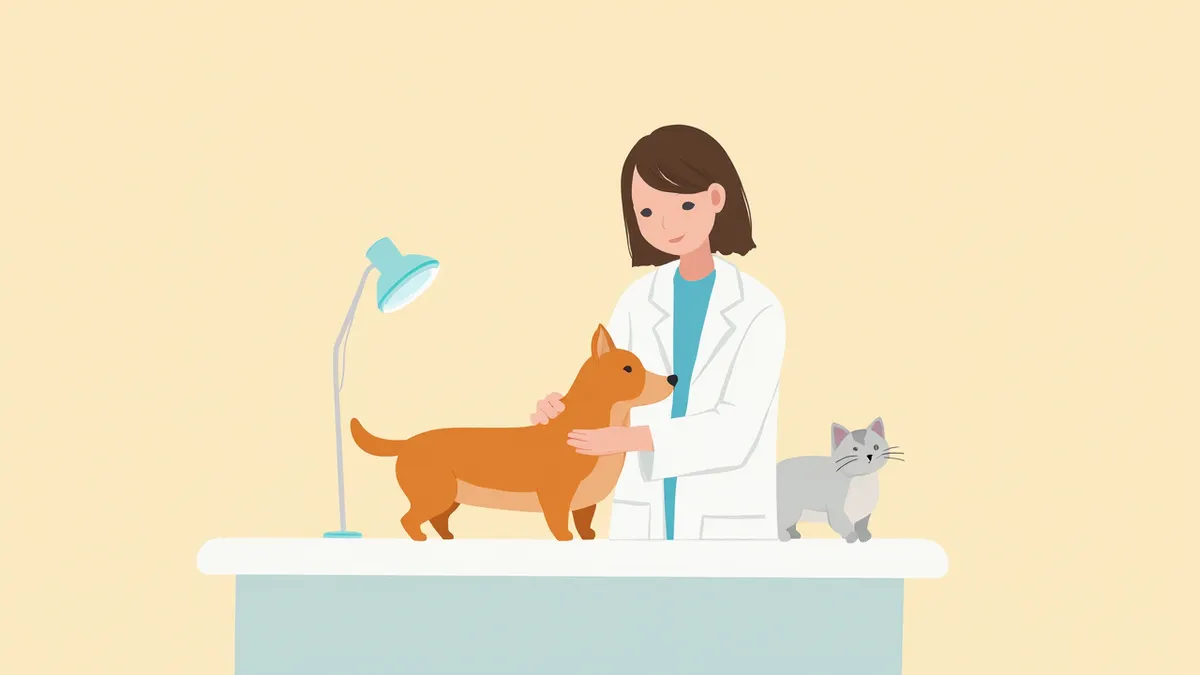
Dogs and cats receiving a check-up at the veterinary clinic
Ibuprofen poisoning occurs when pets ingest ibuprofen, a human pain reliever and anti-inflammatory drug, leading to damage in the gastrointestinal tract, kidneys, and central nervous system. The most critical factor is responding quickly after ingestion. Cats are far more sensitive than dogs and can develop severe poisoning from much smaller amounts, so if you suspect your cat has consumed even a small amount, seek veterinary care immediately.

Why is Ibuprofen Dangerous?

Ibuprofen works by blocking enzymes in the body, such as COX-1 and COX-2, that regulate inflammation and pain. Even small amounts can cause serious toxic reactions in pets because their gastrointestinal tract and kidneys are particularly vulnerable to this medication. Cats are especially sensitive to NSAID toxicity compared to dogs; according to veterinary toxicology textbooks, poisoning can occur in cats at doses roughly half of those considered toxic for dogs. In dogs, ingestion of 8 mg/kg or more can damage the gastrointestinal lining, over 100 mg/kg can cause acute kidney injury, and exceeding 400 mg/kg may lead to central nervous system abnormalities such as seizures and ataxia.

Main Symptoms of Ibuprofen Poisoning

Symptoms of ibuprofen poisoning appear progressively, depending on the amount ingested and the time elapsed.
Vomiting and diarrhea: These are typically the first signs, often beginning within 2 to 6 hours after ingestion.
Bloody or black, tarry stools: Damage to the gastrointestinal mucosa can result in stools containing blood or appearing black.
Loss of appetite: Due to gastrointestinal discomfort, pets may refuse food, drink only water, or stop eating altogether.
Decreased urine output: As kidney damage begins, urine production noticeably decreases.
Lethargy and ataxia: In severe cases of poisoning, pets may become extremely weak or stumble while walking.
A dog that is lethargic and drooping from weakness

Go to the Emergency Room Immediately if You See These Symptoms

Seizures, bloody vomiting, or altered consciousness are life-threatening emergencies. Similarly, a significant decrease in urine output is a serious sign of kidney damage. If you notice any of these symptoms, seek immediate care at a 24-hour emergency animal hospital without delay.

Diagnostic Process at the Veterinary Clinic

When you visit the veterinary clinic, the veterinarian will first check the type, amount, and time of ingestion of the medication. Next, blood tests will be conducted to assess kidney and liver values, and urine tests will be performed to evaluate kidney function. If gastrointestinal bleeding is suspected, additional abdominal X-rays or ultrasound examinations may be carried out. Providing accurate information about the name, dosage, and time of ingestion of the medication can greatly assist in determining the diagnosis and treatment plan.

Treatment Methods

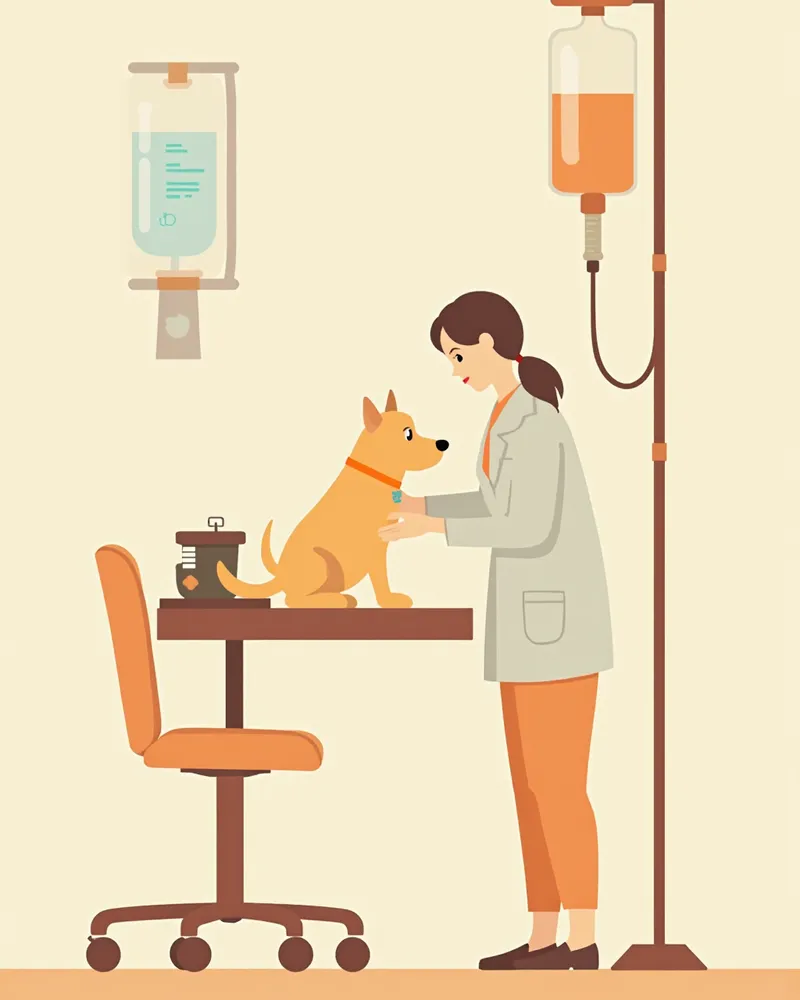
Treatment generally falls into two main categories: toxin removal and organ protection. Toxin Removal (Inducing Vomiting): If possible, vomiting is induced under veterinary guidance as soon as possible after ingestion to expel the medication from the stomach. Because effectiveness decreases over time, it is crucial to contact an animal hospital immediately upon confirming ingestion. Gastrointestinal Protection: Acid suppressants and gastric mucosal protectants are administered to prevent or treat ulcers. Fluid Therapy: Adequate fluids are provided to maintain blood flow to the kidneys and assist in toxin elimination. According to veterinary textbooks, initiating fluid therapy within 18 hours of ingestion leads to a better prognosis. Fluid therapy and gastrointestinal protective measures are the cornerstone of treating ibuprofen toxicity.
A puppy receiving intravenous fluid therapy

Post-Discharge Home Care Points

After discharge, continue giving your pet the prescribed gastrointestinal protectant exactly as directed by your veterinarian. For the first 2–3 days post-treatment, offer small, frequent meals of easily digestible, soft food. Monitor urine output and color daily, and contact the clinic immediately if vomiting or bloody stools reoccur. Be sure to have a follow-up blood test at the time recommended by your veterinarian to confirm that kidney values have returned to normal.
Soft foods for dogs recovering at home

Checklist for Preventing Medication Poisoning at Home

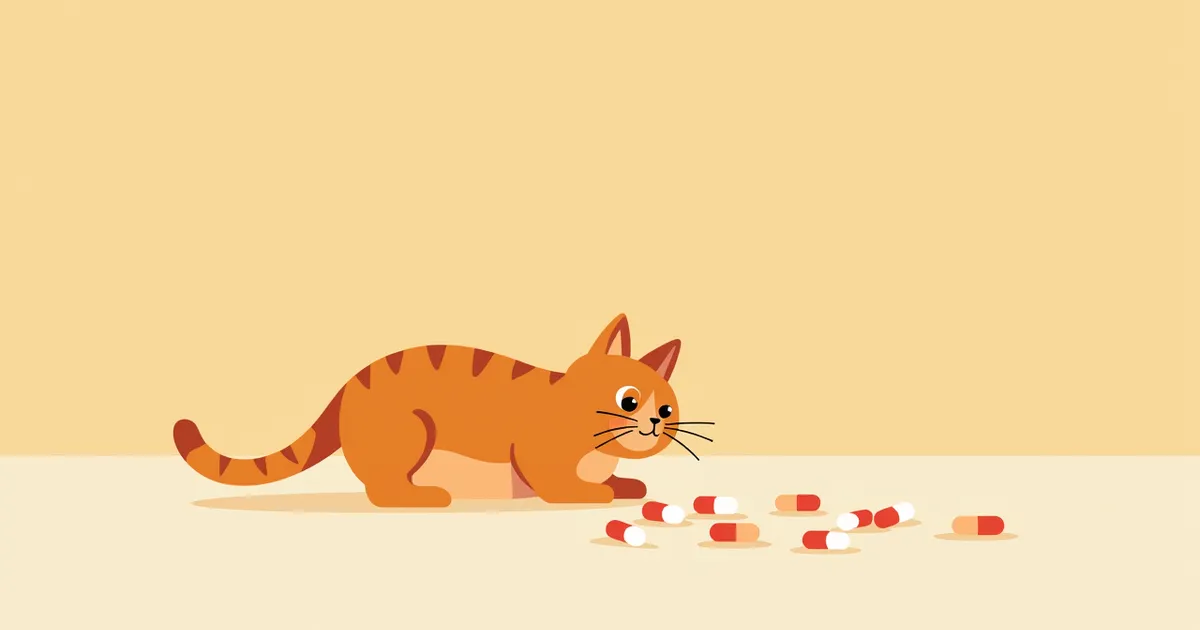
Store all human medications in drawers or cabinets that your pet cannot open. Accidental ingestion of pills dropped on the floor is the most common incident. Never administer human pain relievers to your pet based on your own judgment. In addition to ibuprofen, most human nonsteroidal anti-inflammatory drugs (NSAIDs), such as acetaminophen (Tylenol) and naproxen, are dangerous for pets.

Reviewed by a veterinarian

Dr. Tony — Punnawat Phongkittirak

Dr. Tony — Punnawat Phongkittirak

Veterinarian

A veterinarian who majored in veterinary medicine at Khon Kaen University, Thailand, and completed the IVSA program at North Carolina State University in the United States. Drawing on clinical experience at animal hospitals, he works in the pet healthcare field and is dedicated to building a digital care environment that connects pet parents with veterinarians.

Frequently Asked Questions

My dog ate one ibuprofen pill. Is it safe?
Even a single piece can be dangerous depending on your pet’s weight. Small-breed dogs and cats, in particular, may show signs of poisoning after ingesting just a small amount, so please contact your veterinarian immediately if you suspect your pet has eaten any.
Is it safe to induce vomiting at home?
Inducing vomiting on your own can be dangerous. It should only be done under a veterinarian's guidance to ensure safety. It's best to call the clinic for advice before bringing your pet in.
Why are cats considered more dangerous than dogs?
Cats are more sensitive to NSAID toxicity than dogs. According to veterinary toxicology textbooks, cats can exhibit signs of poisoning at doses that are only about half of those considered toxic for dogs. Therefore, even very small amounts can lead to severe poisoning.
How much does it cost to treat ibuprofen poisoning?
The cost can vary significantly depending on the severity of the poisoning, the length of hospitalization, and the specific tests required. For the most accurate estimate, we recommend contacting the veterinary clinic providing your pet's care directly.
Are pain relievers meant for humans dangerous for pets too?
Yes, most human anti-inflammatory and pain-relieving medications, such as acetaminophen (Tylenol), naproxen, and aspirin, are toxic to pets. You should never administer any of these medications to your pet without veterinary guidance.

Share

Related Guides

References

[1] Peterson ME, Talcott PA. Small Animal Toxicology, 3rd Edition. Blackwell's Five-Minute Veterinary Consult Clinical Companion. Wiley-Blackwell.

[2] Schaer M. Clinical Medicine of the Dog and Cat, 4th Edition. CRC Press.

[3] Plumb DC. Plumb's Veterinary Drug Handbook, 10th Edition. Wiley-Blackwell.

[4] Norsworthy GD et al. Feline Emergency and Critical Care Medicine, 2nd Edition. Wiley-Blackwell.

This information is based on veterinary literature and does not replace diagnosis or treatment. Please consult a veterinarian for specific health concerns.

Metapet Co., Ltd. | CEO: Park Sung-yong | Business Reg. No. 417-88-02562 | Seoul, South Korea | Customer Center

Ibuprofen Poisoning in Dogs & Cats: Symptoms & Treatment | Meongsiljang