Like
Share
멍실장
고양이 죽음 후 반려동물 슬픔 증상과 원인, 진단·치료와 관리 포인트 총정리

Comprehensive Guide to Grief Symptoms, Causes, Diagnosis, Treatment, and Management in Pets After a Cat’s Death

Brain & CognitionDiseasesMeongsiljang Veterinary Advisory Board

After a feline companion passes away, the remaining pets may exhibit signs of grief. Learn about common symptoms such as decreased appetite, lethargy, and increased vocalization, along with veterinary care strategies to support them.

What Is Pet Loss Grief?
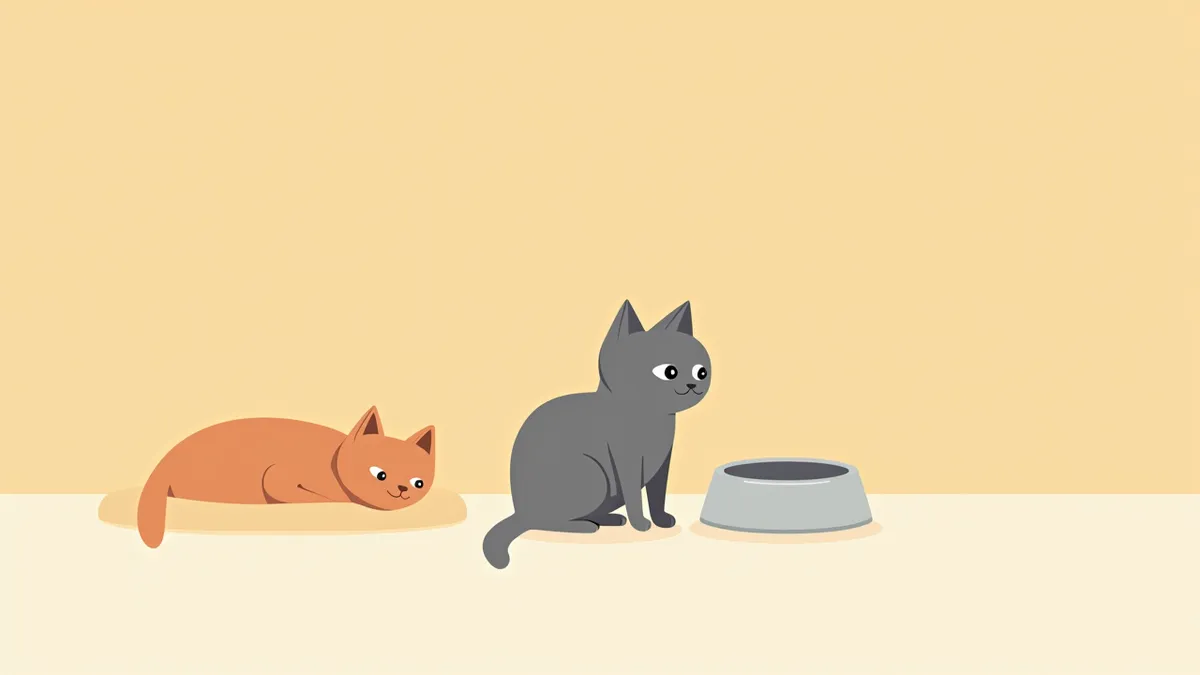
A cat sitting alone in front of an empty food bowl
Behavioral changes after the loss of a companion animal refer to the behavioral and emotional shifts that can occur in a surviving cat following the death of a fellow household pet. Veterinary behavior textbooks note that rather than directly proving the emotion of "grief," they explain that environmental changes, such as the disappearance of a cohabiting animal, can trigger stress and anxiety responses in cats. When these changes occur, the cat may sniff around the house searching for the missing companion, show a decreased appetite, or vocalize more frequently and loudly than usual. These signs should not be dismissed as mere moodiness but should be viewed as behavioral responses to stress that warrant veterinary attention. If the changes persist for an extended period or worsen, professional care is necessary.

Causes of Grief Responses

Cats often synchronize their daily rhythms by sharing sleeping spots, meal times, and living spaces with long-term companions. When a companion animal passes away, the familiar environment and routine change all at once. Veterinary behavior textbooks describe sudden environmental changes, such as moving, as a primary cause of anxiety and stress in cats. An empty sleeping spot, a missing food bowl, and shifts in the home’s scent and atmosphere can act as persistent stressors. Additionally, the owner’s grief and altered behavior patterns can further stress the remaining cat. Even minor environmental changes can accumulate and lead to behavioral issues.

Main Symptoms in Remaining Cats

If any of the following signs persist for more than a week, please consult your veterinarian.
Decreased appetite: Your pet leaves food uneaten or refuses to eat altogether.
Lethargy and reduced activity: They show no interest in favorite toys and lie down for extended periods.
Increased vocalization: They meow or cry much more frequently and loudly than usual.
Searching behavior: They sniff around the house, searching for other pets in the home.
Abnormal grooming: They groom excessively or, conversely, stop grooming entirely.
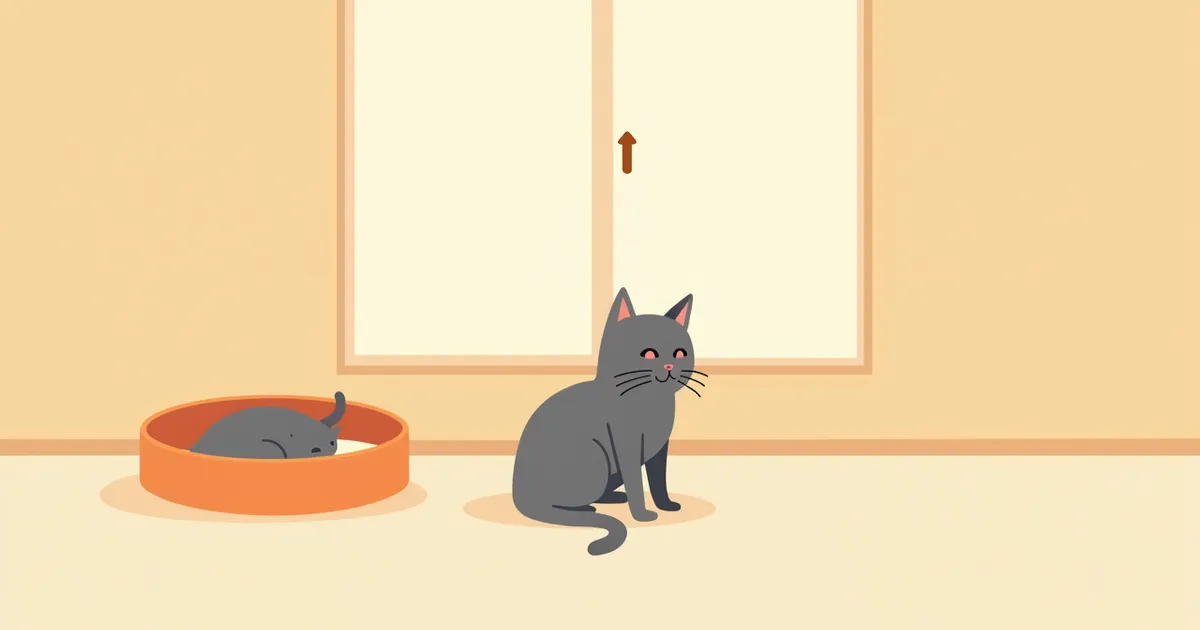
Hiding: They retreat to confined spaces, such as under the bed or inside a closet, and refuse to come out.
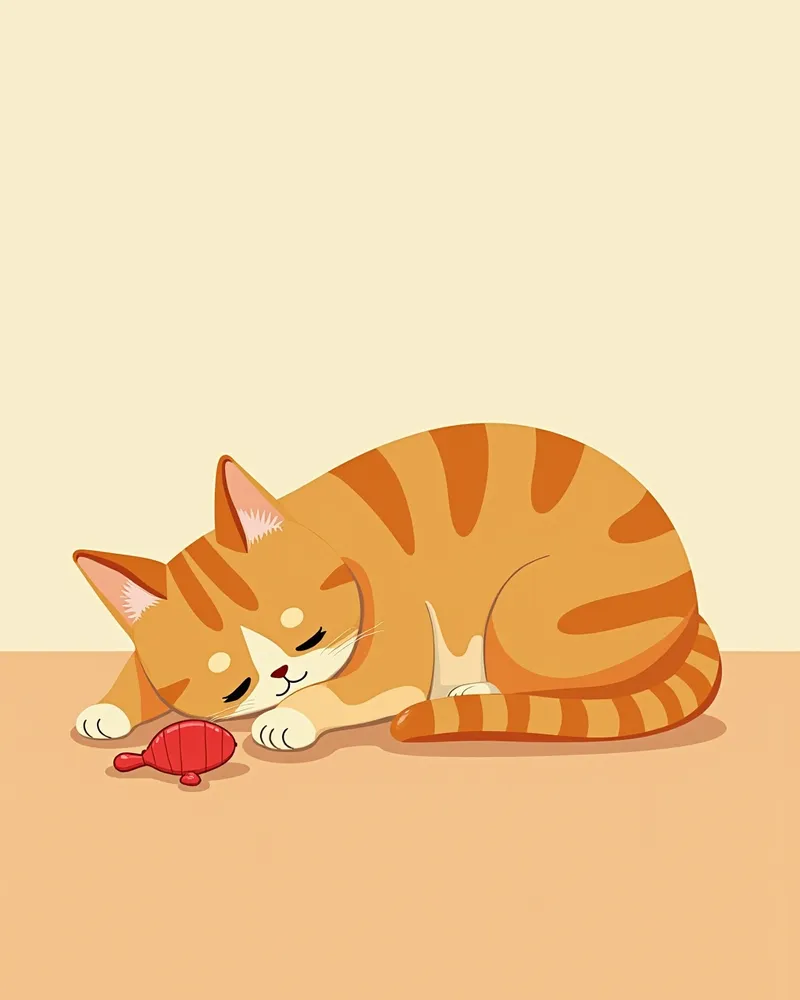
A cat lying listlessly, showing no interest in toys.

When to Go to the Vet Immediately

If your pet shows any of the following symptoms, they need to see a veterinarian the same day: • Not eating or drinking for more than 48 hours • Noticeable weight loss over a few days • Not using the litter box at all or eliminating in inappropriate places • Skin injuries due to excessive grooming • Seizures, collapsing, or altered consciousness

How Is It Diagnosed?

Veterinarians first perform a basic physical examination to distinguish grief responses from physical illnesses. They use blood tests, urinalysis, and thyroid hormone levels to rule out conditions that can cause similar symptoms, such as kidney failure, diabetes, and hyperthyroidism. If the medical history confirms that the symptoms began after the death of a companion animal, the condition is diagnosed as a behavioral response to pet loss. Because this diagnosis is made by ruling out other causes, it is essential to visit a veterinary clinic if any symptoms are present.

Treatment and Behavioral Support Methods
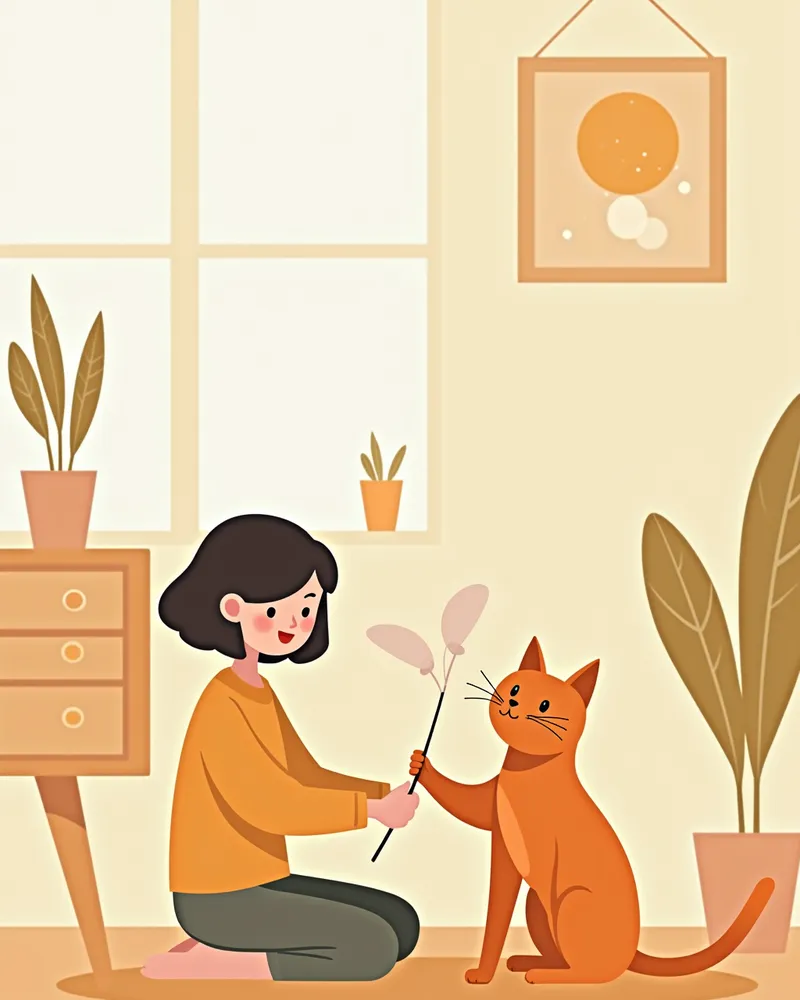
When a pet experiences behavioral changes after the loss of a companion, the foundation of care involves environmental and behavioral management, with medication used as an adjunct when necessary.
Environmental Enrichment: Increase daily stimulation with new toys and playtime, and create active spaces such as cat trees or window perches. Providing hiding spots where your pet can retreat is known to help alleviate stress.
Maintaining a Routine: Keeping consistent feeding and play schedules helps provide a sense of stability and security.
Environmental Aids: Products like synthetic pheromone diffusers can be used as supplementary tools, though their effectiveness may vary from individual to individual.
Medication: If symptoms are severe or persistent, a veterinarian may prescribe psychiatric medications such as anxiolytics. Please remember that medication is also an option for cats; always consult your veterinarian rather than administering any drugs on your own.
A cat playing with a toy alongside its owner.

Management Tips to Practice at Home

When your cat is hiding, avoid forcing it out and instead stay quietly nearby. It’s important to let the cat choose whether to approach you on its own terms, without any pressure. Introducing a new pet too soon can actually stress the remaining cat, so it’s best to wait until the surviving cat has fully stabilized before carefully considering adding a new family member. If you’re struggling with pet loss, seeking professional counseling can also be helpful. Acute grief in humans is recognized as a condition that requires management, and your own emotional well-being positively impacts your ability to care for your remaining cat.
A guardian quietly sitting beside a cat hiding under the bed, gently extending their hand.

If You Have Multiple Cats

When one cat passes away in a multi-cat household, the social dynamics among the remaining cats can shift. Changes in hierarchy may lead to new tensions or conflicts. If only cats that previously had poor relationships are left, you may need to separate their spaces and distribute resources (such as increasing the number of food bowls and litter boxes). Monitor each cat’s behavioral changes individually.

Reviewed by a veterinarian

Dr. Tony — Punnawat Phongkittirak

Dr. Tony — Punnawat Phongkittirak

Veterinarian

A veterinarian who majored in veterinary medicine at Khon Kaen University, Thailand, and completed the IVSA program at North Carolina State University in the United States. Drawing on clinical experience at animal hospitals, he works in the pet healthcare field and is dedicated to building a digital care environment that connects pet parents with veterinarians.

Frequently Asked Questions

Do cats really feel sadness?
Veterinary behavior textbooks don’t directly prove the emotion of “sadness,” but they do explain that environmental changes, such as the disappearance of a companion animal, can cause stress, anxiety, and distinct behavioral changes in cats. While it’s difficult to definitively say their experience is identical to human sadness, cats clearly exhibit behavioral responses as they adapt to loss and environmental changes.
How long does the grief response last?
Recovery time varies from cat to cat. While symptoms often gradually stabilize over time, it's essential to consult your veterinarian if they persist for an extended period or worsen.
Will adopting a new cat quickly help?
In fact, it could backfire. Introducing a new animal before the remaining cat has settled down may increase stress, so we recommend waiting until the cat is fully adjusted before making a careful decision.
Does showing a deceased animal’s body help?
The claim that showing a deceased pet’s body reduces searching behavior is not a fact confirmed in veterinary textbooks. Since its effectiveness has not been consistently proven, it’s best not to rely on it as a definitive solution. Instead, consult with your veterinarian to make a careful, situation-specific decision.
How can you tell the difference between a grief response and a physical illness?
Symptoms alone aren't enough to tell them apart. It's essential to have a vet check your pet to rule out underlying medical conditions like kidney disease, diabetes, or hyperthyroidism first.

Share

Related Guides

References

[1] Silverstein DC, Hopper K. Small Animal Critical Care Medicine, 3rd Edition. Elsevier, 2022.

[2] Little SE. The Cat: Clinical Medicine and Management, 2nd Edition. Elsevier, 2023.

[3] Lindemann E. Symptomology and management of acute grief. Am J Psychiatry 101:141-148, 1944.

[4] Shear MK. Complicated grief treatment: the theory, practice and outcomes. Bereave Care 29(3):10-14, 2010.

This information is based on veterinary literature and does not replace diagnosis or treatment. Please consult a veterinarian for specific health concerns.

Metapet Co., Ltd. | CEO: Park Sung-yong | Business Reg. No. 417-88-02562 | Seoul, South Korea | Customer Center

Pet Grief After a Cat's Death: Symptoms, Causes & Care Guide | Meongsiljang