Like
Share
멍실장
고양이 여름 더위 관리·열사병 예방 증상과 원인, 진단·치료와 관리 포인트 총정리

Comprehensive Guide to Feline Summer Heat Management, Heatstroke Prevention, Symptoms, Causes, Diagnosis, Treatment, and Care Points

Lifestyle & Age CareDiseasesMeongsiljang Veterinary Advisory Board

Feline heatstroke is a serious condition that occurs when cats struggle to regulate their body temperature in hot environments. Prevention and early intervention are key to saving lives.

Feline heatstroke is an emergency whose severity depends on the environment and owner management.
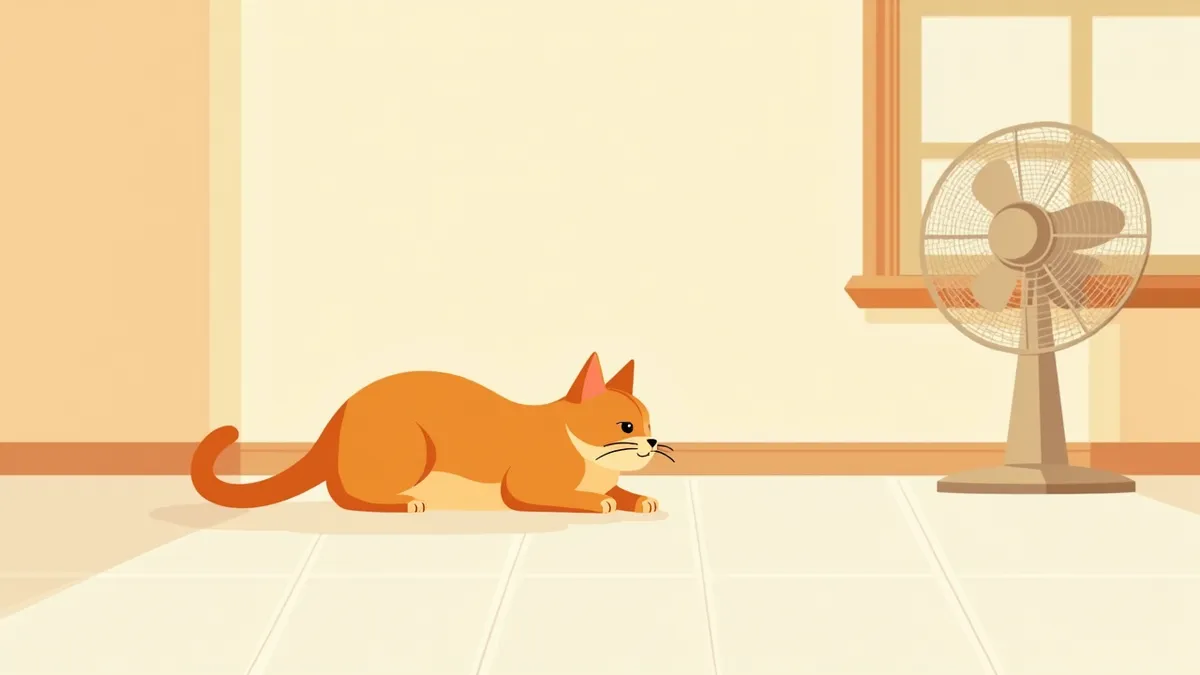
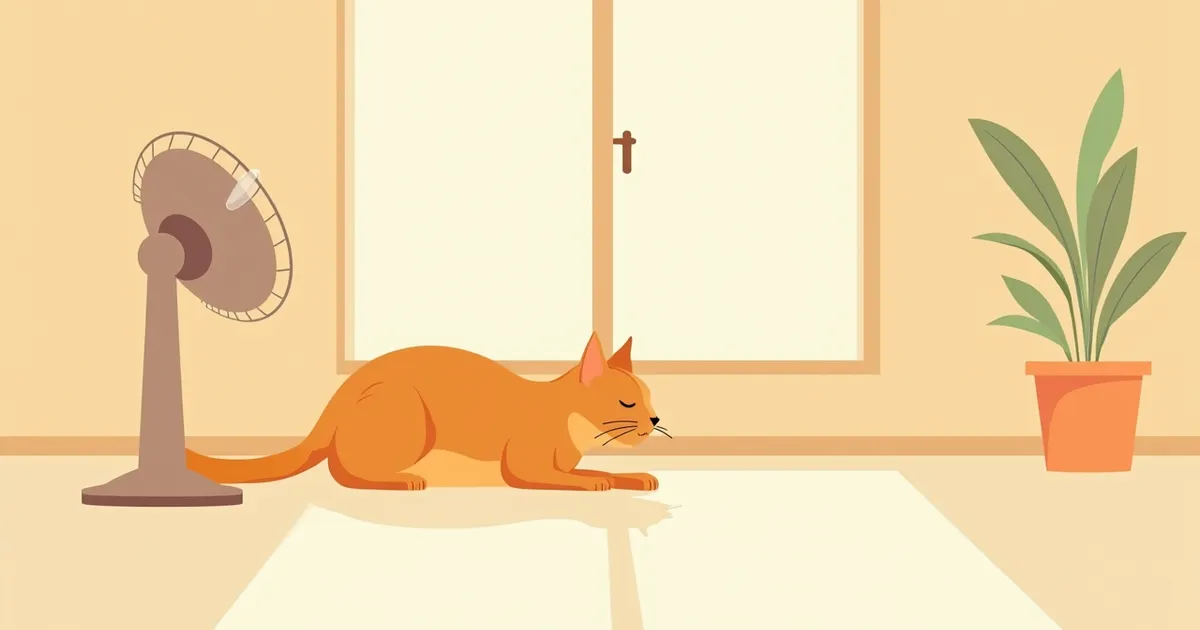
A cat resting comfortably on a cool tiled floor.
Feline heatstroke is a serious emergency that occurs when a cat is exposed to high temperatures while its ability to regulate body temperature is compromised. Cats are generally more heat-tolerant than dogs, so heatstroke caused by exercise or typical hot weather is relatively rare. However, the most common and dangerous cause in cats is being trapped inside a running dryer. Breeds with short muzzles or narrow airways are especially vulnerable, as their body temperature can rise rapidly. - Exposure to high temperatures: While direct sunlight in a room or the interior of a vehicle poses risks, being trapped inside an operating dryer is the most dangerous scenario. - Limited thermoregulation: Cats do not lose much salt through sweat, which limits their ability to cool down. - High-risk groups: Cats with narrow nostrils or airways, short-muzzled breeds, and those with thick coats struggle to dissipate heat and are more susceptible. - Prevention-focused care: It is essential to keep indoor environments well-ventilated and cool, provide fresh water at all times, and block access to dryers. Early recognition and prompt action are critical to survival, so special attention is required.

The causes of heatstroke are determined by environmental factors and the cat's physiological characteristics.

The primary cause of heatstroke in cats is being trapped in a hot environment where they cannot cool down. Because cats are naturally curious and seek out warm spots, a common and dangerous scenario is them entering a dryer and becoming trapped. If a cat gets stuck inside a running dryer, their body temperature can spike rapidly, potentially leading to burns and other injuries. - Trapped in a dryer: This is the most dangerous risk due to a cat’s curiosity and tendency to seek warmth. - Hot environments: Leaving a cat for extended periods in a room with direct sunlight or in a poorly ventilated vehicle can also be hazardous. - Physiological limits: Cats have limited ability to regulate their body temperature because they do not release much salt through sweat. - High-risk groups: Breeds with narrow nostrils or short snouts, as well as cats with thick coats, struggle to cool down and are more vulnerable. - Prevention and care: It is essential to maintain an appropriate indoor temperature, provide frequent access to water, ensure good ventilation, and prevent access to dryers. Early recognition and prompt action are key to saving a life.
A long-haired cat panting to catch its breath in a warm indoor environment

The main symptoms of heatstroke are key signals for early recognition to save lives.
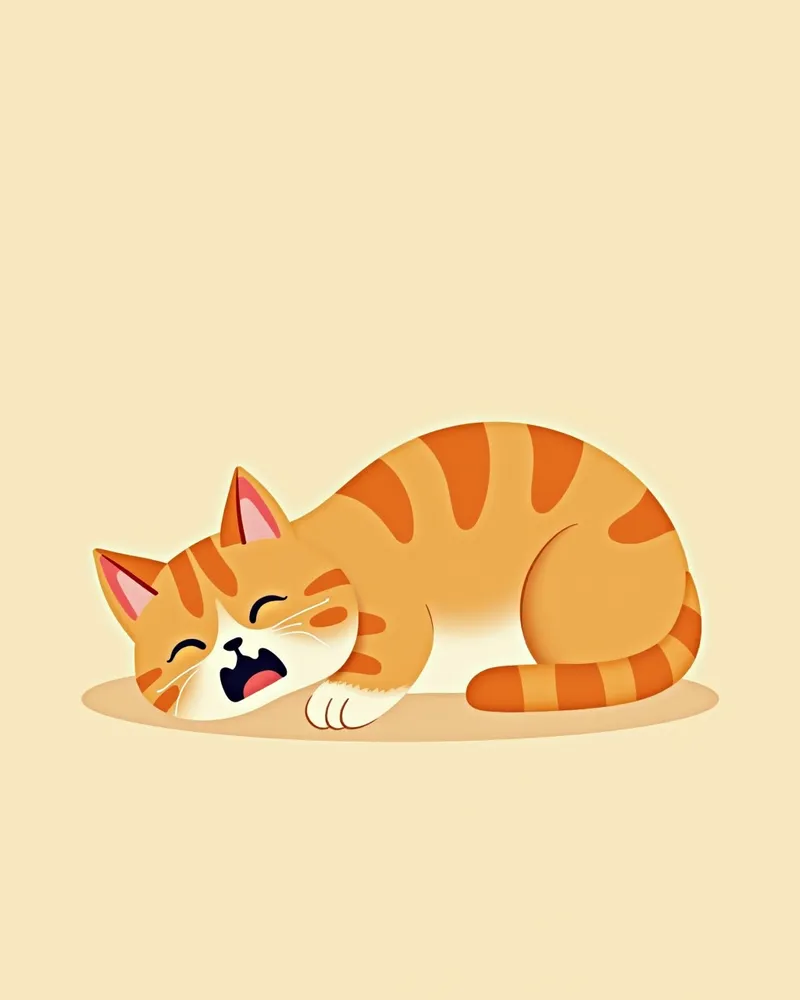
The early signs of heatstroke in cats include excessive panting, lethargy, muscle tremors, restlessness, and seizures. As the condition progresses, more severe symptoms such as decreased consciousness, irregular heartbeat, low blood pressure, febrile seizures, and abnormal blood clotting may occur, all of which can be life-threatening. - Excessive panting: Rapid, labored breathing is often one of the first warning signs. - Decreased consciousness: If your cat appears unresponsive or disoriented, seek veterinary care immediately. - Abnormal physical responses: Persistent tremors, seizures, or lethargy should raise suspicion of heatstroke. - Immediate action: If symptoms appear, transport your cat to a veterinarian right away and begin cooling measures. Early intervention is critical to survival.
A cat showing symptoms of heatstroke appears to be in distress.

Emergency signs requiring immediate veterinary visit

If your pet appears disoriented or unresponsive, seek veterinary care immediately. Additionally, rapid breathing or a body temperature exceeding 40°C constitutes a life-threatening emergency requiring immediate intervention.

Diagnosis is accurately performed through temperature measurement and in-clinic tests.
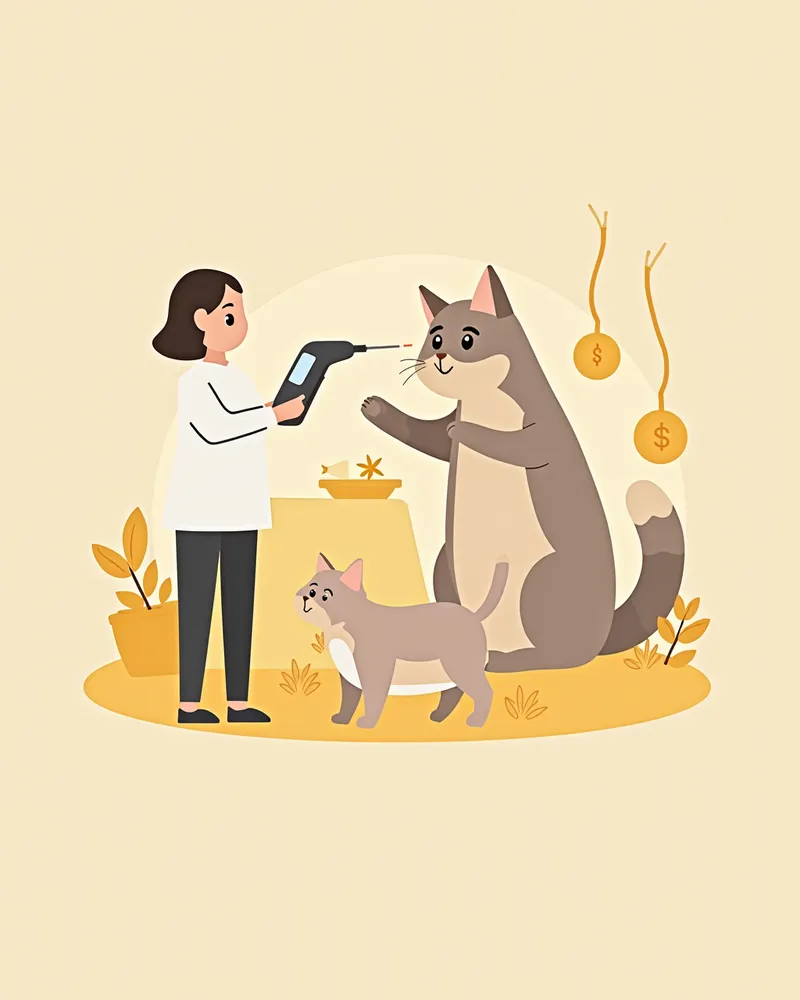
Veterinarians accurately measure a cat’s body temperature and run blood tests to check for liver dysfunction, kidney damage, and coagulation abnormalities. - Temperature measurement: Rectal temperature is the most accurate way to measure core body temperature, so if heatstroke is suspected, rectal temperature should be checked to confirm elevation. A rectal temperature above approximately 39.2°C (102.6°F) is considered elevated. - Blood tests: These are essential for assessing liver and kidney function, electrolyte imbalances, and coagulation disorders (such as thrombocytopenia). - Electrocardiogram (ECG): Repeated ECG evaluations help detect cardiac rhythm abnormalities and identify heart complications early. - Imaging studies: When necessary, abdominal ultrasound or chest and skeletal X-rays are used to evaluate organ damage and trauma. - Comprehensive assessment: Results from multiple tests are combined to accurately diagnose the severity of heatstroke and any associated complications.
A veterinarian measuring a cat's body temperature.

Treatment must involve rapid cooling and fluid therapy.

The cornerstone of heatstroke treatment is steadily lowering the body temperature. Recommended cooling methods include moving the pet to a cool, air-conditioned area, wetting the body with cool water, and using a fan to promote heat dissipation. For pets with thick coats, trimming the fur can help facilitate cooling. - Cooling methods: Applying ice packs directly to the body is not recommended. Convection cooling by wetting the body and using a fan is safer. - Avoid overcooling: Stop cooling once the body temperature drops to near normal (approximately 39.4°C) to prevent hypothermia. - Fluid therapy: Actively administer intravenous fluids to improve blood circulation and correct dehydration and metabolic acidosis. - Organ protection: Continuously monitor blood pressure and ECG to prevent damage to vital organs such as the liver, kidneys, and heart. Consider hepatoprotective agents or plasma transfusions if necessary. - Professional care: All treatments must be conducted under veterinary supervision; do not attempt home remedies. Continued observation and care are required for a period after treatment.
A veterinarian applying a cold pack to a cat’s body

Home care focuses on temperature regulation and hydration.

Move your cat to a cool indoor space and ensure the room is well-ventilated and properly cooled with fans or air conditioning. Avoid high-temperature environments such as hair dryers or vehicles at all costs. - Indoor Environment Management: Avoid areas near windows with direct sunlight and choose well-ventilated spots. - Hydration: Always provide fresh, ample water, and consider placing multiple water bowls around the house. - Coat Care: Regularly brush long-haired cats to aid in temperature regulation and prevent heat buildup within the fur. - Weight Management: Obesity strains the body’s ability to regulate temperature, so maintain a healthy weight through proper diet and exercise. - Prevention-Focused Approach: Daily care is the most effective way to prevent heatstroke.
A cat drinking water in a cool indoor environment.

Certain breeds are more vulnerable to heatstroke.

Cats with short noses (brachycephalic breeds) or those with narrow nostrils and airways struggle to cool down, making them especially vulnerable to heat. The risk increases further if they have an elongated soft palate or laryngeal dysfunction. Additionally, cats with thick coats that hinder heat dissipation face significant challenges in regulating their body temperature. These cats require special care in hot environments.

Reviewed by a veterinarian

Dr. Tony — Punnawat Phongkittirak

Dr. Tony — Punnawat Phongkittirak

Veterinarian

A veterinarian who majored in veterinary medicine at Khon Kaen University, Thailand, and completed the IVSA program at North Carolina State University in the United States. Drawing on clinical experience at animal hospitals, he works in the pet healthcare field and is dedicated to building a digital care environment that connects pet parents with veterinarians.

Frequently Asked Questions

Can cats die from heat on hot days?
Yes, prolonged exposure to high temperatures, or conditions that impair thermoregulation—such as respiratory airway issues or obesity—can lead to fatal heatstroke. Immediate veterinary care is essential.
Is it okay if there’s no air conditioner indoors?
If you don’t have air conditioning, keep the room well-ventilated and cool by using fans, opening windows, and providing cooling mats. Be sure to avoid high-temperature environments, such as hair dryers or cars.
Which cat breeds are more susceptible to heat?
Brachycephalic cats with short snouts, as well as those with narrow nostrils or airways, struggle to cool down and are therefore more vulnerable to heat. Cats with elongated soft palates or laryngeal issues, along with those having thick coats, may also have difficulty regulating their body temperature.
What should I do at home if I suspect my pet has heatstroke?
Move your pet to a cool, well-ventilated area immediately, dampen their body with cool water, and use a fan to help dissipate heat. Do not apply ice packs directly to the skin. Most importantly, seek veterinary care as soon as possible, and once their body temperature approaches normal levels, stop the cooling process to prevent hypothermia.
What preparations should I make to prevent it?
Keep your indoor environment well-ventilated and cool, always provide fresh water, and take care of grooming and weight management. Also, block access to hair dryers and vehicles, and have an air conditioner or fan ready.

Share

Related Guides

References

[1] Small Animal Critical Care Medicine, 3rd Ed, Kenneth J. Drobatz, 2023

[2] The Dog Care Handbook, Things I Wish My Vet Had Told Me, 2022

[3] Blackwell's Five-Minute Veterinary Consult Clinical Companion, Small Animal Toxicology, 3rd Edition, 2021

This information is based on veterinary literature and does not replace diagnosis or treatment. Please consult a veterinarian for specific health concerns.

Metapet Co., Ltd. | CEO: Park Sung-yong | Business Reg. No. 417-88-02562 | Seoul, South Korea | Customer Center

Cat Summer Heat & Heatstroke: Symptoms to Prevention | Meongsiljang