Like
Share
멍실장
강아지 기흉 증상과 원인, 진단·치료와 관리 포인트 총정리

Canine Pneumothorax: Symptoms, Causes, Diagnosis, Treatment, and Management Essentials

RespiratoryDiseasesMeongsiljang Veterinary Advisory Board

Canine pneumothorax is an acute condition in which air accumulates around the lungs, making breathing difficult and causing sudden respiratory distress and coughing. Early diagnosis and appropriate treatment are key to saving your dog’s life.

Canine pneumothorax is an acute condition in which air accumulates around the lungs, making breathing difficult.
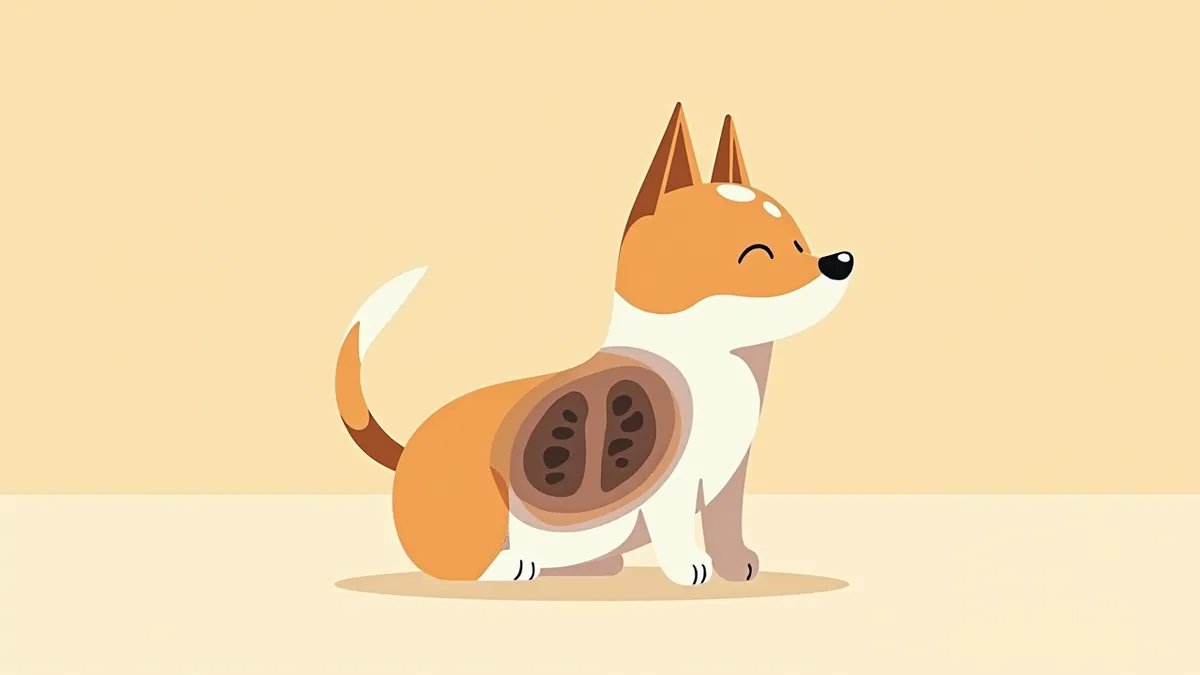
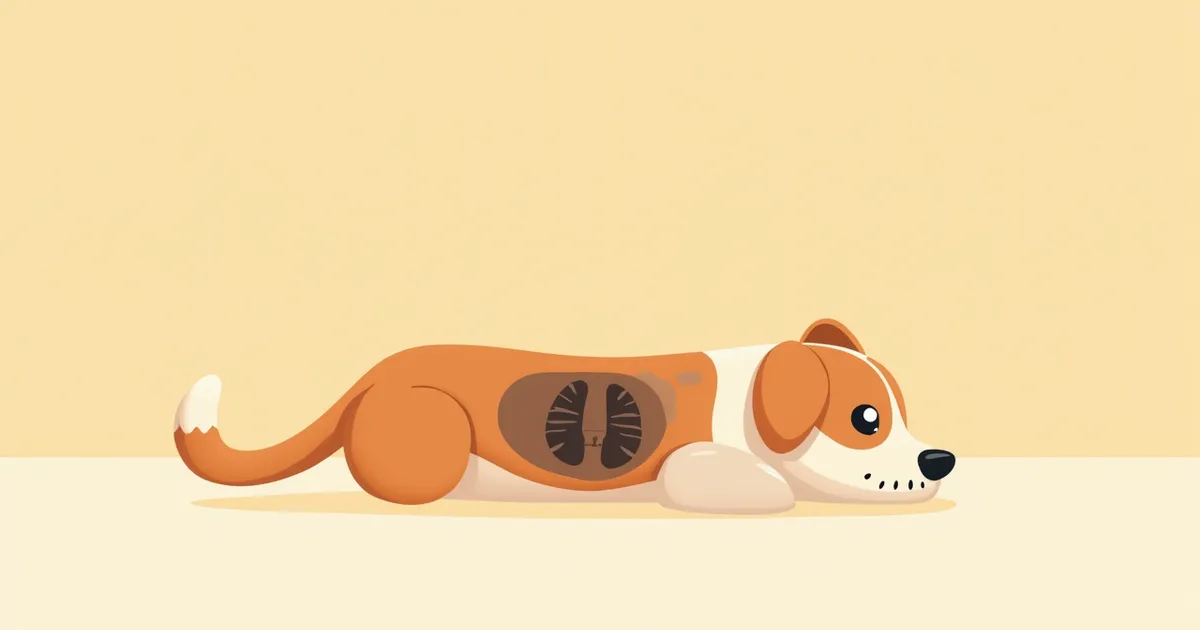
In a dog with pneumothorax, chest X-rays show air accumulation around the lungs.
Canine pneumothorax is an acute condition in which air abnormally accumulates in the pleural cavity surrounding the lungs, preventing proper lung expansion and causing respiratory distress. It can result from various causes, such as trauma or lung tissue lesions. If your dog suddenly shows rapid breathing, open-mouth panting, or bluish discoloration of the lips or oral mucosa, seek veterinary care immediately. - Causes of pneumothorax: Air often leaks into the pleural cavity due to trauma or lung tissue lesions such as blebs or bullae. - Symptoms of pneumothorax: Typical signs include respiratory distress, coughing, lethargy, and discoloration of the lips. - Diagnosis of pneumothorax: A chest X-ray is used to confirm air accumulation, along with blood tests and oxygen saturation measurements. Early detection and appropriate treatment significantly improve survival rates.

The main causes of pneumothorax include trauma, lung disease, and genetic factors.

One of the main causes of pneumothorax in dogs is trauma. Blunt force injuries, such as those from car accidents, falls, or strong impacts, often cause lung lacerations or allow air to leak into the thoracic cavity. Spontaneous pneumothorax, which occurs without trauma, is most commonly caused by the rupture of structural abnormalities like pulmonary blebs or bullae. It can also result from underlying lung diseases such as pneumonia, parasitic infections, or tumors. Accurate diagnosis requires imaging and laboratory tests. - Traumatic pneumothorax: Occurs when blunt trauma (e.g., car accidents) or penetrating injuries (e.g., bites, gunshot wounds, or impalement) damage the lungs or allow air to enter the thoracic cavity. - Non-traumatic (spontaneous) pneumothorax: Pulmonary blebs and bullae are the most common causes, though conditions like pneumonia, parasitic infections (e.g., Paragonimus), and tumors may also be involved. - Structural lesions: The presence of pulmonary blebs or bullae can lead to pneumothorax even without trauma. Veterinarians perform detailed examinations to accurately identify the underlying cause.
Causes of Canine Pneumothorax: Trauma and Lung Diseases

The main symptoms of pneumothorax include respiratory distress, coughing, and lethargy.

The most common sign of pneumothorax in dogs is sudden difficulty breathing. You may notice your dog panting with its mouth open and its chest rising and falling rapidly. Coughing, lethargy, and bluish discoloration of the lips or inside of the mouth are also frequently observed. In severe cases, the condition can progress to shock or loss of consciousness. Coughing may occur due to irritation of the lungs or airways, while lethargy results from oxygen deprivation and rapid depletion of energy. - Difficulty breathing: The compressed lungs cannot take in air properly. - Coughing: Caused by irritation of the airways or lungs. - Lethargy: Activity levels drop sharply due to energy depletion and lack of oxygen. - Discoloration of the lips: This is a sign that blood is becoming darker due to insufficient oxygen supply. If any of these symptoms appear, immediate veterinary care is essential.
Symptoms of pneumothorax in dogs: difficulty breathing, blue lips

Emergency signs requiring immediate veterinary visit

If your dog suddenly starts panting with its mouth open, shows blue discoloration of the lips or inside the mouth, or appears as if it might collapse, you should go to the vet immediately. This could be a sign that the pneumothorax has worsened and the lung has completely collapsed. The longer you wait, the greater the threat to life, so contact your nearest veterinary clinic right away.

Comparison of pneumothorax types and treatment methods

ItemCauseTreatmentPrognosis
Traumatic pneumothoraxBlunt trauma such as car accidents, penetrating trauma (bites, gunshot wounds, thorn punctures, etc.)Thoracocentesis, chest drainage tube (can maintain negative pressure)Good
Spontaneous pneumothoraxPulmonary blebs/bullae, pneumonia, parasitic infection (Paragonimus, etc.), tumorThoracocentesis, chest drainage tube, lung lobectomy if neededFair (good with surgery, frequent recurrence with medication alone)
Tension pneumothoraxLung tissue or pleura acts like a one-way valve, causing air to continuously accumulate in the thoracic cavityEmergency thoracocentesis and chest drainage tube placement (life-saving procedure)Immediate treatment needed (critical if delayed)

Treatment methods vary depending on the severity and cause of symptoms. Consult with a veterinarian to decide.

Pneumothorax is diagnosed through chest X-rays and blood tests.
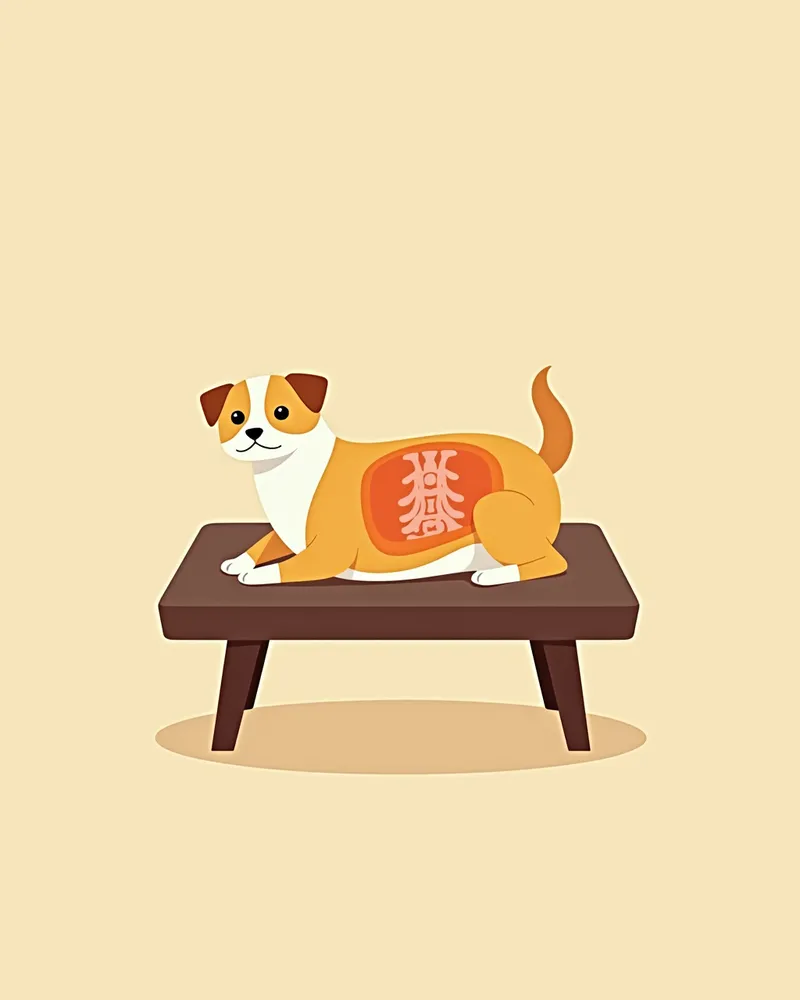
A pneumothorax can be accurately diagnosed through a chest X-ray, which clearly shows air accumulating around the lungs, causing them to collapse or air to pool in the chest cavity. - Chest X-ray: This is the key diagnostic tool for confirming the presence and severity of a pneumothorax. - Blood tests: These help check for infections and assess overall health. - Oxygen saturation measurement: This evaluates the severity of respiratory compromise. Your veterinarian will combine imaging findings, clinical symptoms, and test results to make an accurate diagnosis. Early diagnosis significantly improves treatment success rates.
Diagnosing pneumothorax in dogs: during chest X-ray imaging

The key to pneumothorax treatment is air removal and addressing the underlying cause.
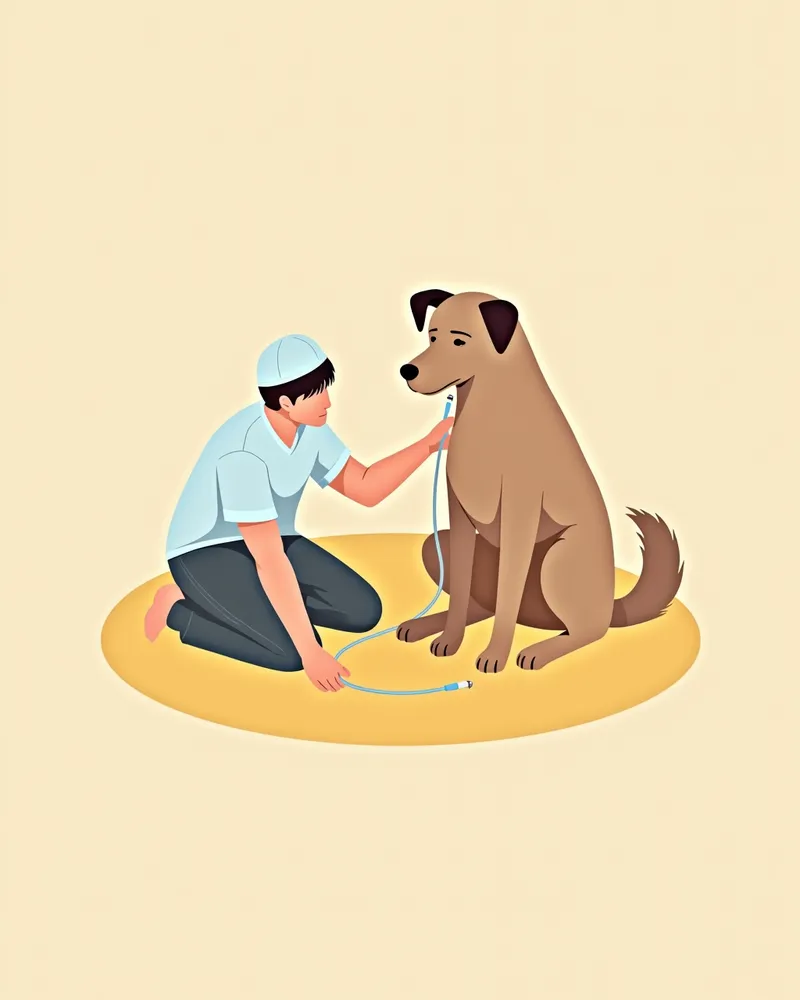
The cornerstone of pneumothorax treatment is removing the air that has accumulated in the chest cavity. This is typically done through thoracentesis, which drains air via a needle puncture, or by placing a chest tube to facilitate drainage. If air continues to leak repeatedly or if the pneumothorax persists, maintaining negative pressure through the chest tube or surgically removing the affected lung tissue via lobectomy may be considered. - Thoracentesis: This procedure removes air from the chest cavity to help the lung re-expand. In cases of traumatic pneumothorax, a single aspiration along with sedation and oxygen supplementation is often sufficient for recovery. - Chest Tube and Negative Pressure Therapy: This is used when continuous air drainage is required. A negative pressure of approximately 2–4 cmH₂O is generally effective. - Surgical Treatment: If air leakage persists for more than 2–3 days or recurs, surgery may be necessary to remove lung blebs or bullae, or to resect part of a lung lobe. - Oxygen Therapy: Additional oxygen is administered if respiratory distress is severe. - Medication: If infection is present, antibiotics are prescribed, and pain relievers are used to manage discomfort. After treatment, regular follow-up care and activity restriction are essential.
Treating Canine Pneumothorax: Performing Thoracic Drainage

Post-pneumothorax management focuses on rest, medication, and preventing recurrence.
After pneumothorax treatment, your pet needs adequate rest and activity restriction to allow the lungs to recover. It’s essential to administer all medications prescribed by your veterinarian—antibiotics if there’s an infection, and pain relievers if your pet is in discomfort. To prevent recurrence, focus on preventing trauma, maintaining lung health, and scheduling regular lung check-ups. Extra care and environmental adjustments are especially important if your pet has pulmonary blebs or bullae, which increase the risk of recurrence. - Rest and activity restriction: Minimize physical exertion to support lung recovery. - Medication adherence: Ensure your pet completes the full course of prescribed medications. - Environmental management: Prevent access to sharp objects and discourage jumping from heights. - Regular check-ups: Routine veterinary visits help detect recurrence early. Keep your home environment safe and manage your pet’s activity levels accordingly.
Post-pneumothorax care for dogs: Rest and medication

Breed-specific risks require special attention.

The risk of recurrence for a pneumothorax varies depending on the underlying cause. Spontaneous pneumothorax associated with structural abnormalities such as pulmonary blebs or bullae carries a risk of recurrence, and studies report that cases treated with medication alone (non-surgical) have a higher recurrence rate than those treated surgically. Therefore, surgical removal is often considered when blebs or bullae are identified. It is important to consult with your veterinarian for regular lung examinations and to maintain a safe home environment. Proactively establish preventive measures to help avoid recurrence.

Reviewed by a veterinarian

Dr. Tony — Punnawat Phongkittirak

Dr. Tony — Punnawat Phongkittirak

Veterinarian

A veterinarian who majored in veterinary medicine at Khon Kaen University, Thailand, and completed the IVSA program at North Carolina State University in the United States. Drawing on clinical experience at animal hospitals, he works in the pet healthcare field and is dedicated to building a digital care environment that connects pet parents with veterinarians.

Frequently Asked Questions

Can pneumothorax be completely cured?
In most cases, pneumothorax can be fully cured with appropriate treatment, but the risk of recurrence may vary depending on the underlying cause. In particular, if there are blebs or bullae in the lungs, the likelihood of recurrence may be higher, so long-term management is necessary.
How should I care for my pet at home after a pneumothorax?
Make sure your pet gets plenty of rest, limits physical activity, and takes all prescribed medications exactly as directed by your veterinarian. Preventing further injury is essential, and if there’s a risk of recurrence, it’s especially important to keep your home environment as safe as possible.
How quickly should I take my pet to the vet if they develop a pneumothorax?
If your pet shows signs of difficulty breathing, blue lips, or extreme weakness, seek veterinary care immediately. Delaying treatment can be life-threatening. Contact your veterinarian right away if any of these symptoms appear.
Is there a genetic component to pneumothorax?
According to veterinary textbooks, the most common cause of spontaneous pneumothorax is structural lesions such as pulmonary blebs or bullae. When these lesions are present, pneumothorax can occur or recur even without trauma. Because there is insufficient evidence to confirm genetic predispositions in specific breeds, it is more important to assess for underlying lung lesions than to focus on breed.
What should I do if my pet suffers another injury after a pneumothorax?
If difficulty breathing recurs, seek veterinary care immediately. The risk of pneumothorax recurrence is high, and early intervention is critical for survival. Avoid environments where repeated trauma may occur.

Share

Related Guides

References

[1] Plumb's Veterinary Drug Handbook, 9th Edition, 2022

[2] Clinical Medicine of the Dog and Cat, 4th Edition, 2020

[3] Veterinary Internal Medicine, 8th Edition, 2021

This information is based on veterinary literature and does not replace diagnosis or treatment. Please consult a veterinarian for specific health concerns.

Metapet Co., Ltd. | CEO: Park Sung-yong | Business Reg. No. 417-88-02562 | Seoul, South Korea | Customer Center

Canine Pneumothorax: Symptoms, Causes & Treatment | Meongsiljang