Like
Share
멍실장
강아지 거대식도증 증상과 원인, 진단·치료와 관리 포인트 총정리

Canine Megaesophagus: Symptoms, Causes, Diagnosis, Treatment, and Management Essentials

DigestiveDiseasesMeongsiljang Veterinary Advisory Board

Canine megaesophagus is a digestive disorder in which the esophagus abnormally dilates, leading to regurgitation and aspiration pneumonia. We’ve outlined key management strategies that pet owners can implement, including diagnosis and treatment based on the underlying cause, use of the Bailey chair, and dietary adjustments.

What Is Canine Megaesophagus?
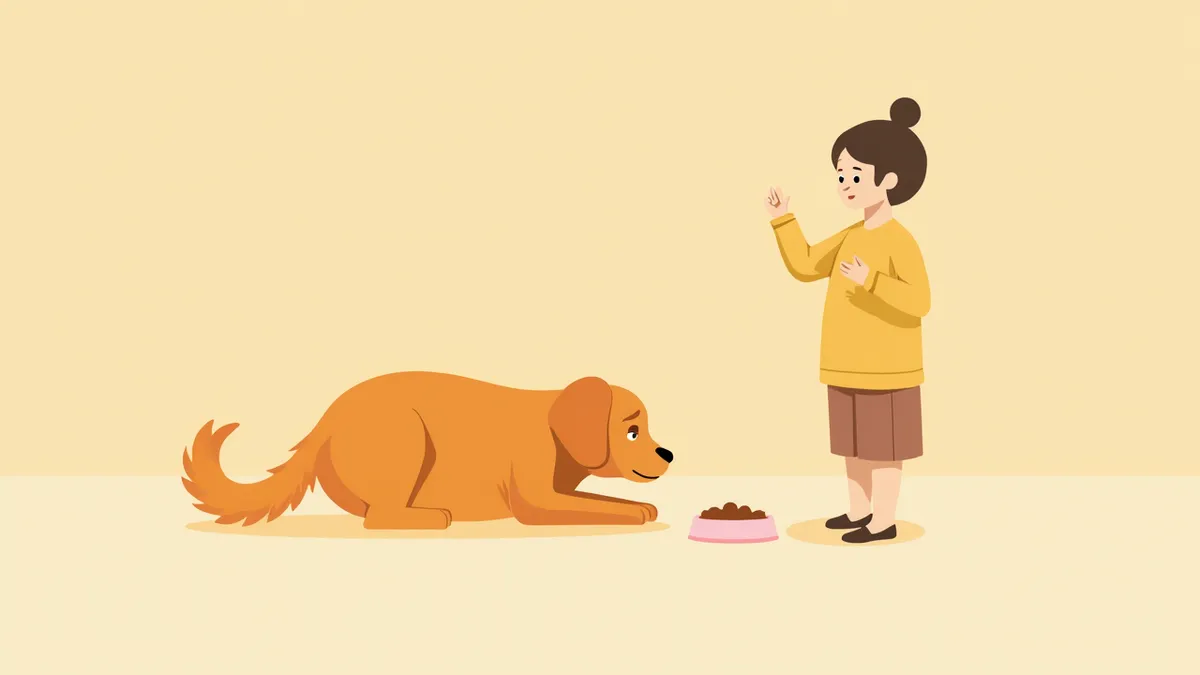
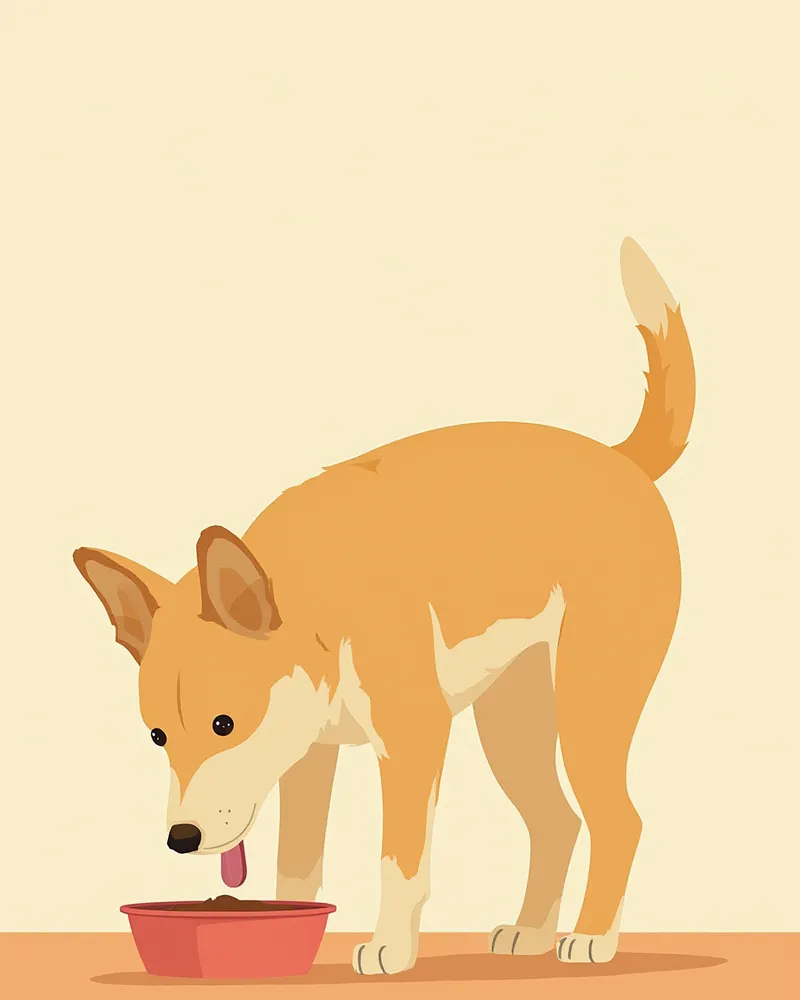
Puppies showing discomfort after meals — symptoms of megaesophagus
Megaesophagus in dogs is a digestive disorder in which the esophagus abnormally dilates and loses its ability to propel food into the stomach through normal muscular contractions. A key point to understand is that this is not simple vomiting, but rather regurgitation. Regurgitation occurs without effort, bringing undigested food back up. If the regurgitated material enters the airway, it can lead to aspiration pneumonia, which is the most dangerous complication. If your dog repeatedly regurgitates after meals, prompt and thorough diagnostic testing is essential.

Causes of Megaesophagus — Congenital, Acquired, and Idiopathic

Megaesophagus is classified into three types based on its underlying cause.
Congenital: This form is associated with congenital myasthenia gravis or developmental abnormalities of the esophageal nerves and muscles, although the exact pathogenesis remains incompletely understood. It is more commonly seen in breeds such as Great Danes, German Shepherds, Irish Setters, and Labrador Retrievers.
Acquired: This type results from other conditions, including myasthenia gravis, hypoadrenocorticism (Addison’s disease; hypothyroidism may be included when indicated), lead poisoning, polymyositis, polyneuropathy, and autoimmune diseases such as systemic lupus erythematosus. While treating the underlying disease may lead to partial recovery of esophageal function, improvement is not guaranteed in all cases.
Idiopathic: This refers to cases with no identifiable cause. It is common among acquired megaesophagus cases and primarily affects middle-aged to senior dogs.

Key Symptoms Checklist

Regurgitation: Undigested food passively flows back up into the mouth shortly after eating. Although it may resemble vomiting, there is no abdominal contraction involved.
Weight loss: Because food does not reach the stomach in sufficient quantities for proper absorption, your pet will gradually begin to lose weight.
Coughing and respiratory issues: Regurgitated material can enter the airway, potentially causing aspiration pneumonia. This may lead to exercise intolerance, rapid breathing, or difficulty breathing.
Difficulty swallowing and drooling: Your pet may struggle to swallow, drool excessively, or take an unusually long time to finish meals.
Decreased appetite and lethargy: If complications such as esophagitis develop, your pet may show a reduced interest in food and appear lethargic.
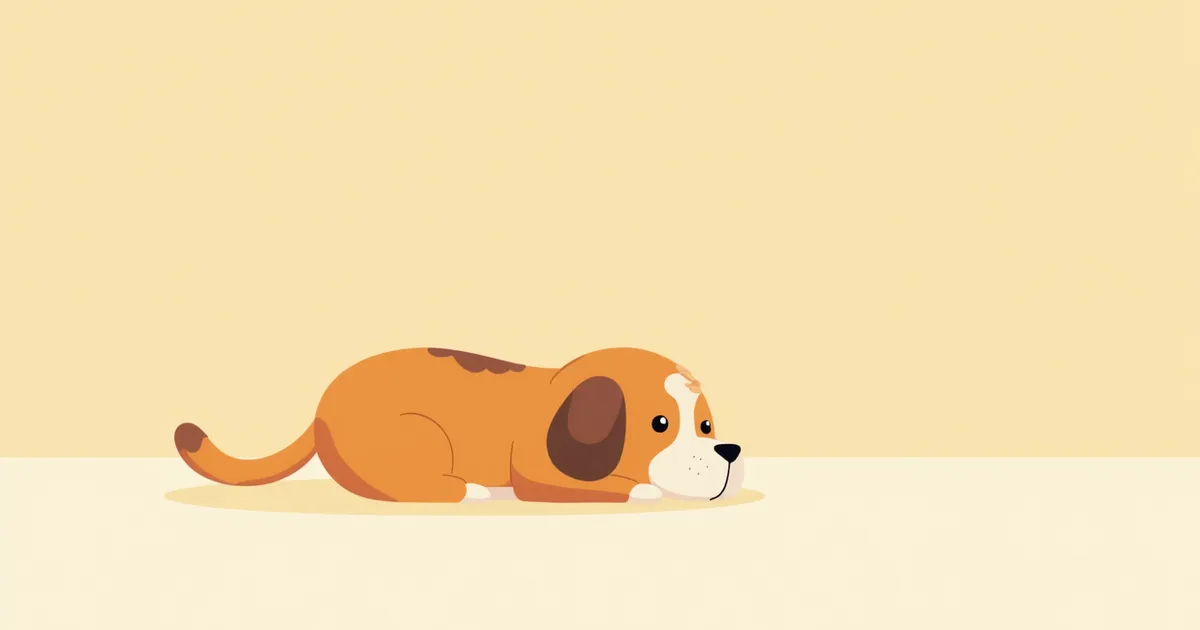
Symptoms of reflux in dogs with megaesophagus — regurgitation of undigested food

Go to the Emergency Room Immediately — Seek Care Now If You See These Signs

Aspiration pneumonia is a rapidly worsening emergency. If your pet shows any of the following signs, seek immediate care at an emergency animal hospital: • Rapid breathing, difficulty breathing, persistent coughing, and a higher-than-normal fever (high fever) • Extreme lethargy and weakness, and complete loss of appetite after regurgitation • Nasal discharge containing pus, and pale or bluish gums (cyanosis) • Inability to stand or altered consciousness

Diagnostic Methods for Megaesophagus

Chest X-ray: The air-filled, dilated esophagus is clearly visible. This is the first step in diagnosis.
Contrast study: After administering barium contrast, an X-ray is taken to evaluate esophageal motility.
Blood and hormone tests: These check for acquired causes such as myasthenia gravis antibodies, thyroid hormones, and lead levels.
Endoscopy: This allows direct visualization of the esophageal lining to assess the severity of inflammation (esophagitis) and mucosal condition.
Based on the test results, we determine whether to treat an underlying disease and establish the appropriate management plan.

Treatment of Megaesophagus — Cause-Specific Approaches
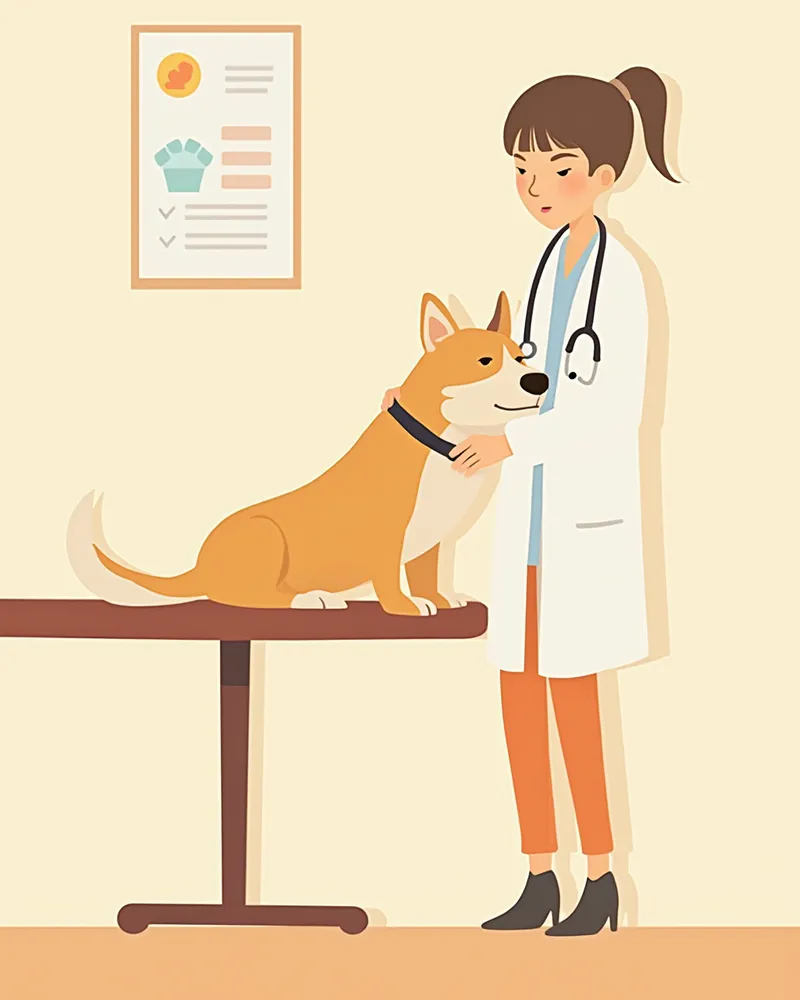
Treat the underlying condition first: If megaesophagus is caused by myasthenia gravis or hypothyroidism, treating that primary disease comes first. Resolving the underlying cause may allow partial recovery of esophageal function.
Idiopathic or congenital cases: Since the cause cannot be removed, management focuses on supportive care.
Medication support: Acid-suppressing drugs or mucosal protectants may be used to prevent esophagitis caused by reflux.
Treatment of aspiration pneumonia: If pneumonia develops, hospitalization and antibiotic therapy are necessary. Your veterinarian will create a treatment plan tailored to your pet’s condition.
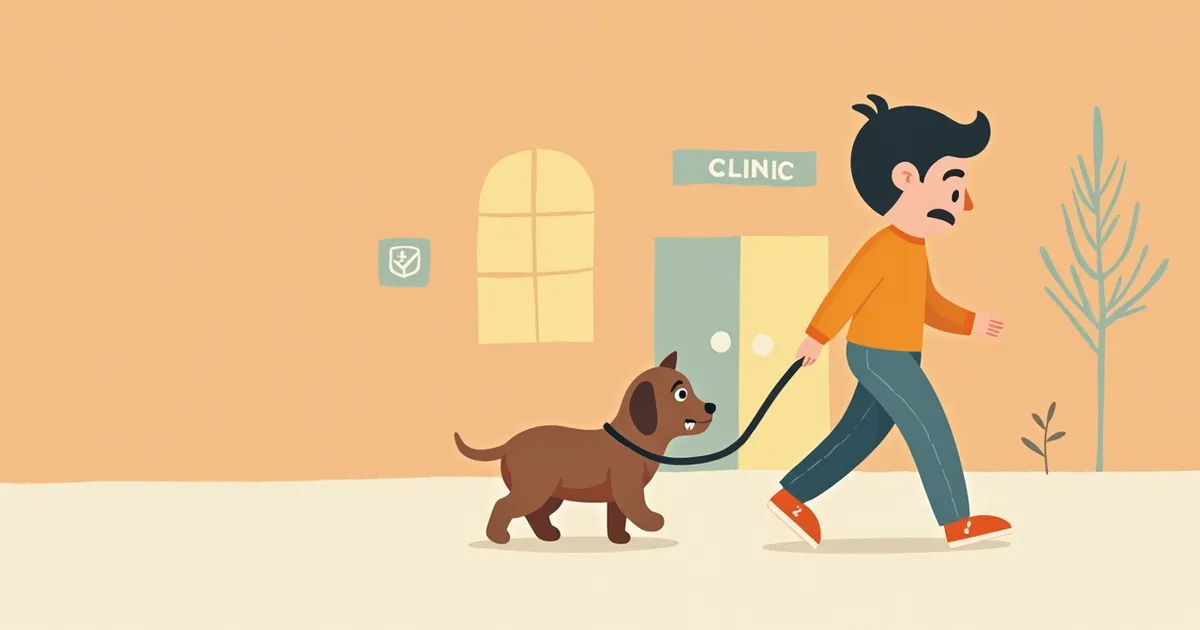
A puppy diagnosed with megaesophagus at a veterinary clinic

Home Management Strategies — Bailey Chair and Dietary Adjustments
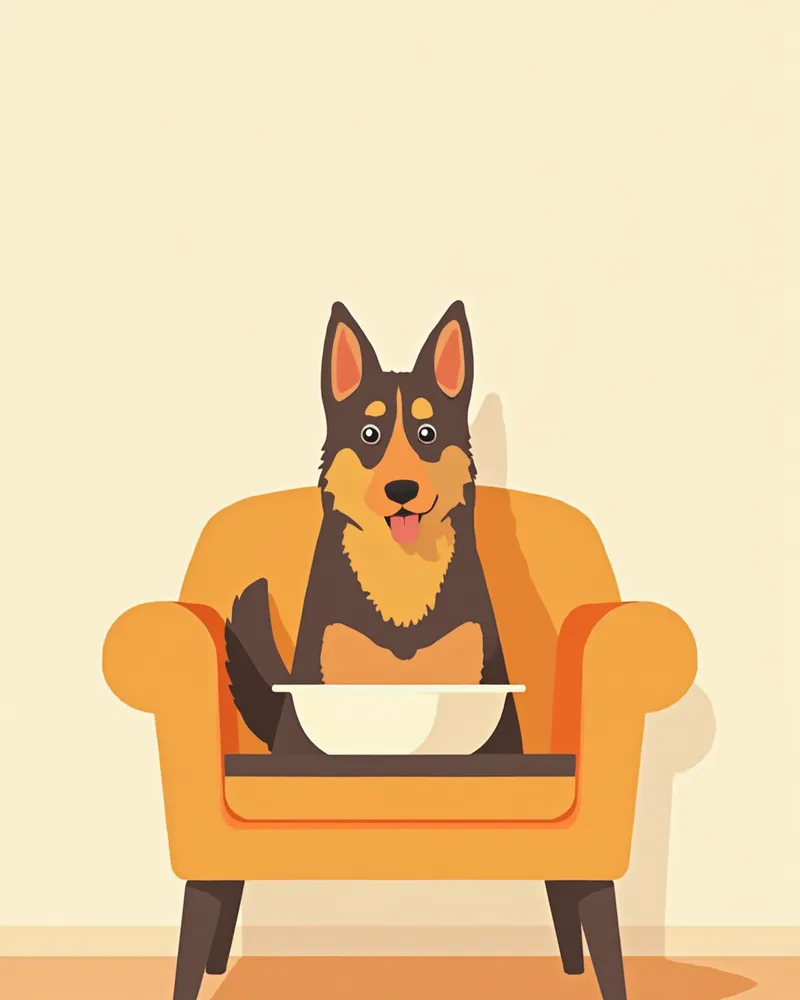
Using a Bailey Chair: Feeding your pet in an upright position helps gravity move food down into the stomach. Keep them in this position for 10–15 minutes after meals. You can have one custom-made or build it yourself.
Small, Frequent Meals: Large meals increase the risk of reflux. Divide their daily food into 3–4 smaller portions.
Adjusting Food Consistency: Try mixing food with water to create a slurry, or shape it into meatball-sized portions. Since each pet has different preferences, experiment with various textures to find what works best.
A puppy with megaesophagus eating in an upright position on a Bailey chair

Pay Extra Attention If Your Dog Is One of These Breeds

Megaesophagus occurs more frequently as a congenital condition in certain breeds, with Great Danes, Irish Setters, German Shepherds, and Labrador Retrievers being the most common. If a puppy of one of these breeds experiences repeated regurgitation, it is essential to have them examined, even if the symptoms appear mild. Additionally, dogs diagnosed with megaesophagus are advised not to be bred.

Reviewed by a veterinarian

Dr. Tony — Punnawat Phongkittirak

Dr. Tony — Punnawat Phongkittirak

Veterinarian

A veterinarian who majored in veterinary medicine at Khon Kaen University, Thailand, and completed the IVSA program at North Carolina State University in the United States. Drawing on clinical experience at animal hospitals, he works in the pet healthcare field and is dedicated to building a digital care environment that connects pet parents with veterinarians.

Frequently Asked Questions

Is megaesophagus curable?
Treating acquired causes (such as myasthenia gravis or hypothyroidism) can sometimes restore esophageal function. However, congenital or idiopathic cases are difficult to cure and require long-term management. With proper care, some dogs can lead a life close to normal.
How can you tell the difference between regurgitation and vomiting?
Regurgitation occurs when undigested food passively comes back up without any effort. Vomiting, on the other hand, involves abdominal muscle contractions and typically expels food that has been partially digested. If your pet brings up undigested food shortly after eating without any apparent effort, it’s likely regurgitation.
Where can I purchase a Bailey chair?
Since there aren’t many commercially available products in Korea, many pet owners make their own. It’s best to consult with a veterinarian or a veterinary rehabilitation specialist to determine the proper posture and height guidelines tailored to your pet’s body type before making one.
Which food form is the best?
Because every dog is different, it’s hard to generalize. Try various food consistencies—slurry (food mixed with water), meatball-shaped portions, or dry kibble—and choose the one that causes the least regurgitation. Consulting with your veterinarian to find the best option for your dog is always the best approach.
How can aspiration pneumonia be prevented?
The key is to keep Bailey upright using a Bailey chair and maintain this position for 10 to 15 minutes after meals. Feed small, frequent meals, and seek immediate veterinary care if you notice any abnormal signs such as coughing, fever, or respiratory distress. Regular chest X-rays are also important for monitoring the condition.

Share

Related Guides

References

[1] Clinical Medicine of the Dog and Cat, 4th Ed. CRC Press. Chapter 9: Esophageal Disease — Megaesophagus.

[2] Notes on Canine Internal Medicine, 4th Ed. Wiley-Blackwell. Chapter: Idiopathic Megaoesophagus.

This information is based on veterinary literature and does not replace diagnosis or treatment. Please consult a veterinarian for specific health concerns.

Metapet Co., Ltd. | CEO: Park Sung-yong | Business Reg. No. 417-88-02562 | Seoul, South Korea | Customer Center

Canine Megaesophagus: Symptoms, Causes & Treatment | Meongsiljang