Like
Share
멍실장
강아지 소음 공포증 증상과 원인, 진단·치료와 관리 포인트 총정리

Dog Trembling at Thunder — Causes and Behavioral Treatment Points for Noise Phobia

Brain & CognitionDiseasesMeongsiljang Veterinary Advisory Board

Canine noise phobia is a behavioral disorder characterized by excessive fear in response to loud noises such as thunderstorms and fireworks. We’ve provided a clear overview covering everything from causes and diagnosis to medication, desensitization training, and key home care tips.

What Is Canine Noise Phobia?
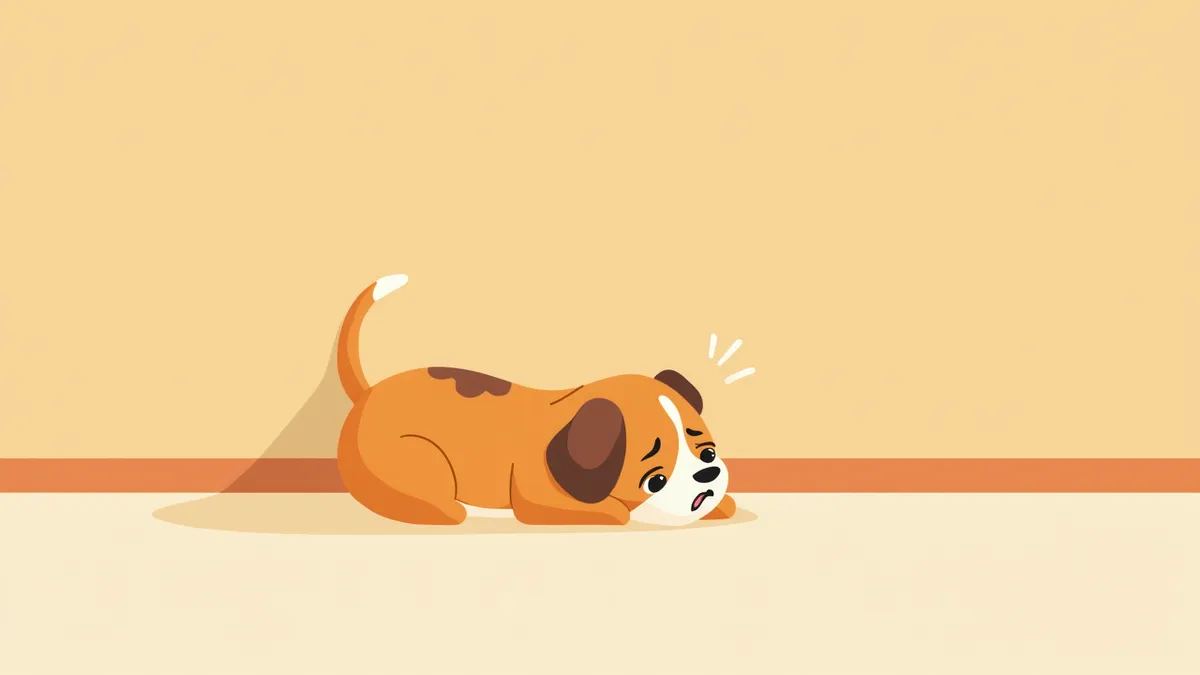
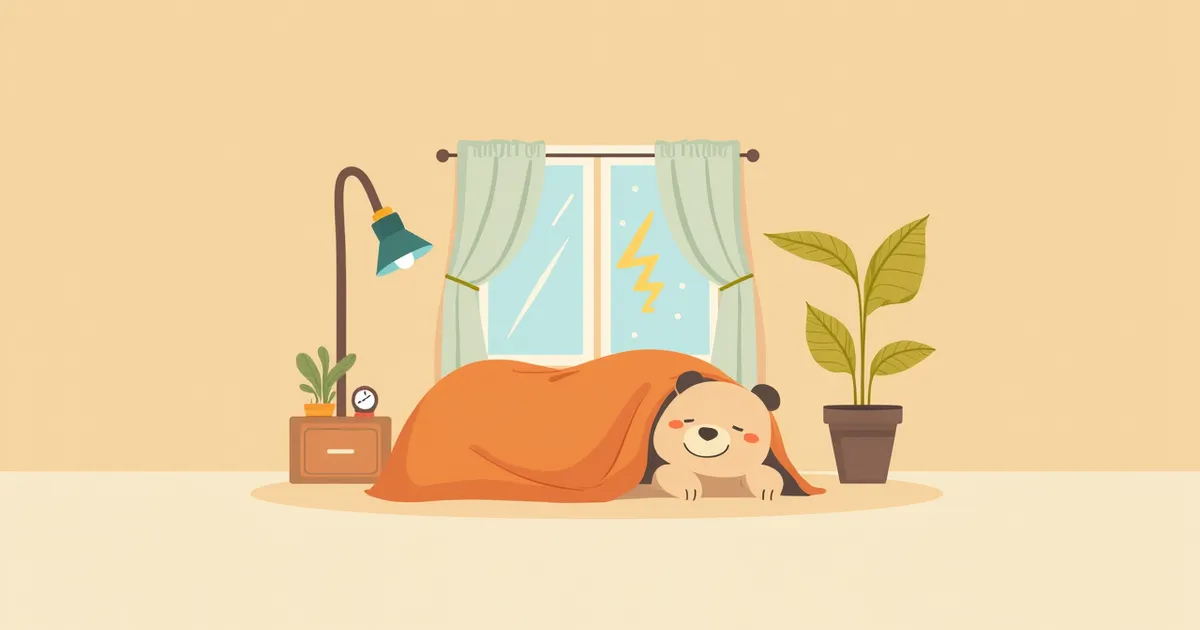
A dog hiding in the corner at the sound of thunder
Canine noise phobia is a behavioral disorder characterized by extreme fear in response to specific loud sounds, such as thunder, fireworks, or construction noise. The most important thing to understand is that this is not simply a matter of a "sensitive temperament," but a medical condition that requires veterinary treatment. If left untreated, the fear response intensifies and the range of triggers expands, so consulting a veterinarian as soon as symptoms are noticed is the best course of action.

Causes and Mechanisms of Noise Phobia

Noise phobia arises from a complex interplay of genetic predisposition, insufficient socialization, and negative experiences.
Genetics and Temperament: Veterinary behavioral research indicates that genetic factors contribute to noise phobia. Consequently, it is more common in dogs from lineages with a naturally anxious temperament.
Insufficient Socialization: If puppies are not adequately exposed to various household sounds—such as vacuum cleaners, washing machines, and sirens—during their early development, they are more likely to exhibit hypersensitivity to unfamiliar noises later in life.
Pain Association: Veterinary textbooks identify musculoskeletal pain as a significant contributing factor to noise phobia. Pain reduces a dog’s tolerance for stimuli, making them more sensitive to loud noises or causing a sudden worsening of symptoms. This is particularly important to consider in senior dogs.
Negative Experiences: A single traumatic experience with intense stimuli, such as thunderstorms or fireworks, can trigger fear responses that persist and recur in similar situations.

Key Symptoms Checklist

If your pet shows any of the following symptoms around the time of a loud noise, consider noise phobia as a possible cause.
Trembling and crouching: They lower their body, shake, or hide in corners or under beds.
Escape attempts: They scratch at doors or windows and try to get out.
Panting and drooling: They breathe heavily or drool excessively.
Vocalizing: They whine or cry uncontrollably.
Accidents: Extreme stress may cause them to urinate or defecate inappropriately.
Decreased responsiveness: They may fail to respond to commands they usually follow.
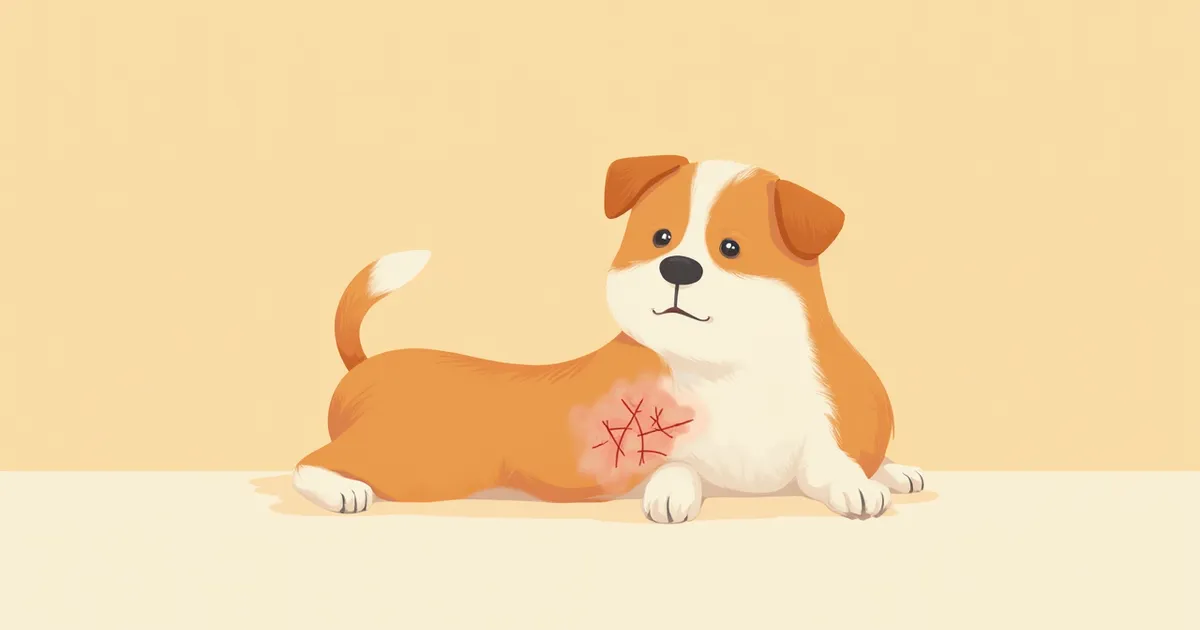
Self-injury: In severe cases, they may bite walls or doors, leading to oral injuries.
A frightened puppy with its ears flattened and tail tucked.

Signs That Require Immediate Veterinary Care

Seek immediate veterinary care if your pet has injured itself, has been in a state of extreme panic for over an hour, or is at risk of falling or colliding with objects while attempting to escape. Abnormally rapid breathing, vomiting, or loss of consciousness also constitute emergencies.

Diagnosis — How Do Veterinarians Confirm It?

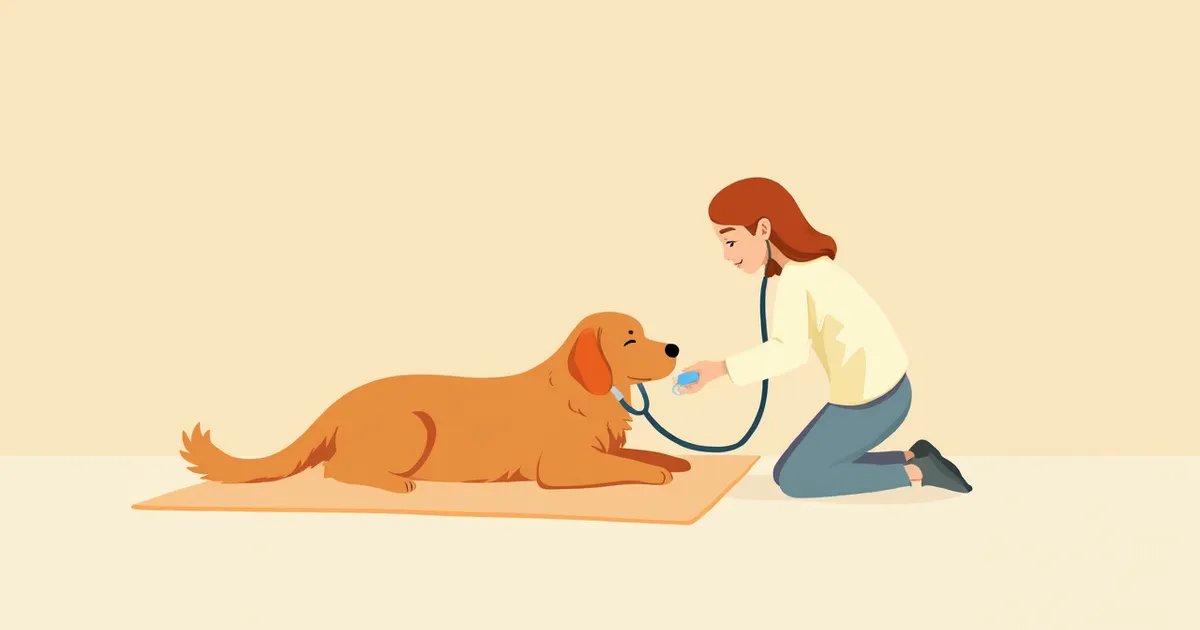
Veterinarians diagnose noise phobia through a detailed history and behavioral assessment. It’s important to provide specific details about the types of sounds that trigger the reaction, the intensity of the response, and when the symptoms first appeared. Bringing a video of your pet’s actual reaction can be extremely helpful for diagnosis. We also check for musculoskeletal pain, as pain can be a cause or exacerbating factor of noise phobia. This may involve a general physical exam along with an orthopedic evaluation. If necessary, X-rays or blood tests are used to further identify the source of pain.

Treatment — Combining Medication and Behavior Modification
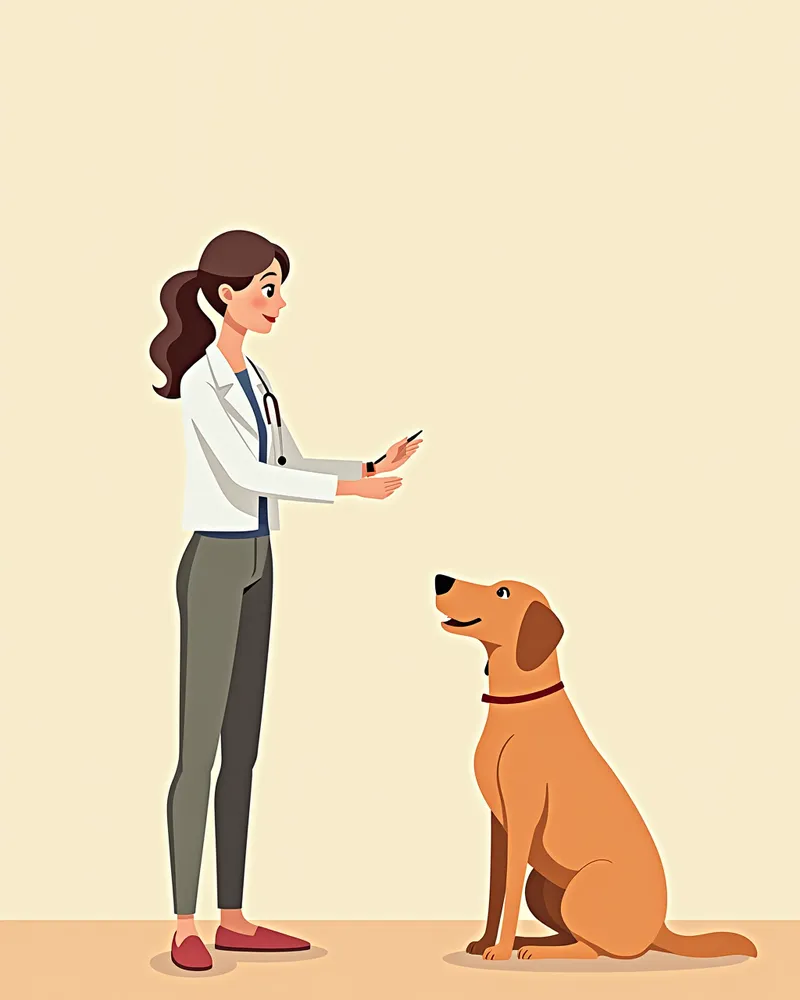
The most effective approach to noise phobia is combining medication with behavior modification.
Immediate calming medications: Veterinarian-prescribed options like dexmedetomidine oral transmucosal gel can be used to relieve acute anxiety.
Long-term anti-anxiety medications: For severe chronic anxiety, veterinarians may prescribe selective serotonin reuptake inhibitors (SSRIs) for a set period.
Desensitization training: This behavior modification technique involves repeatedly exposing the pet to low-volume noises while pairing them with positive experiences. It is important to proceed gradually under the guidance of a veterinary behavior specialist.
Dogs and their owners receiving behavior modification counseling at a veterinary clinic

Home Management Tips

In addition to medication and training, managing your home environment is essential.
Create a safe space: Set up a dark box or crate in advance and help your dog get used to it so they can retreat there on their own to find comfort when frightened.
Reduce noise: Minimize exposure to outside sounds by closing curtains and windows, playing white noise, or using ear covers.
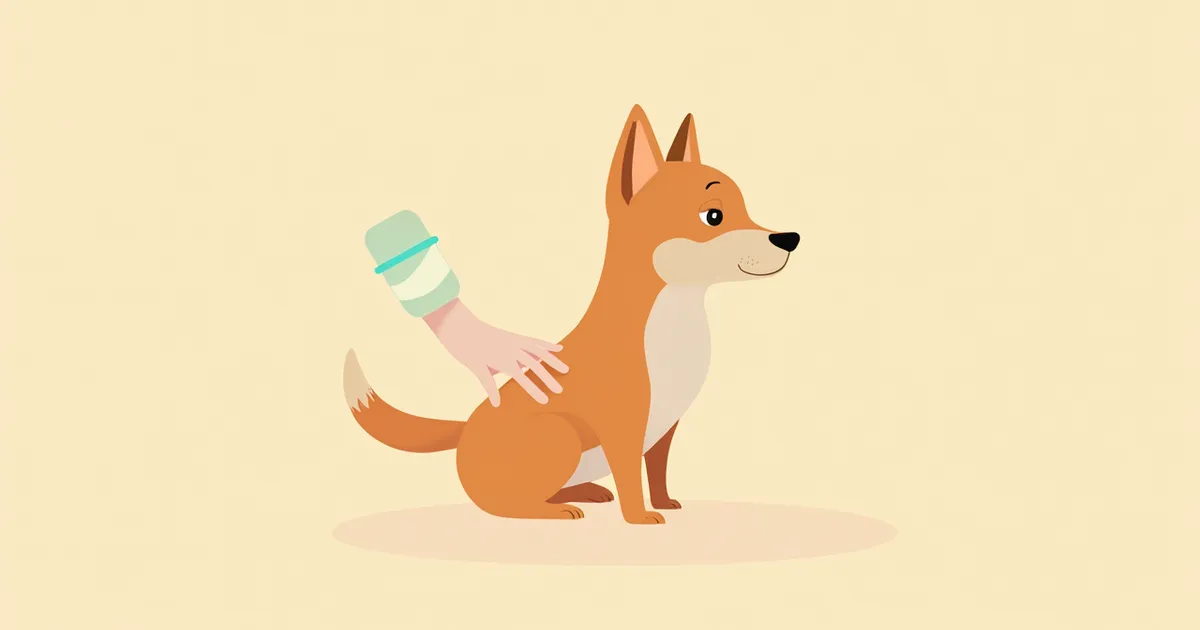
Use environmental aids: You can use supportive tools to create a safe and comfortable space. While some tools, such as pressure vests, may help reduce tension in certain dogs, individual responses vary, so they are not effective for every dog.
Owner’s demeanor: If you appear anxious, your dog may become more tense. Avoid punishment or neglect; instead, stay calm and provide a reassuring presence.
Plan ahead: If there are fireworks events scheduled, consult your veterinarian in advance to prepare appropriate medication for the situation.
A dog resting in a safe space while wearing a pressure vest

Breeds to Watch Closely

Genetic factors play a role in noise phobia, so puppies with an anxious temperament or a family history of the condition may be more sensitive to loud sounds. Since sensitivity varies widely by breed and individual, it’s important to closely observe how your dog reacts to different noises. Starting socialization training early—gradually exposing your puppy to common household sounds like vacuum cleaners, hair dryers, and sirens at low volumes while pairing them with positive experiences—can significantly help prevent noise phobia.

Reviewed by a veterinarian

Dr. Tony — Punnawat Phongkittirak

Dr. Tony — Punnawat Phongkittirak

Veterinarian

A veterinarian who majored in veterinary medicine at Khon Kaen University, Thailand, and completed the IVSA program at North Carolina State University in the United States. Drawing on clinical experience at animal hospitals, he works in the pet healthcare field and is dedicated to building a digital care environment that connects pet parents with veterinarians.

Frequently Asked Questions

Will noise phobia resolve on its own if left untreated?
If left untreated, most cases tend to worsen. Fear responses often become more intense with repetition, and the range of triggers can expand. It’s most important to consult with a veterinarian early on to develop a treatment plan.
Should you punish or ignore a frightened dog?
Absolutely not. Punishment only intensifies fear. Even ignoring the dog isn’t appropriate when they’re in extreme panic. The right approach is to stay calmly by their side and provide a safe space.
Do I need to give the medication every time?
Not necessarily. With effective behavior modification training, you can reduce your pet’s reliance on medication. Combining medication with training is often more effective in the early stages. Work with your veterinarian to develop a long-term plan.
Why might my pet suddenly become sensitive to noise?
New-onset musculoskeletal pain can sometimes trigger or worsen noise phobia, especially in older dogs. Since joint pain or similar issues may be the underlying cause, we recommend a thorough physical examination.
Can it be prevented from an early age?
Yes, it’s possible. During a puppy’s socialization period, gradually expose them to everyday sounds like vacuum cleaners, hair dryers, washing machines, and sirens. Start at a low volume and slowly increase it while pairing the sounds with positive experiences. Repeated exposure in this way helps puppies become accustomed to the noises, reducing the risk of developing noise phobias.

Share

Related Guides

References

[1] Bowen J. The Frightened Dog. Chapter 88. In: Cockcroft P, Dunlop M (eds). 100 Top Consultations in Small Animal General Practice. Wiley-Blackwell, 2010.

[2] Korpivaara M, Laapas K, Huhtinen M et al. Dexmedetomidine oromucosal gel for noise-associated acute anxiety and fear in dogs — a randomised, double-blind, placebo-controlled clinical study. Vet Rec. 2017;180(14):356.

[3] Lopes Fagundes AL, Hewison L, McPeake KJ et al. Noise sensitivities in dogs: an exploration of signs in dogs with and without musculoskeletal pain using qualitative content analysis. Front Vet Sci. 2018;5:17.

[4] Cottam N, Dodman NH, Ha JC. The effectiveness of the anxiety wrap in the treatment of canine thunderstorm phobia: an open-label trial. J Vet Behav. 2013;8:154–161.

[5] Herron ME, Shreyer T. Chapter 17. In: Moffat K (ed). Introduction to Animal Behavior and Veterinary Behavioral Medicine. Wiley-Blackwell, 2022.

[6] Veterinary Guide to Preventing Behavior Problems in Dogs and Cats. Chapter 5: Familiarization with Various Sounds. Wiley-Blackwell.

This information is based on veterinary literature and does not replace diagnosis or treatment. Please consult a veterinarian for specific health concerns.

Metapet Co., Ltd. | CEO: Park Sung-yong | Business Reg. No. 417-88-02562 | Seoul, South Korea | Customer Center

Dog Trembling at Thunder? Noise Phobia Causes & Treatment | Meongsiljang