Like
Share
멍실장
강아지 내분비계 종합 검진 증상과 원인, 진단·치료와 관리 포인트 총정리

Comprehensive Endocrine Checkup for Dogs: How to Check Thyroid, Adrenal, and Diabetes All at Once

EndocrineDiseasesMeongsiljang Veterinary Advisory Board

A comprehensive endocrine system checkup for dogs is a key test that helps detect hormonal imbalances early on, preventing the progression of disease. Keep your pet healthy with regular checkups.

What is a Comprehensive Endocrine System Checkup for Dogs?
A veterinarian drawing a blood sample from a puppy.
A comprehensive endocrine system checkup for dogs evaluates the function of major endocrine glands, including the thyroid, adrenal cortex, and pancreas. This exam plays a crucial role in detecting hormonal imbalances early to prevent disease progression. Regular checkups are especially important for senior dogs or those with vague symptoms. The evaluation typically involves blood tests, hormone level measurements, and imaging studies when necessary. Early detection leads to highly effective treatment and significantly improves your dog’s quality of life. Routine checkups are fundamental to maintaining your dog’s long-term health.

What Are the Main Causes of Endocrine Disorders?
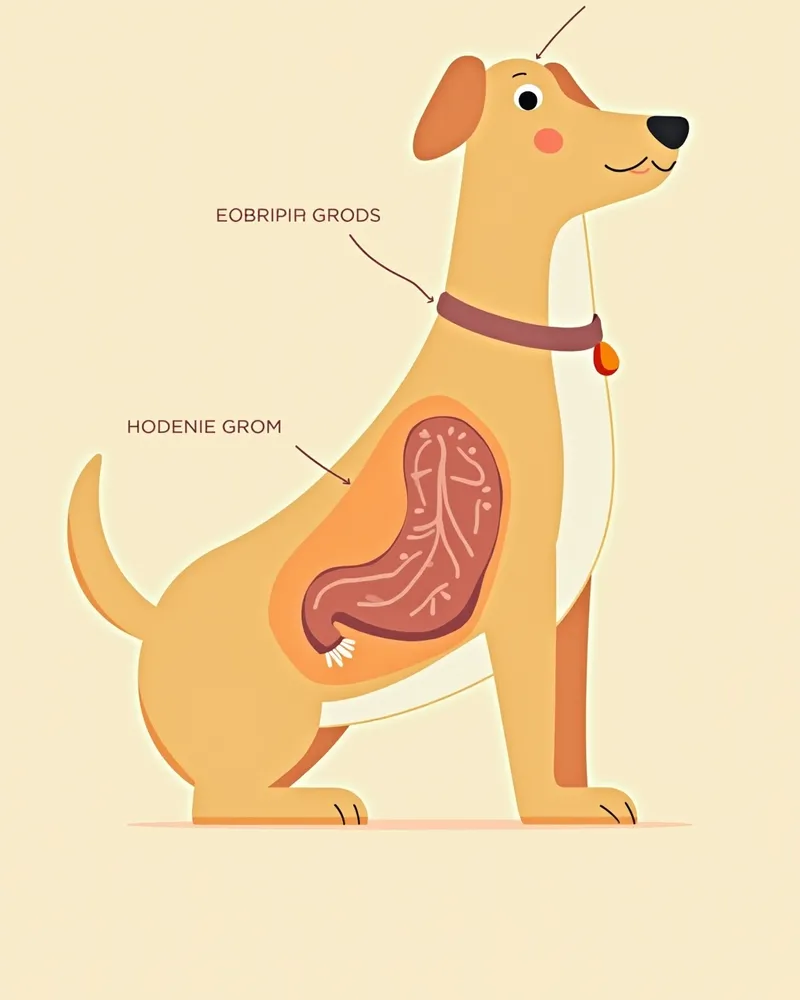
There are many causes of endocrine disorders in dogs, with genetic predisposition and age playing significant roles. Hypothyroidism is relatively common in young to middle-aged large-breed dogs and is usually caused by immune-mediated thyroid destruction or idiopathic atrophy. In senior dogs, it is important to watch for endocrine conditions such as hyperadrenocorticism. Certain medications, such as antithyroid drugs, and chronic diseases can also contribute to hormonal imbalances. When these factors interact, they can lead to endocrine dysfunction. Regular health check-ups are essential for early detection.
Diagram of a dog's endocrine system

Check for Key Symptoms and Signs

Endocrine disorders can manifest through a variety of symptoms, so it’s important for pet owners to observe their pets closely.
Weight changes: Your pet may gain or lose weight despite having a normal appetite. In particular, with hypothyroidism, weight gain can occur even without an increase in food intake.
Fatigue and lethargy: You may notice decreased energy levels, reluctance to exercise, and difficulty tolerating cold temperatures.
Symmetrical hair loss: Non-itchy, symmetrical hair loss may develop on the sides, trunk, and neck, and the hair may not grow back well after being clipped.
Increased urination and thirst: Your pet may drink more water and need to go to the bathroom more frequently.
Appetite changes: Depending on the condition, your pet’s appetite may decrease or, conversely, increase.
If these symptoms persist, please seek veterinary care immediately.
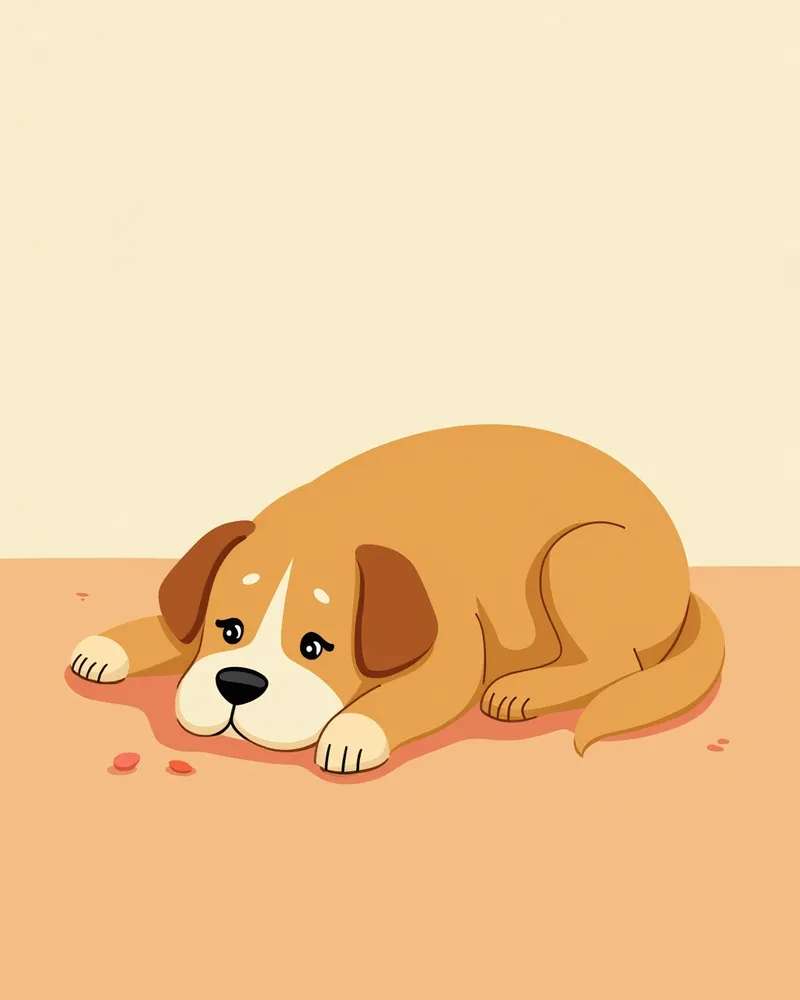
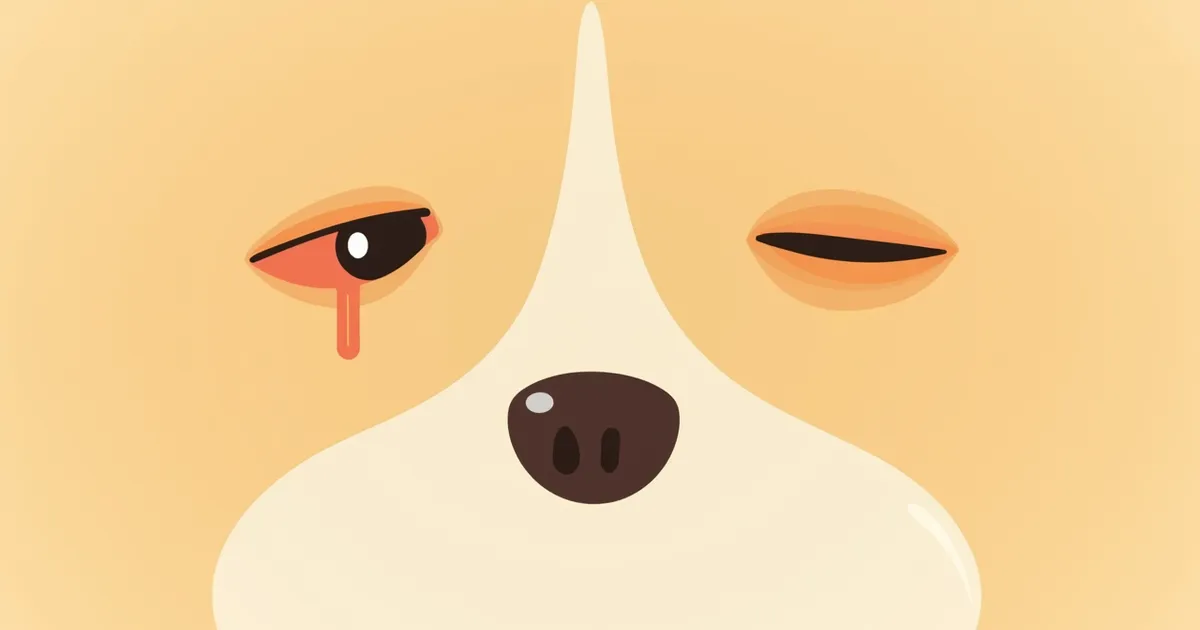
A tired dog showing signs of itchy skin

Signs That Require an Immediate Vet Visit

If your pet experiences sudden weight loss, loss of appetite, repeated vomiting and diarrhea, or decreased consciousness, you should visit the vet immediately. Endocrine diseases can become life-threatening as they progress.

Diagnostic Methods for Diagnosis
Our comprehensive endocrine system checkup utilizes a combination of various diagnostic methods. - Blood tests: Precisely measure hormone levels to identify any abnormalities. - Hormone level analysis: Analyze key hormones such as thyroid hormone (T4), cortisol, and insulin. - Urinalysis: Evaluate hormone metabolism and kidney function together. - Imaging studies: Used to detect structural abnormalities in the thyroid or adrenal cortex. We interpret the results of these tests holistically to provide an accurate diagnosis. An accurate diagnosis is the first step toward effective treatment.
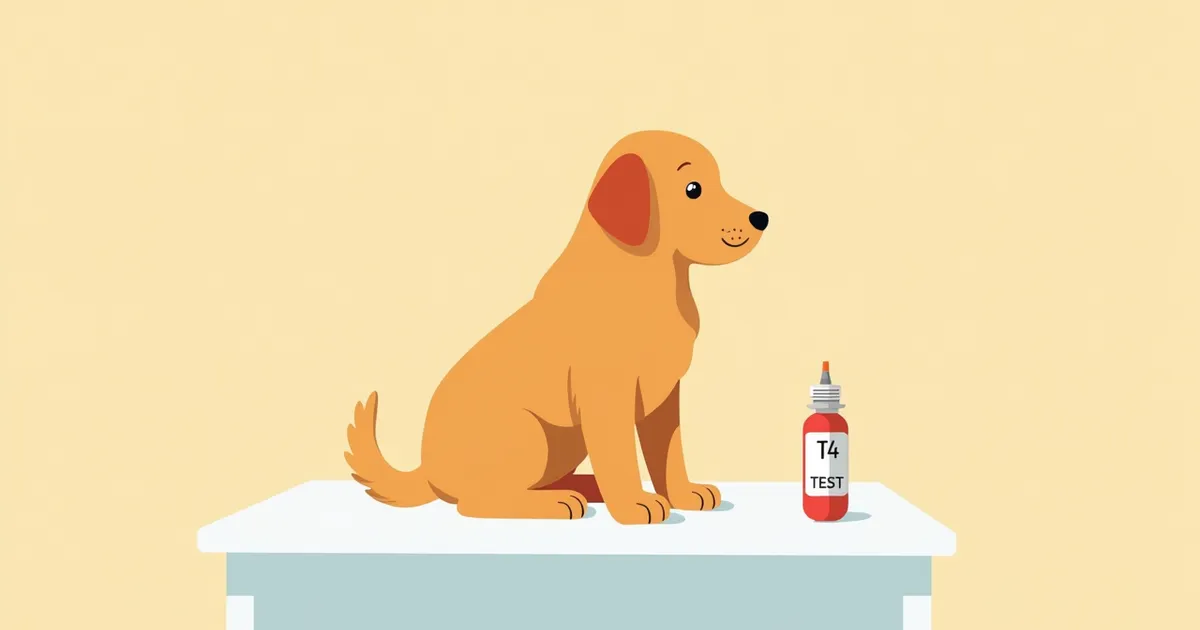
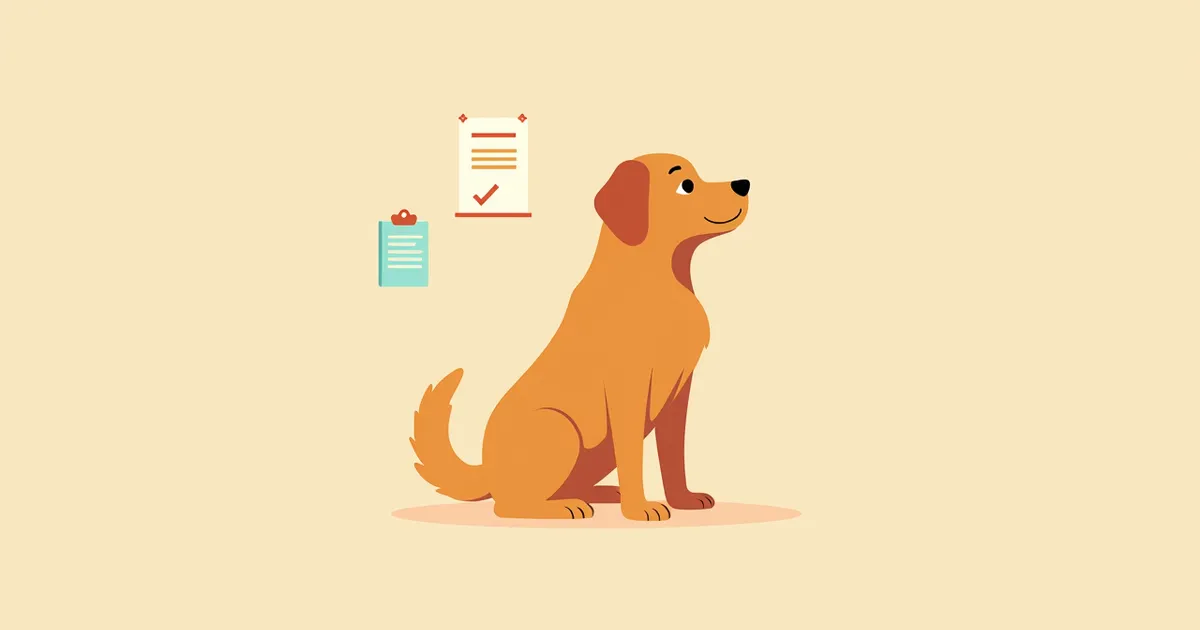
A scene of blood tests being analyzed in a veterinary laboratory.

Treatment Methods and Step-by-Step Management
Treatment is tailored to the underlying cause. - Hormone replacement therapy: For hypothyroidism, T4 hormone supplements are administered continuously. - Medication management: For hyperadrenocorticism, drugs that suppress cortisol secretion are used. - Dietary management: A diet that helps maintain hormonal balance is provided. During treatment, regular blood tests are necessary to monitor drug efficacy and hormone levels. Dosages are adjusted in collaboration with your veterinarian, and the treatment plan is modified as the condition changes. Long-term management is key to success.
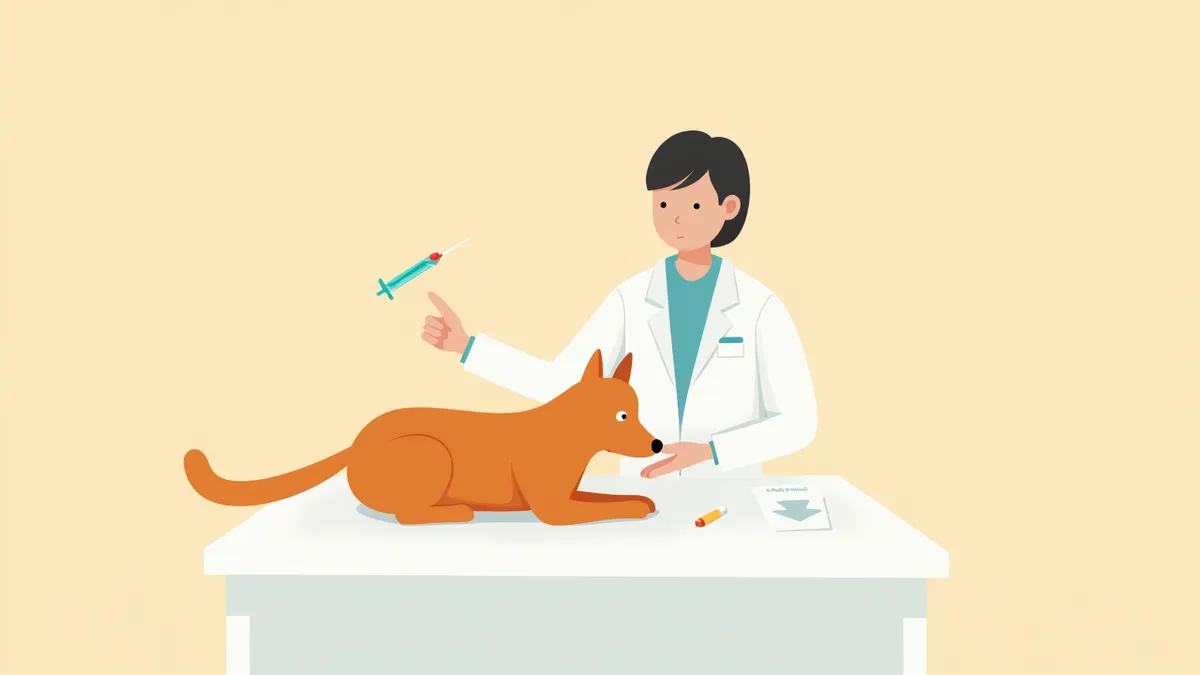
A veterinarian administering a hormone injection to a puppy

Management Points at Home

Daily care is crucial during treatment.
Medication adherence: Administer medication at the prescribed times. Missing doses can lead to hormonal imbalances.
Regular check-ups: Have blood tests performed at intervals specified by your veterinarian.
Dietary management: Consistently feed the diet recommended by your veterinarian.
Minimize stress: Maintain a consistent routine and a stable environment.
Activity regulation: Avoid excessive exercise and ensure appropriate walks.
These care measures enhance treatment efficacy.
A dog taking a walk in a quiet park

Precautions for Senior Dogs and Specific Breeds

Hypothyroidism is relatively common in large-breed dogs such as Golden Retrievers, Doberman Pinschers, Boxers, Great Danes, and Irish Setters, and it typically develops between puppyhood and middle age. Since senior dogs are also at increased risk for other endocrine disorders, such as hyperadrenocorticism, regular veterinary check-ups are essential.

Reviewed by a veterinarian

Dr. Tony — Punnawat Phongkittirak

Dr. Tony — Punnawat Phongkittirak

Veterinarian

A veterinarian who majored in veterinary medicine at Khon Kaen University, Thailand, and completed the IVSA program at North Carolina State University in the United States. Drawing on clinical experience at animal hospitals, he works in the pet healthcare field and is dedicated to building a digital care environment that connects pet parents with veterinarians.

Frequently Asked Questions

Does my newly adopted puppy need an endocrine system checkup?
Yes, especially for puppies older than six months, regular check-ups are recommended. Early detection significantly improves the chances of successful treatment.
How often should endocrine system screenings be performed?
For healthy adult dogs, we recommend annual check-ups, while senior dogs should be seen every six months. Your veterinarian may adjust this schedule based on your dog’s individual needs.
What should I do if the check-up results show abnormalities?
Consult your veterinarian right away so you can work together on additional tests and a treatment plan. With proper care, most cases can be managed effectively.
How much does a check-up cost?
Basic checkups typically cost around $70, while more complex tests can exceed $100. Be sure to confirm whether your pet insurance covers these services in advance.
My dog hates check-ups. What should I do?
Approach slowly in a quiet environment and reward with treats. The veterinarian will handle the situation gently. With repetition, your pet will become accustomed to it.

Share

Related Guides

References

[1] Notes on Canine Internal Medicine, 4th Ed. (2023). Chapter 5: Endocrine Disorders. Elsevier.

[2] Plumb's Veterinary Drug Handbook, 9th Ed. (2022). Section on Hormonal Testing and Monitoring. Wiley-Blackwell.

[3] American College of Veterinary Internal Medicine (ACVIM). Guidelines for Endocrine Testing in Dogs (2021). ACVIM Consensus Statement.

This information is based on veterinary literature and does not replace diagnosis or treatment. Please consult a veterinarian for specific health concerns.

Metapet Co., Ltd. | CEO: Park Sung-yong | Business Reg. No. 417-88-02562 | Seoul, South Korea | Customer Center

Full Endocrine Checkup for Dogs: Thyroid, Adrenal & Diabetes | Meongsiljang